
A small gathering in Langford this weekend marked a symbolic milestone for Vancouver Island’s long-idle rail line — and renewed debate over what should come next.
On Saturday, members of Friends of Rails to Trails – Vancouver Island (FORT-VI) handed out slices of cake to the public to mark 15 years since the last VIA Rail commuter train ran on the E&N corridor on March 19, 2011 .
The event, held near Goldstream Avenue, was meant as both a commemoration and a critique, with cake decorated in dollar signs to highlight what the group calls years of public spending on an unused rail line.
“Since then, too much time and too much public money have been wasted attempting to bring back rail service on this obsolete and inadequate rail line,” said FORT-VI in a statement.
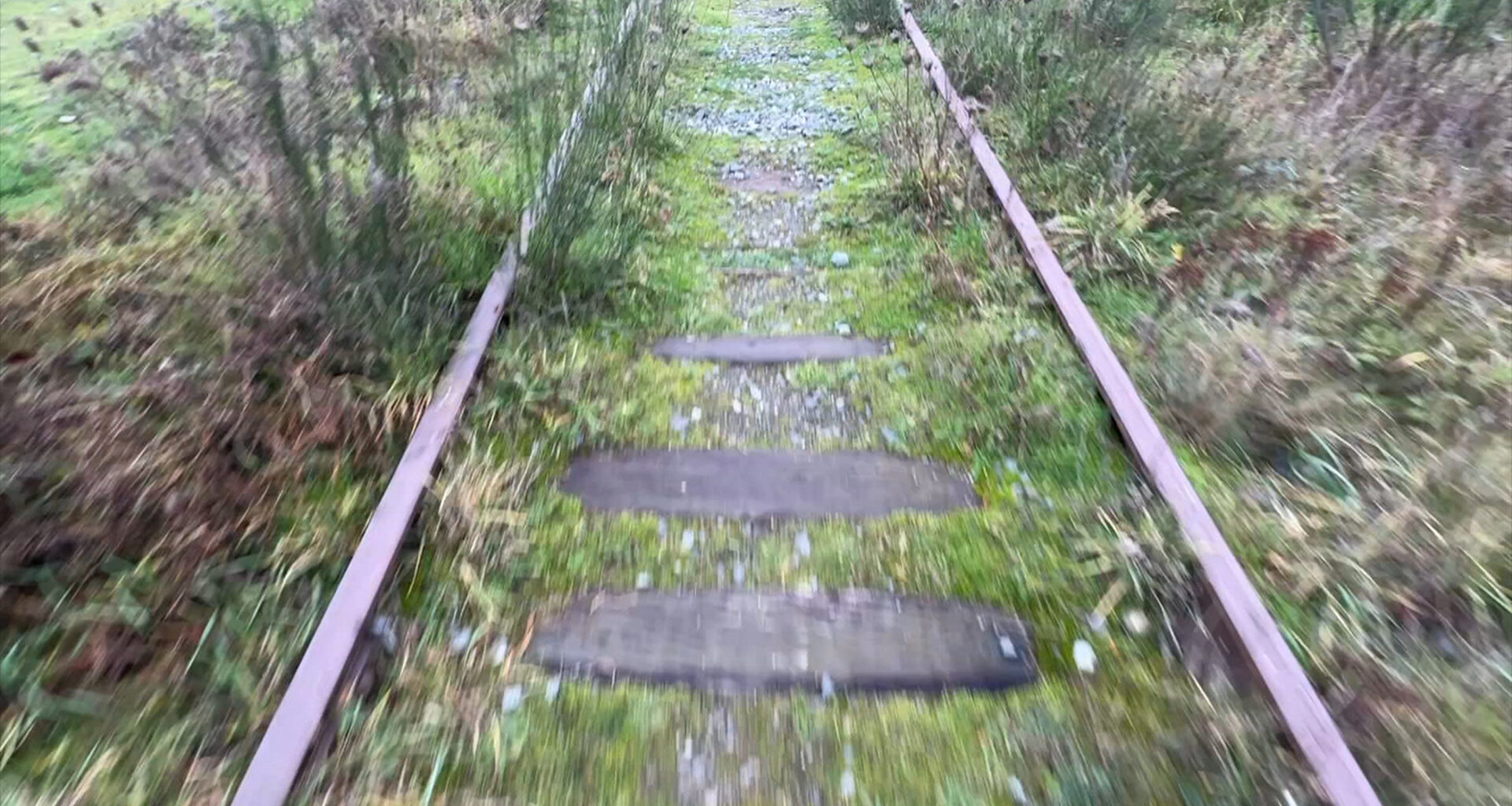
The 289-kilometre Island Rail Corridor once connected communities from Victoria to Courtenay, but has sat largely unused for more than a decade, aside from maintenance work and infrastructure upgrades required to preserve its status as an active rail line.
FORT-VI is advocating for a different future for the line, by converting the corridor into a continuous multi-use trail stretching the length of the Island.
The group says an E&N Rail Trail could support tourism and local economies while offering a low-impact transportation option for residents and tourists alike.
“This single project has the potential to bring many great benefits to all Island communities, including First Nations, by improving mental and physical health, reducing vehicle congestion and emissions, and increasing safety for people moving between communities,” said FORT-VI vice-president David Slade.
The push comes as interest in the corridor’s future continues to evolve.
In late 2025, regional leaders and First Nations signed a Reconciliation Corridor Agreement to explore the potential for passenger rail service between Langford and Victoria, alongside other uses such as transit-oriented development.
Dubbed the Reconciliation Corridor Initiative, the agreement marked a shift after decades of stalled proposals, placing First Nations leadership and partnership at the centre of planning.
The competing visions of restoring rail versus repurposing the corridor reflect a long-running debate on Vancouver Island about how best to use the publicly owned land.
Past efforts to revive rail service has repeatedly stalled, in part due to unresolved concerns about the railway running through First Nations lands without meaningful consultation.
The new agreement proposes rerouting sections of the line away from reserve lands while creating economic opportunities tied to the corridor.
Regional leaders say the new collaboration could be key to finally moving the project forward.
That work is expected to include a technical feasibility study in 2026, examining what a modern rail system could look like including costs, routing and development opportunities along the corridor.