
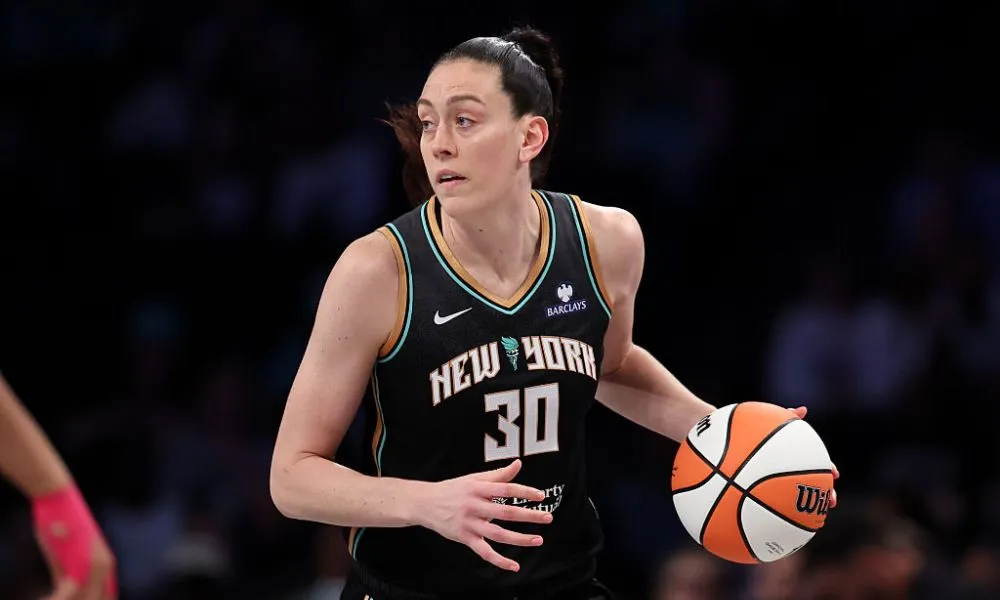
WNBA’s average salary to be worth US$583k this year and will exceed US$1m by end of deal
Maximum pay to be set at US$1.4m in 2026
WNBA to expand schedule to 52 games as early as 2029
The Women’s National Basketball Association’s (WNBA) new collective bargaining agreement (CBA) will establish the first revenue-sharing model in women’s sports history.
The league is projecting more than US$1 billion in player salaries and benefits over the seven-year agreement with the WNBA Players Association (WNBPA), which will run through 2032.
The salary cap for the 2026 season has been set at US$7 million, a fourfold increase on the US$1.5 million limit in place last season, and will be reviewed annually to reflect league and team revneue growth. In total, the cap is set to grow to more than US$11 million over the course of the CBA.
Notably, the agreement will allow the WNBA’s top players to earn multi-million-dollar contracts for the first time. The average salary is projected to be worth US$583,000 this year and could exceed US$1 million by 2032.
Meanwhile, the maximum salary on offer for players for the upcoming campaign is valued at US$1.4 million and is expected to increase to more than US$2.4 million by the end of the deal. Minimum salaries will range from US$270,000 to US$300,000 in 2026 and will range from US$340,000 to US$380,000 by 2032.
The CBA will also allow players graduating past rookie-scale deals to sign maximum salary contracts for the first time. It means the likes of Caitlin Clark and Paige Bueckers will be able to earn the highest pay available for WNBA players after their initial rookie agreement expires.
Aside from salaries, the new deal will also codify major improvements in off-field standards. This includes investments in team facilities, entrenched league-wide charter air travel, first-class accommodation and increased performance bonuses for award winners and playoff participants.
Housing, which was reportedly a sticking point in negotiations, will be available for all players in 2026, 2027 and 2028, and for players earning US$500,000 or less in 2029 and 2030. Moreover, there will be expanded benefits on offer for players with children or who are planning to have a family.
The WNBA plans to expand its schedule to a maximum of 50 games in 2027 and 2028, increasing to 52 games in 2029 through to 2032.
Players and the league’s board of governors are still to vote on the CBA, which was agreed months before the new season was scheduled to commence on 8th May. The agreement concludes a lengthy period of negotiation that began in October 2024 when the WNBA opted out of the previous pact, which expired in October the following year.
“This collective bargaining agreement represents a defining moment in the WNBA’s 30-year history and all of women’s professional sports,” said Cathy Engelbert, WNBA commissioner. “Since its inception, the WNBA has been shaped by extraordinary athletes who believed in the league’s future. The agreement is a testament to that belief and to the tremendous progress we have achieved together.”
“Over these past months, this group showed exactly who they are, prepared, relentless, and united when it mattered most, with a clear understanding that their value drives this business and when players win, the league wins,” added Terri Carmichael Jackson, WNBPA executive director.
“This agreement delivers what players set out to do from the beginning, transforming the economics of this league. It marks a new era led by players who know their power and chose to use it.”
The league and players will now prepare for the upcoming campaign, with training camp to open on 19th April and preseason games to tip off on 25th April.
Prior to training camp, the league also must hold an expansion draft for its two new franchises in Toronto and Portland, as well as overseeing a free agency period and the collegiate draft.
SportsPro says…
The WNBA continues to ride an upward growth trajectory, with public interest, revenues and team valuations at an unprecedented high. Yet it has taken a cautious approach to managing its growth due to previous losses, which was at odds with the players’ ambition to attain better salaries and a larger share of the competition’s earnings.
The higher wages and expanded benefits will be significant for players and will boost public perception of the league, which is about to begin one of the most important seasons in its history with two expansion franchises and new US$200 million broadcast deals with ESPN, Amazon and NBC set to kick in.
If the league failed to strike a new CBA, it would have been catastrophic, with a hypothetical lockout certain to halt any momentum at a crucial juncture in the league’s journey. A reduced or delayed season would have meant no matchday income, the slowing of audience expansion, and would have put the brakes on any new commercial deals.

Women’s sport audiences are surging, but billions remain untapped. SportsPro London’s dedicated content track shows investors, sponsors, rights holders and media how to close the monetisation gap and scale this high-revenue opportunity. Taking place this April, learn more here.