
The alarm bells are no longer quiet at Richard Childress Racing. They’re blaring after another poor performance this weekend.
Through six races to open the 2026 NASCAR Cup Series season and still without a single top-10 finish, insiders are beginning to question not just the results, but the direction of the entire organization.
Speaking on The Teardown, Jeff Gluck put the struggles into historic context: “The last time RCR ended the first six Cup races in a season without a single top 10 finish, it was a single car team in 1982,” he said.
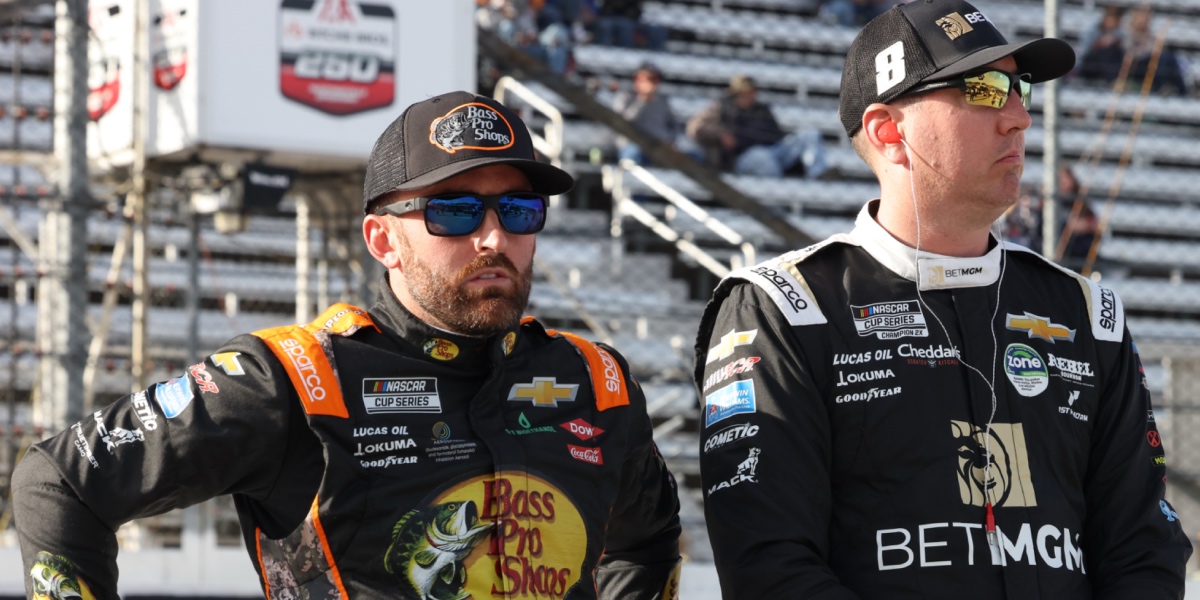
That underscores just how far off the pace the organization has fallen. With Kyle Busch finishing 21st and Austin Dillon 25th, despite solid qualifying efforts, the speed simply isn’t translating when it matters.
That disconnect has become the defining theme of RCR’s season so far. On paper, there have been flashes of promise, but execution and consistency have all lagged behind. Busch now sits 23rd in points, while Dillon is 26th, leaving both drivers buried in an early-season hole that only gets deeper with each passing week.
According to Jordan Bianchi, the issues run deeper than a bad setup or a missed adjustment: “If they don’t have speed, how do you correct the problems?” Bianchi asked. “Organizationally, they are in a slump right now. And that is clear as day.”
He believes it’s not just one area either, it’s everything. From performance to mistakes, compounding into a frustrating cycle. Perhaps the biggest concern lies with Busch, a two-time champion known for both his talent and his intensity. As results continue to slip, the pressure is only building.
“I don’t know how you keep this situation with Kyle from not combusting,” Bianchi admitted. He pointed to the growing frustration as the season trends in the wrong direction.
What makes the situation even more troubling is the lack of a clear solution. Even at tracks where Busch’s skillset should provide an edge, the results haven’t followed. And without consistent finishes to build momentum, RCR isn’t just losing races, but any sense of direction.
“It’s not even about just winning races,” Bianchi explained. “It’s just like running decent enough to build some consistency. … They’re not even doing that.” For an organization with championship pedigree, that hits hard.
If things don’t turn around soon, the conversation may shift from struggles to consequences. As Bianchi warned, if this continues, “at some point, there’s going to be a break, period.”