
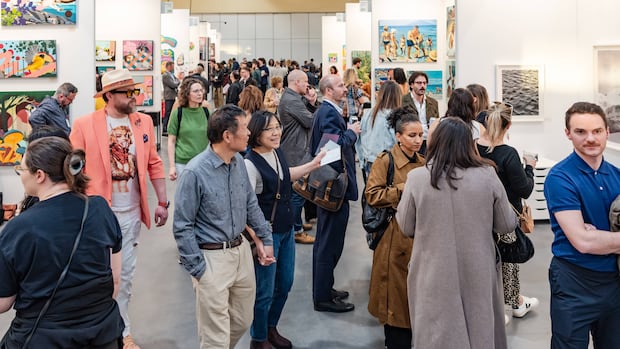
It’s spring break, and if this were a typical year, Haley Meyer would be surrounded by school kids. Meyer, a painter beginning her career, teaches art at day camps and after-school programs, but she took the week off to focus on an impending deadline. From March 26 to 29, Artist Project will be at the Enercare Centre in Toronto. It’s an annual event that gives creators the chance to sell directly to collectors, and Meyer will be there as a first-time exhibitor.
The artist has prepared a selection of new paintings for her booth: realistic scenes that touch on her experience with long COVID. The illness left her with symptoms of memory loss, and she paints from photographs of personal moments. “Since I graduated, I’ve just been working as hard as I can to make the best paintings … and get myself out there,” says Meyer, who lives in Toronto. She finished a BFA at OCAD University last spring.
Organizers of Artist Project expect roughly 17,000 visitors to attend over the run of the fair. That’s a promising proposition for someone like Meyer. If the right person is in the crowd, she could be one step closer to connecting with a gallery or collector who could advance her career. Simply having the chance to discuss her paintings with new people is an exciting prospect, she says, but still, she views the event as a sort of wager on her future.
Last year, Meyer made $5,000 selling her paintings independently, and she’s invested the entire amount into her booth. Renting the space cost her roughly $3,800 before tax; the remainder was spent on insurance and other associated costs. Financial support from her husband gave her enough of a safety net to confidently make the decision. “There’s a lot at stake, but I think it’s important,” says Meyer. “Hopefully I get some good opportunities out of it.”
The cost of independence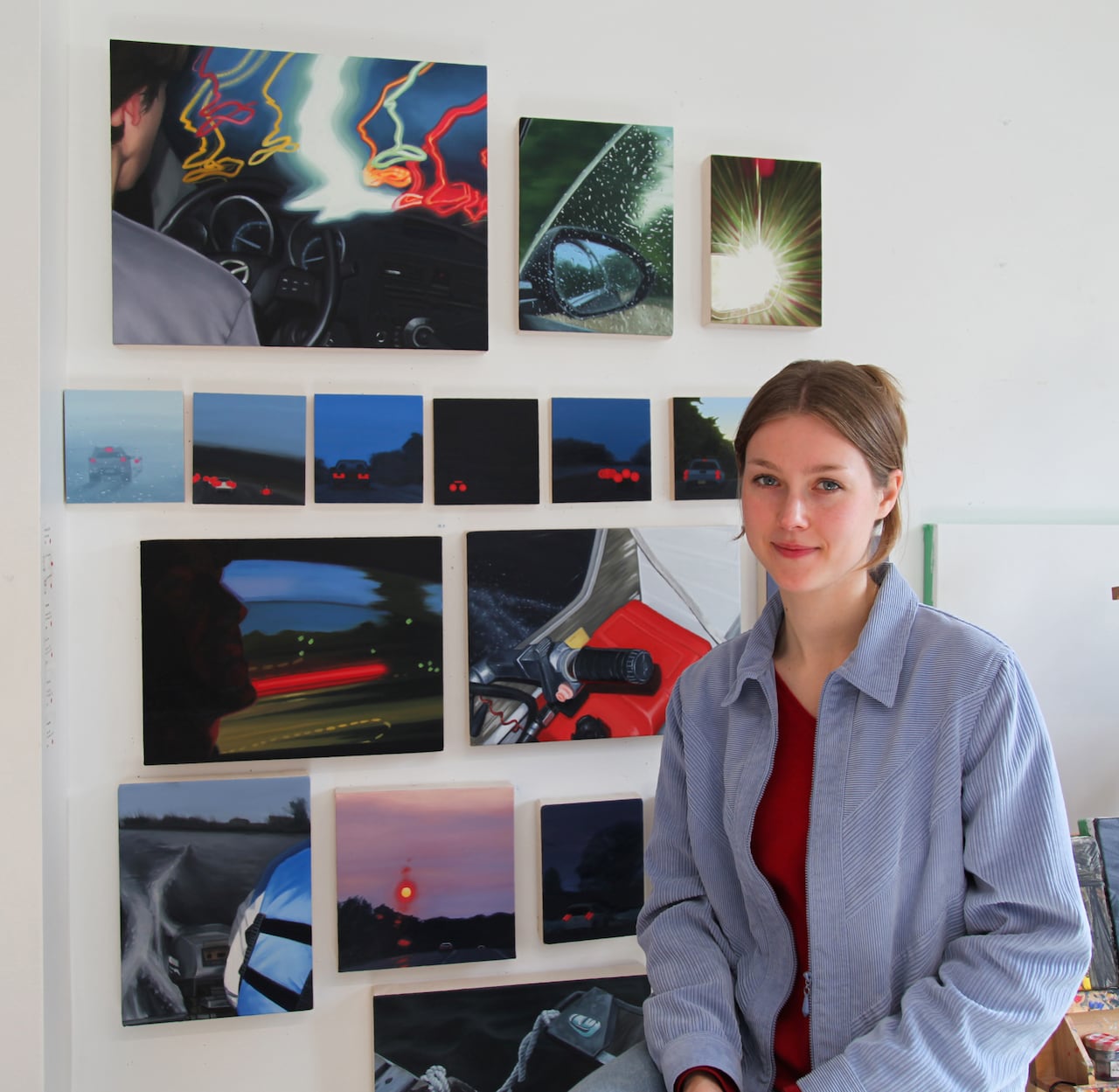 Toronto-based painter Haley Meyer is a first-time exhibitor at the 2026 edition of Artist Project. (Haley Meyer)
It’s a wish she no doubt shares with more than 250 exhibitors appearing at this year’s event. Applicants to Artist Project are selected by a jury of industry insiders, but with the exception of the fair’s Untapped section, a platform for emerging talent, participants pay to have a booth. There’s no guarantee they’ll see a financial return on their investment, but some see it as the cost of doing things their way, a premise that holds risk, reward and a heck of a lot of responsibility.
At a traditional art fair like Art Toronto, which is held in the fall, galleries represent artists. If they make a sale, they take a cut — often a 50 per cent commission. But at Artist Project, artists exhibit their own work. If a collector buys something from their booth, the profit is theirs alone.
But going that route, whether by choice or circumstance, requires months of preparation that would otherwise be shared with a team of professionals. Finn O’Hara is a Toronto-based artist who began preparing his booth six months ago. His to-do list includes a little bit of everything: framing, marketing strategy, arranging transport and delivery service.
But O’Hara, who “pays the mortgage” as a commercial photographer and director, enjoys the curatorial challenges he faces as an exhibitor. Which photographs will he bring to his booth? How many? How will they be presented? It’s a lot for one person: ensuring everything is ready before the first bottle is popped at the launch party. But that’s the price of creative freedom. “You can make this whatever opportunity you want,” he says.
‘Don’t expect to get rich off of it, but maybe look at it more as a way to market yourself’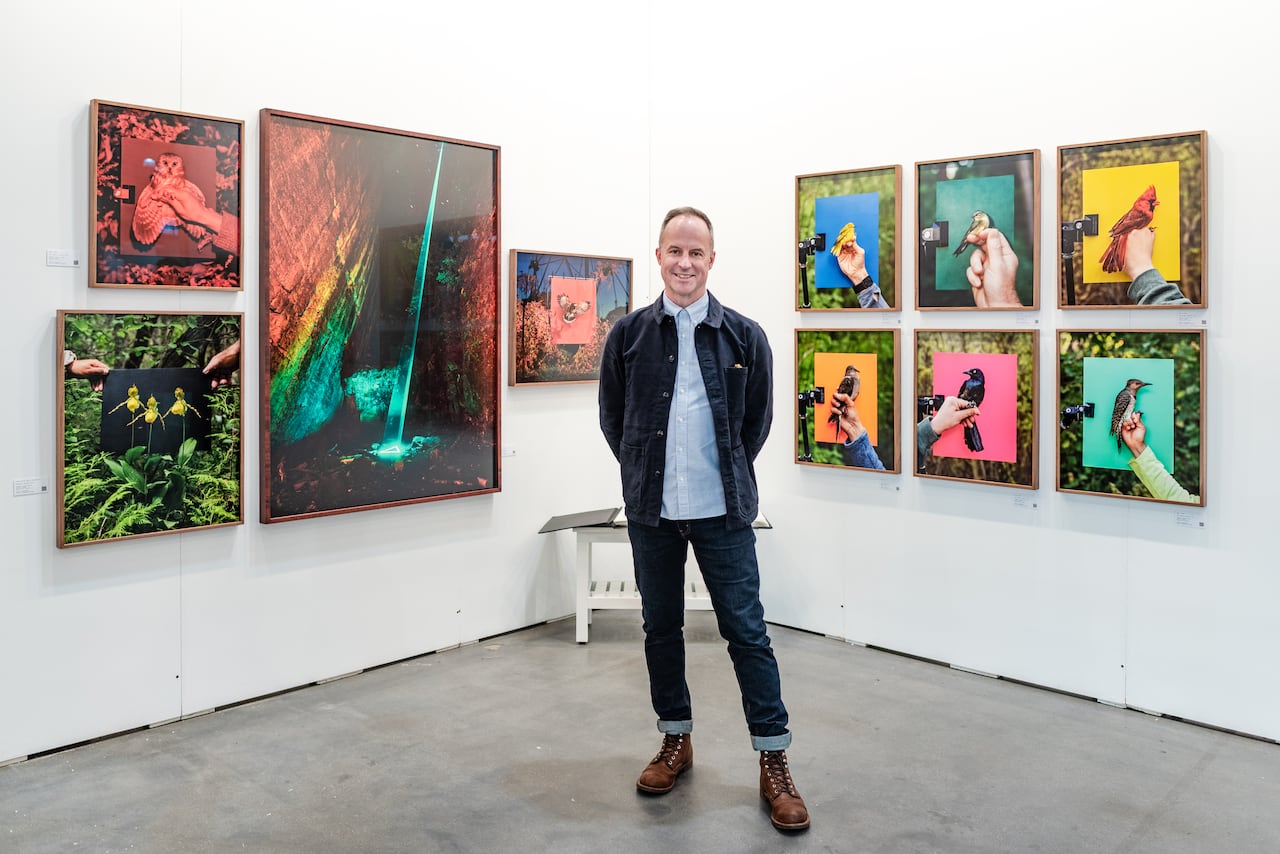 In this photo from the 2025 edition of Artist Project, Finn O’Hara appears at his fair booth. (Dmpublic)
O’Hara’s done Artist Project once before in 2025. Before he applied for a booth, he talked to colleagues who’d tried it themselves. Their advice? “Don’t expect to get rich off of it, but maybe look at it more as a way to market yourself.” At the time, a platform was exactly what he wanted.
O’Hara is not represented by a commercial gallery but he is an award-winning photographer whose work has been shown at the McMichael Canadian Art Collection and the Contact Photography Festival. Coming out of the pandemic, he experienced a “call to the wild moment” that compelled him to make art with an environmentalist spirit, and he’s continued to pursue several bodies of work which explore humanity’s connection to nature.
His striking photos have attracted attention online; in May last year, he was on Q to discuss a series that shines a light on landscapes threatened by development. Still, he says he’s struggled to find exhibition space in Toronto.
“It wasn’t like galleries were clamouring to sign me up and put [the work] up on their walls,” he says. “And so, I just looked at the opportunities for public viewing.” Artist Project felt like a solid option. There, he could essentially produce his own art show. “We’re paying to play, which is not easy,” he says. “But it’s really the best opportunity to be in a curated space.”
Like Meyer, O’Hara sees the fair as a great place to network. But exposure is an impossible thing to measure — a fuzzier metric than dollars and cents, at any rate. Miles Ingrassia has been doing Artist Project since 2020 and his earnings have varied. Sometimes, collectors buy up everything in his booth; other years, he’s been lucky to break even.
We’re paying to play, which is not easy … but it’s really the best opportunity to be in a curated space.- Finn O’Hara, artist
It’s difficult to gauge how his experience compares to the average exhibitor. According to a rep for Artist Project, the event does not record sales data and participants are not required to share that information with organizers.
For Ingrassia, who’s created 10 new oil paintings for this year’s fair, committing to Artist Project requires a significant investment of time and money, and he begins preparing a full year out, balancing his art practice with two day jobs. He works as a sessional instructor at OCAD U and also manages a local art studio.
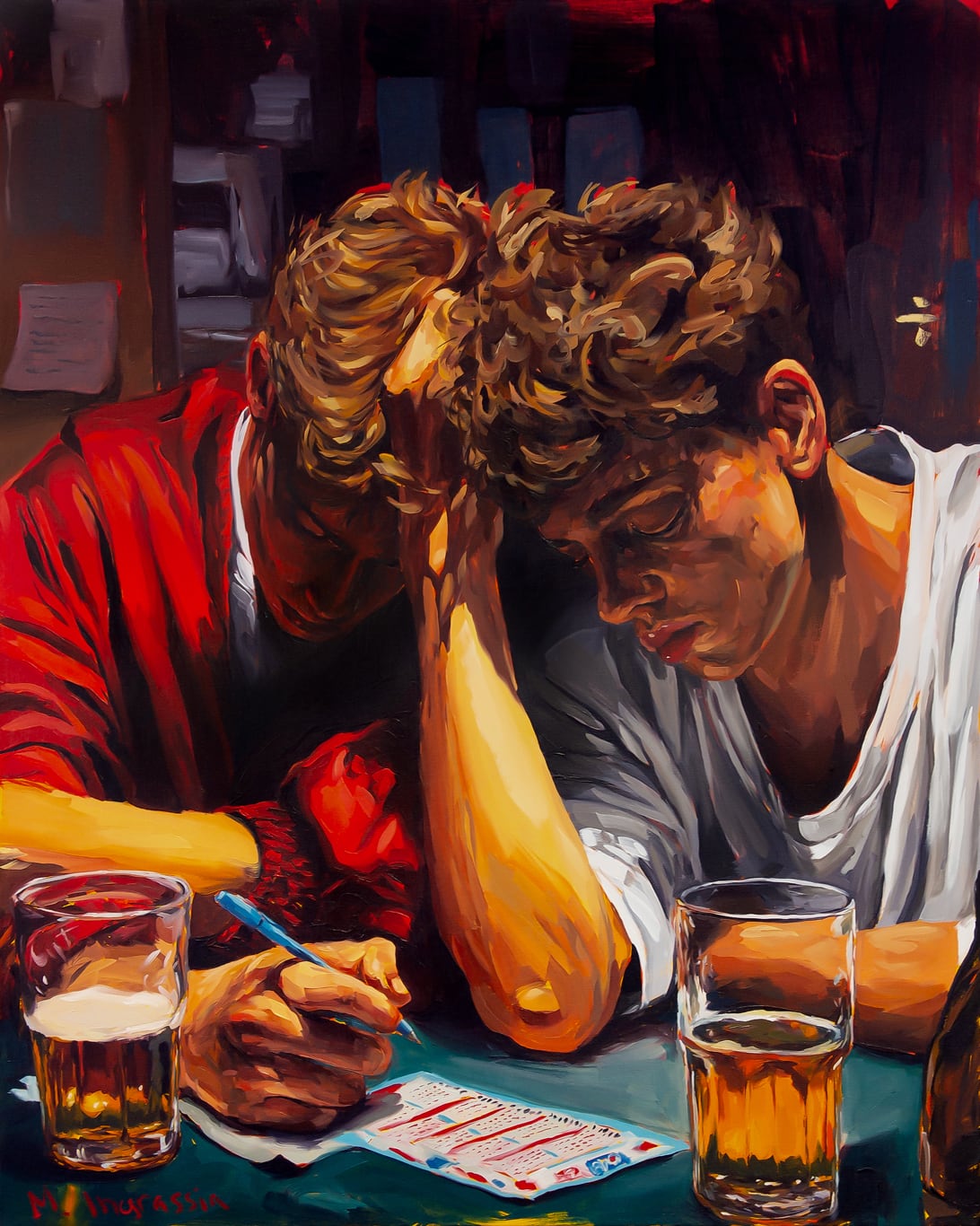 Miles Ingrassia. Easy Money, 2026. (Miles Ingrassia)
Making sales is crucial to his bottom line, but still, he says “the intangible benefit has been really positive.” For him, that means exposure. Ingrassia isn’t represented by a gallery, but he does sell artwork on consignment through Abbozzo Gallery in Toronto’s Junction neighbourhood. “If I hadn’t done shows like Artist Project, I don’t know if I would have been on [their] radar as much.”
Years ago, when Judith Geher originally applied to Artist Project, she was picturing a similar scenario for herself. “I was like, I’ll just give it a try and see how it goes,” she says. “I’m gonna do this and get picked up by a gallery and I’ll quit.” Three editions later, Geher is represented by two commercial galleries: Art Interiors in Toronto and Ashdale Gallery in Vancouver. But she’s not done with Artist Project.
If it’s all about exposure, who’s attending the fair?
If the fair can boost an artist’s visibility, then you’ve got to wonder who’s paying attention — who’s on the floor? Like Ingrassia, Geher loves chatting with people who stop at her booth, but for her, the experience has less to do with professional networking. She says the event puts her in contact with a unique audience.
During her first visit, she was energized by the conversations she was having with visitors — the folks who stopped to take a postcard or ask “why does that girl have only one eye?” These weren’t the same collectors who’d discover her vibrant gestural portraits in a gallery, she observed. “You get all kinds of people,” she says. “It’s mom, dad, kids — just going out to see something.”
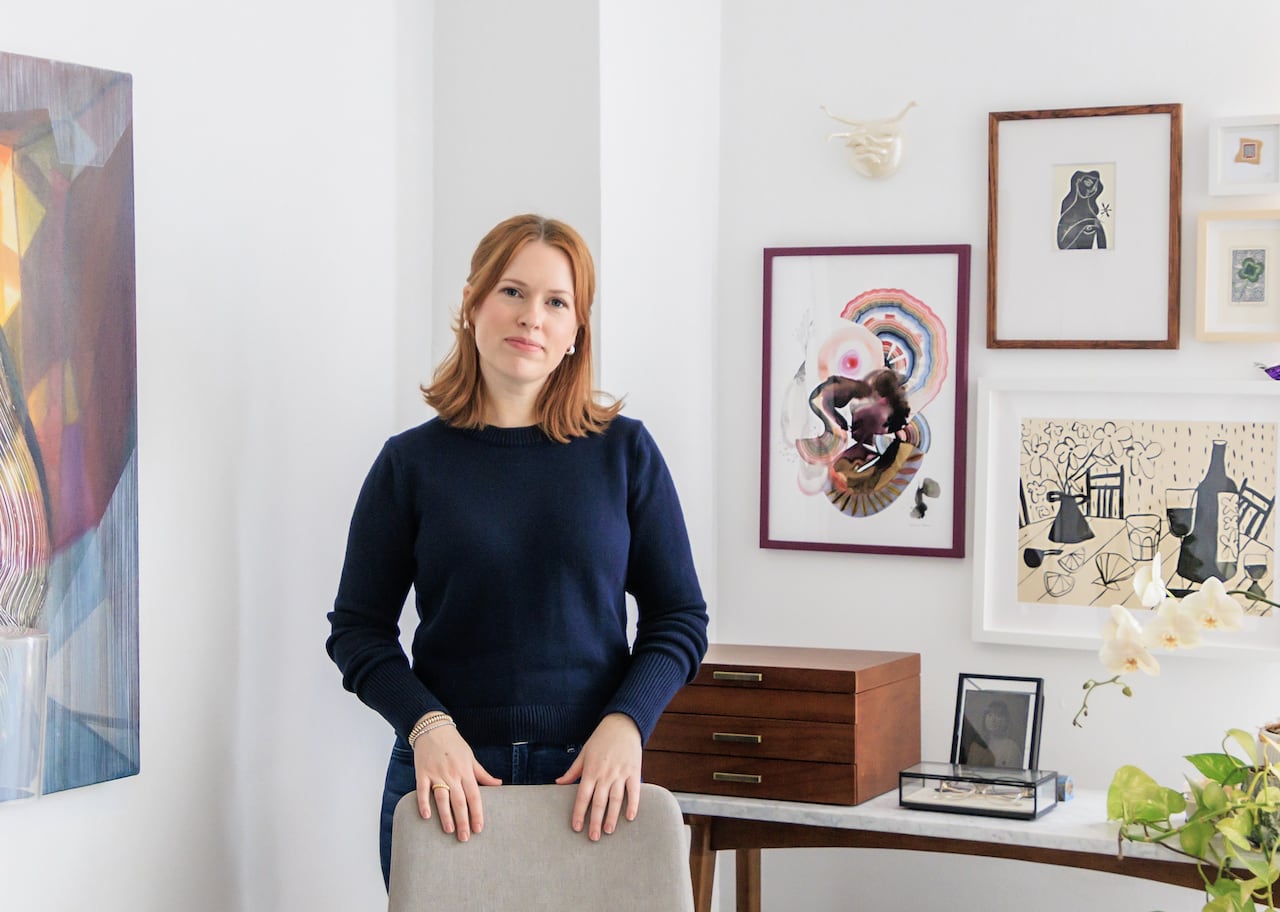 Emily-Jean Alexander was appointed director of Art Toronto and Artist Project in March 2026. (Sarah Sabo Photography)
Emily-Jean Alexander is the director of both Artist Project and Art Toronto, the city’s international art fair; both are produced by Informa Connect. Collectors and arts-and-culture insiders attend both events, she says, but generally speaking, they attract different crowds. At Artist Project, the floor is busiest on the weekend, when the “widest demographic” passes through. “So, lots of young families,” she says.
Alexander says “accessibility” is a hot topic at fairs like Artist Project where the artists are representing themselves. Many visitors feel more comfortable buying work directly from an artist, she says. It seems less intimidating than approaching a gallery. If you have a question about a painting or a photograph or a ceramic kitten with a moustache, you can have a relaxed conversation with the person who made it. “That engagement piece breaks down the barriers people have,” she says. And this year, Artist Project is hoping its public programming will attract more spontaneous visitors.
Several sporting events will be happening in and around the exhibition grounds over the weekend, including Toronto Sceptres games and a FIFA friendly match at BMO Field, and poppy, sports-inspired installations feature in the fair’s curated exhibition, The Art of the Game. “Maybe if a family is coming down to check out the PWHL game, they’ll also see that we’re happening and say, ‘Hey, you know, like, let’s go in and check that out as well,’” says Alexander. “The fair can be such a great opportunity to just discover what your own taste in art is.”
The value of connecting with first-time collectors
Geher, who also works full-time at an architectural firm, is always looking for ways to reach the “average people” like her who attend. Most visitors aren’t there to acquire one of her metre-wide canvases, so she’s begun selling her old studio sketches for $25 apiece.
Last year, she brought 60 drawings with her and went home with just three. It’s the perfect arrangement, she says. Collectors are delighted to own her original artwork, and as an added bonus, she can keep her workspace clutter-free.
Geher doesn’t do Artist Project for the sales, though; she’s content to earn back her booth fees. The fair is a complement to the business she gets through commercial galleries, though she notes she’s in a lucky position: not all artists would be free to have it both ways.
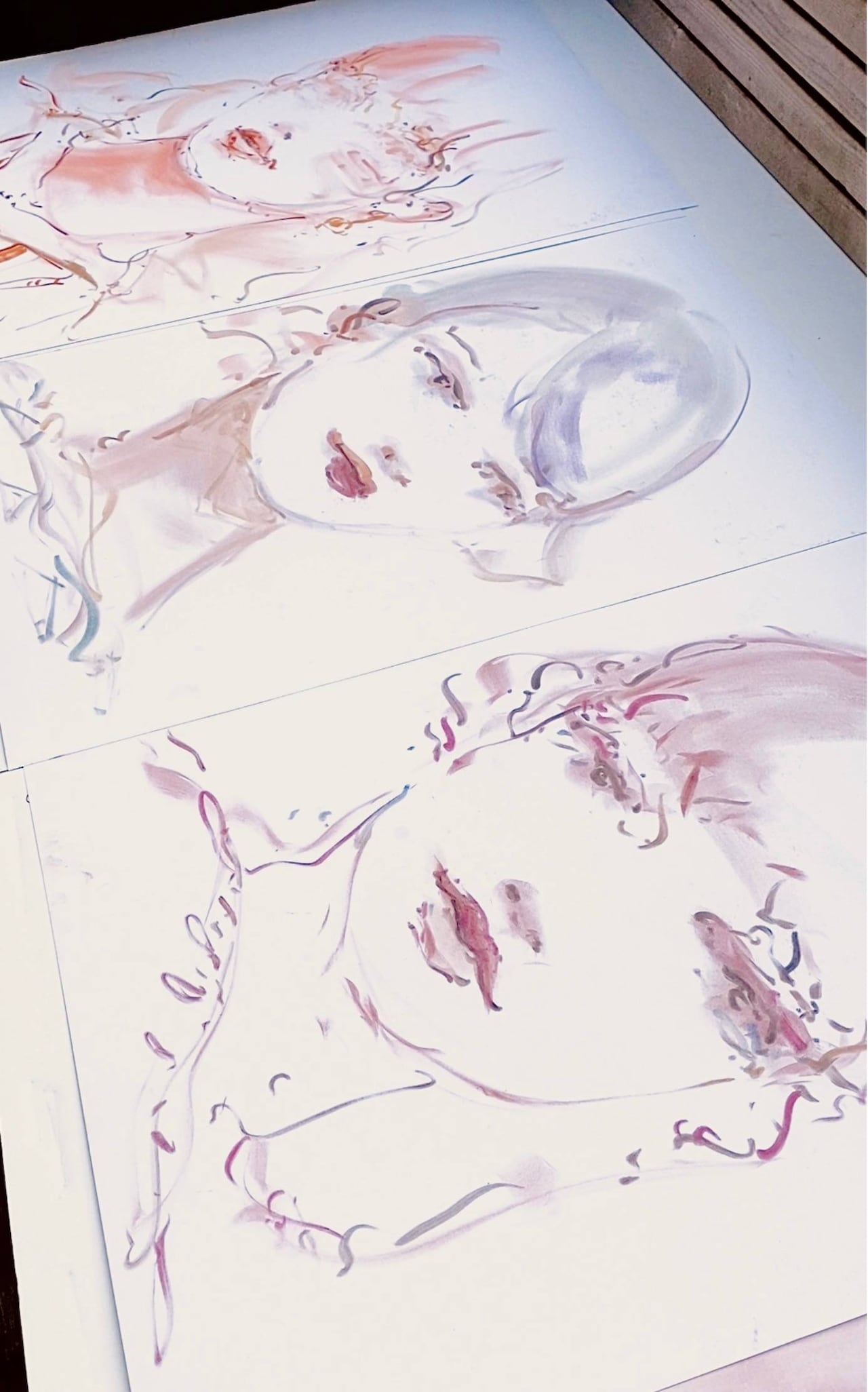 A selection of sketches by Judith Geher. (Judith Geher)
“One nice thing about something like the Artist Project is how democratized it is,” says Ingrassia, who recalls selling a painting to a family last year: first-time collectors who were in the area for a football game.
“The experience of being able to connect with a wider audience is a really interesting thing,” he says, and it’s what brings Isabella Di Sclafani to the fair all the way from Montreal.
A full-time artist, Di Sclafani isn’t represented by a gallery, but she’s been collected by celebrities including Spike Lee, Mark Ronson and Tyler the Creator.
“As long as I can get my paintings in the public eye, I tend to be able to sell them,” she says, but because she does her business online, her buyers are predominantly American. Her top goal at Artist Project is simple: reach a new audience — a Canadian one, specifically.
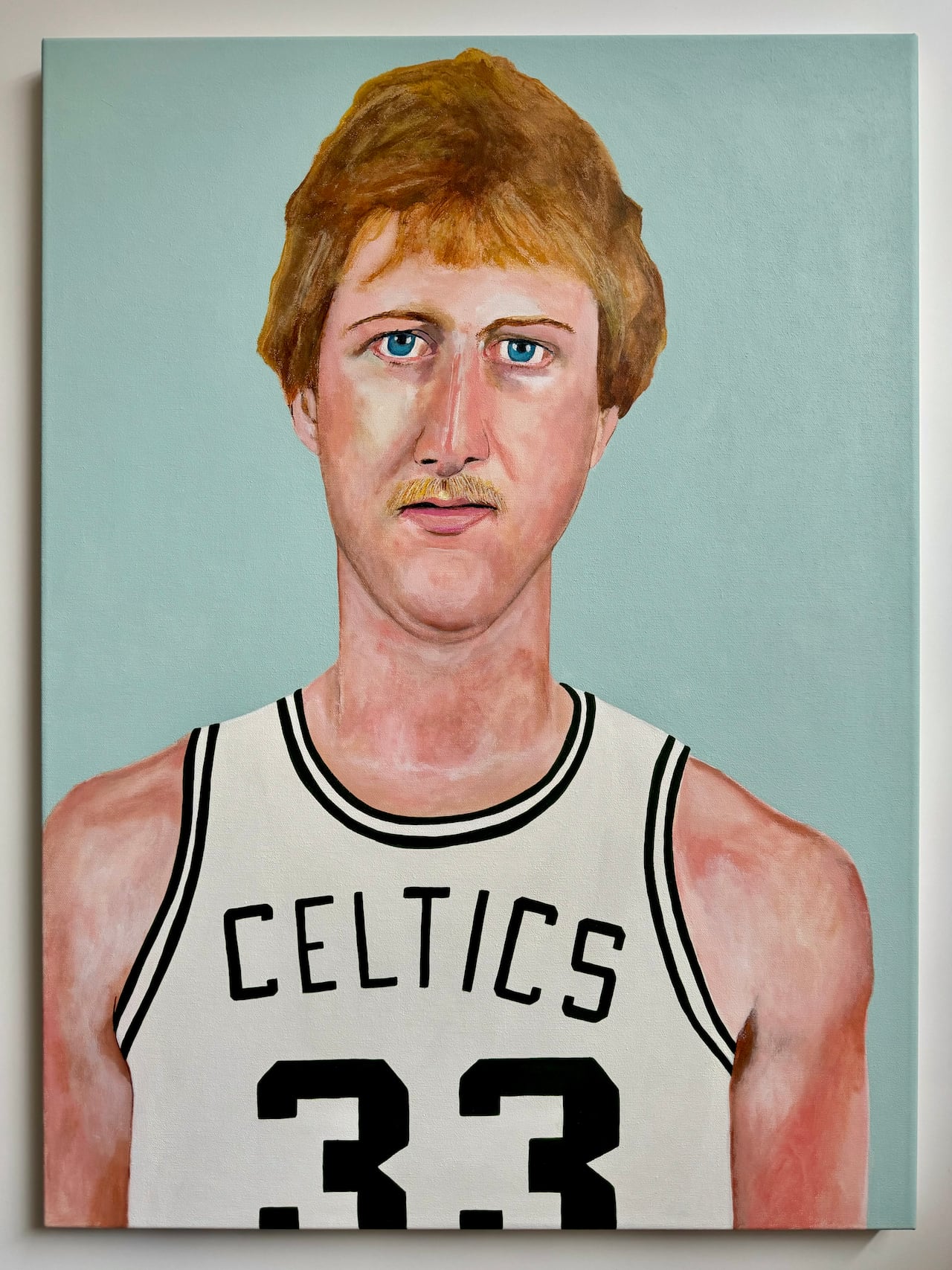 Painting of Larry Bird by Isabella Di Sclafani. (Isabella Di Sclafani)
Artist Project 2026. March 26-29 at the Enercare Centre, Toronto. www.theartistproject.com