
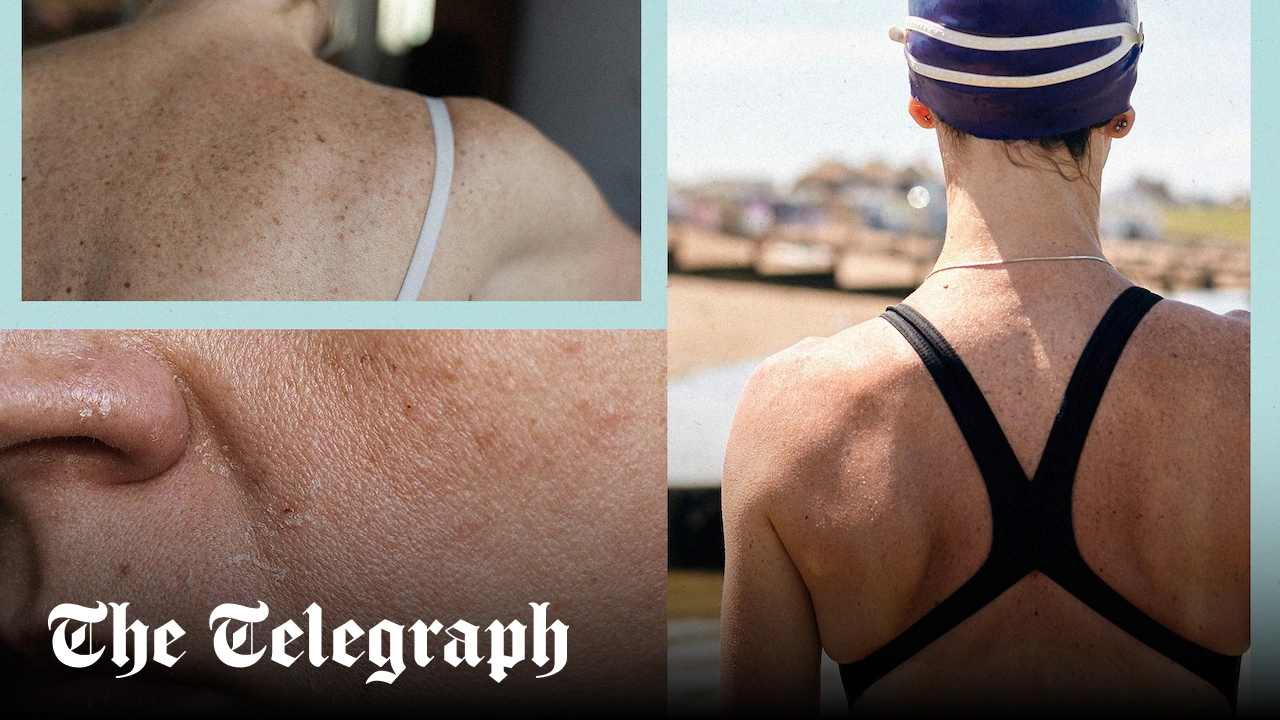
Never mind the LED masks, peptide serums and collagen supplements; we’ve always had – and always will have – exercise. However done, exercise boosts blood flow to the skin, bringing more oxygen and nutrients for a fresh-faced glow. But that’s not all. As science reveals more about the role of different exercises on skin, there are other significant benefits beyond renewed radiance.
Studies show that regular aerobic and load-bearing exercises can make skin thicker and more elastic, increasing the natural production of collagen and hyaluronic acid, explains consultant dermatologist Dr Emma Wedgeworth. Strength training “also reduces inflammation, which indirectly benefits conditions such as acne”, she continues. And – given how it preserves and improves bone density – “it is very plausible” that weighted exercises also keep the face well-supported throughout midlife and beyond. Springier skin atop stronger scaffolding? We’ll take it.
The good, however, can bring the bad. As Dr Wedgeworth notes, unwelcome visual effects of exercise are often from associated exposure, “particularly UV and pollution, which can accelerate photoaging” (when the skin ages prematurely). In addition, should it lead to significant drops in weight, or low body fat, exercise “can exacerbate facial volume loss,” she adds. But, back to the good news, with the right approach these negatives can be mitigated.
Whether you run, lift, swim or stretch, here we explain exactly what you need to know.
Runner’s face
(A leaner look, dehydration lines, pigment spots)