
 7 min read
Featured individuals were compensated for their time.
HIV, THE HUMAN IMMUNODEFICIENCY VIRUS, which without treatment can lead to AIDS, may have seemed to fade into the background over the years, but it’s never gone away. More than 39,000 Americans were diagnosed with HIV in 2023, according to the Centers for Disease Control’s most recent update. Over 80 percent of those patients were men, and 66 percent of cases were attributed to male-to-male sexual contact. While HIV is preventable, it remains a reality for many people.
There are more ways to help prevent HIV transmission than ever. One way is with pre-exposure prophylaxis (PrEP), a prescription medication taken before exposure to HIV that can help lower the risk of HIV infection through sex by 99 percent when taken as prescribed. Available in either pill or long-acting injectable form, PrEP can help protect you against HIV. PrEP does not protect against other sexually transmitted infections (STIs), so condoms and regular testing remain important parts of sexual health.
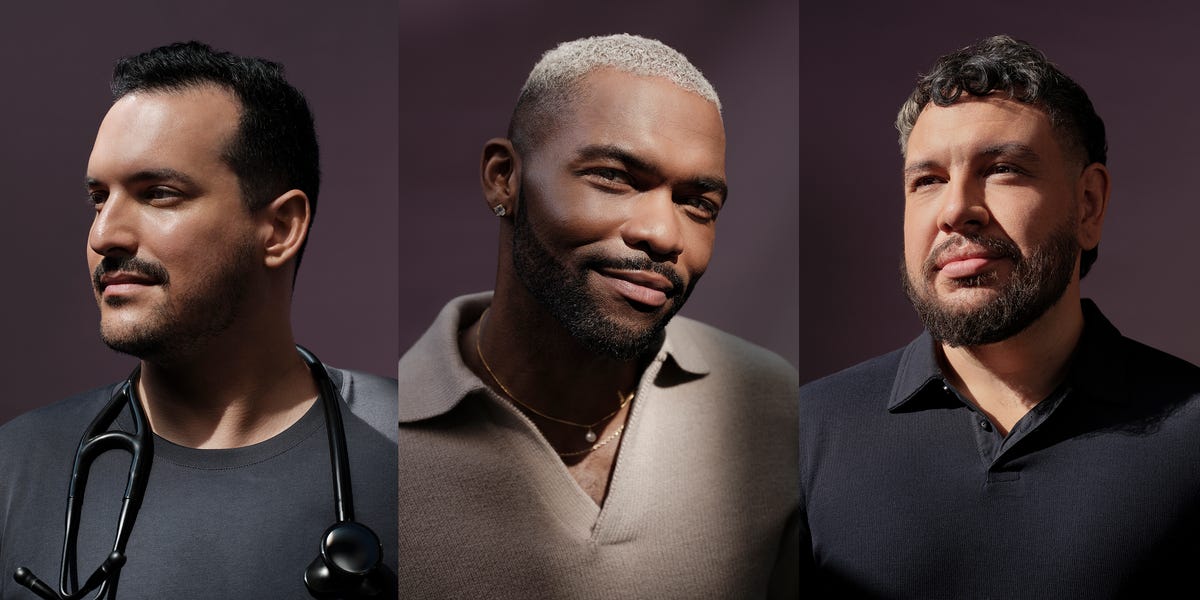
We spoke with three gay men who actively open up about sex and dating. Here, they share their insights and perspectives about why protecting yourself against HIV matters, break down the latest HIV prevention options (with a spotlight on PrEP), and explain how these HIV prevention options have evolved over the years.
Meet Our Panelists
Jack O’Brien, DO, a doctor of family medicine and HIV specialist in West Hollywood, CA.
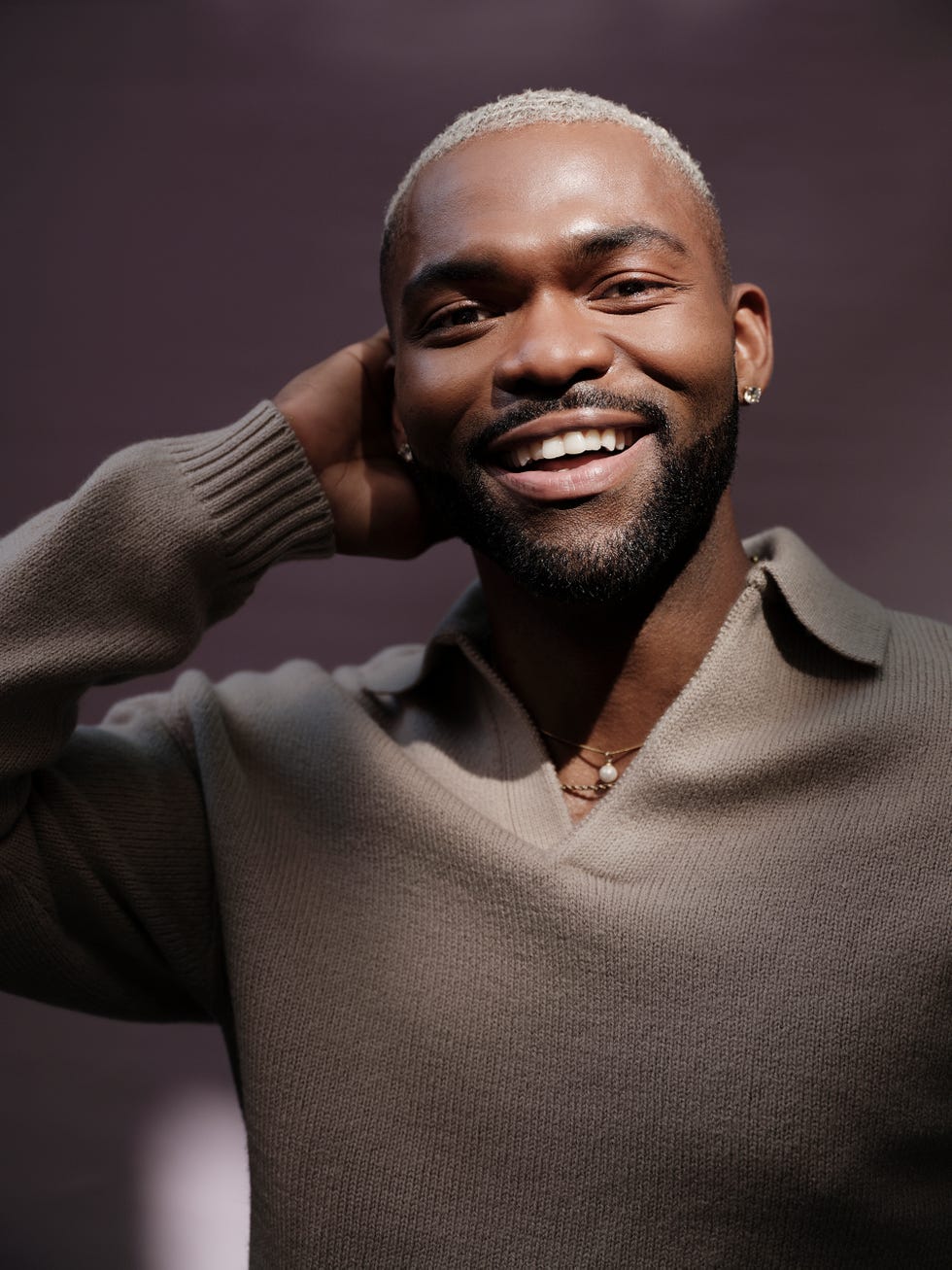
John Paul Brammer, an author and illustrator in New York City.
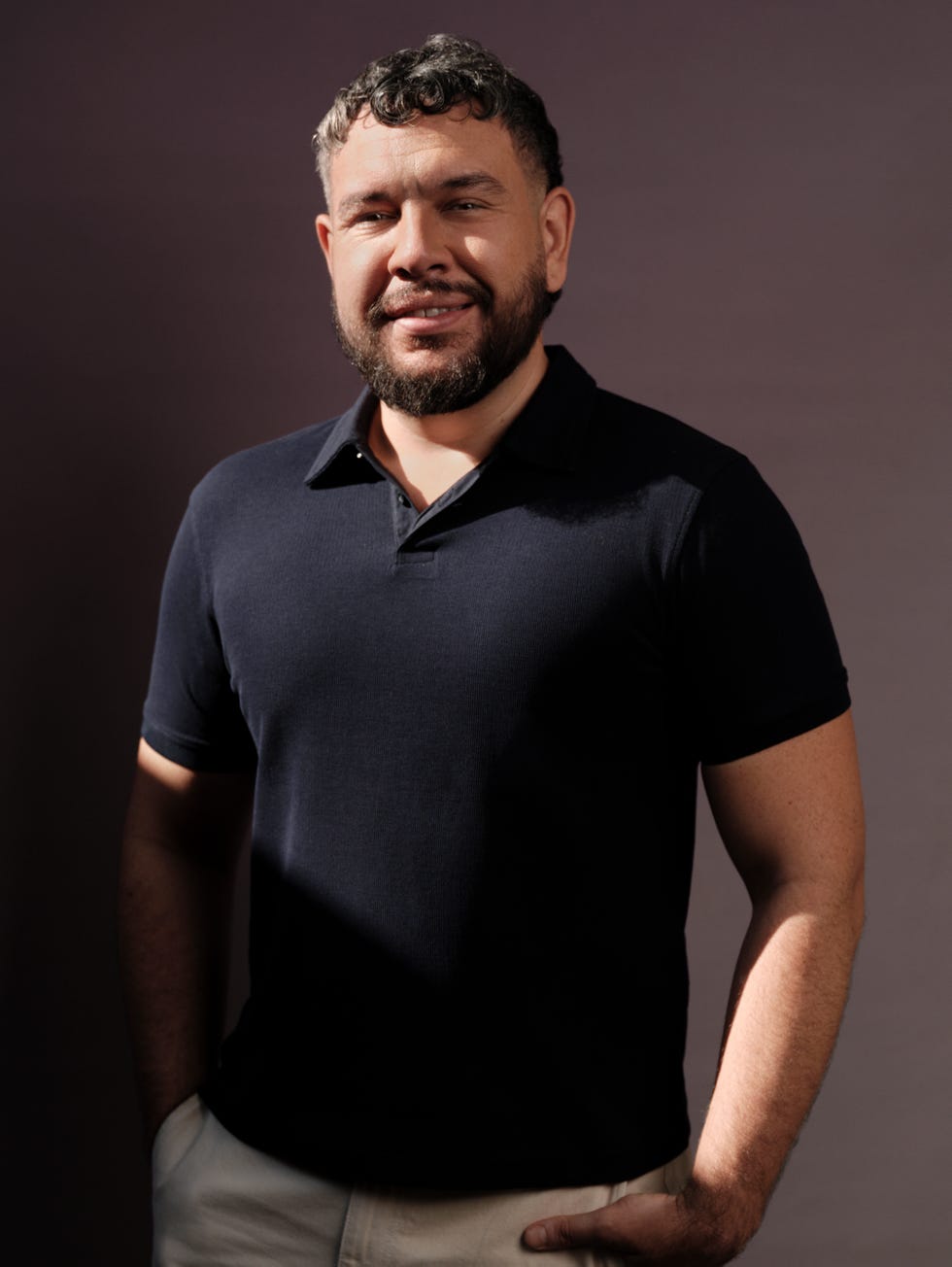
Ariel Padilla, an indoor-cycling instructor in New York City.
MEN’S HEALTH (MH): How do you think your attitude has personally evolved over the years regarding protecting yourself from HIV?
DR. O’BRIEN: Right after I came out, my parents met me with love and acceptance but also concern. Their concerns for my safety were rooted in the realities of the time and influenced how I navigated relationships early on. But medicine has evolved, and so have I.
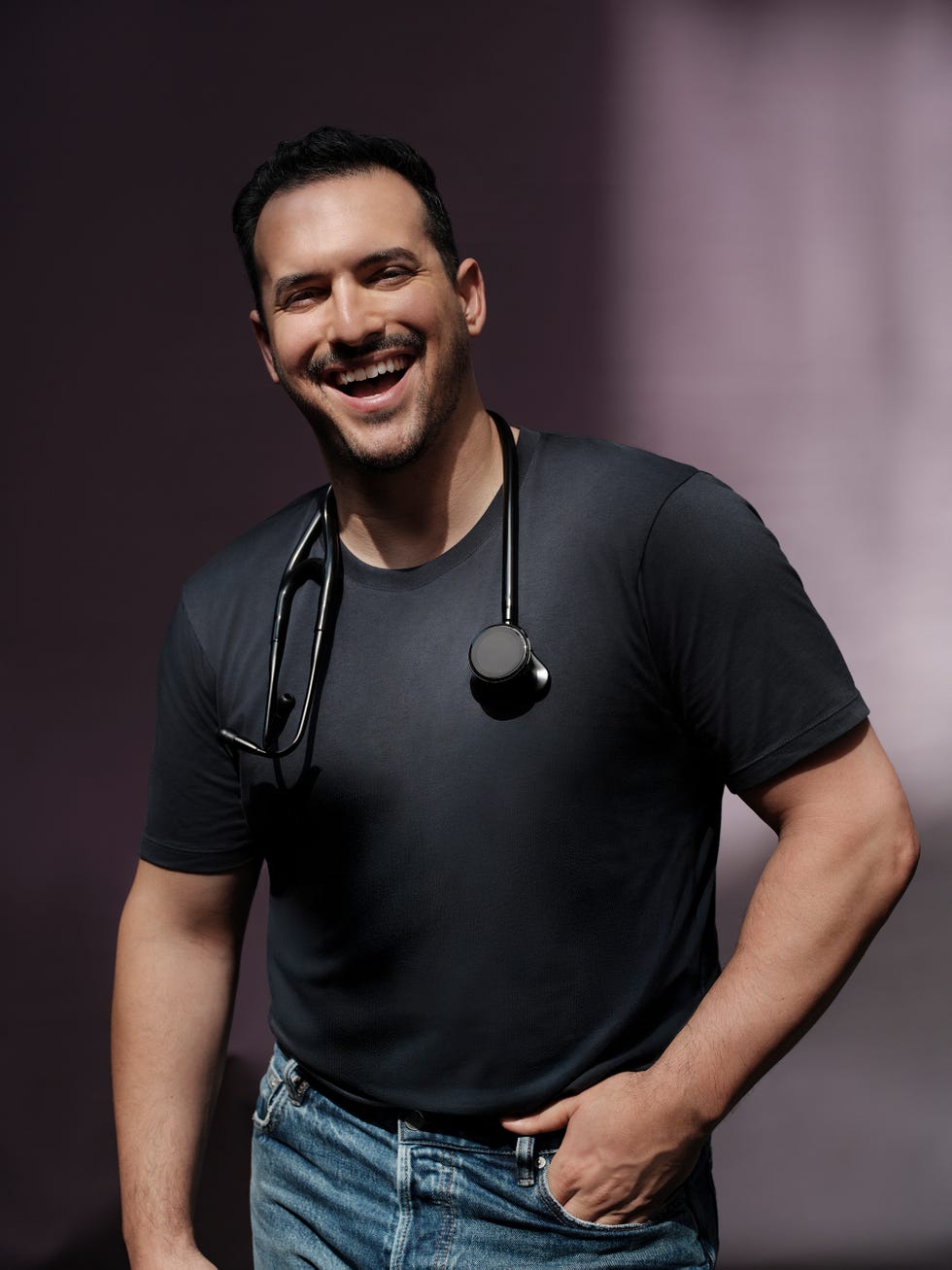
The approval of PrEP as a HIV prevention option has changed everything about how I and everyone around me approach HIV prevention. I protect myself first. I have open conversations with others, and I get to support others by providing PrEP access.
BRAMMER: It’s completely changed ever since [PrEP] medication became available. I didn’t come out until I was in college. I remember an era where prevention was centered only on condoms. When HIV prevention options like PrEP became available, I was optimistic, but nonetheless skeptical. It took a lot of education and a lot of conversations to really understand what preventing HIV with medication could look like.
PADILLA: I was in an eight-year monogamous relationship, and PrEP came to be while I was with that person. At the time I thought, “Why would I need to be protected? I have a boyfriend, I have a partner.”
After my relationship ended, I was a single person in New York as an adult, and dating again. I’d heard of PrEP but until this point had never viewed it as an essential piece of my sexual health. As I learned more about my HIV prevention options and talked with my healthcare provider, I realized being proactive about HIV prevention gave me a lot of peace of mind. When you have multiple partners and don’t protect yourself, it’s the same as keeping a secret.
If you are HIV negative and having sex, you should talk to your healthcare provider about HIV prevention options like PrEP.
 MH: What made you start the conversation with your healthcare provider about PrEP?
BRAMMER: I was 21 when I first was tested for HIV and I was with my then-boyfriend. We didn’t really care that much for each other, but there we were sitting in that doctor’s office holding hands, because they’re testing you for this thing that could change your life. You’re just a few words away from your daily life potentially being completely different.
I was told that I was HIV negative, and I thought, “I don’t want to be this vulnerable. What can I do?” And obviously, knowledge is the way that you get over having this concern. That started me on this journey toward, “I don’t want to navigate based on vibes anymore. I want science. I want facts. What’s available for me?” And through that, I arrived working with my healthcare provider to start on PrEP.
DR. O’BRIEN: I had this false sense of security in monogamous relationships until I was cheated on during one of my relationships. Then, when I was married, I engaged in unprotected sex with someone who wasn’t my husband. I went to the emergency room right after to get post-exposure prophylaxis. The situation made me think: why don’t I just take PrEP? That just seems to make sense. That’s why I talked to my healthcare provider about PrEP.
PADILLA: I recently got back on PrEP. I was sick for a long time. I was worried that maybe I had contracted HIV. I was HIV negative; it wound up being a gnarly sinus infection. The doctor and the nurse I saw were both gay men, and what was beautiful about this is that it led to the conversation about, “Are you on PrEP?” And I was like, “I’m not.” The doctor set me up right in that office, and then I got the medication two days later.
MH: Because people can now live long-term with HIV, do you think they may not be inclined to use PrEP?
DR. O’BRIEN: I think so. The younger generation is so unaware of how devastating HIV was in the queer community in the 80s and 90s. Being able to take care of people in their 50s, 60s, 70s, 80s, and 90s that are living with HIV and the stories that they get to tell me—they helped save my life. Understanding that history matters. It reminds us why HIV prevention is so important.
BRAMMER: I do think that’s possible. When I came out in 2011, progress felt inevitable. We got same-sex marriage, and the White House was lit up in rainbow colors, and I thought, everything’s just going to keep getting better. Because HIV treatment has evolved so much, it can sometimes feel like less of an urgent issue. But, as you get older, you learn that progress is not guaranteed. Knowing that is what really made me more committed to talking to people in my community and seeing where they come from—seeing what life was like before I came out. That is what convinced me I needed to start protecting myself.
 MH: What advice would you give other men about the importance of protecting themselves against HIV?
PADILLA: We have to change the way that we approach talking about HIV. Ask questions. Seek out a healthcare provider who understands your experience. Healthcare is a service that we work hard for in this country. If you don’t like going to your healthcare provider because you don’t like them, go find a new one.
BRAMMER: Get tested and learn the facts. Understanding how HIV prevention works gives you the knowledge you need to have informed conversations with your healthcare provider.
DR. O’BRIEN: If someone is sexually active or unsure of a partner’s status, I encourage them to get tested. With today’s tools, HIV prevention can be highly effective when care is accessible and individualized.
Talk to your healthcare provider to learn more about HIV prevention options, like PrEP, and visit HealthySexual.com.What You Should Know About PrEP
By Maria Masters
PrEP, which stands for pre-exposure prophylaxis, is a prescription medication taken before exposure to HIV that can help lower the risk of HIV infection through sex by 99 percent when taken as prescribed.
“PrEP has really evolved in terms of the multiple options offered to people, including the longer-acting choices as well,” says Namrata Shah, MD, an infectious disease physician in Washington DC and co-author of a study published on the latest PrEP offerings in The New England Journal of Medicine.
You’re more at risk for HIV if you have unprotected sex with one or many people, have a partner who currently has HIV, or have been diagnosed with a sexually transmitted infection within the past six months. While 71 percent of new HIV infections occur in gay or bisexual men, according to data from the Centers of Disease Control and Prevention, anyone sexually active can get HIV. “A lot of people don’t know the [health status] of their sexual partners,” says Dr. Shah. “Anyone who is HIV negative and sexually active should talk to their healthcare provider about PrEP.”
The problem, she says, is that many people don’t feel comfortable talking to their doctor about HIV, including prevention—and that doctors, too, don’t feel comfortable bringing up the subject. Data shows that there are more than 39,000 new HIV infections in the U.S., evidence that “we’re still falling short,” says Dr. Shah.
While PrEP can be an important tool in HIV prevention, she says, research shows that people usually only stick to it for about three months. “A lot of people will not take a daily oral pill because they’re not able to carry it in their pocket every day, or store pills at home…where they have privacy concerns or unstable housing,” says Dr. Shah.
That’s where longer-acting injections can come in—they can help provide protection against HIV, without the burden of taking a pill every day. While both oral PrEP medications and injections are about 99 percent effective at preventing HIV through sex, they need to be taken as prescribed for them to work.
The best PrEP option for a person is the one that they will take as prescribed, says Dr. Shah. “And the more preventative options we have for people, the more likely we may be to reach them.” The first step to finding an option for you, though, is to bring up the subject with your doctor without shame or guilt. Once people see the benefits of talking to their healthcare provider about their sexual health and learning about options for HIV prevention like PrEP, she says, “they may feel a sense of empowerment because they made the right choice for their health.”
Photographer: Celeste Sloman
Set Designer: Elisia Mirabelli
Groomer: Tracy Alfajora
Stylist: Liz McClean
Art Director: Arminé Altiparmakian
Creative Producer: Camryn DeCosta
Talent Director: Mariano Restrepo
Editor: Carey Rossi

Lisa is an internationally established health writer whose credits include Good Housekeeping, Prevention, Men’s Health, Oprah Daily, Woman’s Day, Elle, Cosmopolitan, Harper’s Bazaar, Esquire, Glamour, The Washington Post, WebMD, Medscape, The Los Angeles Times, Parade, Health, Self, Family Circle and Seventeen. She is the author of eight best-selling books, including The Essentials of Theater.