
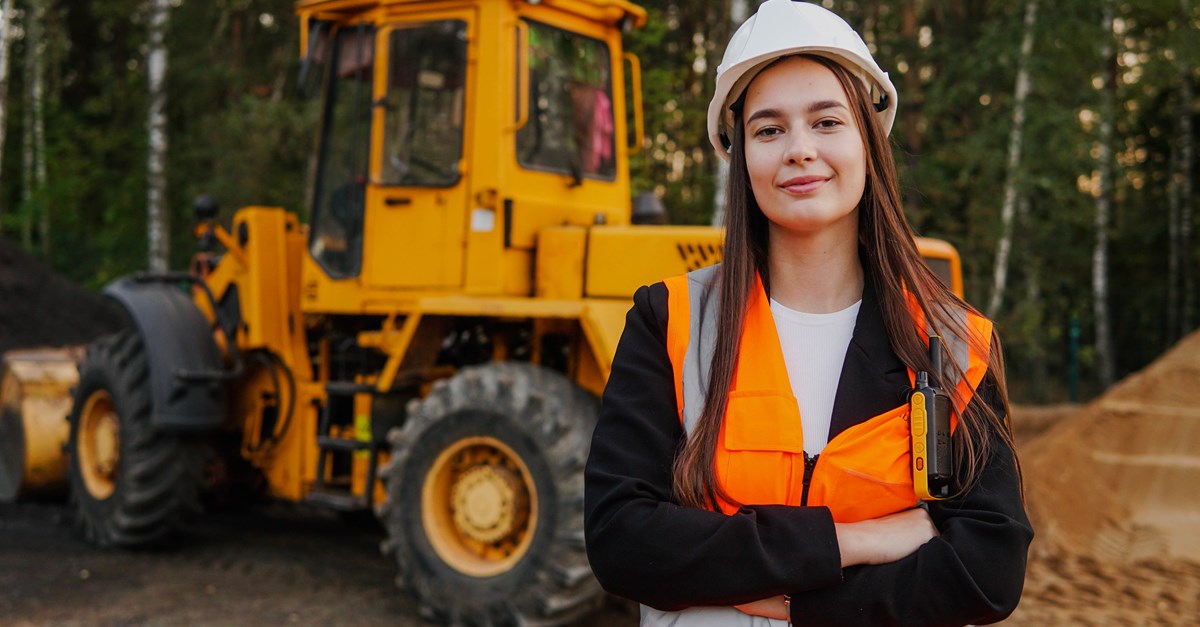
Practical steps such as limiting noise exposure, adjusting work duties and providing safe spaces for milk expression are effective ways to protect pregnant and breastfeeding women in the workplace. Courtesy of Adobe Stock.
Workplace safety standards in mining often overlook the needs of pregnant and breastfeeding workers, putting both employees and their children at risk.
In the latest episode of the CIM Health & Safety Society’s Safety Share webinar series, held March 19, Courtney Gendron, lead health, safety and environment consultant at WSP, shared the challenges she has faced in assessing risks for women in mining.
With a background in industrial hygiene, Gendron explained that limited data on hazards affecting pregnant and breastfeeding workers, combined with the reliance on the “reference man”—a standard based on a young, healthy, Caucasian male—makes it difficult to ensure appropriate protection and safety for women in mining.
Pregnant women deviate from this standard, with changes such as elevated heart rate, altered metabolism and immune function, and increased respiratory depth. Gendron added that biological sex differences can also affect susceptibility to diseases, as well as their diagnosis and treatment.
She emphasized the importance of including women in research, especially in male-dominated industries like mining, where women have historically been excluded and study opportunities are limited.
“Even if there’s only an opportunity to include a few women, [we should] do so and disaggregate the results by sex,” Gendron said. “If we can compile reviews going forward, we can use the data from different studies and come up with the difference in how they might apply to men and women.” Understanding reproductive hazards
Gendron highlighted some different types of reproductive hazards—agents that can adversely affect the reproductive health of women and men and/or negatively impact fetal growth and development. These include teratogens (agents that interfere with normal fetal development and can cause birth defects), mutagens (agents that can damage DNA), and carcinogens (agents that can cause cancer, which may also affect rapidly dividing fetal cells). Some examples of the most common hazards found on mine sites include noise, heat stress, whole-body vibration and lead exposure.
One example Gendron honed in on was noise, noting that low-frequency or sudden loud sounds can affect fetal development, potentially causing hearing loss and low birth weight, while increasing pregnancy-induced hypertension in mothers. To reduce these risks, after the fifth month of pregnancy, mothers should avoid continuous exposure (over eight hours) to 115 decibels or peak exposures of 155 decibels.
Gendron advised consulting the safety data sheets, which are part of the Workplace Hazardous Materials Information System (WHMIS), and reviewing health hazard classes for substances labelled as reproductive toxins, germ cell mutagens, or carcinogens.
“This is a really good step to do before you even have a pregnant or breastfeeding woman on site,” she said. She added that keeping a comprehensive list of all hazards on hand can help designate risks and help companies to “be ahead of the game and proactive about making your workers aware, but also as a health and safety professional, you’ll be aware where your reproductive hazards lie.”
Two key resources Gendron recommended for learning more about reproductive hazards include the “Guide to Healthy Pregnancies in the Mining Workplace” from Laurentian University and Workplace Safety North, as well as the U.S. National Institute of Occupational Safety and Health’s webpage about reproductive health in the workplace. Support for employees
Gendron noted that, for many women in mining, workplace culture around pregnancy remains a significant challenge, including discriminatory bias that can affect career advancement. She added that expectations around parental leave, particularly for women who wish to take more leave than what the company policy allocates, can further influence how they are assigned to projects or roles.
Given these challenges, she emphasized that careful planning and early consultation with healthcare providers and on-site medical services can help women manage both their health and work responsibilities. While the timing of pregnancy disclosure to an employer is ultimately a personal decision, Gendron recommended discussing job duties and potential exposures early, especially during rapid fetal development or even prior to conception, to take precautions and prepare for possible complications such as miscarriage.
Protective reassignment, which involves the temporary adjustment of a worker’s duties or placement to minimize exposure to workplace hazards, can be an important form of support. Gendron noted that when workers inform their employer that they are pregnant or nursing, they can work together to explore options and make reasonable adjustments to duties to ensure safety for both parent and child.
For breastfeeding women working on-site, an essential accommodation would involve providing a flexible schedule for pumping and a safe, convenient place to store breast milk.
Gendron emphasized that parental leave policies also have a major impact on retaining women in mining, highlighting the importance of adequate paid leave and the value of encouraging paternity leave as an equally supported option.
“[Paternity leave] is actually really important because whenever the non-birthing parent stays home with the child, it really helps with the division of unpaid labour,” Gendron explained. “A lot of the time, if that happens, they can help a lot more with household chores and unpaid childcare”
Other forms of support for pregnant and breastfeeding workers could involve providing training and awareness at every organizational level, ensuring access to appropriate facilities and personal protective equipment, and having leadership actively support and promote discussions about reproductive health and safety in the workplace.
A recording of the webinar is available on CIM’s YouTube channel.