
 8 min read
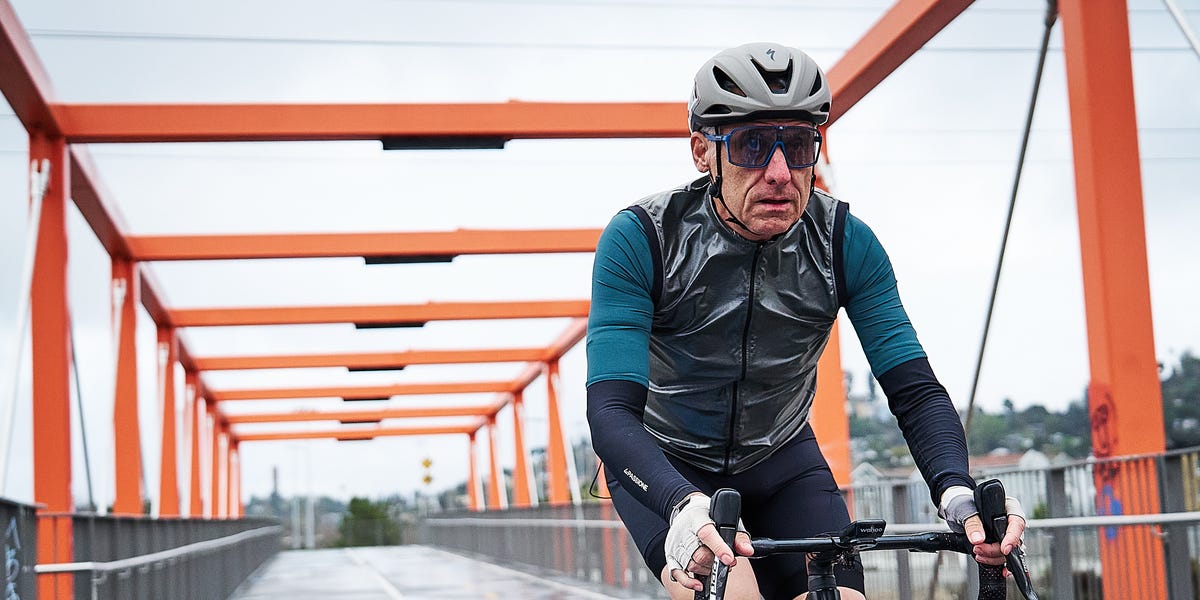
Like many of you, I’m over 50. I’m 53 as I write this. For nearly my entire life, riding bikes has been my main passion. My dad raced, and I got involved early on. Through a bit of luck, the thing I love most became my career: working at Bicycling Magazine.
But I’m not the same rider I was at 14, or even at 22 when I started this job.
My body has changed with age, though not as dramatically as I once expected. At least not yet. I can’t access the same depths of strength, and I don’t bounce back as quickly, even though I’m more thoughtful about recovery. These days, I actually think about what I do after a ride so the next one can be just as good.
But the biggest shift isn’t physical. It’s mental.
Not because I’m old and decrepit, but because I’m experienced enough to know that gritting my teeth through avoidable discomfort is stupid. These days I lean into the simple pleasures of riding, not the need to turn every outing into “training.”
I still like going fast. I just don’t need it to hurt for no reason.
And that’s changed how I think about gear. There’s a lot out there that can make riding less hard. Once you start thinking that way, the right upgrades stop feeling like indulgence and start feeling like common sense.
Here are the ones I’ve come to appreciate most in my 50s.
Want more great 50-plus cycling content? Check out our amazing How to Ride Strong at 50+ program.
Bryan Banducci
Know What’s Coming
This is one of those upgrades that doesn’t make you faster, but it makes riding feel better almost immediately.
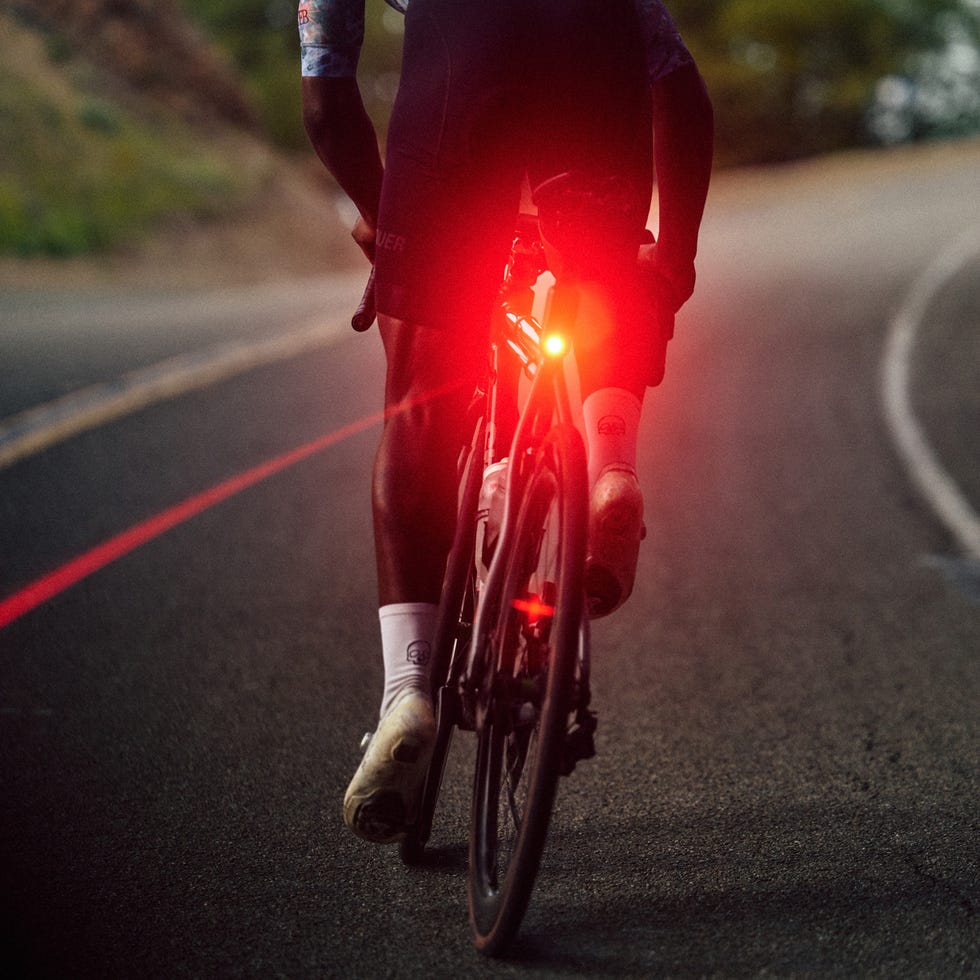
A rear-facing radar takes a lot of the guesswork out of riding on open roads. Instead of constantly checking over your shoulder or listening for approaching cars, you know what’s coming and when. It’s not about eliminating risk; it’s about reducing surprises, and that alone makes a ride feel a lot less stressful.
Don’t just take this old guy’s word for it; my young and very fast racer colleague, Trevor Raab, wrote a very thoughtful piece about why he converted to riding with a radar that you should read.
Related Story
That matters more now than it used to. I don’t have the same tolerance for tension and second-guessing in traffic, and I don’t like the anxiety of riding hyper-alert all the time. I’d rather spend that energy enjoying the ride.
My favorites are the Trek CarBack and Garmin Varia RTL515. Both give you clear, reliable awareness of what’s behind you without adding much fuss.
If you don’t want another thing to charge, a good bar-end mirror gets you much of the same benefit. It’s simple, always there, and once you get used to it, hard to give up. Two of the most elegant options come from Spurcycle and Berthoud.
Either way, it’s a small change that makes riding feel more controlled, more relaxed, and ultimately more enjoyable.
Trevor Raab
Kill the Buzz
When it’s warm enough, I ride without gloves. Not only does it keep my hands cooler, I also find it’s almost always more comfortable than wearing gloves.
No pinching, no seam rubbing, no bulky palms. And over the years, I’ve never found a padded glove that actually delivers more comfort or less numbness. In fact, I’m more prone to numbness with gloves than without.
Related Story
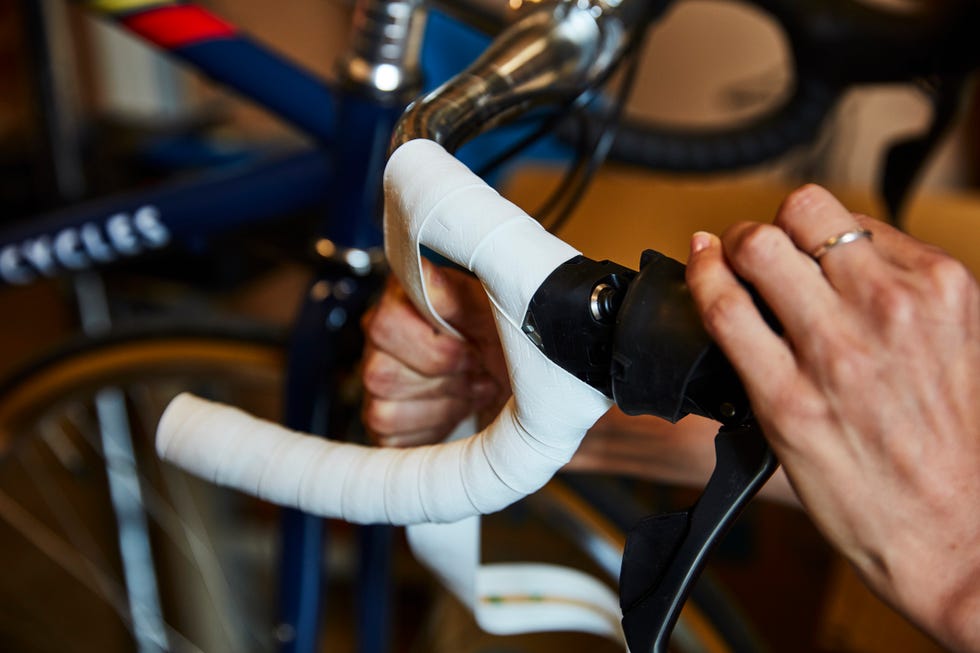
What does help is good bar tape. It cuts down on buzz and sting, which makes a noticeable difference over longer rides.
Two of my favorites are Silca’s Nastro Piloti and Wolf Tooth’s Supple Light. Both are thinner tapes, which I prefer, though I admittedly have small hands. Despite that, they do an excellent job of muting vibration and staying tacky in rain or sweat.
Matt Phillips
Give Your Feet Room
Up until recently, my feet were narrow and low volume. I had no problem fitting into the narrowest race shoes. But like many riders in their 50s, my feet have gotten a bit longer and noticeably wider.
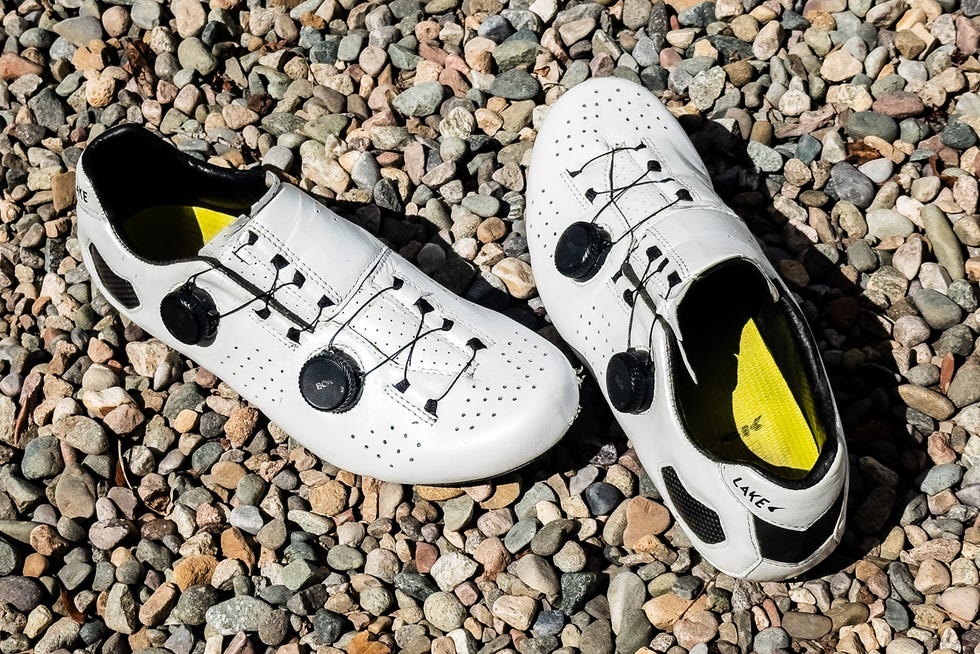
Moving to a roomier toebox has made a big difference in comfort. Less pressure, fewer hot spots, and better circulation over longer rides.
Related Story
Many brands, like Shimano and Specialized, offer a wide range of options, though they can be limited. Lake and Bont are the champions of wide, with multiple width options and heat-moldable designs that might better accommodate your well-worn feet.
If your feet are spreading, this is one of the simplest ways to improve your whole ride.
Trevor Raab
Go Wide, Ride Better
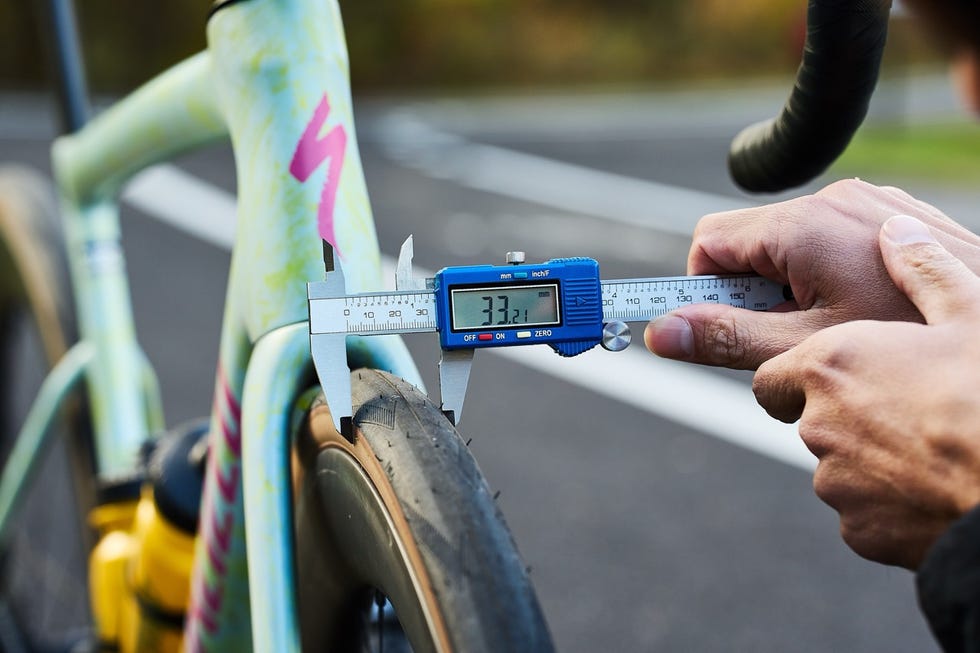
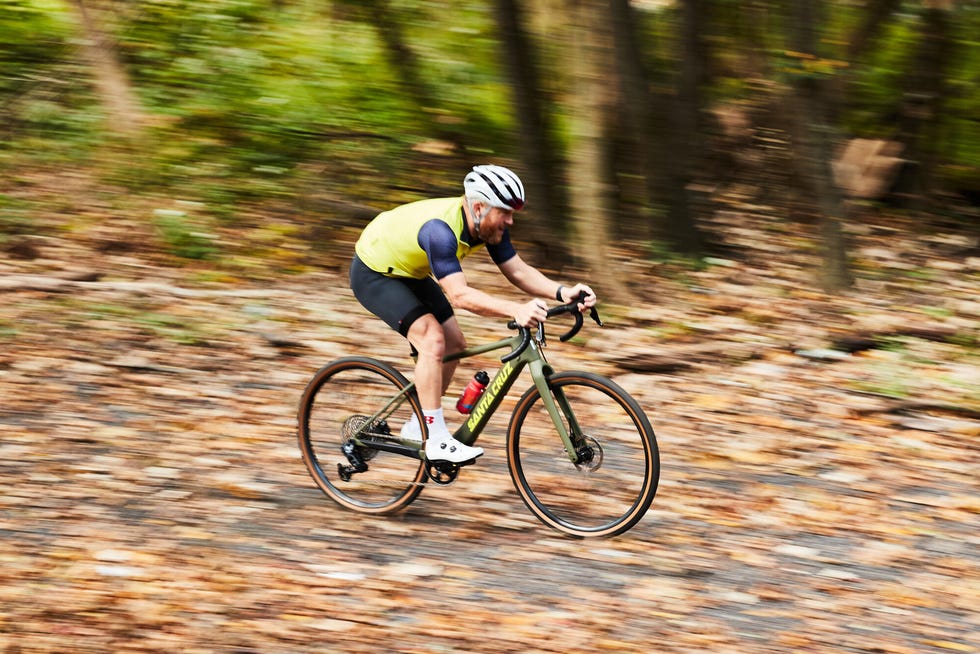
If your bike has enough clearance, stepping up a size or two is a great upgrade, especially now that lightweight, fast-rolling tires are available in wider widths.
Continental, Pirelli, Panaracer, Rene Herse, Schwalbe, and Vittoria all offer fast slicks in widths greater than 32mm. I’ve tried most of them, and they’re all solid.
Related Story
There’s always debate about which width is fastest. In reality, it depends on several factors: tire construction, road surface, pressure, aerodynamics, and rider speed. For most riders, the differences are small. Wider tires may be marginally slower in some setups, but they’re often just as fast or faster on imperfect roads.
More importantly, they offer a smoother ride, better grip, and more confidence. That translates to less fatigue and a more enjoyable ride, which matters more to me than a few watts in real-world conditions.
Last summer, in the French Pyrenees (more on that below), I rode 34mm Vittoria Corsa Control tubeless tires and was extremely pleased with the comfort and control. I didn’t feel like I was giving up much, if anything, on valley roads or long climbs.
Related Story
If I return, and I hope to, I’ll likely bring a bike like the Bridge Surveyor, which I’ve been riding with Schwalbe’s 38mm Pro One tubeless tires. They deliver excellent performance, but more importantly, I prefer the added control and refinement compared to a race bike with narrower, lighter tires.
Matt Phillips
Dial It In
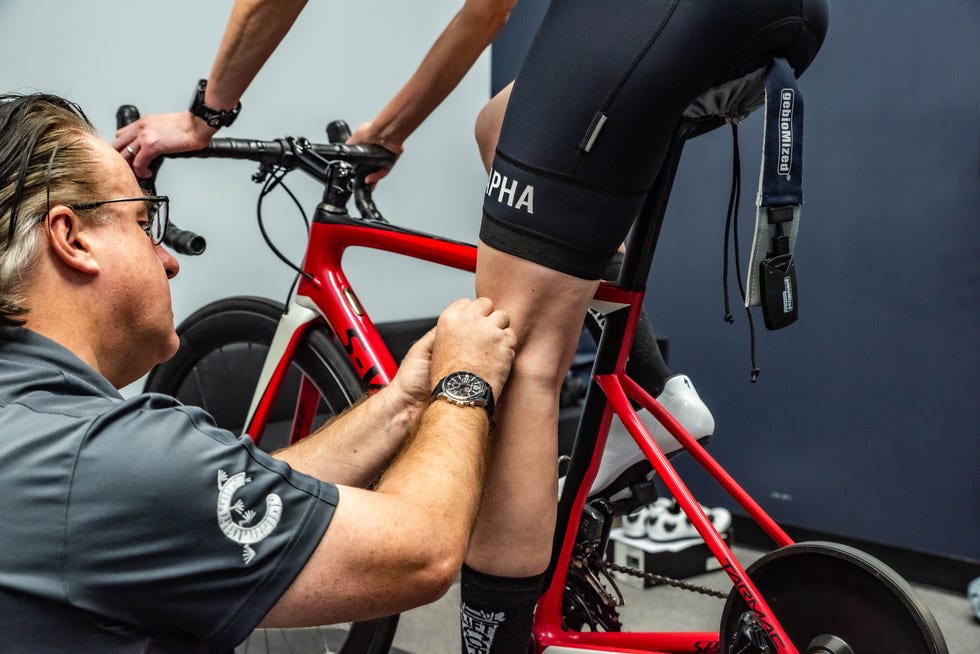
If there’s one upgrade that pays off immediately and keeps paying off, it’s a professional bike fit.
Want to be more comfortable? Check out Bicycling’s ultimate guide to bike fits.
About a decade ago, I finally invested in one, and it changed everything. The adjustments were small, often just a few millimeters, but the impact was huge. Less pain, fewer issues, and better endurance on long rides and back-to-back days.
Recently, in my 50s, I went back for an updated fit. Once again, small changes, noticeable improvements.
Related Story
A good fit helps address numbness, discomfort, and that sense that something isn’t quite right. Even if you’re close, a trained eye can bring everything into better alignment.
As your body changes, your position should too. A proper fit helps you ride longer, recover better, and avoid unnecessary strain.
 Take the Edge Off
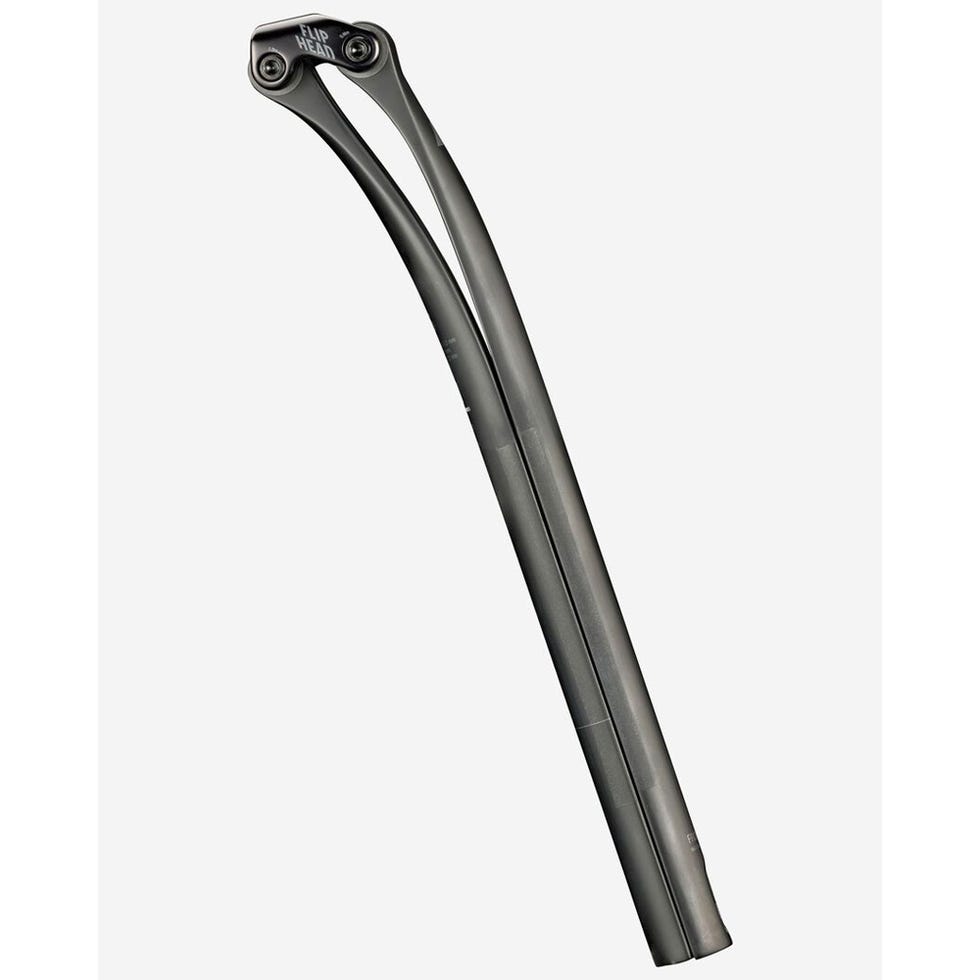
If your bike uses a round seatpost, Canyon’s VCLS leaf-spring post is a great way to add comfort, about 20 mm of flex when seated, with few drawbacks.
The biggest downside is that saddle angle adjustment can be fiddly, since you need to remove the post to change tilt. Also, there’s no internal space for a battery, so Shimano Di2 or older Campagnolo EPS users will need another solution.
That said, the VCLS is light, simple, and delivers a noticeable improvement in seated comfort without feeling bouncy or soft. It takes the edge off rough roads, which means less fatigue over time. And unlike many suspension posts, it looks normal and doesn’t disrupt the lines of your bike.
I’ve used it on road, gravel, cyclocross, and commuter bikes. It just works, and the simple design means it’s essentially maintenance-free.
It has a flip head with two offset positions, and Canyon offers two offset ranges: -10mm to 2mm, and 13mm to 25mm. It’s only available in 27.2 mm, but you can use a shim to fit larger frames.
Matt Phillips
Shift With Less Effort
If you’ve bought a new bike in the last few years, you may already have electronic shifting.
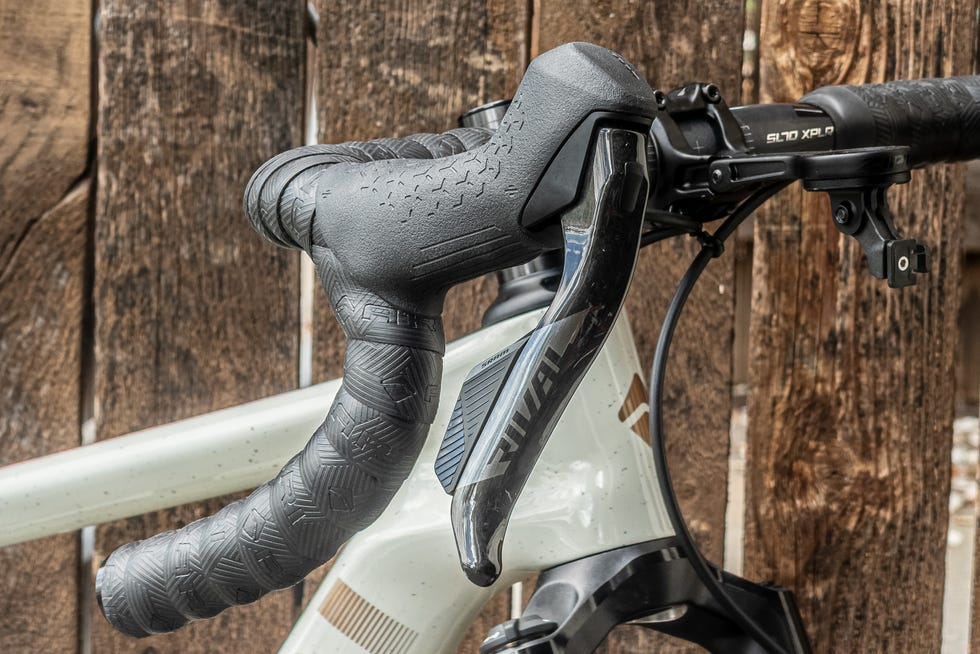
If not, it’s worth considering. The light action and quick, consistent shifts make riding feel smoother and less effortful, especially when you’re tired.
It’s simply easier on your hands and more reliable under load. And with no cables or housing to maintain, your bike spends more time on the road and less time in the stand.
One of the best things about electronic shifting is that the “entry level” groups shift as well as the top-of-the-line stuff. Shimano 105 Di2 is superb, and I’ve been riding the newest SRAM Rival, which, for the price, may be the best road and gravel group of all time.
Matt Phillips
Comfort Meets Speed
It wasn’t long ago that aero helmets promised free speed but were heavy, poorly ventilated, and not especially appealing.
That’s changed. The best modern aero helmets are lightweight, well-ventilated, and genuinely comfortable for long rides. The aero benefit is still there (5 to 10 watts of free speed), but the real win is comfort you can live with for hours.
Related Story
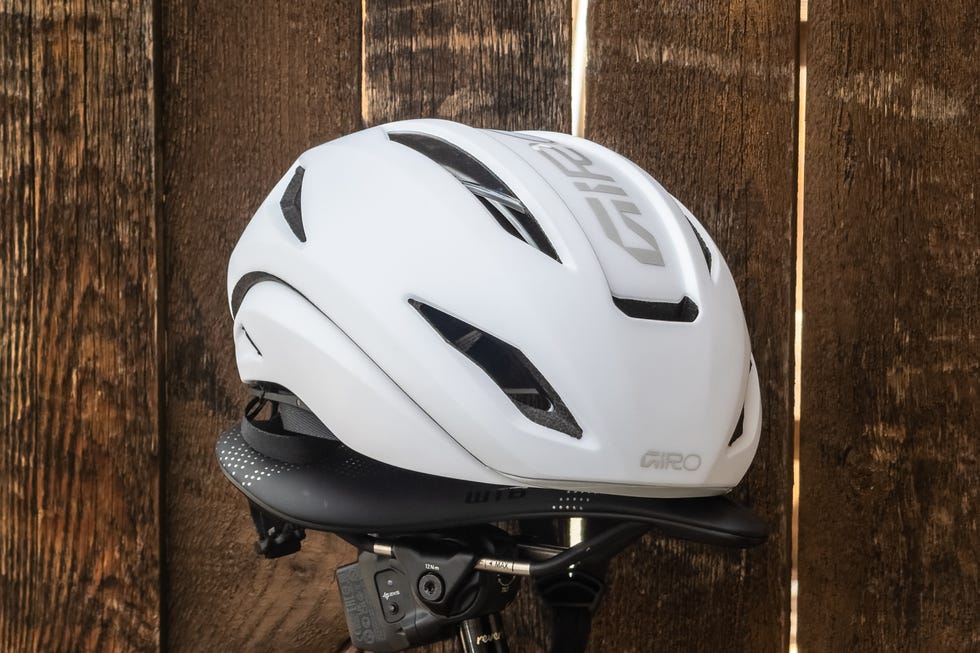
I’ve been wearing Giro’s Eclipse Pro, which impressed me across the board. It’s only five grams heavier than the Aires (291 vs. 286 grams on my scale), and comfort and ventilation are excellent. It also delivers a small but real aero benefit.
Trevor Raab
Ride More, Struggle Less
I recognize this isn’t your traditional component upgrade.
There are a lot of opinions about e-bikes, but many come from riders with time or genetic advantages that others don’t have.
If your fitness is limiting the rides you want to do or enjoy, and significantly improving it isn’t realistic, an eBike is worth considering.
Modern e-bikes are lighter, quieter, and more natural-feeling than ever. They let you ride farther, climb more, and enjoy rides that might otherwise feel out of reach.
An example is the Scott Fastlane. Check this thing out: It looks like a sleek modern aero road bike. But it hides a TQ drive unit that offers up to 40Nm and 290 watts of assist and weighs as little as 22 pounds.
e-bikes are a great way for more riders to enjoy the best of cycling. Don’t let the snobs convince you otherwise.
That’s the real benefit: more riding, and better rides.
Matt Phillips
Ride Somewhere Amazing
In your 50s, you may not be as fast or as strong as you once were, but you’re still plenty capable. And you have something you didn’t before: experience, endurance, and the perspective to appreciate it.
So take it somewhere special.
A cycling vacation isn’t just a splurge; it’s a way to turn all those years of riding into something memorable. Better roads, fewer distractions, great food, and long days in the saddle without the usual constraints of daily life.
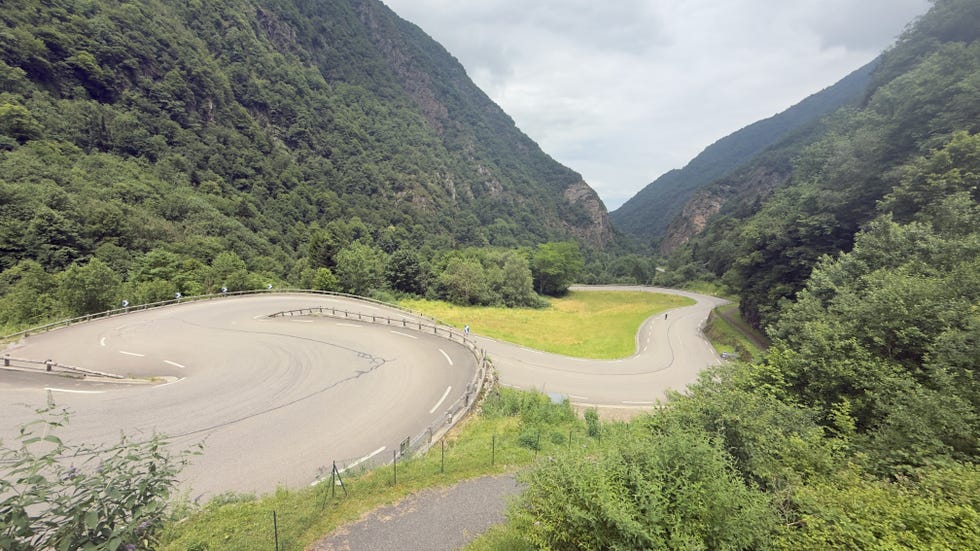
In the summer of 2025, my wife, a few friends, and I booked a trip with Escape to the Pyrenees. For a week, I rode incredible roads, then spent the rest of the day eating well, relaxing, and doing it all again the next morning.
It was magical. And while it wasn’t cheap (though E2P is one of the most reasonably priced operators I’ve found), it felt like the best use of everything I’ve put into cycling over the years.
Member Exclusive: Check Out Our Top Cycling Stories

A gear editor for his entire career, Matt’s journey to becoming a leading cycling tech journalist started in 1995, and he’s been at it ever since; likely riding more cycling equipment than anyone on the planet along the way. Previous to his time with Bicycling, Matt worked in bike shops as a service manager, mechanic, and sales person. Based in Durango, Colorado, he enjoys riding and testing any and all kinds of bikes, so you’re just as likely to see him on a road bike dressed in Lycra at a Tuesday night worlds ride as you are to find him dressed in a full face helmet and pads riding a bike park on an enduro bike. He doesn’t race often, but he’s game for anything; having entered road races, criteriums, trials competitions, dual slalom, downhill races, enduros, stage races, short track, time trials, and gran fondos. Next up on his to-do list: a multi day bikepacking trip, and an e-bike race.