
From Calgary’s iconic skyline to the splendour of the annual Stampede festival, several of the city’s most recognizable features have made it onto the silver screen over the years.
Blockbusters like Brokeback Mountain and Interstellar, in particular, usually come to mind as ‘Alberta’ films, with their stories relying on the province’s wilderness or prairie landscapes.
But what makes a movie shot at least partly in Calgary, a “Calgary” film?
That’s what film critic Christopher Redmond has been trying to answer as he explores the best movies that have been made in different parts of Canada on his Substack called Bon Shot Bad Shot.
Having recently published a deep dive on Calgary’s movie history, Redmond spoke to the Calgary Eyeopener about what he considers to be the most iconic films made in the Blue Sky City.
The cross-country project “honestly started with me wondering why Vancouver, which is this huge production hub for Hollywood, for film and TV, why I couldn’t name any great movies or filmmakers from there,” he told interim host Chris dela Torre.
LISTEN | Film critic Christopher Redmond on Calgary’s film history:
“One of the biggest things that … a lot of times people say they shot in Calgary, but they didn’t actually shoot in Calgary,” he said. “They shot in Banff for Canmore, or outside the city.”
Drawing his own boundary around Calgary, a little larger than the Ring Road, Redmond set his parameters and got to work listing the best ‘Calgary’ flicks.
Back to God’s Country, 1919
One of the first feature films shot in Canada — and the most successful silent film, according to Redmond — is called Back to God’s Country.
The 1919 flick was shot partly in Calgary, while most of the shooting happened near Lesser Slave Lake, about 250 kilometres north of Edmonton.
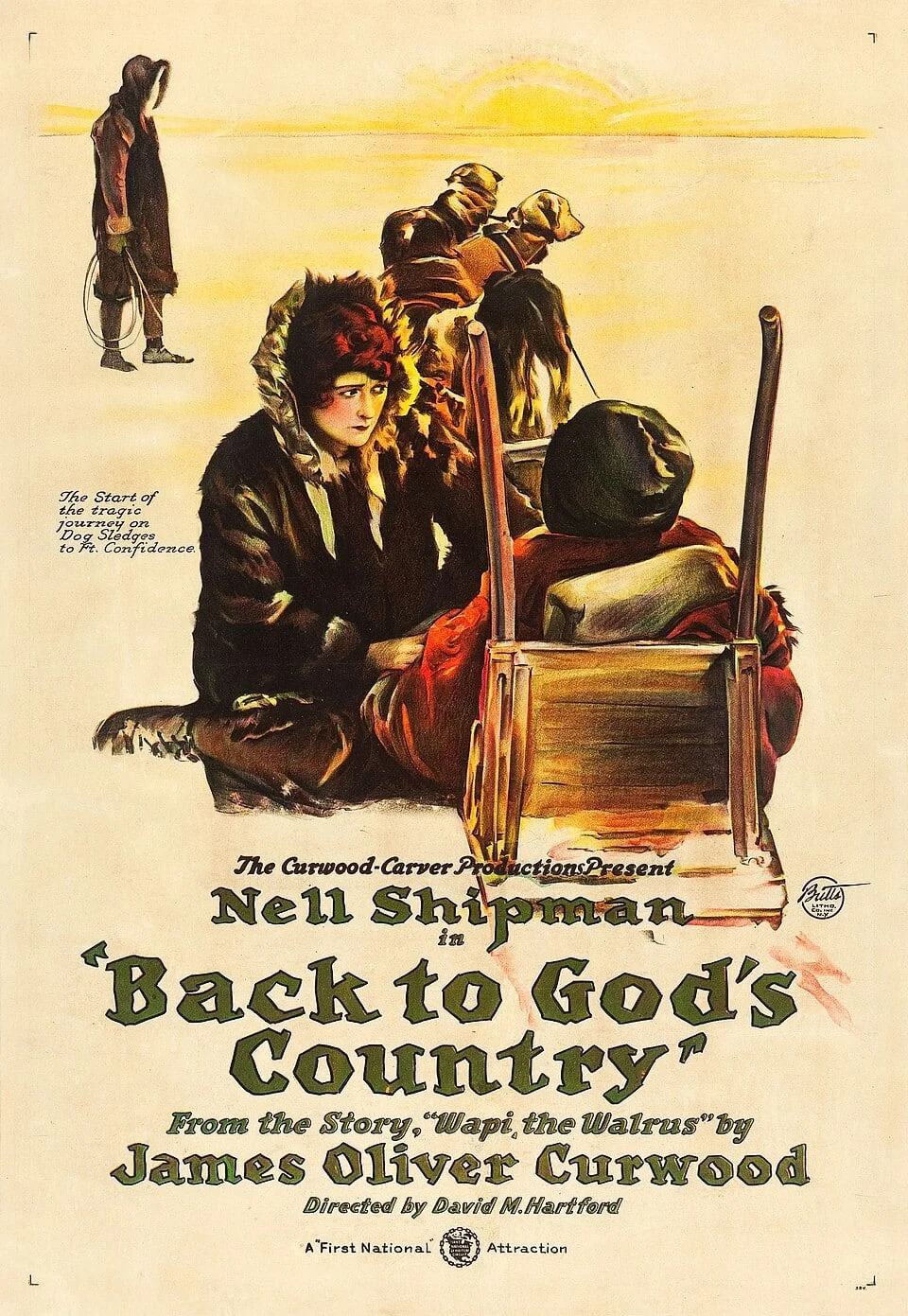
(Wikimedia Commons)
According to Redmond, the film’s producer Ernest Shipman fundraised for the movie within Calgary, and gathered that funding by featuring a “scandalous” nude scene of his wife, Nell Shipman, who co-wrote the film.
Back to God’s Country “became this huge hit,” he said. The film made about $1.5 million back in 1919.
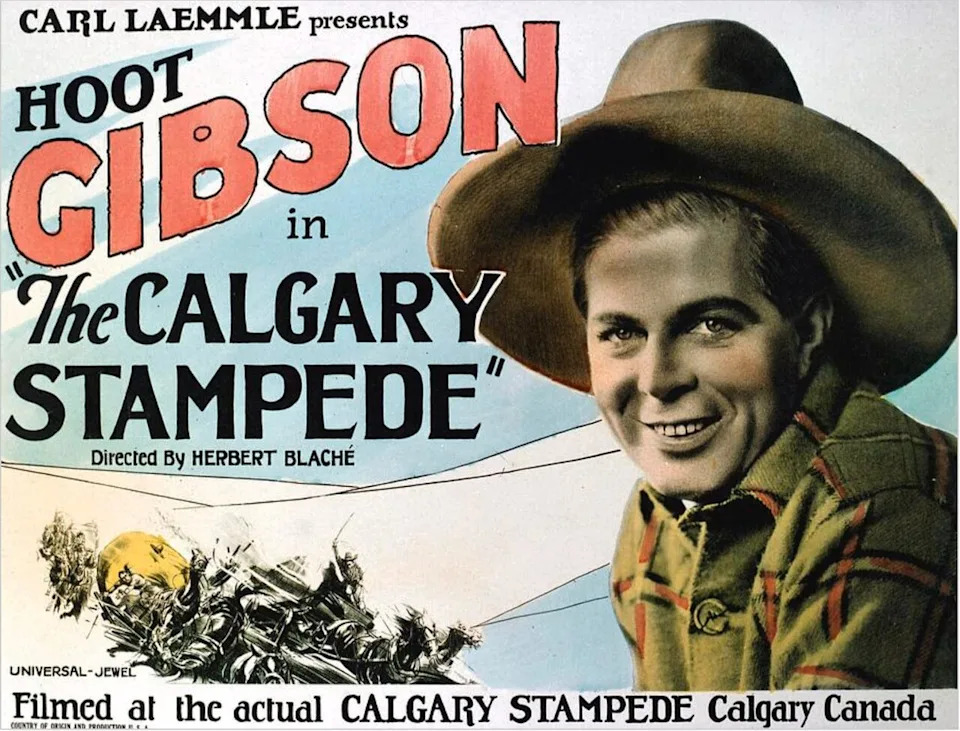
The Calgary Stampede, 1925
The 1925 film called The Calgary Stampede starred American rodeo champion and actor Hoot Gibson.
The movie “proudly boasts how it was filmed on location at the Calgary Stampede, which at that point was just a few years after it had become an annual event,” Redmond said.
He added that almost every other feature film made in the silent era — and then all the way until the 1960s — was “basically adventure and westerns shot outside the city, again around Banff and Canmore,” but not in Calgary.
(Universal Pictures)
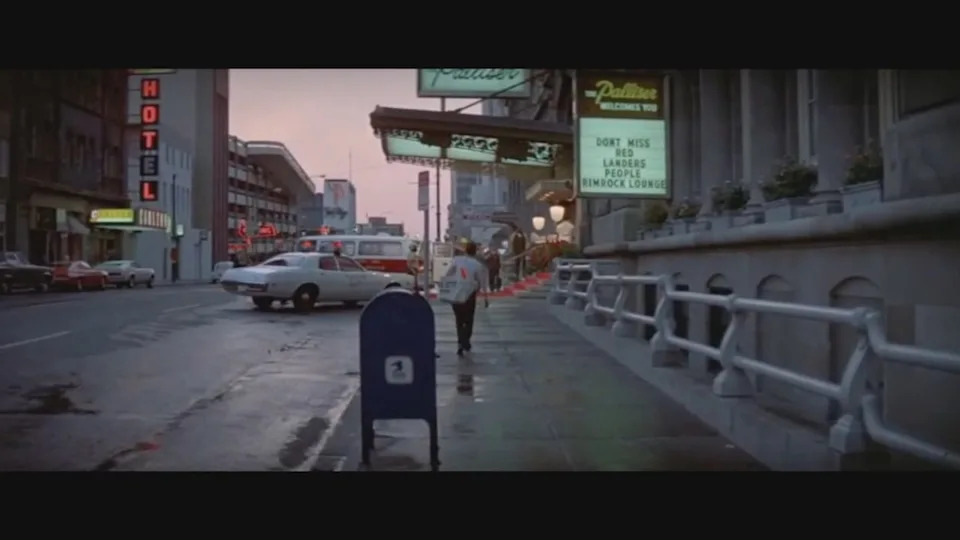
Prime Cut, 1972
Starring Gene Hackman and Lee Marvin, Prime Cut was a gritty crime film shot in slaughterhouses and back alleys, along with farm scenes shot outside of the city, Redmond said.
Notably, one scene captures Marvin walking down Ninth Avenue, though the movie wasn’t actually set in Calgary — rather, it was supposed to depict Kansas City.
“But it is still cool to be able to see Calgary on screen because there really wasn’t any Canadian films at that point. So you kind of have to look to America to see Calgary on screen,” Redmond said.
(Cinema Center Films)
Days of Heaven, 1978
The film Days of Heaven, shot mostly in farming fields south of Lethbridge and during “golden hour,” won the Oscar for best cinematography in 1978.
“It’s still one of the most influential films to cinematographers just for making the open prairies like consistently jaw-dropping,” Redmond said.
The Terrence Malik film, starring Richard Gere, showcased the sunrises and sunsets of the prairie landscape, while the ending was shot at Calgary’s Heritage Park.
Cool Runnings, 1993
Feel the rhythm, feel the rhyme…
The much-loved 1993 Disney film Cool Runnings was shot at several Calgary locations including WinSport’s Canada Olympic Park and the Calgary International Airport.
The film was loosely based on the debut of the Jamaican national bobsleigh team at the 1988 Winter Olympics, held in Calgary, making it an overtly “Calgary” story.
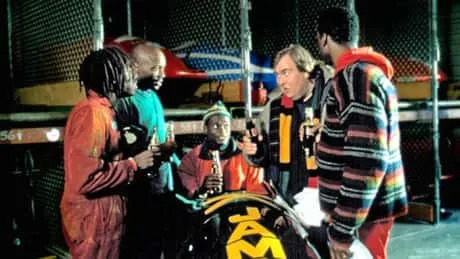
A scene from Cool Runnings, the 1993 movie loosely based on Harris’ Jamaican bobsled team from the 1988 Winter Olympics, held in Calgary. (Courtesy of Everett Collection)
Exit Wounds, 2001
While the 2005 Ang Lee film Brokeback Mountain takes Redmond’s number 1 spot for best film shot in Calgary, the 2001 action thriller Exit Wounds has a special place in his ranking.
“The ones to me that got me most excited were actually the films people haven’t really probably heard about,” he said, referencing the film he characterizes as “trash action.”
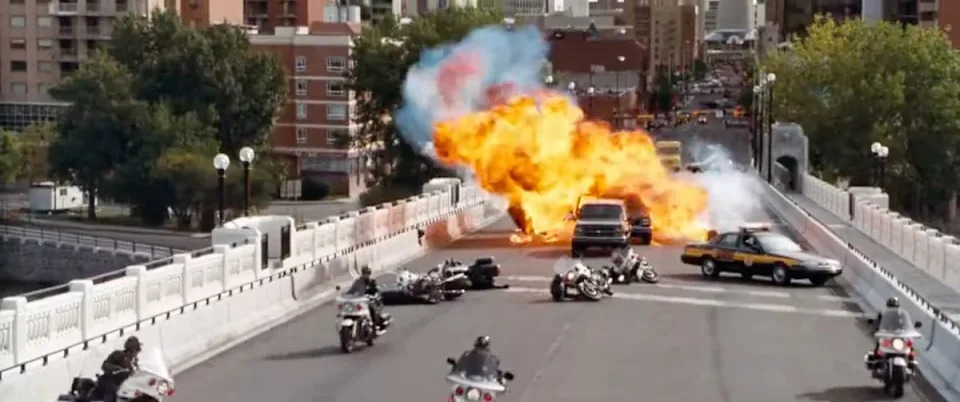
“And it must have been like the last time a Steven Seagal movie was given a big budget because they just absolutely wreak havoc on the Centre Street Bridge. You know, just huge gunfights, helicopters, explosions and the Calgary Tower in full view. It’s just glorious stuff.
(Warner Bros. Pictures)