
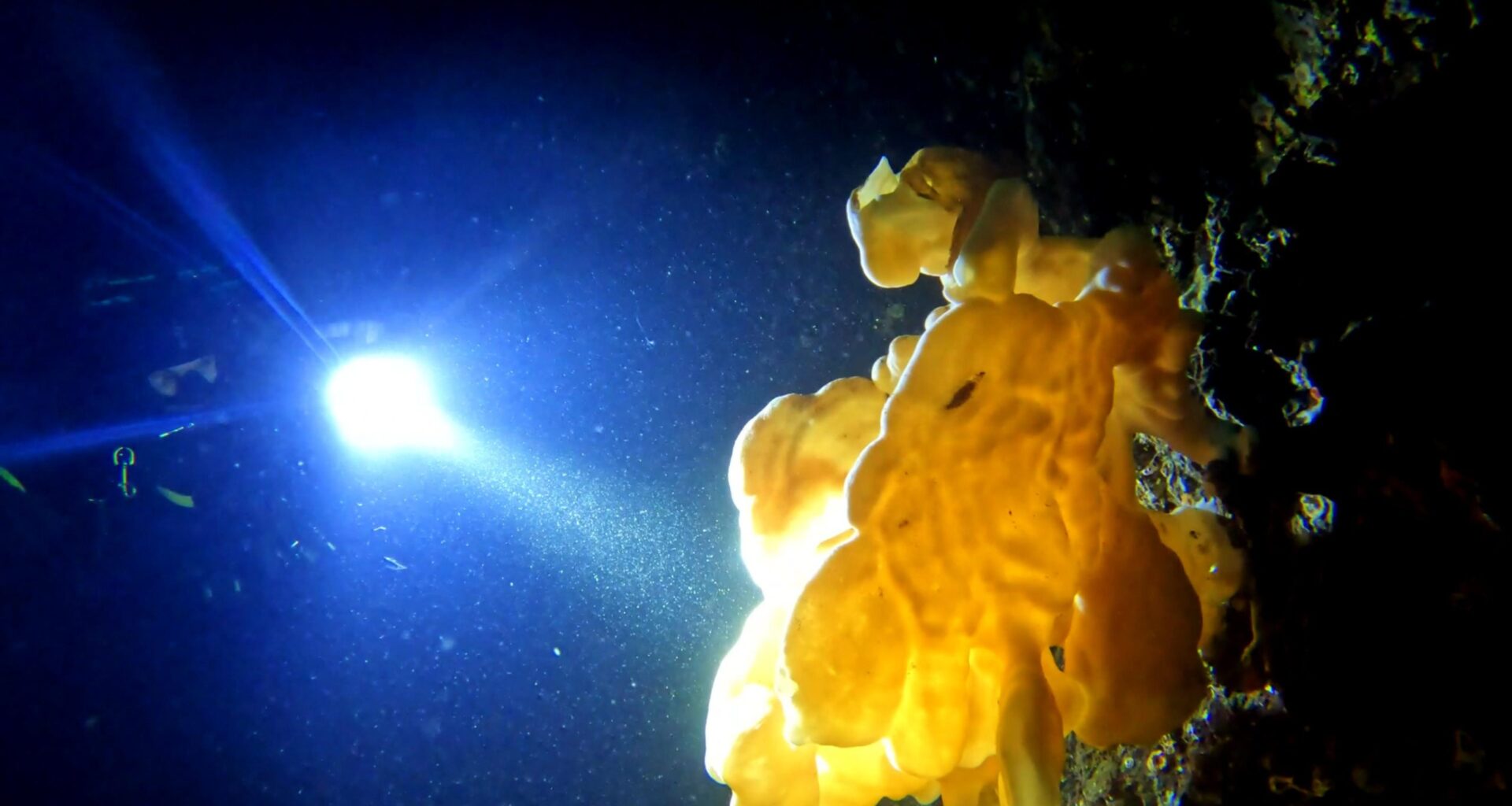
A Vancouver Island diver has captured rare footage of ancient cloud sponges deep beneath the water of the Saanich Inlet, part of a fragile reef system once thought extinct.
Ryan Swan, a local diver and content creator, documented the sponges during a technical dive after months of searching along the inlet’s shoreline.
“Cloud sponges: Ancient, rare, fragile. Hidden in the deep waters of British Columbia’s coast, I’ve been hunting for them for months,” Swan says in his video, describing the elusive organisms that live far below typical recreational diving depths.
Cloud sponges, also known as glass sponges, are made up of silica structures that resemble glass and can live for decades or even centuries. They play a key role in marine ecosystems by filtering seawater.
“They filter a lot of the nutrients out. And actually, one thing that the cloud sponges do is, when they’re filtering the water, they’ll actually take the silica that’s in the water, and that’s what grows the sponge, because it’s made up of glass,” Swan told CHEK News.
The rare formations are typically found in deep ocean environments around the world, but B.C. is one of the few places where they can be reached with the right training and equipment.
“They grow in deeper parts around the world and uniquely here in British Columbia, they grow a little bit shallower, although still quite deep,” he said. “Really, technical diving is what’s going to allow you to get down to see them. But other places in the world, a lot of these types of sponges, they live well beyond the depths where scuba diving and technical diving can take you.”
To reach them, Swan underwent advanced technical dive training, which includes using a different blend of gas in Scuba tanks, allowing one to dive beyond standard recreational limits and extend their time underwater.
During the dive, Swan and his team descended to around 40 metres, where visibility fades and conditions become more challenging.
“At 20 metres, the green starts to fade. At 30, it’s like swimming down a dim hallway. By 40 metres, it feels like midnight in the middle of the day,” he says in the video.
That’s where the group finally found the sponges clinging to steep underwater rock faces in clusters.
Watch Ryan Swan’s video of the discovery below:
Some can grow to the size of a small car and may be more than 200 years old, making them particularly vulnerable to disturbances.
“They grow slowly, centimetre by centimetre, which means some of these big ones could
easily be older than Canada itself,” Swan said. Because of their fragility, even minor contact like a misplaced fin kick can cause irreversible damage.
Swan says part of his goal in documenting the dive is to raise awareness about the region’s unique marine life and promote conservation.
Through his online platform, he highlights underwater ecosystems around Vancouver Island and encourages responsible diving practices.
“Be Sea Adventures is all about promoting scuba diving here on Vancouver Island and showcasing our unique marine life, as well as ocean conservation and stewardship and collaborating with local divers and oceans enthusiasts,” he said.
Canada’s Department of Fisheries and Oceans says protecting glass sponge reefs is critical as they provide habitat for marine species and help maintain water quality.
“Glass sponge reefs in the Strait of Georgia and Howe Sound are particularly vulnerable to the direct and indirect impacts of activities such as bottom-contact fishing activities and anchorage,” the DFO says on its website.
It makes discoveries like Swan’s both rare and significant.
“They’ll grow in clusters, almost like a garden. So you’ll see…a whole bunch of them, kind of in the clusters, and some of them, when they get start getting, like, really big and prolific, it’s really cool to see.”
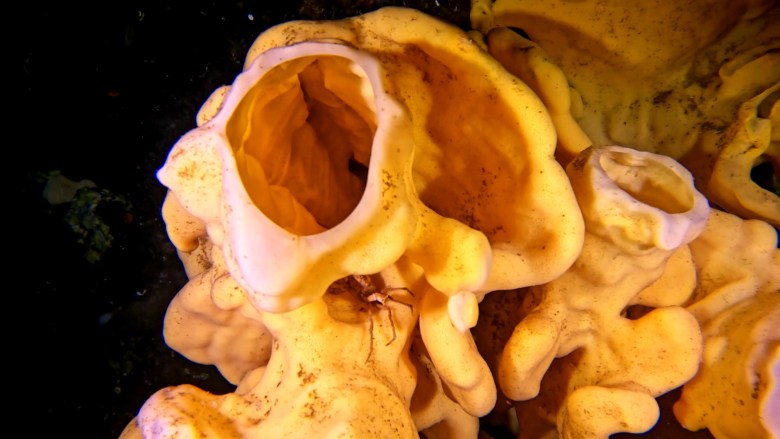 Vancouver Island diver Ryan Swan discovers rare cloud sponges deep in the Saanich Inlet. (Courtesy Ryan Swan/Be Sea Adventures)
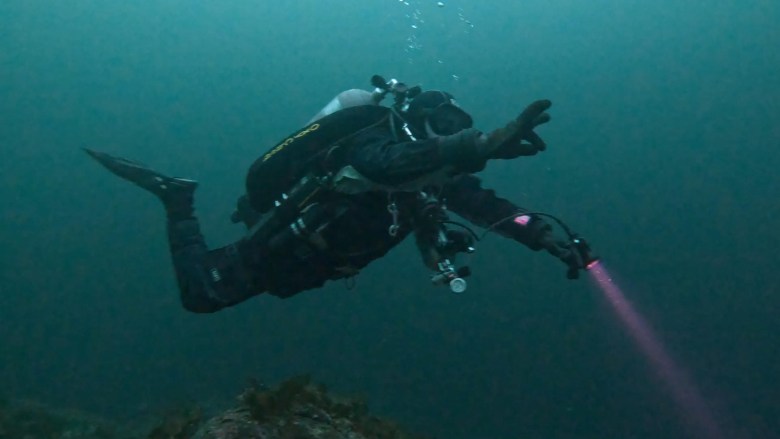 Vancouver Island diver Ryan Swan discovers rare cloud sponges deep in the Saanich Inlet. (Courtesy Ryan Swan/Be Sea Adventures)
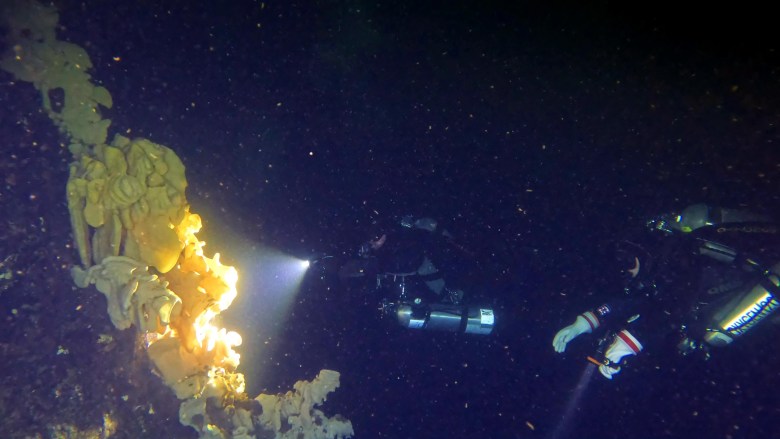 Vancouver Island diver Ryan Swan discovers rare cloud sponges deep in the Saanich Inlet. (Courtesy Ryan Swan/Be Sea Adventures)
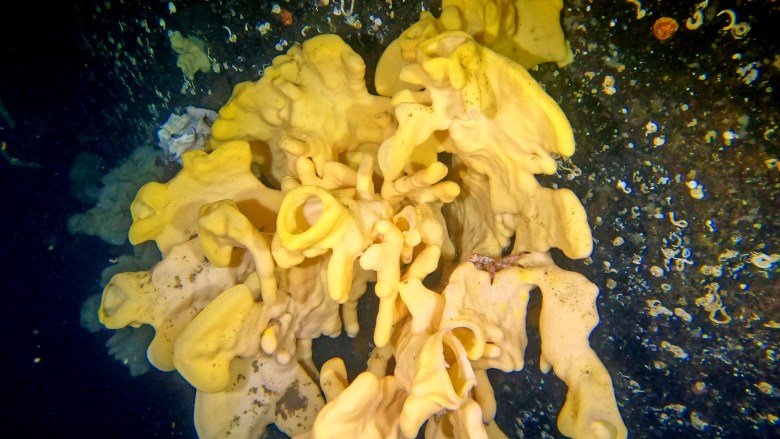 Vancouver Island diver Ryan Swan discovers rare cloud sponges deep in the Saanich Inlet. (Courtesy Ryan Swan/Be Sea Adventures)