

Listen to this article
Estimated 4 minutes
The audio version of this article is generated by AI-based technology. Mispronunciations can occur. We are working with our partners to continually review and improve the results.
Following a week of negotiations in Campo Grande, Brazil, countries have committed to giving 40 migratory animal species further protection as they traverse borders and biomes.
“Expanded protections for cheetahs, snowy owls, giant otters, great hammerhead sharks and many more demonstrate that nations can act when the science is clear,” said Amy Fraenkel, executive secretary for the Convention on the Conservation of Migratory Species of Wild Animals, or CMS.
This is the 15th meeting of countries that are party to this UN treaty, signed in 1979. Canada has not ratified the treaty. These iconic species are now added to the treaty’s appendices, which range from strict protections to encouraging co-operation to prevent species extinction and endangerment.
Species are global travellers
Beyond the threats facing these animals, what binds them all is that they do not call one region home.
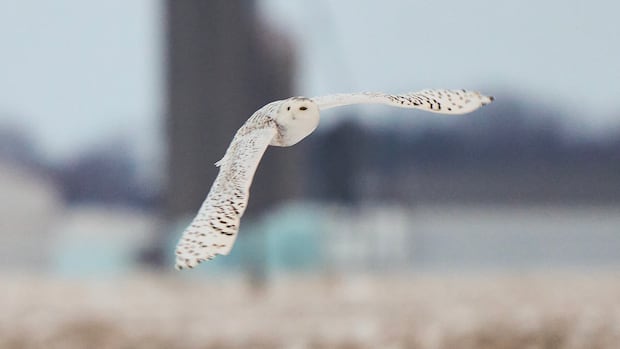
Species like the snowy owl have their breeding range in the Canadian archipelago, but roam the Arctic — though at least one country has seen the traveller stop visiting. The suspicion is that climate change is affecting lemmings, their dominant prey.
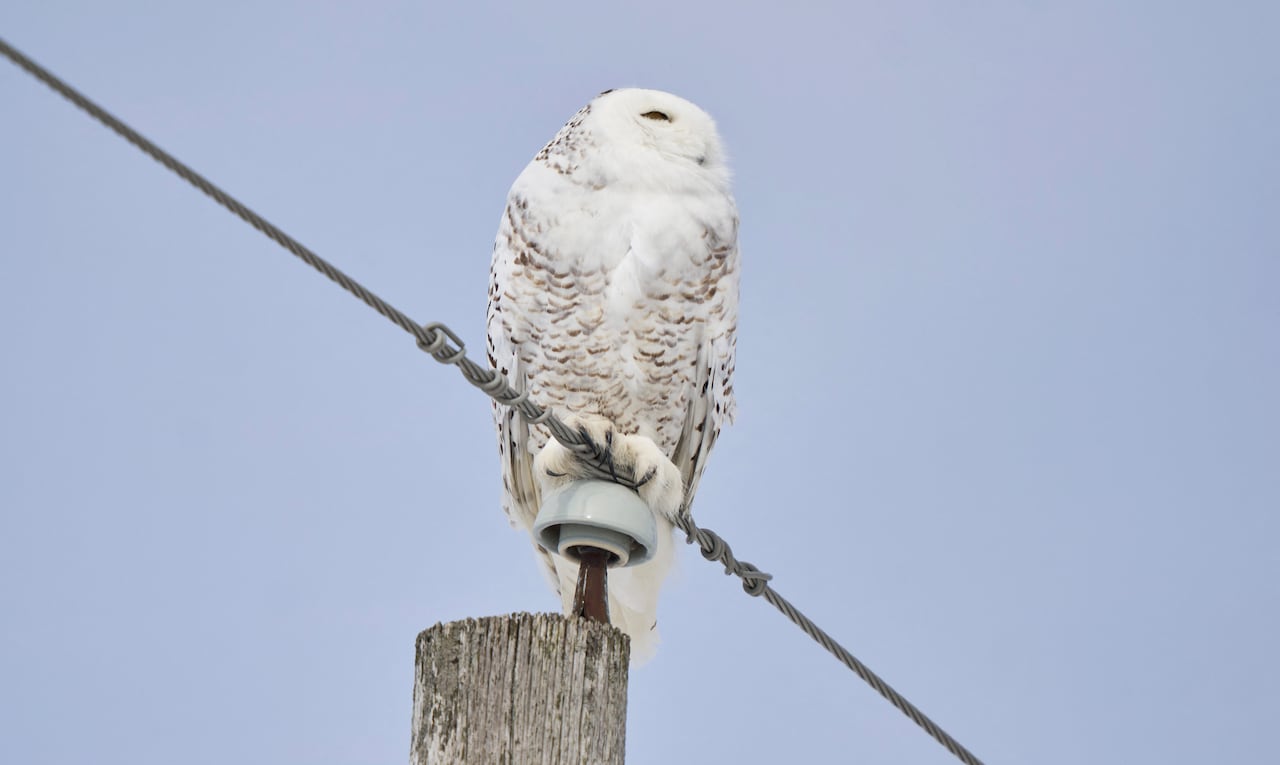 A snowy owl sits on a utility pole near Strathroy, Ont., on Feb. 24. Due to a boom in population the birds have been spotted much further south this year than in the past, however climate change mayb be impacting its food source in some countreis where it migrates. (Geoff Robins/AFP/Getty Images)
With their addition on Appendix II, countries are now encouraged to work together on potential joint action plans to protect the snowy owl. Norway, which brought forth the initial proposal, stated that its addition would allow it to continue and develop its conservation work as well as monitor the species better.
Another set of species included on the list are two varieties of hammerhead shark. Uniquely shaped, these social creatures take on migrations for reproduction and can end up getting caught in industrial fishing nets, both as bycatch and intentionally for shark fin markets.
“They are in deep trouble,” said Pelayo Salinas de León, marine ecologist with the Charles Darwin Foundation. He explained that some species of hammerheads are critically endangered on the International Union for Conservation of Nature’s Red List.
“And that’s why getting them included in Appendix I of the CMS convention is an important step forward to recover populations to former glory.”
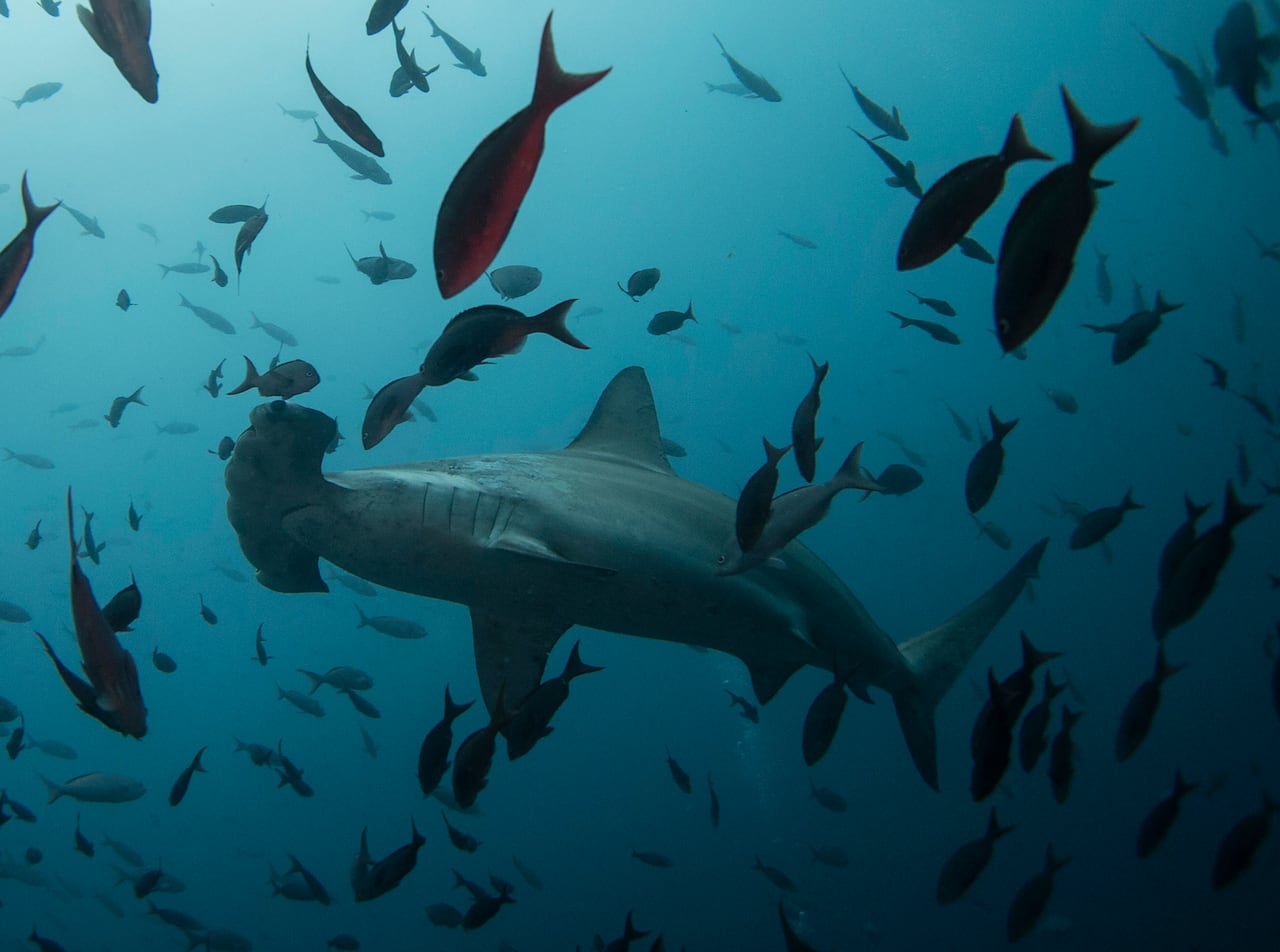 Two species of hammerhead sharks are also included on the Convention on the Conservation of Migratory Species of Wild Animals list. (Jorge Silva/Reuters)
They are now on the more strict Appendix I, where their endangered status means countries have to prohibit any deliberate catching or harvesting of the species.
More work ahead
The total number of species across both CMS appendices is now greater than 1,200.
While the CMS brings together more than 130 countries who have ratified the treaty, known as the Bonn Convention, it has been criticized for not being as effective by depending on countries’ voluntary and non-binding measures, as well as a lack of funding.
As well, major players in farming and fishing such as the United States, China and Japan are not party to the convention. But holding this year’s event in Campo Grande, close to the biodiverse Pantanal wetlands, has led to progress among South American countries. These countries were able to agree on adding several species to the list — including giant otters, a kind of catfish and a neotropical bird — all which spread across the continent during various times of their lives.
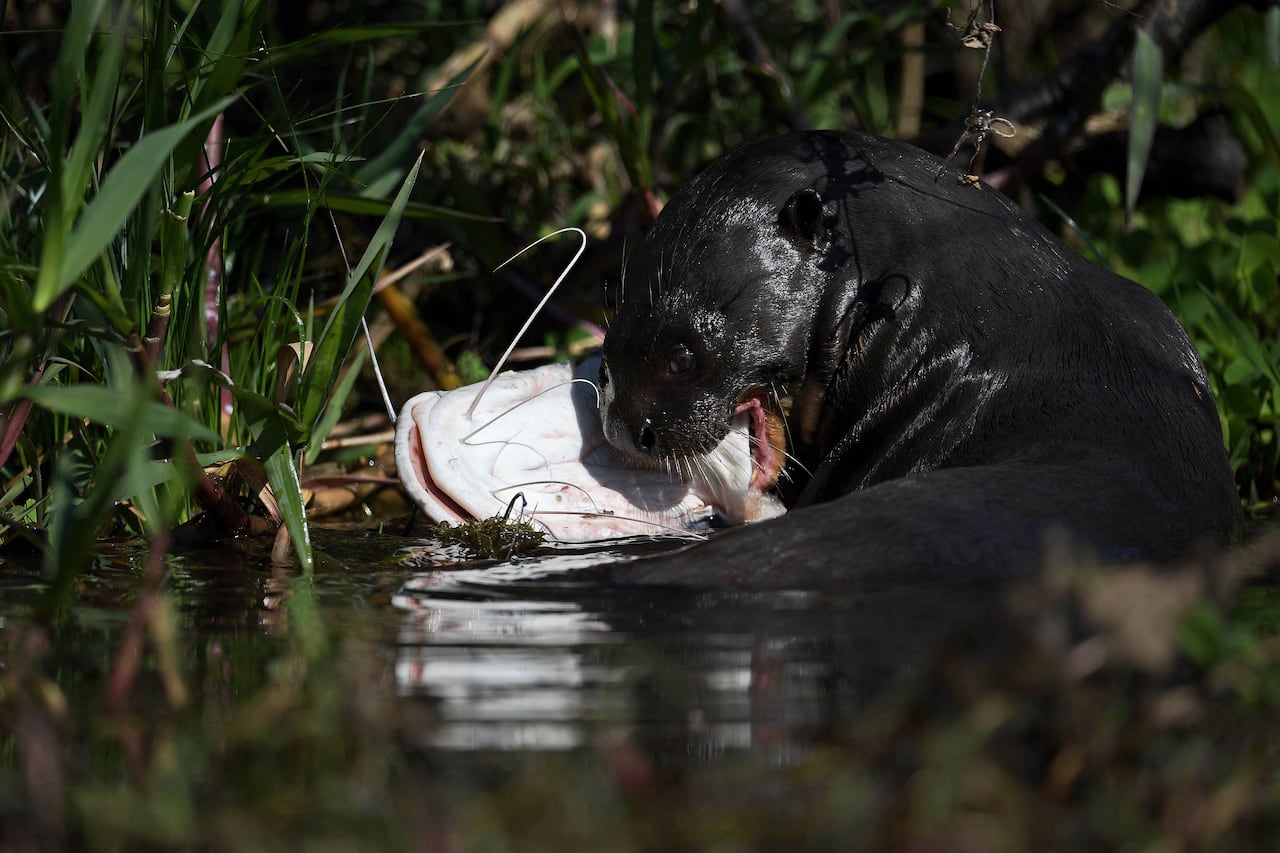 Giant otters have been included for further protections. They migrate during wet seasons as the waters of the Amazon and Pantanal wetlands expand. (Carl de Souza/AFP/Getty Images)
“Hosting the COP15 in Brazil helped advance concrete proposals and strengthen regional co-operation,” said Mariana Napolitano, World Wildlife Fund Brazil’s conservation director, in a statement. “At the same time, it made clear that the next step is turning this ambition into real implementation.”
Combined with other treaties, such as the Convention on International Trade in Endangered Species of Wild Fauna and Flora (CITES), this meeting serves as a way of highlighting some of the exceptional creatures that move around our planet, and explaining why they need help.
The next meeting is expected in 2029, marking 50 years since the treaty’s signing, where it will once again be held in Bonn, Germany.