
British Columbia·Video
A 3,700-year-old buried log, still holding the carbon it had pulled from the air, sparked a radical idea: bury dead trees before they release their stored carbon dioxide.
Dead trees left behind after wildfire continue to release carbon dioxide — but one company wants to bury them
CBC News · Posted: Mar 30, 2026 7:14 PM EDT | Last Updated: 3 hours ago

Listen to this article
Estimated 1 minute
The audio version of this article is generated by AI-based technology. Mispronunciations can occur. We are working with our partners to continually review and improve the results.
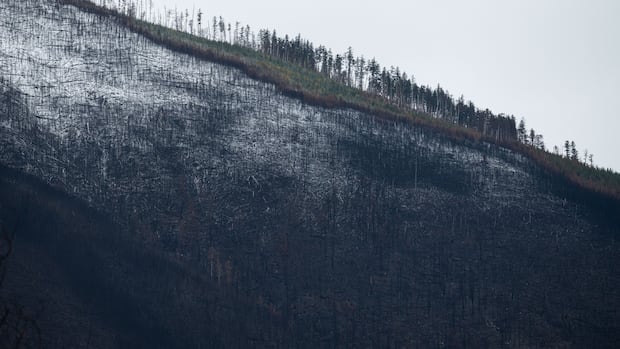
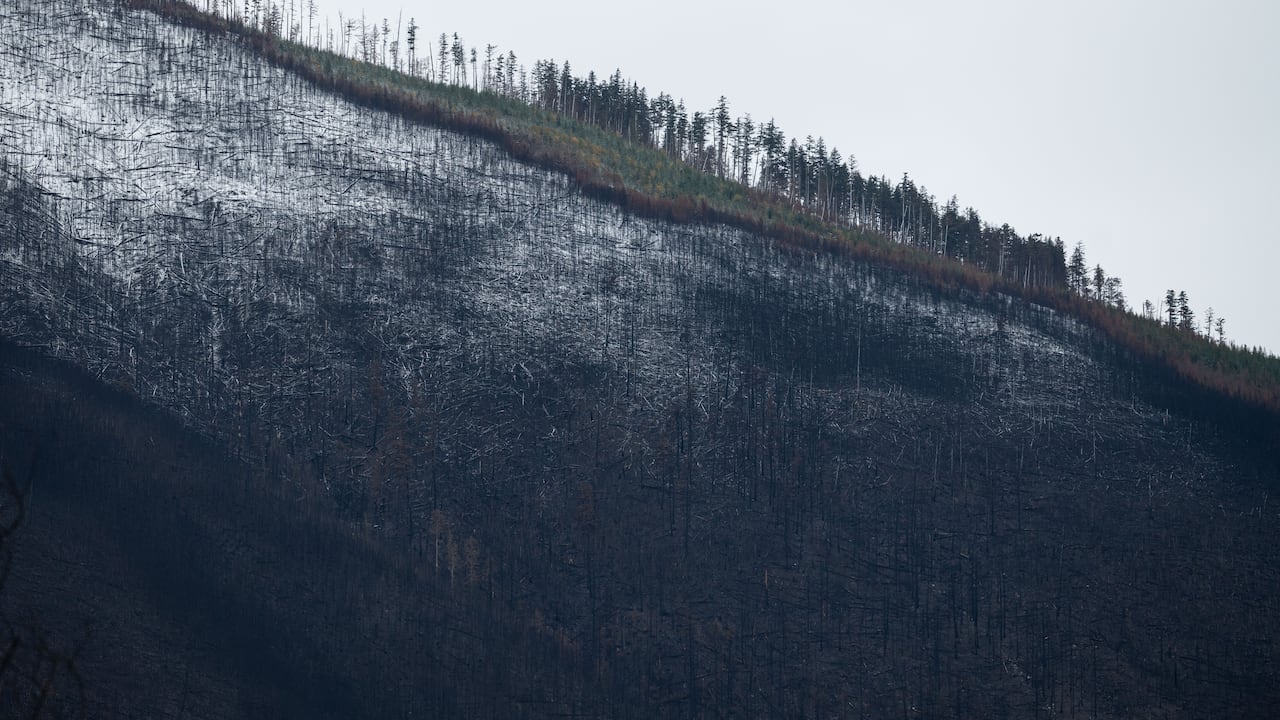 A mountain in the Nahatlach Valley, where the Kookipi Creek wildfire is estimated to have burned over 17,000 hectares of land near Boston Bar, B.C., is seen in October 2023. As wildfires threaten to upend Canada’s carbon emission goals, one company is proposing burying dead trees deep underground. (Maggie MacPherson/CBC)
Recent record-breaking wildfire seasons in Canada are threatening to drastically increase carbon emissions, and not just from the fires themselves as dead trees can release a second wave of stored carbon dioxide back into the skies.
But a 3,700-year-old buried log, still holding the carbon it had pulled from the air, sparked a radical idea: bury dead trees before they release their stored carbon dioxide.
After the buried log was discovered north of Montreal by scientists from the University of Maryland, one company is proposing a “carbon bunker,” burying burnt trees and generating carbon credits that can be used for reforestation.
But as CBC senior meteorologist Johanna Wagstaffe reports, one forest ecologist says the carbon bunkers aren’t a one-size-fits-all solution when it comes to managing forests that have burned.
WATCH | Scientists exploring whether excess carbon dioxide can simply be buried: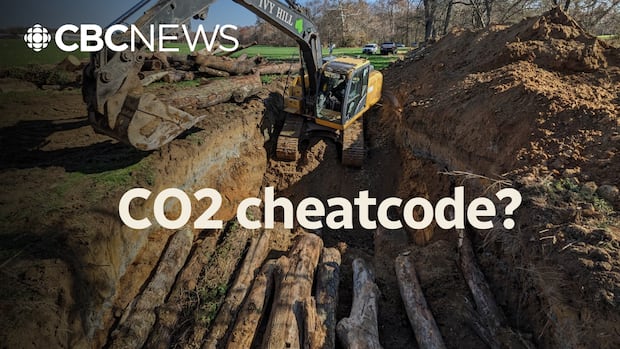
Can we just bury our excess CO2?
Wildfires kill millions of trees, and those dead trees are set to release a second wave of stored carbon dioxide back into the skies. Could carbon bunkers — underground vaults with buried trees — stop that? CBC News’ Johanna Wagstaffe looks into how feasible this radical idea is.
With files from Johanna Wagstaffe
Corrections and clarifications·Submit a news tip·Report error