

Listen to this article
Estimated 4 minutes
The audio version of this article is generated by AI-based technology. Mispronunciations can occur. We are working with our partners to continually review and improve the results.
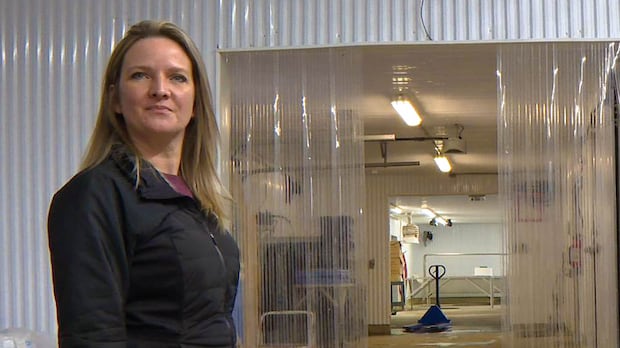
Alisha Hodder just wants to run her business, provide employment in her hometown of Stoneville, N.L., and continue a legacy of fish processing she and her husband Jerry have built over the years.
However, she says government regulations are preventing that from happening, and she doesn’t know why.
“I don’t know who’s running the show, but the level of unprofessionalism that I see from these departments is unmatched,” said Hodder, manager at Hodder’s Shellfish.
“I don’t think that Newfoundland[ers] understand what’s happening behind closed doors in all of these organizations … rural Newfoundland, you know, that’s what they all talk about. I don’t see it. They’re not helping me at all. And I’m pretty rural.”
At issue is the provincial government’s outside buyers and processing licences.
Two years ago, following pressure from harvesters, the province opened up the possibility of granting buyer’s licences to allow harvesters, processors and other companies to sell their product outside Newfoundland and Labrador.
Hodder’s is limited in what species it could process so it applied for a buyer’s licence and received it. At the time, though, they didn’t use it, as the processing of sea urchins was keeping the plant busy and staff employed.
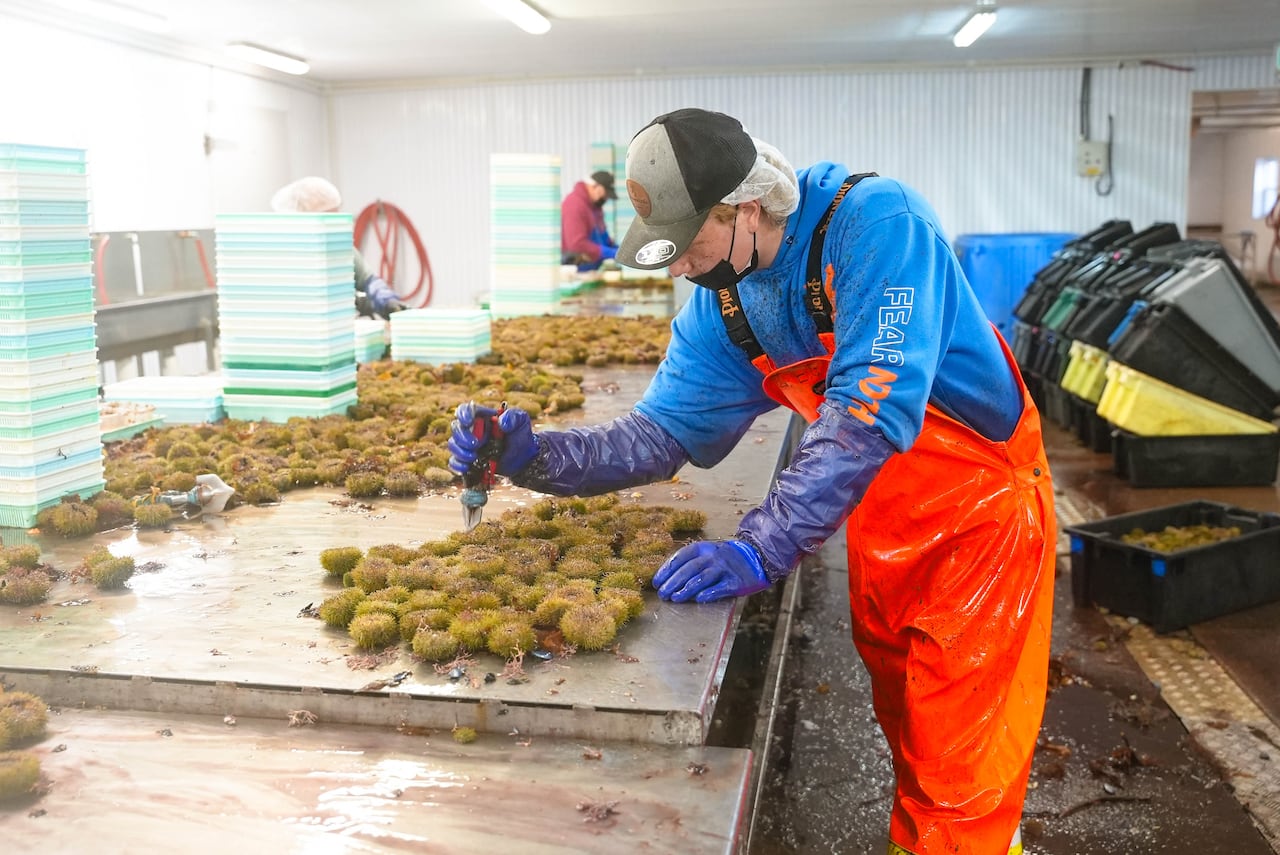 Briley Tulk cracks open urchins at Hodder’s Shellfish in Stoneville (Troy Turner/CBC)
In the past year, however, the sea urchin quality their harvesters had access to was dropping, and Hodder’s was looking to supplement the work with a new revenue stream.
They renovated the plant to expand on their refrigeration with the hopes they could use their contacts to sell product outside the province that it is not permitted to process at the plant.
“I never, ever wanted to do that,” said Hodder. “I’ve only ever asked for processing …[But] if I stay as a processor, I will fail because they will not let me [process] anything else.”
With the plan and infrastructure in place, Hodder’s was going to start using their buyer’s licence this spring.
However, in February that plan came to an abrupt halt when the province told them existing processors could not carry buyer’s licences if the company planned to continue processing anything.
“It changes everything again,” she said. “I don’t know what to do now. So now I have all of this money that I have invested and [I’m] going to invest and I don’t really see how I’m able to marketably make that work.”
Hodder says an easy fix is to allow her company to process other species, as the larger plants are permitted to do.
“Let me process; that’s all I’m asking for,” she said. “I don’t ask the government for their money. I don’t want the money. I’m doing it on my own. We’re making it work … that’s what we’ve always tried to do. And so if I want to process it, let me process it. If I can’t survive and my business fails, that’s my fault.”
The Department of Fisheries and Aquaculture would not make anyone available for an interview. In a prepared statement, a spokesperson said the government wants to ensure as much seafood as possible is processed in this province, which is why buyer’s licences are being removed.
“Although processors are no longer eligible for an outside buyer licence, they can seek an exemption to minimum processing requirements in extenuating circumstances,” the statement read. “No matter their size, all fish processing plants are eligible to apply for licences to process any species.”
The department went on to say it’s currently developing a new application process to streamline licensing for fish processors.
Hodder says the stroke of a pen to allow the company to process more species is all that’s needed. And for the 30 or so employees the plant has in Stoneville, it would secure future work, she said.
“These people break my heart because they’re good workers,” she said. “They’re good people. They’re honest people. They show up. They’ll help you in times you don’t even ask … because we’re all like a family. We’re all a big family.”