
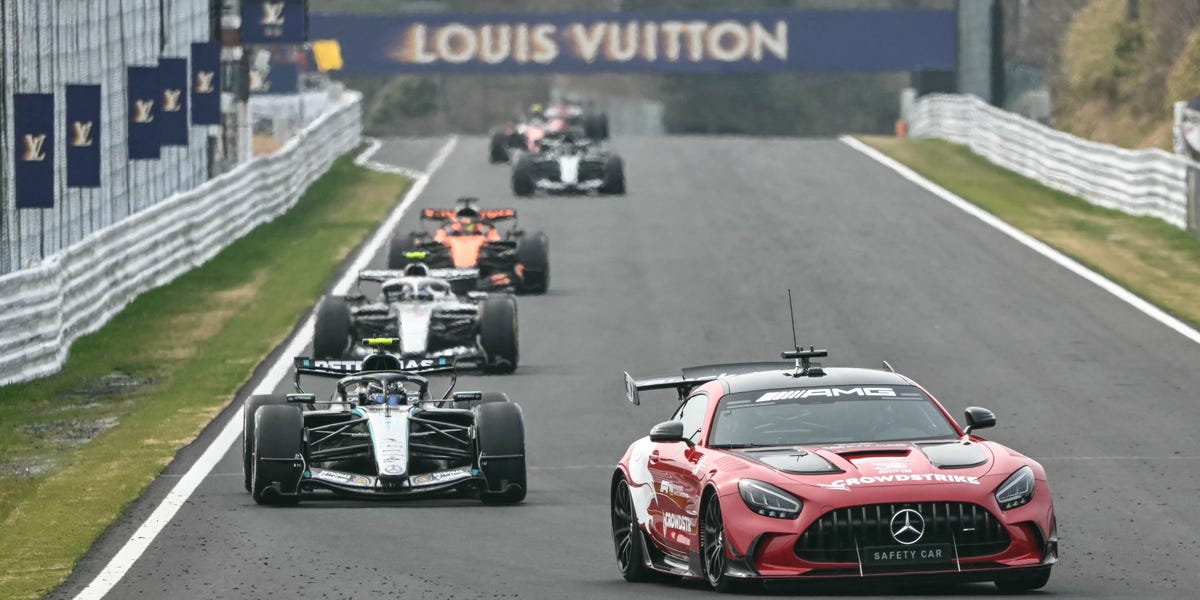
Formula 1 had both a wake-up call and a lucky escape on Sunday at Suzuka, when a heavy accident for Oliver Bearman put further focus on the shortcomings of the 2026 regulations.
The incident has added a safety impetus to the debate about the new regulations, which hitherto has been split roughly along the lines of “multiple passes make for good TV” versus “the overtaking is artificial and a lot of drivers are not enjoying these cars.” Meetings were already planned for the gap after China to discuss how the first three race weekends played out, and what can be done to improve things before Miami. The key point is that safety always trumps everything else—and that card can now be used to help push through rule tweaks that were, perhaps, previously meeting resistance from key stakeholders.
From the start of the season, drivers have spoken about the risks inherent in having one car slowing down as its power unit harvests energy while the car behind is still going flat out, or potentially even using overtaking boost picked up by being within a second at the detection point. The obvious concern was, we could have a high-speed collision that could sent the car behind airborne.
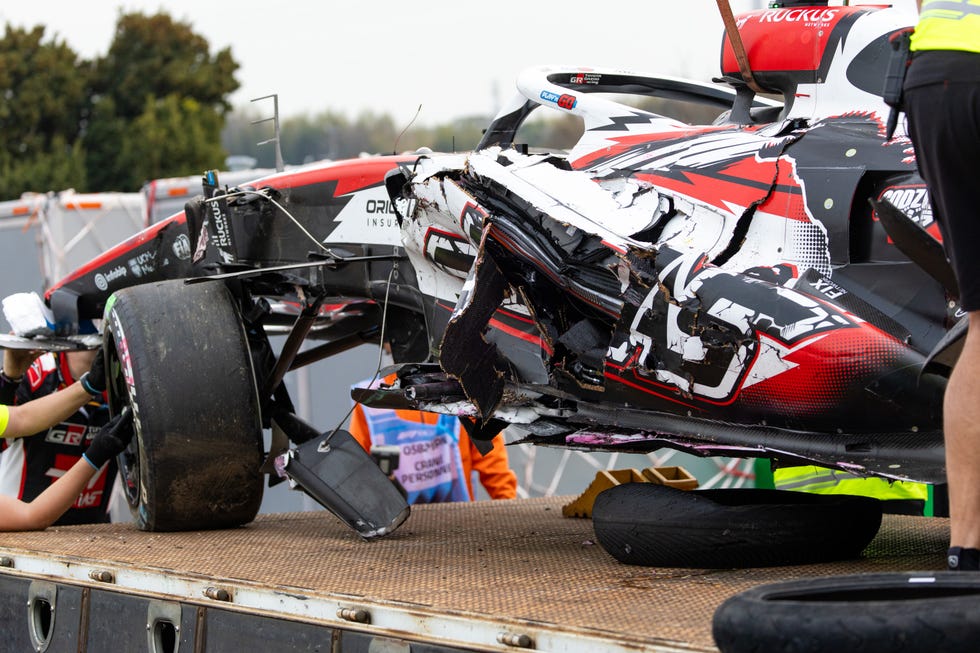
But at Suzuka, we saw a slightly different scenario. When Franco Colapinto lost speed heading into the gently curving “straight” leading into Spoon Corner and drifted across the racing line, Bearman was able to react quickly enough to avoid contact. However, having jerked the steering wheel to the left, his trajectory sent him onto the grass at full tilt. He was sent spinning, flew past the Alpine driver in front and into the barrier on the outside of the corner. Bearman managed to scrub off some speed, but it was still a heavy impact, and it looked a bit worrying as he limped away, though fortunately it turned out he was just a bit battered and bruised.
Kym Illman//Getty Images
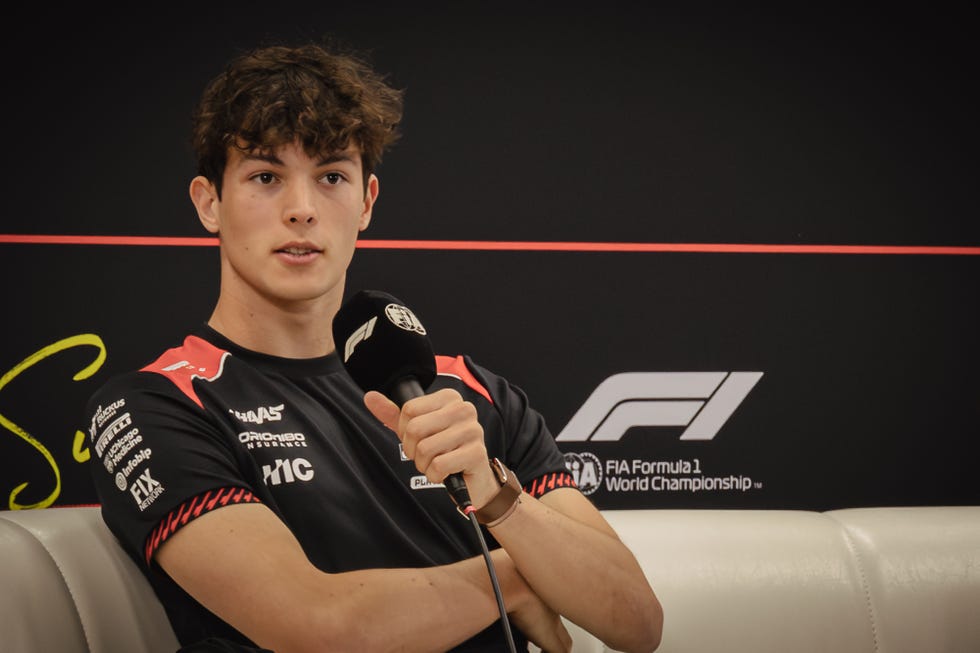
Afterwards, Bearman indicated Colapinto hadn’t given him as much room as he would have liked, and he suggested that drivers who know that cars behind are approaching fast should allow room for their colleagues. “It was a massive over speed, fifty kph, which is a part of these new regulations that I guess we have to get used to,” the Haas driver aid afterwards. “But also I felt like I wasn’t really given much space, given the huge excess speed that I was carrying. And it’s something that we spoke about on Friday with the other drivers and the stewards—that we need to a bit more lenient, a bit more prepared, because of these huge deltas in speed.”
He confirmed what happened to him was not unexpected: “I think we, as a group, warned the FIA what can happen. And this has been a really unfortunate result of a massive delta speed that we’ve never seen before in F1 until these new regulations.”
@tinnekephotography
Colapinto, meanwhile, realized that he was lucky not to have been hit by Bearman. “It was really strange, to be honest,” said the Argentinian. “I was a bit of a sitting duck. I think the speed difference is so big and so large, it’s almost like you’re in an out lap and another guy is in a push lap. I think it gets really sketchy when the straights are not straight, and it’s turning—because we are not on a straight line, we are kind of turning. And once I looked in the mirror, he was spinning in the grass. But even spinning, he overtook me, so imagine the speed difference. I think at some points it becomes really dangerous.”
After the flag, and when told about what unfolded, other drivers confirmed they had been expecting something similar to transpire. There have been close calls already this season, especially during early race battles when the cars are running close together.
“That’s what you get with these things,” said Max Verstappen. “One guy is completely stuck, with no power, basically. And then the other one uses their ‘mushroom mode.’ It can be sixty kph difference—really, really big.”
Williams driver and GPDA director Carlos Sainz has always been able to see a bigger picture, and he’s one of those who had previously expressed concerns. His comments after the race showed what a strange world F1 now is, with power unit algorithms trumping driver input at crucial moments.
“There were a lot of big moments there in the first three laps,” he said. “While we were all sorting out our energies, until our systems learn with the closing speeds we have with the boost button, or even without using the boost button. Sometimes your energy gives you a lot more speed than the guy in front, even depending on where the other is on the energy. It was only a matter of time the first big crash was going to happen.”
Sainz made it clear that drivers had already voiced concerns, which have fallen on deaf ears. “That’s the problem,” he said. “When you listen only to the teams, they think the racing is okay, because maybe they’re having fun watching it on the TV. But from a driver’s standpoint, when you are racing each other, and you realize that there can be [a] fifty kph speed delta, that’s actually not racing. There’s no category, I think, in the world where you have this kind of closing speed. That’s when big accidents can happen, because it catches you by surprise.”
The Spaniard remains optimistic. “I really hope they listen to us and they focus on the feedback we’ve given them, rather than only listening to the teams. And they come up with a plan for Miami that improves the situation, and a plan also for the medium-term future of these regulations,” he said. “Keep improving it, even if you cannot improve everything for Miami, do another good step in Miami, and then a big step for next year.”
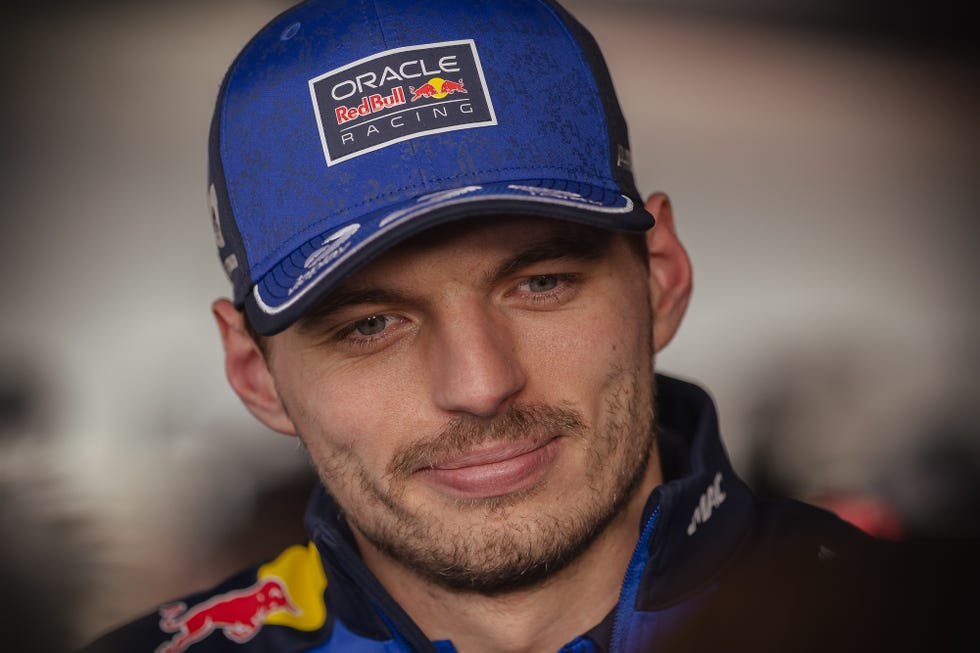
Verstappen has made clear his dislike for the rules from the start, and he agreed that the Bearman incident should prompt change. “Well, if it’s all about safety, it’s easy to fix things,” he said. “You can use safety for a lot of stuff. So maybe we should use the word “safety” for it, and finally, make some changes.”
@tinnekephotography
Asked where the focus for change should be, he added: “For me, it’s all the same. Of course, in qualifying, you don’t want to have this kind of lifting style. And there are a lot of other rules—not only about lifting, there’s also a lot other rules [about] where you can’t go flat, you have to lift or not, be close to flat and then put in a lift … I mean, it’s so confusing, everything, and that’s not how it should be. It’s all super-sensitive. To go faster, you need to basically go slower.”
If the four-time world champion is confused, the public can hardly be expected to be fully conversant with the nuances of the regulations and what it all means. The Dutchman’s ongoing frustration is something that the sport should to pay heed to; if the biggest star of the era (and a pure racer by spirit) isn’t happy, it doesn’t reflect well on the choices that were made for 2026. More worryingly, Verstappen is clearly so fed up that there’s already talk about him not being on the grid in 2027—whether that be a sabbatical or something more permanent. The key now is whether or not agreement can be made on changes that have a genuine impact.
Related Stories