
 4 min read
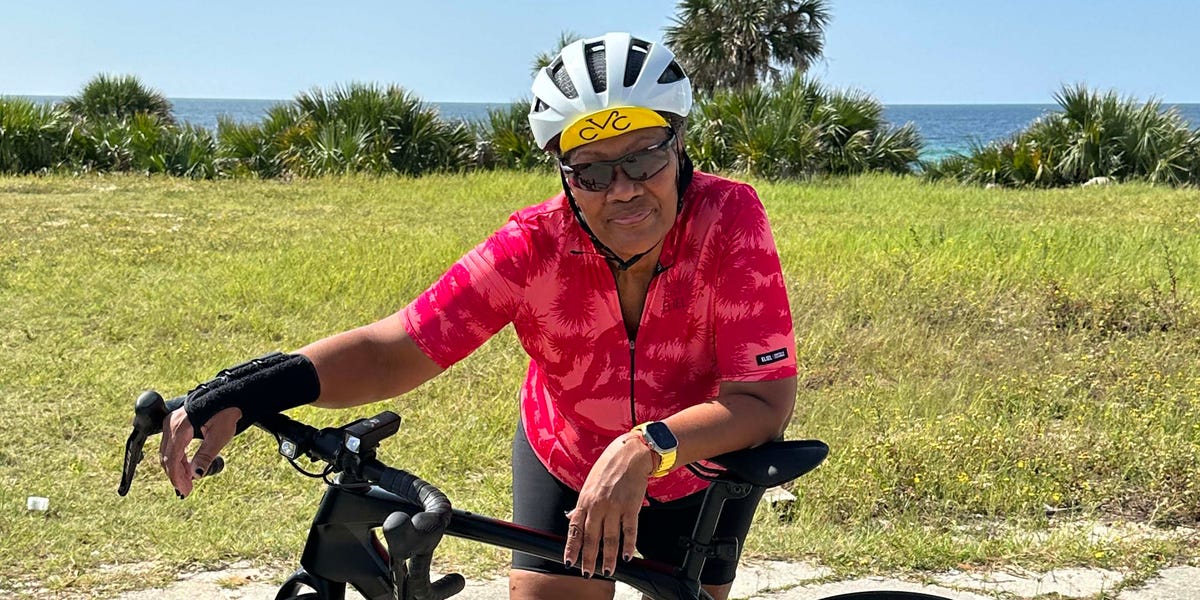
Patricia McNeal, 64, started riding in 2011 after her husband finally convinced her to get a bike so they could ride together. But she wasn’t immediately on board; McNeal admits that she tried to return it to the shop almost immediately, shocked by the sticker price.
“It took 25 years for my husband to get me on a bicycle, and when he first did it in 2011, I returned it,” she says. “I returned it back to the store, and I’m like, ‘Oh heck no.’ That is a true story.”
But the shop owner and her husband convinced her to keep the bike and give riding a try. After a few (slightly resentful) rides, she was hooked, and she’s been riding ever since. When she was hospitalized with a stroke in December of 2013, two years after she started riding, she recalls begging the doctor to let her go home, asking when she could start training again.
She credits being in good health prior to the stroke for her ability to recover, and her desire to get back on the bike as soon as possible for keeping her healthy since. “It literally saved my life, because if I hadn’t been riding my bicycle, I would not be here today as we speak,” she says.
McNeal is never afraid of a new adventure, whether it’s something fun, like riding across the country solo or something incredibly challenging, like recovering from a stroke. Over the course of these experiences, McNeal has learned to make the most of every situation, both in life and on the bike. After all, even if it’s not a good ride, it will likely make for a good story afterward. Here are some of the ways she gets the most out of her rides no matter what life or the road throws at her.
Be Open to Making New Friends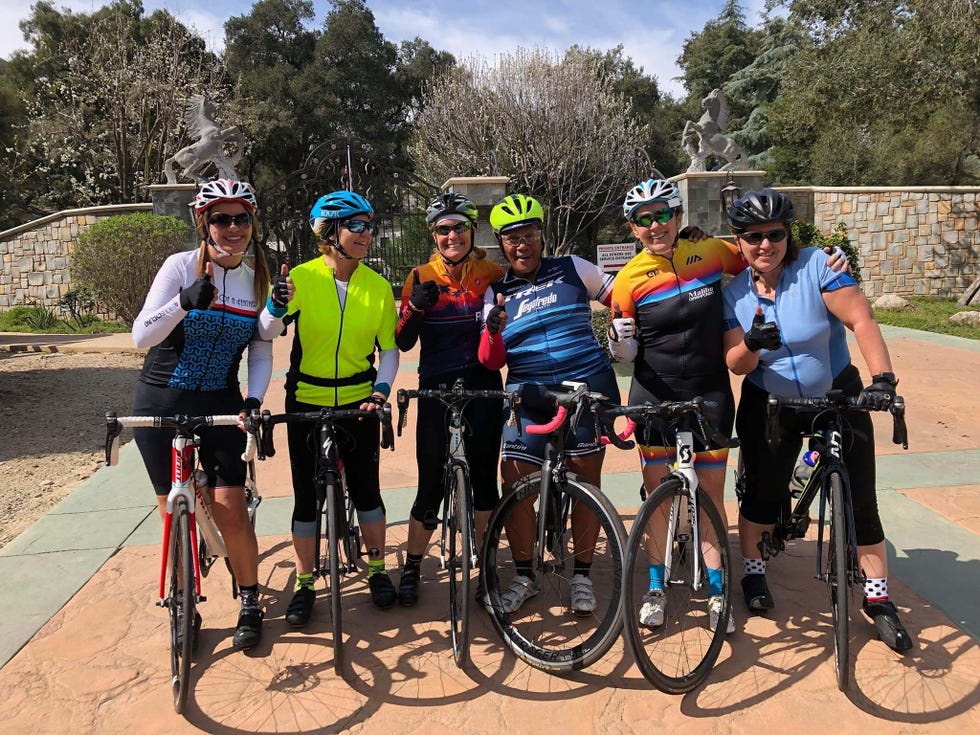
Courtesy Patricia McNeal
McNeal has ridden across the country, treating the ride like a speed-dating session for making new friends. She chatted with whoever sat near her in restaurants and diners, and she connected with other cyclists whenever she could.
Find a Goal-Setting Strategy That Works for You
Believe that small goals can be cumulative and, over time, translate into huge accomplishments. At first, McNeal thought riding across the country was just too far. At the time, she was coming back from a stroke, and she realized that many would have given up altogether.
What kept her inspired and motivated was when she began to realize that if she could ride 10 miles, then she could knock out 100. And if she could pedal 100 miles, that gave her confidence she could keep going even further. Suddenly, her coast-to-coast ride didn’t feel so daunting.
Learn to Shift Gears With Confidence
The topography of her cross-country ride was a big shock for McNeal, a rider who learned to pedal in pancake-flat Florida, because no one had really explained shifting to her. “I didn’t really realize I could change gears,” she admits. “My husband said that if you’re comfortable with that gear, you stay in that gear. So I did—until I had to get off the bike to walk. In Texas, I was walking, crying, going up those mountains. I was singing, making up songs, I thought I was Tupac.”
The challenge, she says, was eye-opening and taught her a lot about herself. And she’s now much more comfortable shifting gears while she’s climbing.
Keep Looking for New Challenges
Not every challenge needs to be a 1,000 miles or more. Sometimes, challenging yourself as a cyclist can look like expanding your training with activities that are new to you. Recently, McNeal added running to her cross-training, since it lets her be more efficient with her training when life gets busy. Last November, she did her first 5K with her son and her grandkids, and while she still prefers to pedal, she loves testing out new ways to move her body.
Forget About What Other People May Think
“People were doubting me the whole time,” she recalls of that cross-country adventure. “But I’ve learned that you don’t ever tell someone that they can’t do something, even when it seems impossible.”
Her advice to new riders? “Do it. Don’t get nervous. Just do it. Even if it’s only five miles, do it,” she says. But it’s not always easy to rally people behind you. “Don’t think about what people think of you,” McNeal adds.
She says even well-intentioned friends can make challenges that you want to tackle feel impossible if you let them. But that doesn’t mean that it is, regardless of age. After all, McNeal was in her mid-fifties and recovering from a stroke when she decided to ride across the country on two wheels. “I didn’t know nothing about cycling and what bike, what size, anything like that,” she says. “But I just did it.”