
Advertisement.
A nationwide nature strategy published by the federal government on Tuesday promises hundreds of millions of dollars for a new Arctic Indigenous Guardians program and investment in Wood Buffalo National Park.
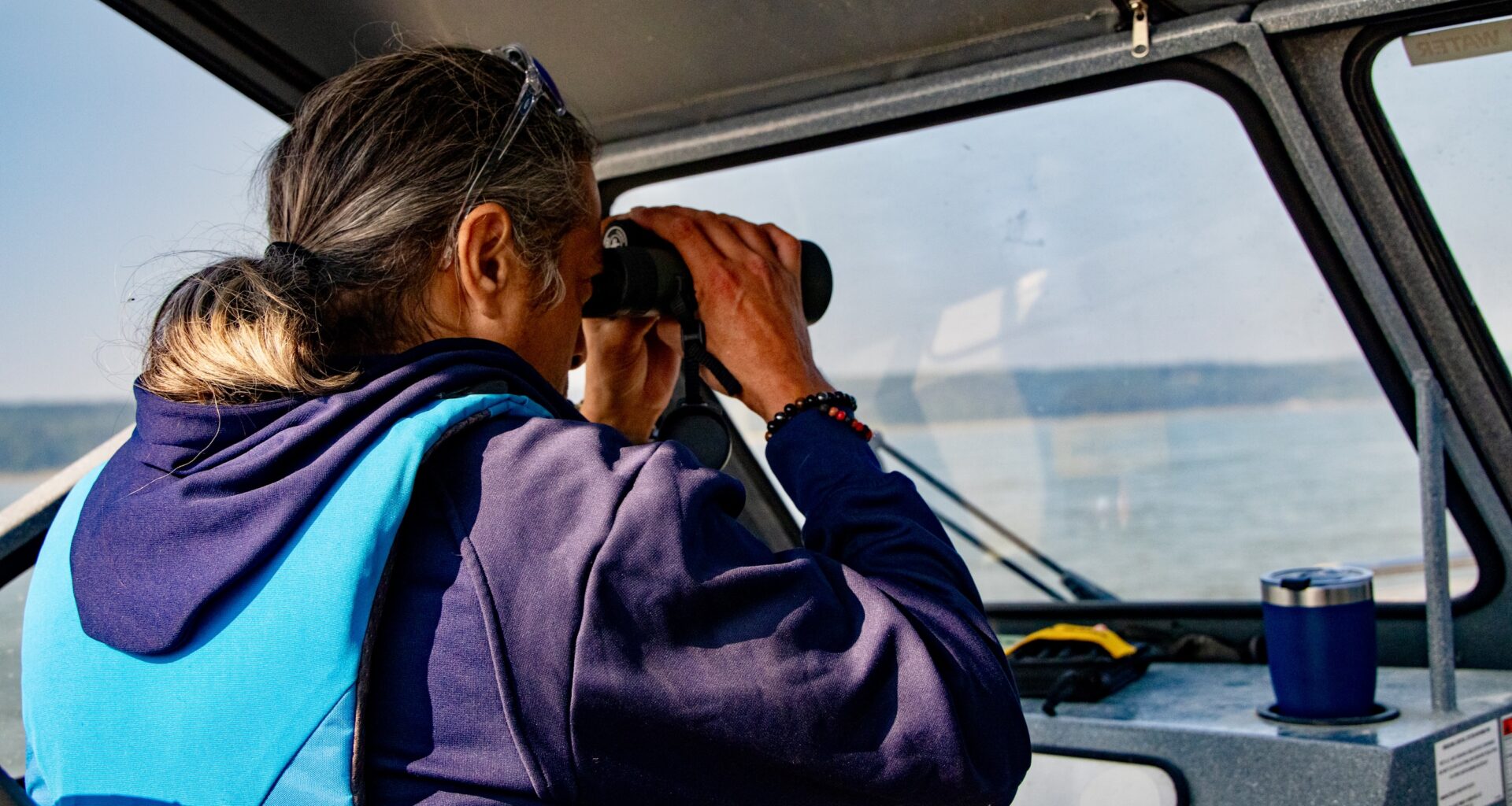
The strategy – titled A Force of Nature: Canada’s Strategy to Protect Nature – earmarks $230 million “to expand the Indigenous Guardians Program to establish a new Arctic Indigenous Guardians Program,” Prime Minister Mark Carney’s office stated.
Carney’s office said the recovery of wood bison populations along the Alberta-Northwest Territories border would be supported “through a $90-million investment into the Wood Buffalo National Park World Heritage Site Action Plan.”
Parks Canada has spent years working to address criticism from UN world heritage body Unesco that Wood Buffalo National Park could be unduly affected by issues like upstream dams in British Columbia and the potential release of treated tailings water in Alberta.
Advertisement.
Advertisement.
The $90 million will be spread over five years, the full 15-page strategy states, as will the Arctic Indigenous Guardians cash.
The high-level document does not go into more detail about how either sum of money will be spent.
“By investing in the Indigenous Guardians Program, we are expanding Indigenous-led conservation efforts and creating good-paying jobs and greater economic opportunities,” NWT MP and Liberal cabinet member Rebecca Alty was quoted as saying.
“This is how we protect the lands and waters people depend on while also building stronger, more sustainable communities.”
The strategy’s announcement was broadly welcomed by environmental advocates. Nature Canada called it a “meaningful step forward.”
Its other elements include:
funding for up to 14 new marine protected and conserved areas, and at least 10 new national parks and freshwater national marine conservation areas;
advancing the Seal River Watershed National Park Reserve in Manitoba;
investing in a Ghost Gear Fund “to further remove harmful fishing gear from Canada’s oceans”;
launching a task force on nature financing;
hundreds of millions of dollars to stabilize wild Pacific and Atlantic salmon; and
a National Water Security Strategy “to ensure healthy freshwater ecosystems and reliable access to clean, safe drinking water.”
Related Articles