
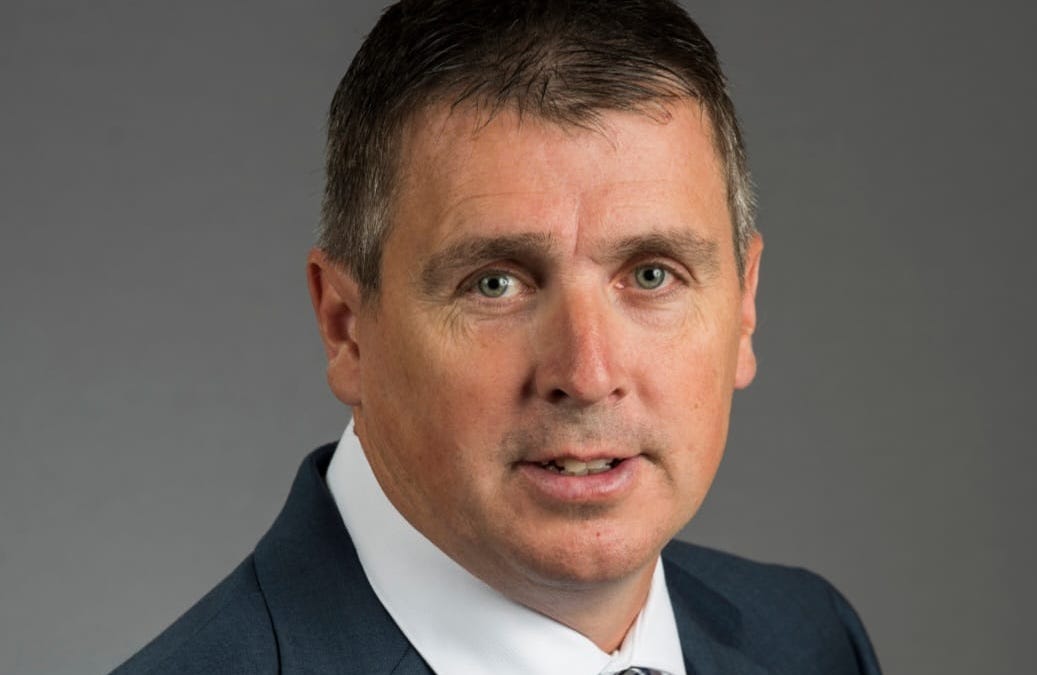
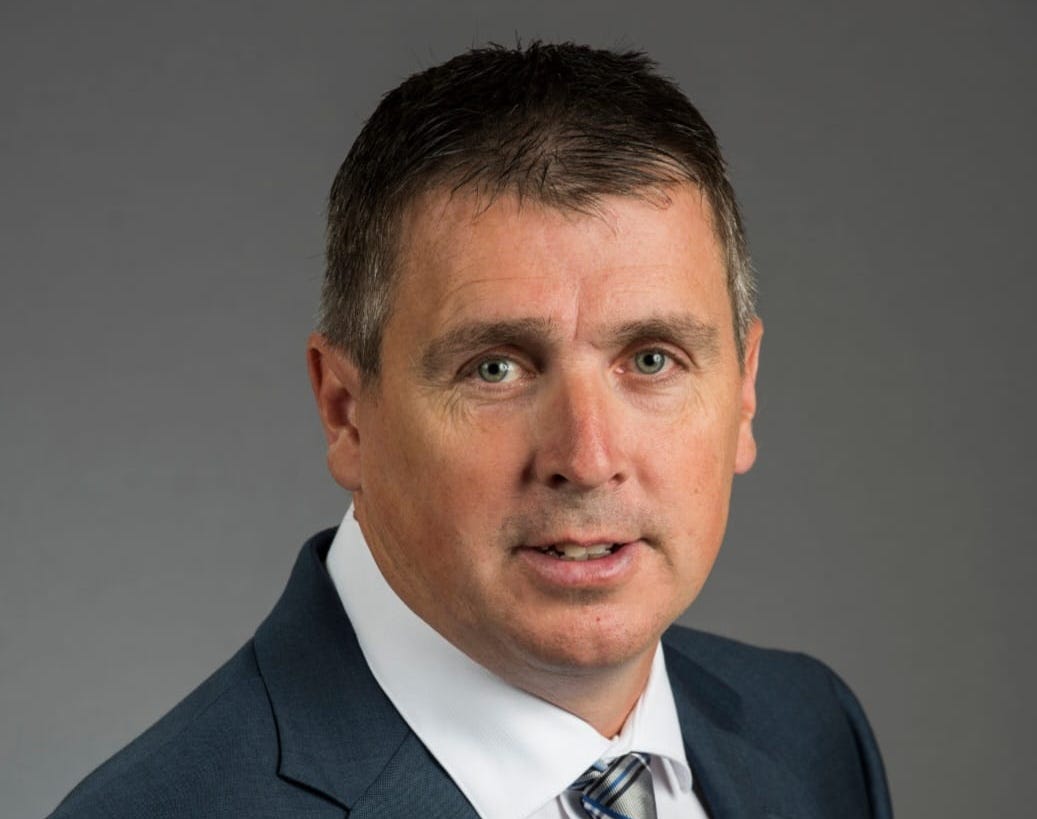
 Miramichi-Grand Lake MP Mike Dawson (SUBMITTED)
Miramichi-Grand Lake MP Mike Dawson’s decision to decline a parliamentary pay increase should not be controversial.
In fact, it ought to be recognized as a straightforward exercise of personal judgment, reflecting an awareness of the economic realities facing many Canadians, including Dawson’s own constituents.
Members of Parliament are, by any reasonable standard, well compensated. Their salaries, benefits, pensions, and allowances place them comfortably above the median income of the constituents they are elected to serve.
These are not modest earnings; they are funded entirely by taxpayers — many of whom are currently grappling with rising housing costs, food insecurity, and stagnant wages. Against that backdrop, Dawson’s choice to forgo an automatic, legislated raise is less a grand gesture than a modest acknowledgment of the widening gap in remuneration between elected officials and the public.
The controversy arises from the structure of parliamentary pay itself. Salary increases for MPs are tied to a formula and implemented automatically under federal law, removing the need for politically fraught votes on compensation.
While that mechanism was designed to depoliticize pay, it should not function as a moral straightjacket, nor should it be used as a cop-out by MPs opting to receive increases or House of Commons staff asked to withhold extra earnings. There is a meaningful difference between a system that ensures fairness and one that compels uniform acceptance, regardless of individual conscience.
Dawson’s critics — particularly voices within his own Conservative Party caucus — have framed his decision as performative or implicitly critical of colleagues who accept the increase. But that reaction misses the point entirely. Declining additional income is not an indictment of others; rather, it is a personal stance. To interpret it otherwise is to impose insecurity and defensiveness where none is warranted.
More troubling, however, is how tone-deaf that pushback appears in the current fiscal and economic climate. Canadians are being asked to tighten their belts, absorb higher expenses, and adjust their expectations, all amid runaway federal spending over the past decade and debt-servicing costs that have equalled or surpassed revenue from the five-per-cent Goods and Services Tax since 2024.
In that environment, dismissing or criticizing an MP for refusing a raise risks reinforcing a perception that politicians are out of touch with everyday struggles.
Public trust in institutions is not strengthened by rigid adherence to rules when those rules clash with reality and common sense. Nor is it bolstered by partisan reflexes that prioritize optics over empathy. If anything, Dawson’s decision offers a small but meaningful opportunity for elected officials to show responsiveness to the people they represent.
Parliamentarians should absolutely be compensated fairly for their work. Competitive salaries help attract qualified individuals and reduce the risk of corruption. But fairness does not require uniformity. If an MP believes that accepting a raise sends the wrong message at a particular moment, they should be free to act accordingly — without facing criticism from colleagues more concerned with internal optics than public perception.
In the end, this is not about one MP or a pay increase. It is about whether elected officials can exercise individual judgment in a system designed for consistency.
Dawson has made his choice. The more important question is why that choice unsettles others, and what that says about the current political culture in Ottawa.
Editor’s Note: The Northumberland Free Press reserves the right to publish editorials championing causes deemed to be in readers’ best interests. These pieces reflect the publication’s opinion as an institution, not necessarily those of any reporter, editor, columnist, or the editor-in-chief. Editorials will be clearly labelled as such in the headline and posted in the “Opinion” section of the site.