
Daily roundup of research and analysis from The Globe and Mail’s market strategist Scott Barlow
Rethink for global energy infrastructure
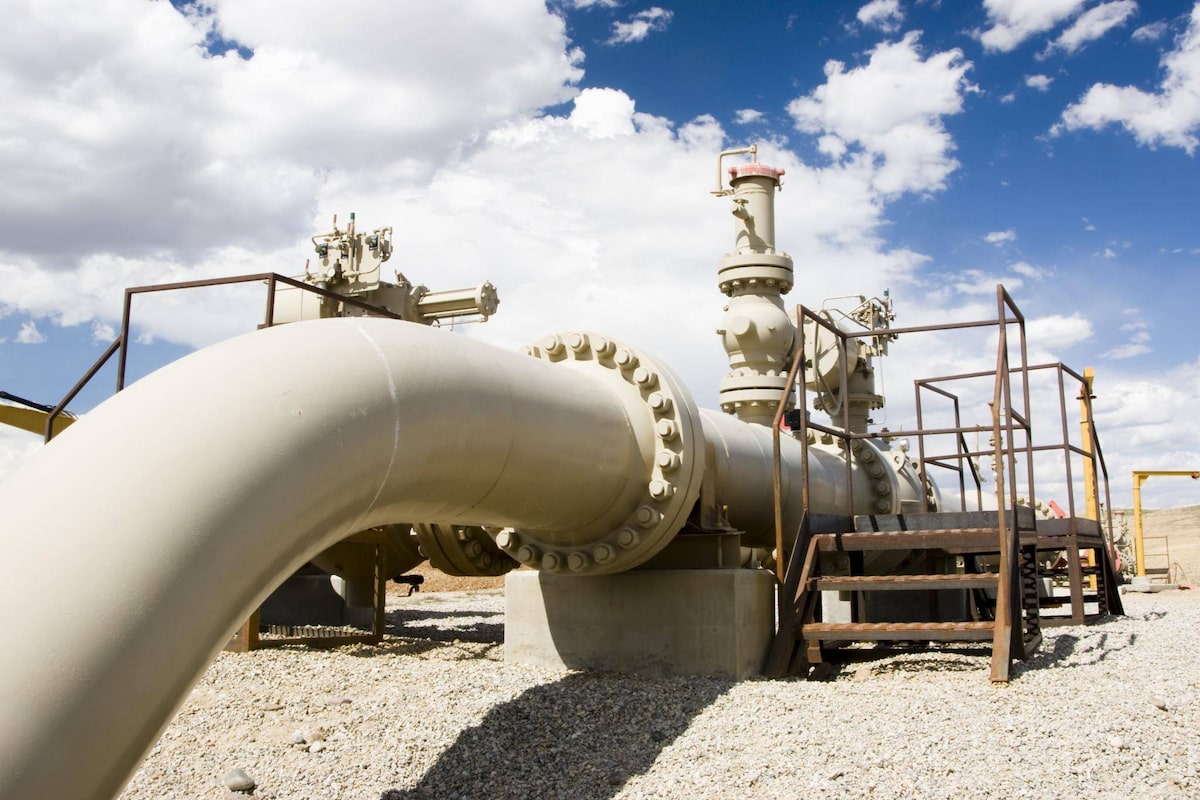
RBC Capital Markets head of global power, utilities and infrastructure research sees the potential for a Iran conflict response to benefit select Canadian and U.S. stocks in the energy sector,
“We see the potential for the war in Iran to drive several opportunities to increase medium to long-term growth. The war in Iran leads us to envision a scenario where energy-related commodity prices are elevated for an extended period of time, while supply chains will continue to be disrupted, leading consumers of energy to look to more stable sources of supply. If this unfolds, we see North America as a natural beneficiary within the energy infrastructure complex AltaGas (ALA): Near-term and long-term upside potential for LPG [liquified petroleum gas] exports. We highlight AltaGas as having the ability to supply LPG cargoes into the Pacific Basin today. Further, the company’s JV with Vopak is nearing completion of its 56,000 b/d REEF LPG export terminal that it expects to be done by the end of 2026, along with its Opti 1 project that should add 25,000 b/d of export capacity by H2/27 … Reversing concerns about a USGC LPG export overbuild – positive for numerous U.S. midstream stocks … LNG: Longer-term contracts to enhance cash flow visibility. Venture Global (VG) recently announced a new 1.5 Mtpa contract for five years with Vitol, and we believe this type of activity could continue in the U.S. Gulf Coast, which could also benefit Cheniere (LNG). For Canada, the upside could come in the form of a sanctioning of LNG Canada Phase 2 and the related Coastal GasLink pipeline expansion (TC Energy operated), which should benefit a broad range of Canadian midstream companies”.
Back to guns and butter
Richard Bernstein, founder of RB Advisors, suggests that the 1960s might be the correct prologue to today’s markets,
“Some observers today have drawn parallels between the recent oil price surge spurring inflation and the oil shocks of the 1970s. But there are also stark similarities to the 1960s Guns & Butter period. Investors should consider whether current geopolitical events and domestic politics could be mimicking the 1960s with longer-lasting effects than oil shocks have historically had … Today’s fiscal policy differs meaningfully from that of the 1960s. ‘Butter’ in the 1960s’ Great Society plan was broad-based spending programs for health care (Medicare and Medicaid), jobs, civil rights, education, and the environment. Some of those same programs are now being reduced or eliminated.
“By contrast, current fiscal policy’s Butter is primarily large tax cuts within the so-called One Big Beautiful Bill (OBBB) … The significant fiscal stimulus of tax cuts and defense spending is arriving when the labor markets are already healthy. Jobless claims, a leading indicator of employment and of the overall economy, are showing strength resembling the readings during the 1960s Guns & Butter period … Unlike asset returns over the past 5-10 years which were led by longer-duration investments like growth stocks, venture capital, and cryptocurrencies, shorter-duration investments outperformed during the Guns & Butter period as inflation began to accelerate. We realize well that it might be total heresy in today’s investment world to say this, but the fact is cash, the ultimate short-duration investment, was one of the better performing asset classes during the Guns & Butter period!”
“Reviving Guns & Butter?” – RB Advisors
Volatility priced in?
Morgan Stanley strategist Michael Wilson thinks markets reflect excess pessimism,
“The S&P 500 forward P/E ratio is now down 15 per cent from the October highs, a valuation drawdown that is as significant as during the growth scares of 2015 and 2023. But what’s different now is that this is happening as growth expectations have been improving. We believe the divergence between the S&P P/E and PMI trends supports our view that multiples have already suffered an appropriate degree of de-rating (barring an extreme tail event). Similarly, looking at P/Es versus NTM EPS growth expectations suggests the market is pricing in an earnings deceleration that appears excessively severe to us”
My takeaway here is to pay close attention to U.S. and international PMI results coming out in the next few days. Resilience would support Mr. Wilson’s outlook.
Bluesky post of the day
🚨 War! Inflation! Oil! Bond markets care, so why don’t stocks? Had a dig through index-level returns. www.ft.com/content/f269…
— Toby Nangle (@tobyn.bsky.social) April 1, 2026 at 7:15 AMDiversion
“An excellent expose: The biggest scams in hi-fi audio from the last 40 years” – A Journal of Musical Things