
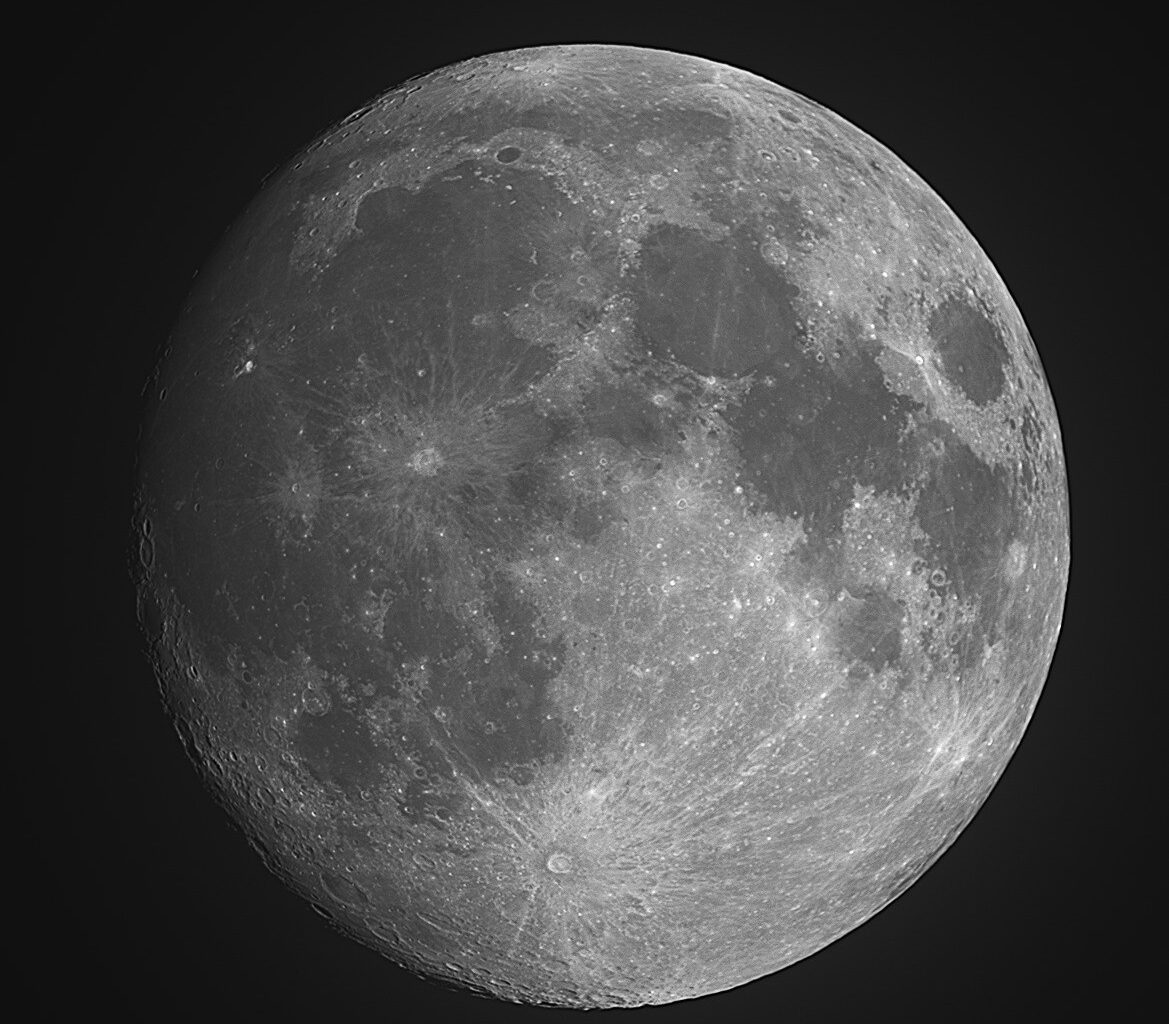
Skywatchers across Portage la Prairie will have a chance to look up and catch a springtime favourite tonight, as April’s full moon, commonly known as the “Pink Moon”, reaches its peak.
The full moon is expected to reach maximum illumination around 10:12 p.m., making it visible through the evening hours as it rises in the eastern sky over the Central Plains.
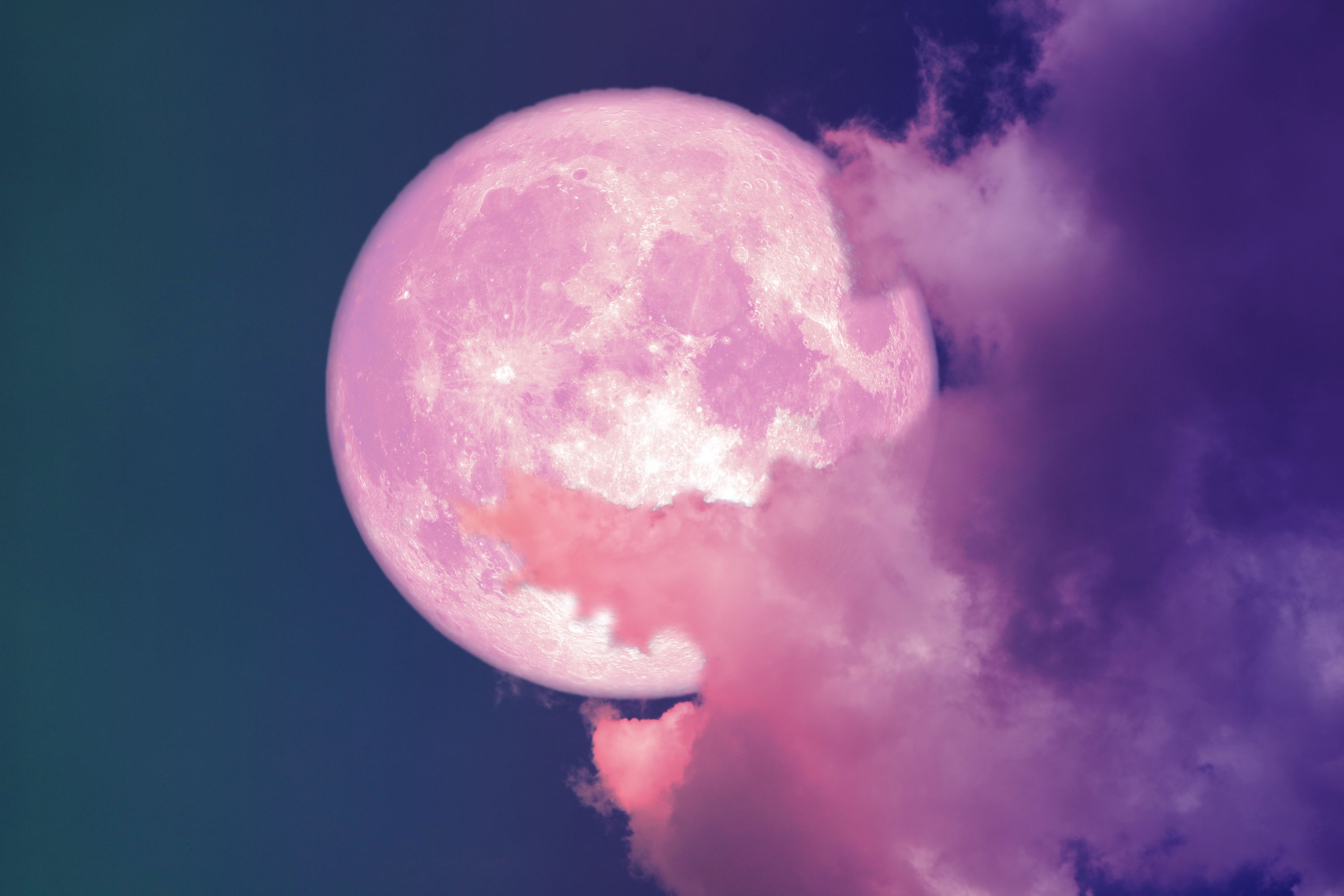
Despite the name, the moon won’t actually appear pink.
A familiar name but not what it sounds like
The term “Pink Moon” comes from early seasonal naming traditions tied to nature and the changing calendar. It refers to the time of year when certain pink wildflowers begin to bloom in parts of North America.
Scott Young, the lead astronomer from the Manitoba Planetarium, says that’s where some confusion can start for people.
“It’s not actually going to turn pink,” Young explains. “These names come from seasonal changes and what people were seeing in nature at the time, not from anything happening to the moon itself.”
While the Farmer’s Almanac helped popularize these names in the 1900s, the practice itself goes back much further.
Indigenous Peoples across North America have long used the moon to mark time, with names that reflected local conditions with everything from animal behaviour to seasonal shifts in weather.
That means “Pink Moon” is just one regional name among many, and not something that would apply everywhere.
Regional traditions and changing perspectives
Young notes that different parts of the world and even different parts of Canada would have had their own names based on what was happening locally.
“Each region had its own way of describing what was going on around them,” he says. “So, a name tied to spring flowers in one area wouldn’t necessarily make sense somewhere else.”
Those naming traditions were later collected and shared more broadly, helping shape how many people still refer to full moons today.
Why it’s trending again
The name has seen a resurgence in recent years, especially online, where full moons often become widely shared topics.
Young says that renewed attention is often driven more by presentation than by astronomy itself.
“These names get used a lot because they grab attention,” says Young. “But they don’t always come with much explanation, so people can end up expecting something more dramatic than what’s actually happening.”
In reality, the moon may appear more orange or golden as it rises. An effect caused by Earth’s atmosphere, not the season.
When and how to see it
The best viewing conditions will be shortly after sunset, when the moon rises above the eastern horizon.
No special equipment is needed, just a clear view of the sky. Open areas around Portage la Prairie and the surrounding region will offer the best sightlines, especially away from city lights.
Even if cloud cover moves in tonight, the moon will still appear nearly full for a night or two before and after its peak.
A Prairie reminder of the season shift
For those in Portage, the timing lines up well with the evening which makes it easy to step outside after supper or during a late walk.
Young says that while the name may get the attention, the moment itself is still worth taking in.
“It’s still a nice opportunity to get outside and look up,” he says. “Even if it’s just a regular full moon, it’s part of that seasonal shift we start to notice this time of year.”
As spring slowly settles into the region, the so-called “Pink Moon” becomes less about colour and more about marking the quiet transition into a new season.