
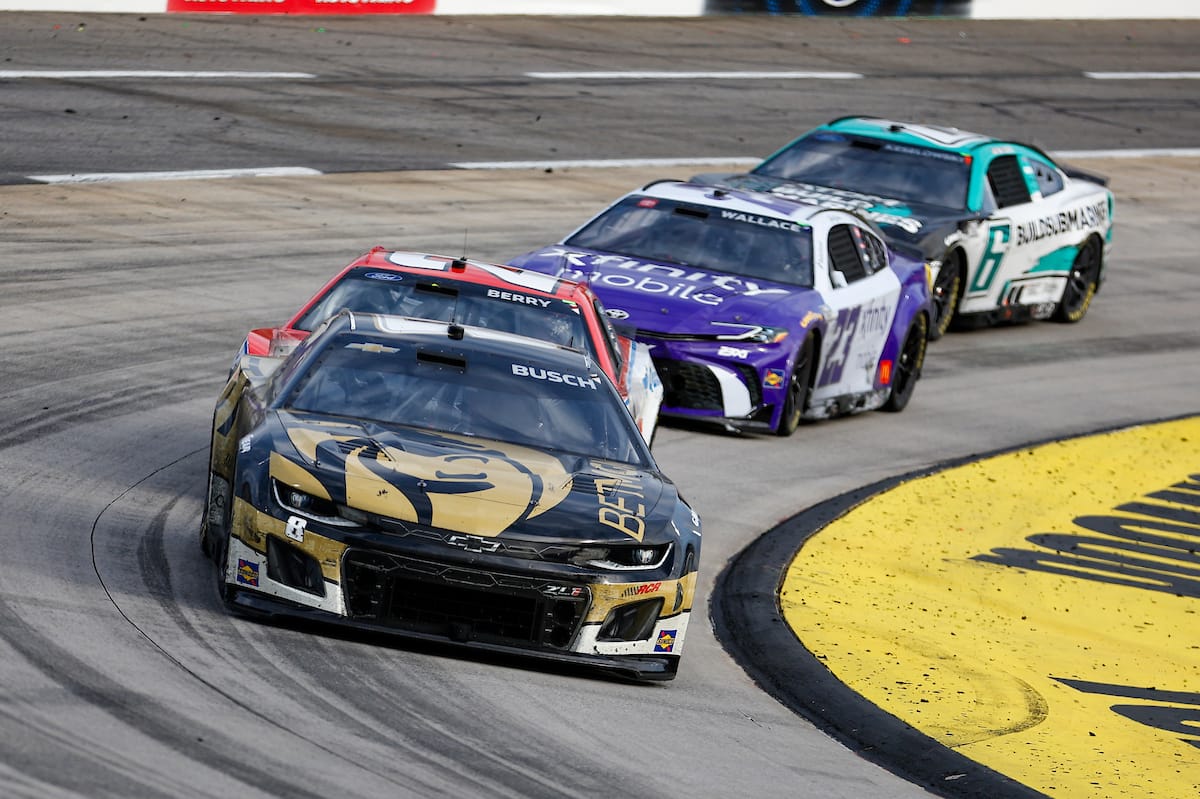
The relationship between NASCAR and sports betting has evolved dramatically over the past several years. What was once a casual conversation among friends at the track has become a structured, data-driven pursuit that deepens fan engagement every race weekend. With the 2026 Cup Series schedule spanning 36 points-paying races across some of the most iconic tracks in American motorsport, fans now have more opportunities than ever to put their racing knowledge to work.
From the season-opening Daytona 500 in February through the Championship 4 finale at Phoenix Raceway in November, each event on the calendar presents a unique set of variables. Track surface, weather conditions, tire strategy, pit crew performance, and even fuel management all factor into race outcomes. For fans who already track these details closely, sports betting offers a natural extension of their passion. Knowing where to bet on NASCAR races can transform a passive viewer into an active participant who follows every green flag restart, caution period, and pit stop sequence with heightened attention.
Understanding NASCAR-Specific Bet Types
NASCAR betting markets differ significantly from traditional stick-and-ball sports. Instead of moneylines between two teams, bettors navigate a field of 36 or more drivers, each carrying distinct odds based on qualifying speed, recent performance, and historical track data. The most common wager is the outright race winner bet, but the depth of NASCAR markets extends far beyond picking a single driver to reach Victory Lane first.
Top-finish bets allow bettors to wager on whether a driver will finish inside the top 3, top 5, or top 10. These markets are particularly popular because even dominant drivers like Kyle Larson or William Byron face enough variability in a 400-mile race that a top-5 finish bet at favorable odds can carry strong expected value. Head-to-head matchup bets pit two drivers against each other regardless of overall finishing position, making them ideal for fans who track teammate rivalries or equipment parity within organizations like Hendrick Motorsports or Joe Gibbs Racing.
Stage winner bets represent a uniquely NASCAR market. Since the introduction of stage racing in 2017, each Cup Series race is divided into three segments, with points awarded at the end of Stages 1 and 2. This format creates two additional betting windows within a single race. A driver who excels on long runs but struggles on restarts might be a stronger Stage 1 pick at a track like Pocono Raceway, where long green-flag runs are common, while a restart specialist like Christopher Bell might offer value in later stages after caution periods bunch the field.
Key Races That Drive Betting Activity
Image generated with AI via Runware
Not all races on the NASCAR calendar attract the same level of betting interest. The Daytona 500, held each February at Daytona International Speedway, consistently draws the highest wagering volume. As a superspeedway event where pack racing and drafting dynamics create unpredictable outcomes, the Daytona 500 often features longer odds across the board. Longshot winners are more common here than at any other race, making it an attractive event for bettors seeking large payouts.
The Coca-Cola 600 at Charlotte Motor Speedway, the longest race on the schedule at 600 miles, tests endurance and consistency. Betting markets for this Memorial Day weekend staple tend to favor drivers with strong intermediate-track records and reliable pit crews. Tyler Reddick and Chase Elliott have historically performed well at 1.5-mile ovals, making them common choices in top-finish markets for Charlotte.
Short-track events like the Bristol Night Race and the Martinsville fall race attract a dedicated betting audience as well. These races feature aggressive bump-and-run passing, high caution counts, and dramatic late-race confrontations. The variability at short tracks makes head-to-head matchup bets particularly interesting, as track position and clean air matter less than raw aggression and the willingness to move a competitor out of the way.
How NASCAR’s Playoff Format Shapes Betting Strategy
The NASCAR Cup Series Playoffs introduce an elimination structure that fundamentally changes driver behavior and, by extension, betting value. Sixteen drivers qualify for the playoffs based on regular-season wins and points. Over the course of 10 playoff races, the field is trimmed from 16 to 12, then 8, then 4 before the Championship 4 race at Phoenix.
During elimination races, drivers on the bubble take significantly more risks. A driver sitting 30 points below the cutline has nothing to lose by running an aggressive pit strategy, staying out on worn tires, or attempting a late-race pass that they might avoid during the regular season. For bettors, this creates opportunity. Identifying which drivers face elimination pressure and which have already locked in their advancement allows for more informed wagers on race winner and top-finish markets.
The Round of 8, which typically includes races at Las Vegas Motor Speedway, Homestead-Miami Speedway, and Martinsville Speedway, is considered the most strategically complex stretch of the season. Bettors who understand playoff point scenarios and the desperation factor often find edges that casual observers miss. Futures bets on the overall Cup Series champion also shift dramatically during this period, with odds fluctuating after each race based on points standings and momentum.
Live Betting During NASCAR Races
In-play or live betting during NASCAR races has become one of the fastest-growing segments of motorsport wagering. Unlike pre-race markets that close before the green flag drops, live betting allows fans to react to unfolding events. A multi-car accident on Lap 50 that takes out two favorites immediately reshapes the odds for the remaining field. A dominant car that suffers a loose wheel during a pit stop suddenly drops from the favorite to a mid-pack longshot.
This real-time element aligns naturally with how NASCAR fans already watch races. Many hardcore followers monitor live timing and scoring data, team radio communications, and pit strategy calls throughout the event. Translating that information into live wagers adds a layer of engagement that keeps fans locked in from start to finish, even during the long green-flag runs that sometimes develop at tracks like Kansas Speedway or Michigan International Speedway.
Comparing NASCAR Bet Types at a Glance
The following table breaks down the most common NASCAR betting markets, how they work, and which situations favor each type of wager.
Bet Type
How It Works
Best Suited For
Outright Winner
Pick the driver who wins the race
Superspeedway races with higher payouts
Top 5 / Top 10 Finish
Wager on a driver finishing in the top 5 or 10
Consistent drivers at intermediate tracks
Head-to-Head Matchup
Choose which of two drivers finishes higher
Teammate rivalries and equipment comparisons
Stage Winner
Pick the winner of Stage 1 or Stage 2
Long-run specialists at fuel-strategy tracks
Manufacturer Prop
Bet on which manufacturer (Chevy, Ford, Toyota) wins
Tracks where one brand historically dominates
Futures (Season Champion)
Wager on the overall Cup Series champion before or during the season
Identifying value before the playoffs begin
What Makes Motorsport Betting Different From Other Sports
Image generated with AI via Runware
Betting on NASCAR shares some structural similarities with golf betting, where a large field of competitors creates attractive odds and multiple finish-position markets. However, motorsport introduces variables that no other sport replicates. Weather can change mid-race, forcing a shift from slick tires to rain tires or triggering a red flag. Mechanical failures are unpredictable and can eliminate a dominant car at any moment. Pit road penalties for speeding or equipment violations routinely cost contenders multiple positions.
The team-based element also sets NASCAR apart. While each driver competes individually, organizations like Hendrick Motorsports (fielding Larson, Byron, Elliott, and Alex Bowman) and 23XI Racing (Reddick and Bubba Wallace) share technical data and setups. Understanding how information flows within multi-car teams helps bettors evaluate whether a driver’s strong practice speed is genuine or a product of a teammate’s setup. Fans who follow recent Cup Series team announcements often gain useful context about which organizations are allocating resources toward specific races on the schedule.
Track-specific preparation is another factor that separates NASCAR wagering from mainstream sports. A driver who dominates at Sonoma Raceway’s road course may struggle at Talladega’s 2.66-mile superspeedway. Reviewing detailed comprehensive NASCAR wagering breakdowns can help bettors identify which drivers consistently overperform or underperform at particular track types. Intermediate ovals, short tracks, superspeedways, and road courses each demand different skill sets, and the best NASCAR bettors specialize in reading those distinctions.
Building a Sustainable Approach to NASCAR Wagering
Long-term success in NASCAR betting requires discipline and a willingness to specialize. Rather than betting every race on the schedule, experienced bettors often focus on track types where their knowledge runs deepest. A fan who closely follows short-track racing may find consistent value in Bristol, Martinsville, and Richmond markets while avoiding superspeedway events where randomness diminishes the impact of research.
Bankroll management matters in NASCAR more than in many other sports because of the large field sizes. Even a well-researched outright winner bet will lose more often than it wins simply because 36 drivers start each race. Allocating a smaller percentage of a bankroll to longshot winner bets while placing larger positions on top-finish and head-to-head matchup markets is a common strategy among experienced NASCAR bettors. Tracking results over the course of a full season reveals whether a bettor’s edge is real or the product of short-term variance.
The 2026 season, with its mix of returning venues and evolving car performance under the Next Gen platform, offers a fresh landscape for bettors willing to dig into the data. Whether you follow every lap of every race or tune in only for the marquee events,