
TRIAD, N.C. — Dropping the green flag on the 2026 regular season, the sport of NASCAR is shifting gears in an effort aimed at flipping the script of recent declines in viewership and bringing new generations of fans to upcoming racetracks.
Upon the conclusion of last season, the NASCAR Cup Series experienced an approximate 14% drop in overall television ratings across its 38-race schedule.
In addition to this gradual decline of eyes on this motorsport, many fans throughout the heart of the season took to social media to highlight the lackluster attendance numbers. Several photos have been shared of half-filled grandstands, as some racetracks are historically receiving record-low attendance numbers over previous seasons.
With growing criticism from diehard fans about the current state of the sport, NASCAR officials went to the drawing board and brought critical changes to the table—to bring more excitement to its fan base and make racing more competitive.
This offseason saw major adjustments to both the sport’s postseason format and the performance of cars on the track.
Kicking off the new year, it was announced by NASCAR officials that all three national series would return to a similar postseason framework resembling “The Chase” used in the Cup Series from 2004 to 2013.
In previous seasons, a driver could clinch a playoff berth solely by obtaining a singular win—prompting many fans to express frustration with making races not as entertaining and not having much at stake.
Under these new guidelines, this championship procedure rewards full-season consistency while introducing a points model that aims to make each race hold importance to drivers finishing the season above the 16-spot playoff cutline.
This new postseason format includes each of the following notable changes:
Drivers qualify based on regular-season points; eliminates “win-and-you’re-in”Race winners now collect 55 points (15-point increase compared to last season)Points reset for playoff driversChampionship awarded to driver with most points at season’s end
On top of this major shift of postseason racing, NASCAR also approved a horsepower increase ar road courses and oval tracks less than 1.5 miles from 670 to 750 horsepower—in response to demands from drivers and fans for providing more speed to the Next Gen car.
Two-time NASCAR Cup Series champion Kyle Busch, who is in the midst of the last year of his contract for Richard Childress Racing, references just how this new playoff format has made room for error nearly nonexistent.
“Returning to the chase format that was once used for a long time, from a points stance, obviously, I raced in it for a few years,” Busch said. “You cannot afford one bad week in those final 10 races. If everybody else doesn’t have a bad week, there’s no mulligans. There are no throwaways. You’ve got to be perfect. You’ve got to execute [and] do your job.”
Busch also mentioned that when competing in the chase, singular poor performances at Kansas Speedway (2007), New Hampshire Motor Speedway (2008), and Talladega Superspeedway (2014) put a close to his championship aspirations.
The future Hall of Fame driver is racing in his 21st Cup Series season, and he has faced one of the toughest stretches of his professional career.
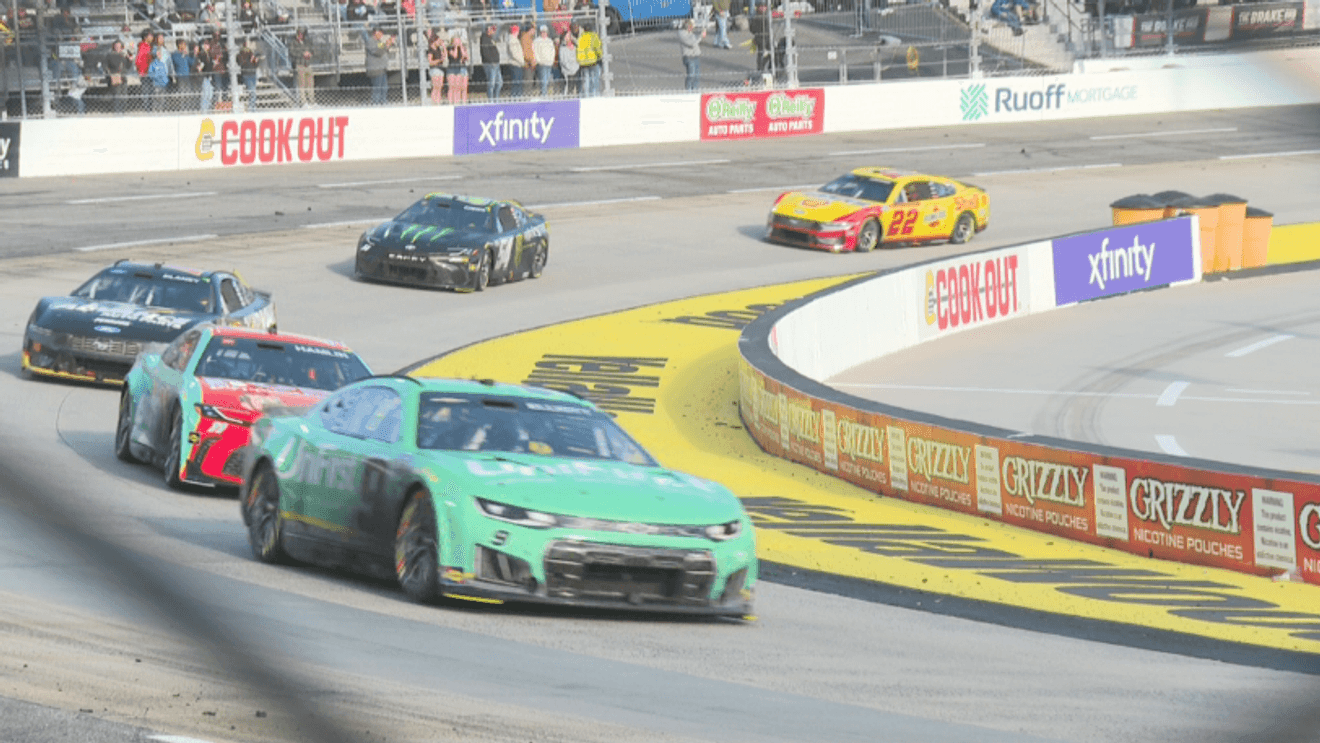
After finishing in 17th place most recently at Martinsville Speedway, Busch has now increased his winless streak to 100 races—having last captured a victory at Gateway on June 4, 2023—and marking the longest streak of his career.
Adding more fuel to the storylines to watch closely over the course of the season, Busch adds that the decision to bring in a new crew chief, Jim Pohlman, for the 2026 season has come with its fair share of developing chemistry and trial-and-error of becoming on the same page for race strategies.
“Bringing Jim [Pohlman] on board, that was the whole purpose of, you know, having a new crew chief, trying to kind of reinvigorate the team,” Busch said. “Bringing on some fresh ideas, trying to get ourselves back some speed in the right direction of what we know we’re capable of.”
With seven races completed so far this season, the offseason changes that were implemented have produced mixed results from a viewership lens.
In the 68th annual running of The Daytona 500, records indicate an average of nearly 7.5 million concurrent viewers and peaking at 9.2 million—the highest recorded since 2023.
Taking a closer look at the sport’s current popular market of viewership, the Piedmont Triad has continued to climb the ranks. According to data collected by NASCAR officials, Greensboro/High Point/Winston-Salem took the checkered flag as the top region tuning in for the Great American Race.
Clay Campbell, who currently serves as the track president of Martinsville Speedway, describes the challenge that comes with balancing traditional marketing for diehard supporters and appealing to the new generations of potential motorsport fans.
“Things have changed to the point where, you know, the way we advertise, the way we market, is different from what it used to be,” Campbell said. “We probably have the oldest demographic of fans in all of sports, but a mixture of college-type kids, anywhere between 20 to 30 years old, that’s what we’re going for.”
On the other hand, the latest stop on the NASCAR Cup Series schedule at Martinsville Speedway saw small drops in both viewership and attendance numbers compared to last season.
It should be noted that those in attendance did, however, set a track record of the number of infamous Martinsville hot dogs purchased, with over 50,000 sold across the track’s concession stands.
In anticipation for the 2026 regular season, the NASCAR Cup Series also unveiled a decisive rebranding with a campaign catering toward the sport’s nostalgic instances of aggressive racing, tempers flaring, and identity of fast-paced, high-energy competition.
Officials say this campaign serves as the next step for reinforcing the roots of what made diehard fans fall in love with the sport and introducing the raw side of the sport for potentially new spectators.
Following Easter break, the NASCAR Cup Series will be starting engines at Bristol Motor Speedway for the running of the Food City 500 on Sunday, April 12, at 3:00 p.m. EST.