
Wish for loan program
Re: Carney says he’s still committed to green incentives promised during leadership race (April 1)
It’s good news, especially for those who have cash on hand to buy an electric vehicle, that the federal and provincial incentives are still in place.
However, instead of giving rebates which favour the rich, I wish these programs would instead offer low- or free-interest loans which would be more likely to help those with less cash on hand.
The ridiculous savings of driving an electric car would probably cover the loan payments, especially for less costly used electric vehicles.
Stuart Williams
Winnipeg
Greater provincial achievements
Re: Kinew should make ‘history’ again with tax relief, beleaguered Manitobans say (March 31)
Wab Kinew is quoted as saying that his 2024 gas tax holiday was “the most important thing that a provincial government ever did in the history of Manitoba.”
My first reaction was that it must be an early April Fools’ joke. Apparently not. And unfortunately, it is the type of self-aggrandizing hyperbole we hear from another politician these days.
Is it really more important than, say: Premier Duff Roblin’s construction of the Red River Floodway? A courageous decision that cost the Tories the next election and was criticized as “Duff’s ditch” by many (until their homes were saved by it).
Premier Ed Schreyer’s amalgamation of a hodgepodge of municipal governments in the Greater Winnipeg area into “Unicity” to provide co-ordination and consistency in municipal services? Or his introduction of public auto insurance that has been so successful, it has not been seriously challenged in the 50 years since?
Premier Gary Filmon’s work to address the financial mess he inherited (that was subsequently exacerbated by Prime Minister Jean Chretien “solving” the federal deficit by reducing transfer payments to the provinces)? In 1995, Filmon achieved Manitoba’s first balanced budget in 20 years and two years later, lead the fight against the “Flood of the Century.”
Premier Gary Doer who balanced the provincial budget for 10 consecutive years and enhanced the Red River Floodway to provide even more protection than its initial design?
The premiers on these and many other issues, focused on balancing legacy achievements with fiscal prudence. Wab Kinew may one day join the pantheon of Manitoba premiers above but a one year cut to the gas tax that significantly increases Manitoba’s deficit was not even a good start.
Robert Pruden
Winnipeg
Premier Wab Kinew’s decision to suspend the provincial tax on gasoline most certainly made life for some Manitobans slightly more affordable but it’s far from being the most consequential financial decision a leader of the the province has ever made.
That distinction would go to Duff Roblin, whose persistence in building the floodway has saved billions of dollars over the course of its lifetime and will continue to do so with each and every spring that the Red River overflows its banks.
The ramifications of the gas tax are a welcome albeit temporary respite whereas Roblin’s actions will benefit Manitoba’s treasury for generations to come. There are times when historical context does truly matter.
Dan Donahue
Winnipeg
Social workers are professionals
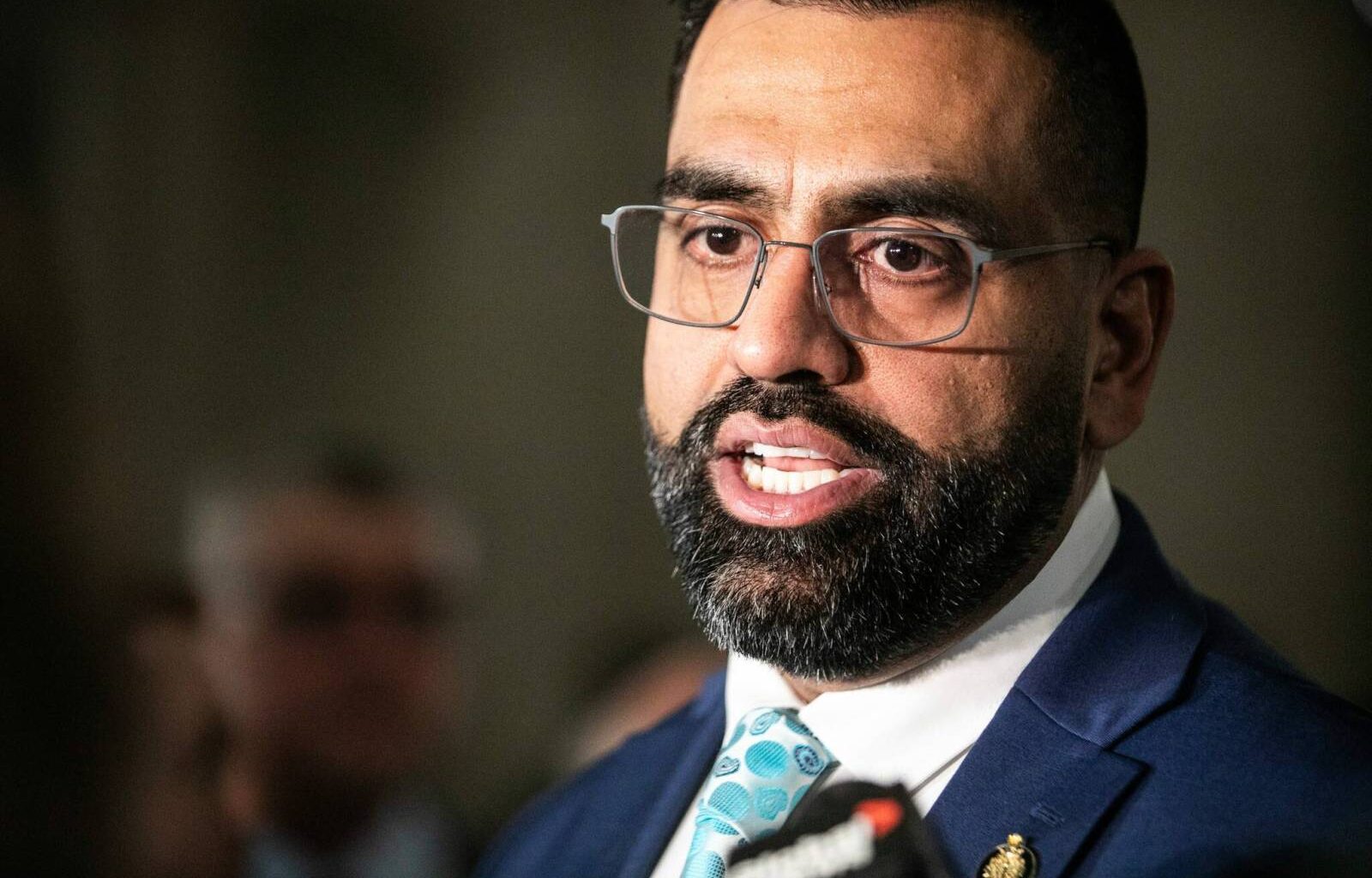
Re: Khan in hot water over ‘deeply dismissive’ social worker remarks (April 1)
I am writing regarding Obby Khan’s remarks in the Manitoba Legislative Assembly on March 26 in which he stated that social workers are “not mental health professionals.”
Those comments have caused significant concern within Manitoba’s social work community and among those of us who have worked for decades in child welfare, public systems leadership, and mental health service delivery.
I am a long-standing advocate for the profession of social work and have served in senior leadership roles within Manitoba’s public service and child welfare systems, including as Manitoba’s advocate for children and youth, executive director of the Child Protection Branch, and chief executive officer of Winnipeg Child and Family Services.
Across these roles, I have worked alongside, and relied upon, the expertise of registered social workers as essential providers within multidisciplinary mental health and human service systems.
In Manitoba, registered social workers are regulated professionals under provincial legislation. The practice of social work is defined in The Social Work Profession Act, and the Manitoba College of Social Workers identifies the scope of practice as including many who provide psychosocial assessments and interventions, counselling, psychotherapy, group therapy, family therapy, and related services. Many social workers provide frontline mental health assessment, counselling, crisis response, trauma-informed care, and therapeutic intervention across community, health, child welfare, school, and justice-related settings.
To suggest that social workers are not mental health professionals risks misrepresenting both their legislated role and their actual practice. It also risks undermining public confidence in services that Manitobans rely upon every day.
Khan’s remarks carry broader implications. Statements made in the legislature shape public understanding of professions, influence policy dialogue, and affect recruitment and retention in already strained service systems. At a time when Manitoba continues to face significant mental-health workforce pressures, accuracy and care from elected leadership matter.
This concern is especially important considering Manitoba’s recent advancements in workplace safety and health legislation recognizing psychological safety in the workplace. Social workers routinely work in complex, high-exposure environments involving cumulative psychological demands. Leadership statements that diminish or mischaracterize their professional role contribute to workplace strain and undermine broader efforts to build psychologically safer environments for those delivering essential public services. Accurate representation of professional roles is a meaningful component of supporting workforce well-being in these sectors.
For these reasons, I respectfully request that Khan:
Issue a correction in the Legislative Assembly acknowledging that registered social workers in Manitoba are regulated professionals whose scope of practice includes the provision of mental health services; and
Provide a public clarification through media channels to help ensure Manitobans receive accurate information about the role social workers play within the province’s mental health system.
This is not simply a matter of professional pride. It is a matter of public understanding, workforce respect, and confidence in the services that support vulnerable children, families, and communities across Manitoba.
Social workers are essential contributors to Manitoba’s mental health infrastructure. Their work deserves to be represented accurately and responsibly by those entrusted with public leadership.
I would welcome the opportunity to see this matter addressed promptly and constructively.
Daphne Penrose
Winnipeg