
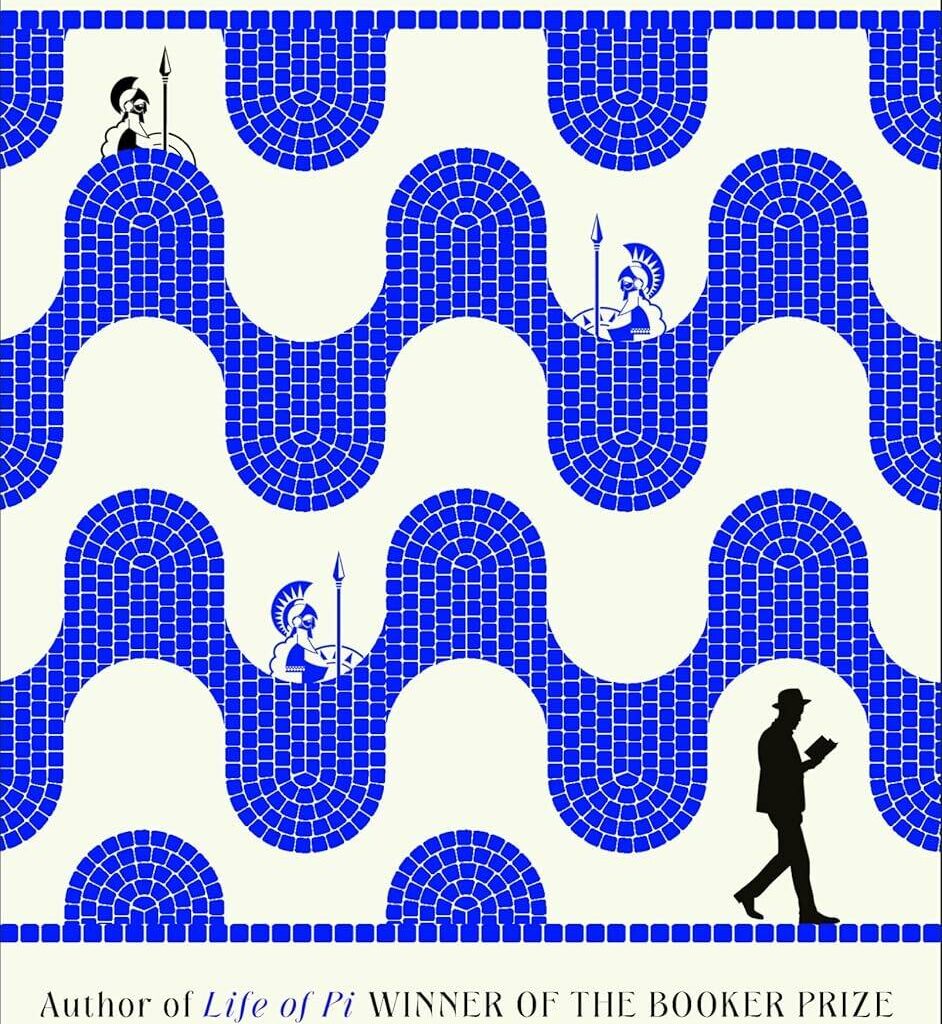
As with other contemporary retellings of classical texts (Margaret Atwood’s The Penelopiad, Madeline Miller’s The Song of Achilles, Pat Barker’s The Silence of the Girls, Jennifer Saint’s Elektra), this challenging, rewarding new work by Canadian writer Yann Martel looks at the Trojan War from another angle, chronicling the decidedly unheroic experiences of an ordinary foot soldier.
Best known for 2012’s bestselling, Booker Prize-winning The Life of Pi, the Saskatoon-based Martel is obsessed with stories — why we need them, how we share them, why some narratives last while others are lost.
In this retelling of the Iliad, Martel relates not the noble exploits of the “god-blooded,” gold-bedecked heroes of the Trojan War, but the everyday miseries of Psoas, a humble cheesemaker from a scrubby hillside outside Midea, and his battles against rats, lice, fleas, mud, hunger and homesickness.
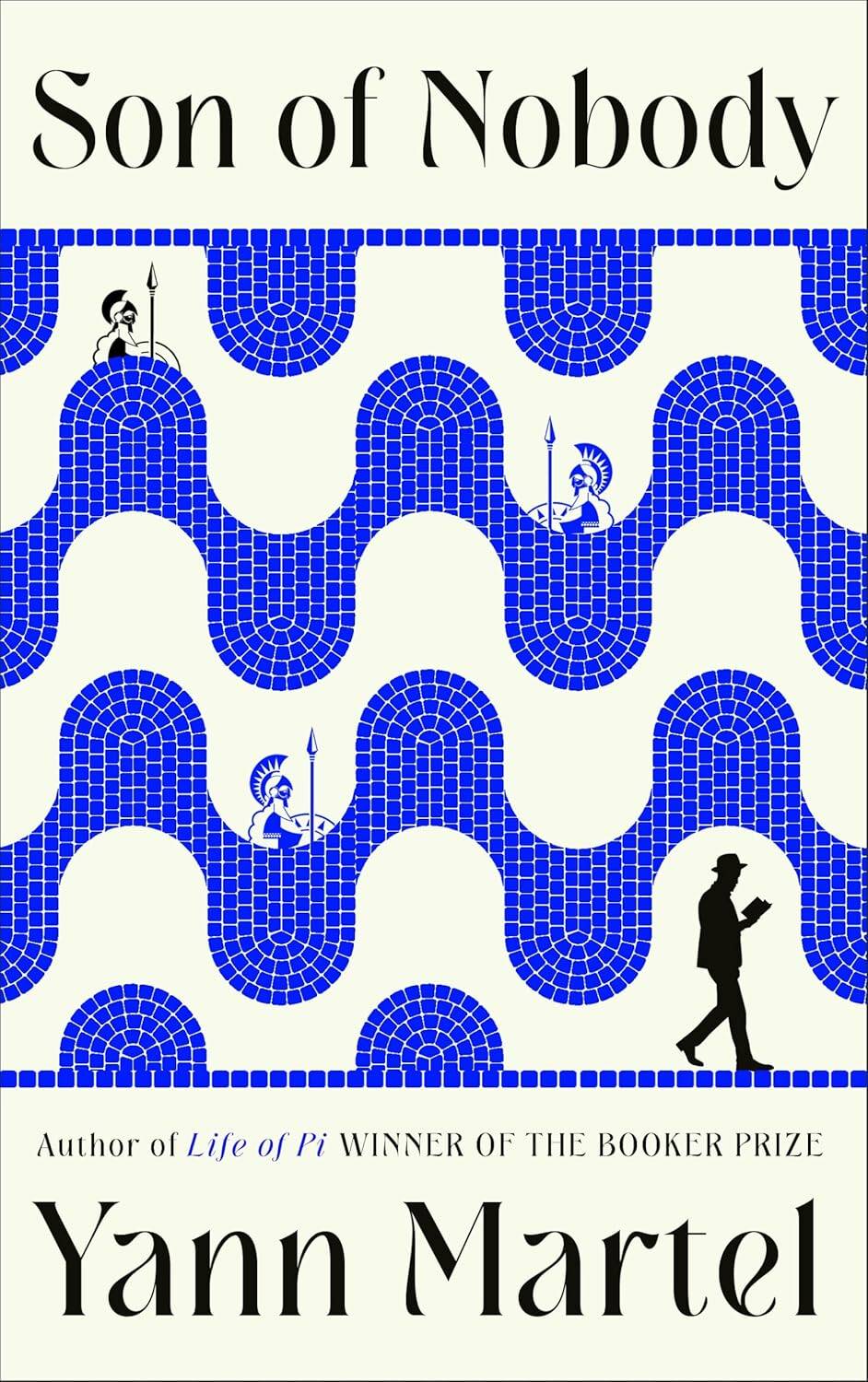
Son of Nobody
Martel relates this story of a common man through the eyes of another common man, Harlow Donne, who is working on his PhD in classics at a Saskatchewan university when he is offered a year of study and research at Oxford.
He leaves behind the repeated arguments and long silences of a slowly fracturing marriage. When his wife, Gail, sees him off at the airport, she whispers in his ear, “Don’t come back.” But Helen, their little daughter, misses him terribly, as he misses her.
In Oxford, under the cranky tutelage of Professor Cubitt, who refers to Harlow’s home institution as “the University of the Unpronounceable,” Harlow stumbles onto some fragments that seem to relate the tale of a “son of nobody” during the 10-year siege of Troy.
Calling it The Psoad, Harlow starts a translation of this epic poem, finding resonances — both universal and personal — in the saga of Psoas, a hapless man far from home.
Martel relays this double story through an experimental form. Each page of Son of Nobody is divided by a black line, with the poem above and Harlow’s scholarly footnotes below.
The poem initially appears in short bursts, while the footnotes discourse extensively on such scholarly topics as dactylic hexameter, the historic locations of Aegean harbours and the translations of George Chapman, Alexander Pope and Emily Wilson. Harlow discusses parallels between the Homeric epics and the Hebrew Bible and Christian Gospels and speaks of the tricky connections among fact, myth and story. “History, however true, needs interpreting, and fiction, however invented, arises from life and reflects it,” he suggests.
Gradually, the epic account of the siege of Troy becomes more prominent and compelling, with its rolling rhythms, its insistent repetitions, its magisterial lists of men and things. Harlow’s rediscovered poem proposes an entirely different version of the war’s causes, while indicting the leaders of the armies for a litany of lies and false promises to their men.
Still, as with Vladimir Nabokov’s Pale Fire, also constructed as commentary on a manuscript, one senses that Harlow is becoming an unreliable source (sometimes wonderfully so). The translation becomes freer, to the point where Hades, lord of the underworld, starts boasting about his exercise regimen (squats, planks, pull-ups) and Helen of Troy is referred to as “a hot wife.”
The footnotes, meanwhile, become more intimate. “In Greek epic, no one listens and no one gets along. Then there’s hell to pay,” Harlow writes, and one realizes he is talking also of his own situation, especially the growing conflict between his commitment to the timeless life of the mind and his wife’s quotidian practical concerns.
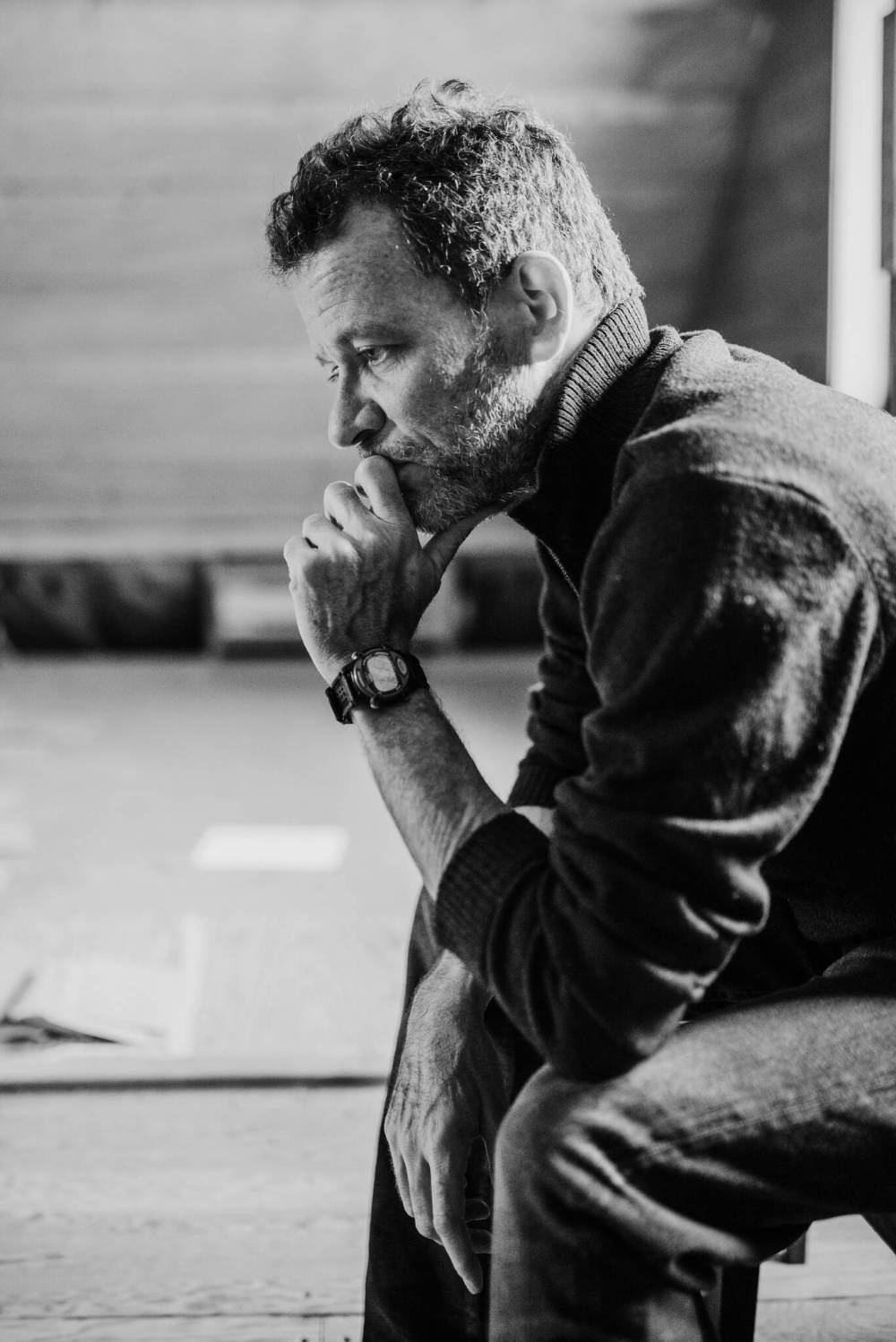
Emma Love photo
Yann Martel’s meditation on our mortal lives, and how they are given shape and meaning through storytelling, is moving.
(By making Gail an executive at a meatpacking plant while Harlow is off pondering the nature of truth in the Bodleian Library, Martel might be weighting this fight a bit unfairly.)
Winnipeg Free Press | Newsletter

Eventually, the hints at family problems accumulate, the unanswered phone calls pile up, until Harlow’s work and life converge in in a terrible tragedy, one that seems to exact a terrible cost for literary achievement.
Some readers will find this event moving. Others might find it manipulative and forced.
Ultimately, Son of Nobody functions better as a novel of ideas than an emotional domestic drama. Like his protagonist, Martel doesn’t quite face the ramifications of that failing marriage, but his mediation on our mortal lives and how they are given shape and meaning through storytelling is profound.
Alison Gillmor writes on movies for the Free Press.
Yann Martel launches Son of Nobody on Tuesday, April 14 at 7 p.m. at McNally Robinson Booksellers’ Grant Park location, where he’ll be joined in conversation by Free Press literary editor Ben Sigurdson.

Studying at the University of Winnipeg and later Toronto’s York University, Alison Gillmor planned to become an art historian. She ended up catching the journalism bug when she started as visual arts reviewer at the Winnipeg Free Press in 1992.
Our newsroom depends on a growing audience of readers to power our journalism. If you are not a paid reader, please consider becoming a subscriber.
Our newsroom depends on its audience of readers to power our journalism. Thank you for your support.