
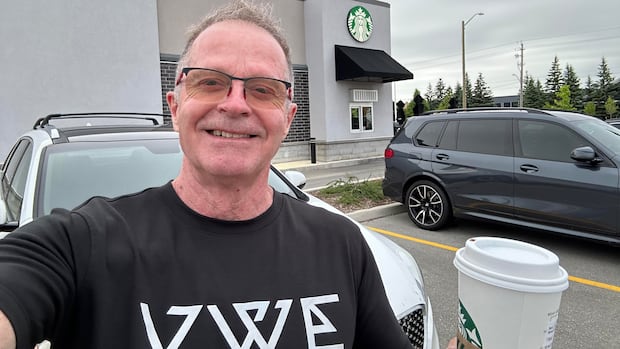
Ontario securities regulators are seeking millions of dollars in penalties against a London-area businessman for allegedly breaching securities rules while selling his shares in a B.C. biotech company.
The Ontario Securities Commission (OSC) has completed its investigation of Thorndale-based businessman Robert Freeman, documents obtained by CBC News show. The OSC alleges the 72-year-old “perpetuated a fraud” and deceived investors while selling shares in a B.C.-based biotech company he helped found.
Freeman, a prominent entrepreneur who sold his company, London Telecom, for $76 million in 1999, told CBC News he’s hired a lawyer and plans to fight the allegations.
An OSC filing alleges Freeman breached securities rules by selling $4.8 million worth of his shares of Qu Biologics Inc. (QBI) between 2009 and 2024 to 190 investors, before transferring those funds into accounts of his company, Plover Mills Farms Inc.
The OSC filing alleges Freeman used investor agreements to create the false impression that the title of his shares could be transferred to buyers while also being held by Freeman in trust. The OSC says Freeman could not legally sell his shares without approval of the QBI board.
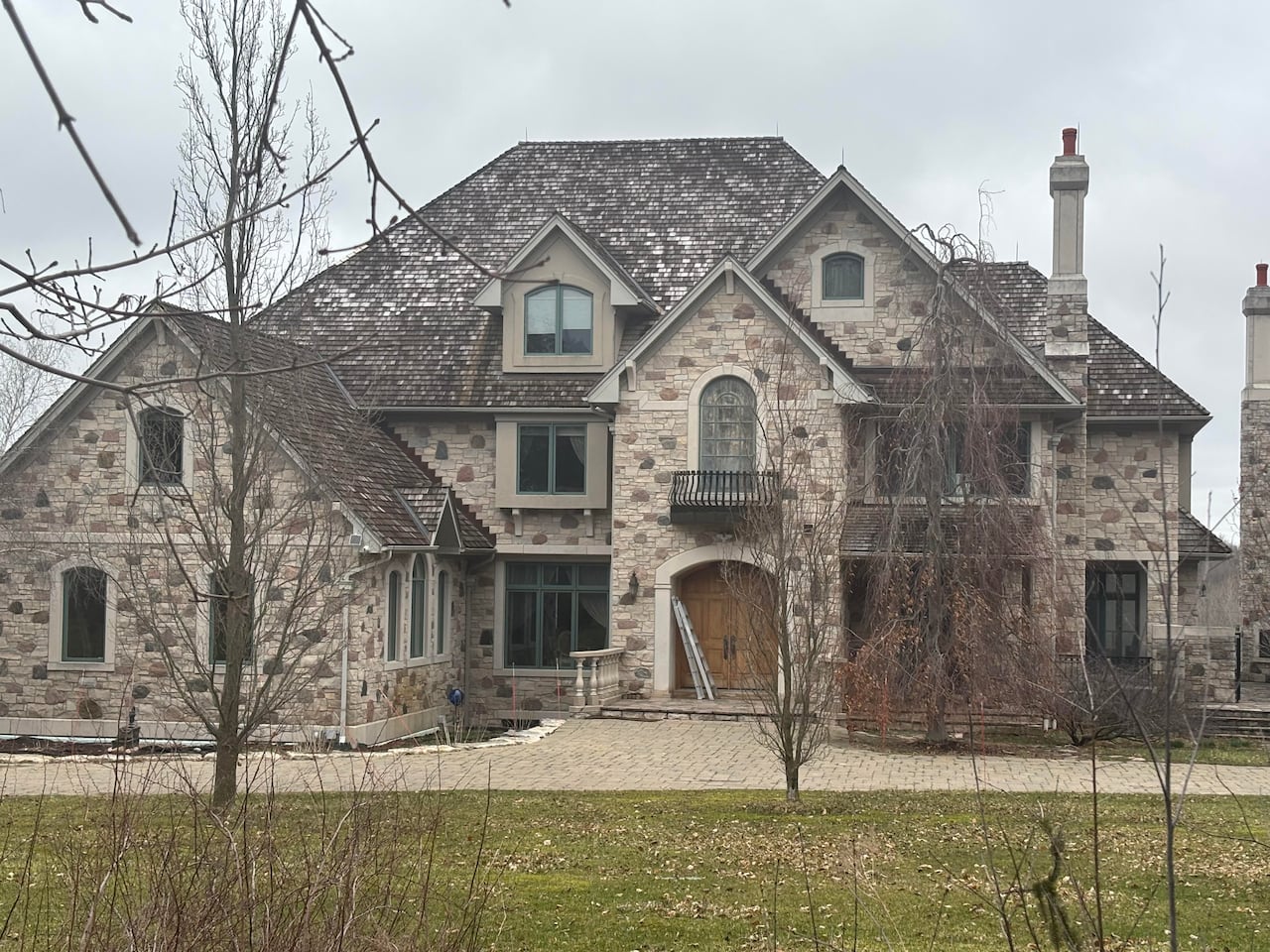 Freeman built this 13,000-square-foot mansion known as Avalon after his company, London Telecom, was sold in 1999. He’s now facing an enforcement proceeding by the Ontario Securities Act. (Andrew Lupton/CBC News)
It also alleges that to some of the investors, Freeman falsely presented himself as acting on behalf of other shareholders who wanted to sell their shares.
A number of other securities violations are alleged in an OSC application for enforcement document.
According to the OSC, the purchasers weren’t properly qualified to buy shares in the company because there wasn’t a prospectus (a statement of detailed financial information about a company for prospective investors). Such share sales require a prospectus exemption before investors can be qualified.
“Freeman has never been registered to engage in the business of trading and his sales of QBI shares breached the registration agreement,” the document says. “Freeman engaged in a course of conduct that he knew would perpetrate a fraud on investors.
“Freeman’s sale of QBI shares to investors also constituted illegal distributions and unregistered trading.”
The OSC is an independent Crown agency that regulates capital markets in the province, including enforcing the Ontario Securities Act, with the goal of protecting investors from unfair, improper or fraudulent practices.
None of the allegations against Freeman have been proven.
Barred from trading securities
The OSC has obtained orders that bar Freeman from trading securities as this case continues. The Capital Markets Commission — an independent division of the OSC that conducts hearings, makes decisions and imposes sanctions under the province’s securities act — held a preliminary hearing on Feb. 9.
Freeman says it’s all a misunderstanding and the OSC has falsely characterized his actions as fraudulent.
“There’s no fraud, there’s no ill-intention here,” he told CBC News. “I told every investor that I would be holding the shares and it says so in our trust agreement.”
Freeman started London Telecom in 1988. In the pre-internet days of expensive long-distance calling, he set up his own network of long-distance lines, boosting competition in a telecom industry dominated by big players such as Bell.
He sold his company to Primus in 1999 for $76 million and built a 13,000-foot-stone mansion, called Avalon, on the shores of the Thames River north of Thorndale. Shortly after, he was diagnosed with non-Hodgkin’s lymphoma, a cancer of the lymphatic system.
“I had a five per cent chance to live,” Freeman said.
He spent the years after the sale travelling the world in search of alternative cancer treatments.
Hal Gunn was one of the doctors who treated Freeman, in Vancouver. Gunn’s method employs a form of immunotherapy that, according to a statement on the company’s website, treats disease “by restoring innate immune function in a specific targeted organ.”
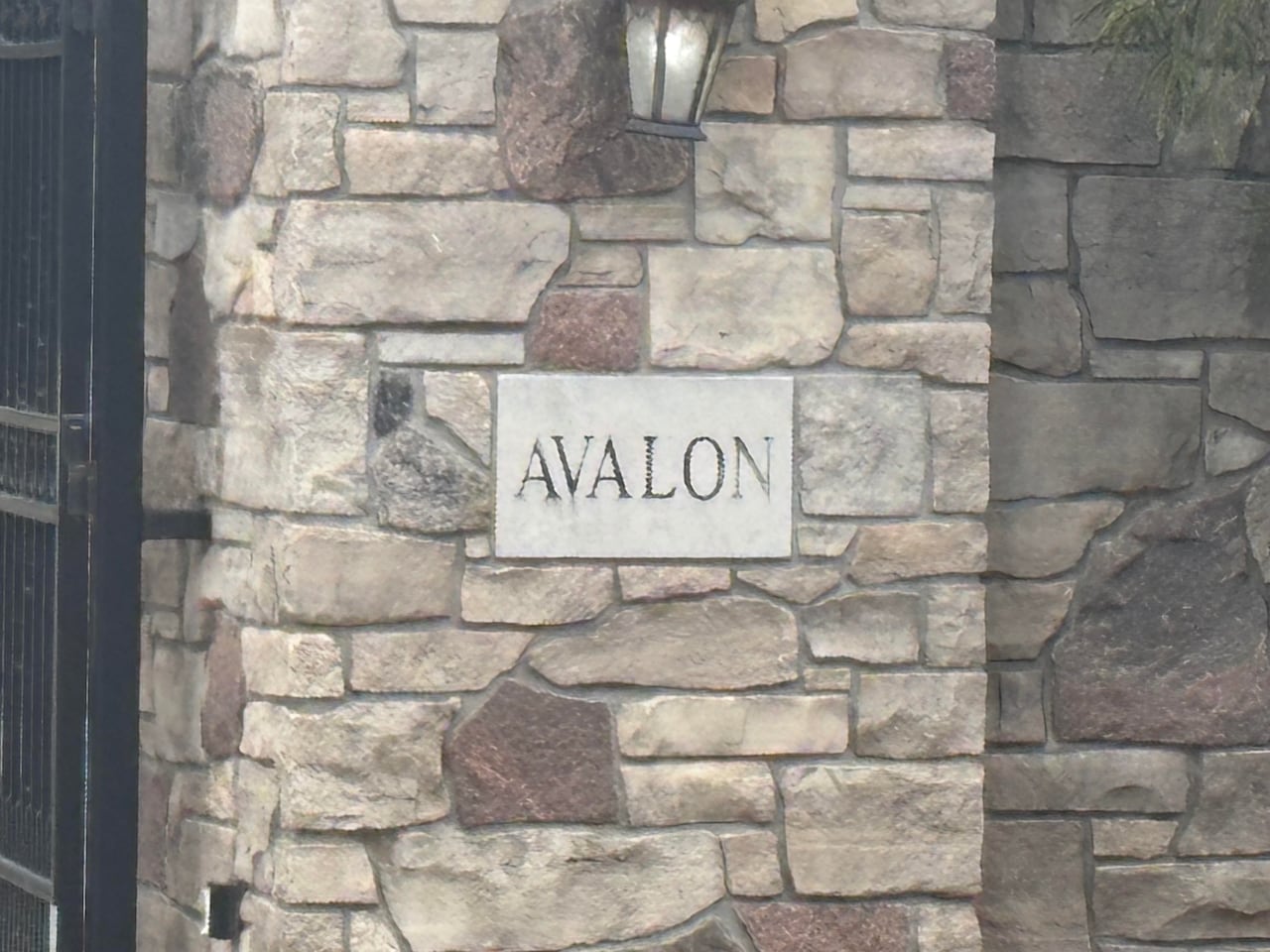 The entrance of Avalon, Freeman’s mansion north of Thorndale. (Andrew Lupton/CBC News)
Freeman credits Gunn with saving his life, and joined Gunn in becoming an investor and director in Qu Biologics. The company is not publicly traded. Its website claims to have multiple patents pending, with clinical trials underway as part of the company’s research.
‘Going to fight this with every nickel I have’
Freeman denies he committed fraud by selling his shares in QBI. He insists he was helping people buy into the company who otherwise would not qualify as investors under securities rules.
Freeman said he used a $2-million personal bank loan to buy shares, then sold them to investors with an agreement to “hold them in trust” on behalf of the buyer.
He said he did not solicit the sale of the shares and that interested investors reached out to him, eager to buy in.
As for why the share-purchase money ended up in the accounts of Plover Farms, Freeman said he had to pay back his bank loan to cover his share purchases.
He said he didn’t notify the QBI board about the share sales because he wasn’t aware it was a requirement.
“I didn’t know that I had to do that if I was just selling them under the trust agreement.”
Freeman said he has hired a lawyer and plans to defend himself through the OSC hearing process.
“You could say that I’m a little bit naive on these rules and regulations, and that’s really the sum total of what’s happening here and why I’m being hung out to dry,” he said. “I’m going to fight this with every nickel I have.”
Freeman’s other business venture is Vison Without Eyes. According to its website, the company offers seminars to train people, including individuals who are visually impaired, to develop enhanced sensory perceptions that allow them to “see” while blindfolded. It’s an ability the company calls “mind sight.” A nine-day seminar scheduled for London in August costs $2,695 US (about $3,750 Cdn), which includes food and accommodations.
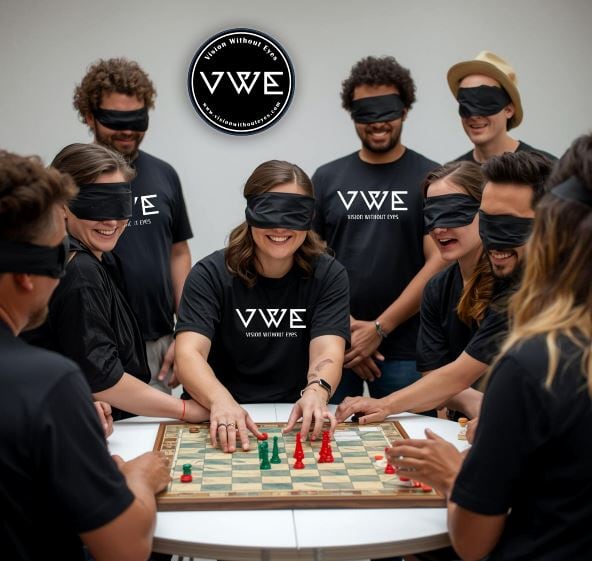 An image from the website Vision Without Eyes, which offers seminars in which participants learn about ‘mind sight.’ (https://www.visionwithouteyes.com/)
Freeman also has a Facebook page, Rob Freeman UFO World Explorer, which arranges UFO research trips in locations such as Peru. Participants meet experts and learn about night-sky photography in what Freeman describes as a “passion project.”
Biotech company distances itself from Freeman
In a statement, Gunn, the Qu Biologics CEO and doctor, said Freeman was an original investor in the company, but has “had no active role” in 12 years.
“Qu Biologics and Qu Biologics’ board of directors did not and would not support or approve sale of shares to non-accredited investors,” it said.
The OSC has two streams of investigations into alleged breaches of securities rules: Regulatory cases, and quasi-criminal cases that include more serious allegations of fraud and often involve police. OSC officials say the case involving Freeman is a regulatory case.
The OSC has requested that the tribunal be cleared to apply fines, penalties and court costs of up to $5 million for each failure to comply with securities rules, depending on the outcome of the hearing. The tribunal can also order Freeman to pay back investors and permanently bar him from being involved as a company director and in trading securities.
Freeman’s case is next scheduled to come before the tribunal in June for a case management conference, which OSC officials say is a preliminary stage of the hearing process.