

Listen to this article
Estimated 5 minutes
The audio version of this article is generated by AI-based technology. Mispronunciations can occur. We are working with our partners to continually review and improve the results.
Eight days and thousands of oral and written submissions later, Calgary’s public hearings on blanket rezoning have come to an end.
City councillors are expected to pick up the discussion on Wednesday, when a potential vote could result in repealing the contentious housing policy.
The marathon public hearing kicked off on March 23. Since then, council heard from 411 speakers, and received nearly 3,300 written submissions from residents who wanted the policy repealed, replaced or left intact.
Blanket rezoning allows for more multi-unit housing types, such as rowhouses or fourplexes, on lots that were previously only zoned for single-family homes.
The hearings came two years after council held its longest public hearing in its history on the same subject, which featured 700 speakers over 12 days. Council voted later that year to move forward with blanket rezoning.
But after opposition to blanket rezoning became a core platform point in several successful campaigns during last fall’s municipal election, city council voted 13-2 in December to begin the process to repeal it.
Mayor supports repeal
Mayor Jeromy Farkas supports replacing blanket rezoning with a more targeted approach to development. He said the public hearings were helpful to hear more about the uncertainty and lack of affordability some residents are feeling as Calgary grows.
“I was pretty clear in terms of my campaign commitments to pursue a repeal of blanket rezoning, but we can’t stop there. We need to provide housing in a way that is affordable and sustainable for Calgarians,” said Farkas.
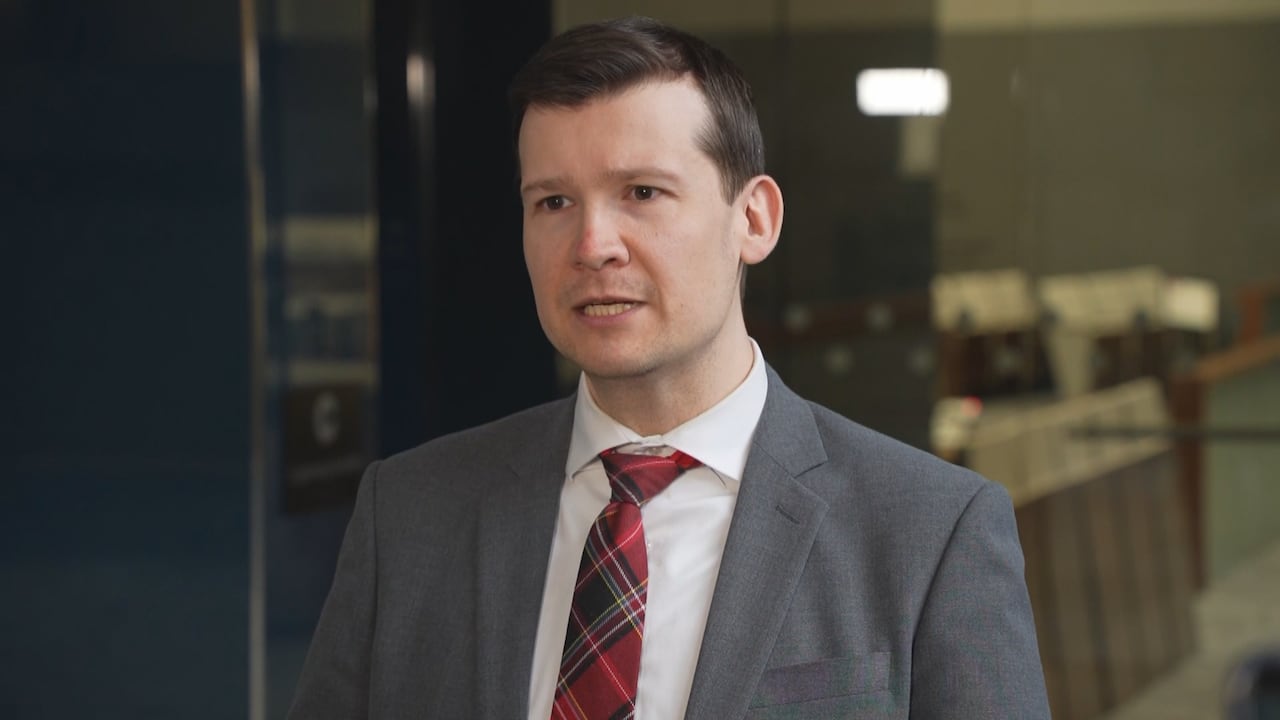 Calgary Mayor Jeromy Farkas says he wants to introduce more local area plans, for more targeted city growth, instead of the current blanket rezoning policy. (CBC News)
If blanket rezoning is taken off the table, Farkas argued local area plans should be used to consult communities directly about the best ways to manage density and growth in their neighbourhoods.
“If council is going to ask Calgarians to support more density and development in their neighbourhoods, it needs to come with a tangible benefit,” said Farkas.
“To be clear, more neighbours is a benefit. But we need to provide for the schools, we need to provide for the amenities, the infrastructure alongside that. And that addresses, I think, the lion’s share of the frustration that Calgarians have on this topic.”
Ward 4 Coun. DJ Kelly said he plans to bring a notice of motion to council that pushes to develop local area plans for all communities around Calgary.
Kelly pointed to neighbourhoods in his ward that have fewer people living in them than at their population peak, and how it’s more expensive as a result to provide the same services in those communities. And that becomes even more difficult to afford as the city faces a widening infrastructure gap, he said.
“I’m worried about how much more expensive that’s going to become if we don’t manage to grow in our neighbourhoods,” said Kelly.
The city’s website says local area plans can take two to three years to complete, which means council should move quickly to develop more plans, Kelly said.
Debate to continue Wednesday
With just 11 public speakers to hear from on Tuesday morning, some councillors wanted to keep debate going that same day.
Instead, council voted 7-6 to recess until Wednesday. When they return, they’ll ask clarifying questions about blanket rezoning to city administration, suggest amendments to the motion on the table, debate and potentially vote on repealing blanket rezoning.
“I think we’ve spent a lot of time on this particular topic. And I think everybody already has an idea of what’s coming next,” said Ward 1 Coun. Kim Tyers.
But Farkas argued council needs time to review new public submissions on the debate that were received over the long weekend.
“If we are going to tell Calgarians that we are going to accept emails, letters, correspondence, I have a good faith obligation to review and read through those,” said Farkas. “Whether ultimately it influences my decision one way or another, that remains to be seen.”
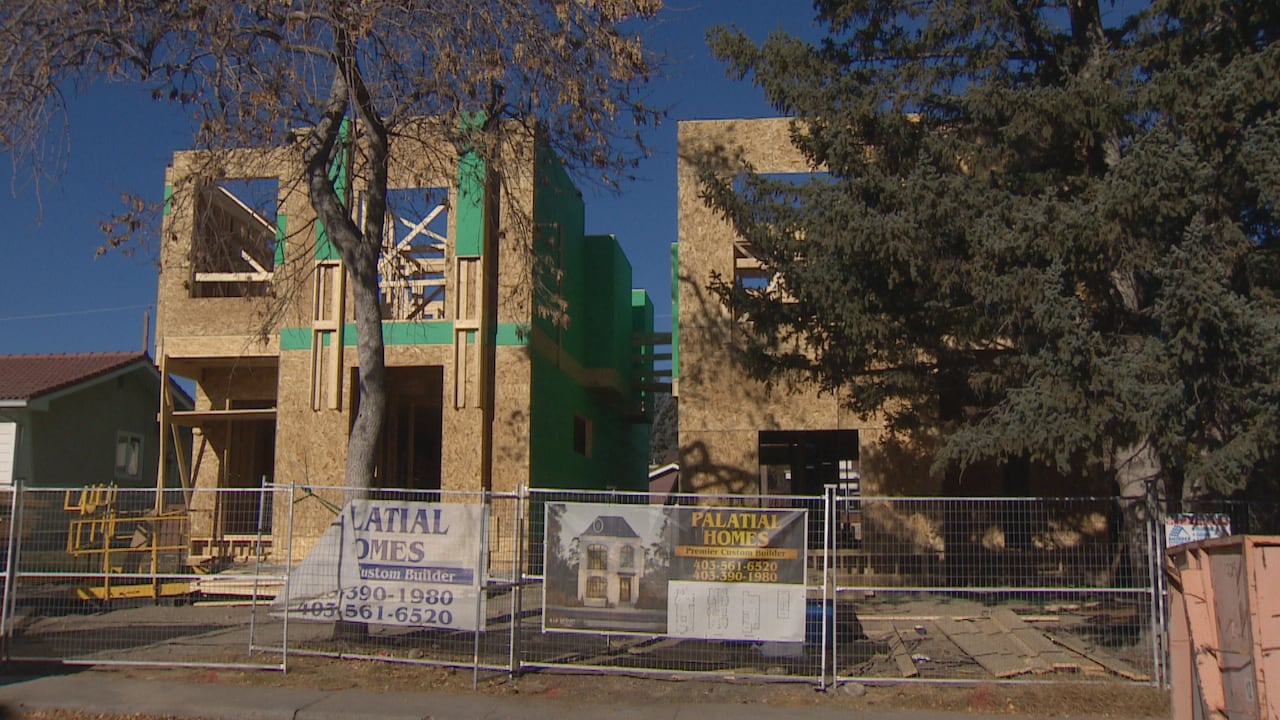 Council voted 13-2 in December to begin the process to repeal blanket rezoning. (CBC News)
Tyers said she intends to push for a full repeal of blanket rezoning with no amendments. She added it was helpful to hear from presenters arguing that if the policy is repealed, no residents should fall through the cracks. She said council needs to understand what the repercussions of its decision will be to avoid unintended consequences.
After hearing presenters discuss topics like tree canopy, parking or construction fatigue that he describes as parallel to the debate of blanket rezoning, Ward 8 Coun. Nathaniel Schmidt said it’s clear there are larger issues related to growth that Calgary needs to address. He’s still deciding how he’ll cast his vote.
“Regardless of how we vote on this, this is not going to be the last time that we’re talking about how we grow as a city,” said Schmidt.