

With diesel and fertilizer prices surging, Canadian farmers are bracing for much higher costs than anticipated this growing season.

As the war in Iran persists, diesel’s price continues rising, approaching $2 per litre in much of Canada — besides parts of B.C. where prices have surpassed that.
This fuel is commonly used in farming machinery and, due to its climbing cost, may be one factor in future food price spikes.
“We expect crop margins, the profitability of planting crops, of this upcoming season to be small. Even a small rise in diesel prices are going to be impactful, and might be very meaningful,” explained Sebastian Pouliot, a Quebec City-based economic consultant.
“We’re going to be filling our fuel tanks in the next couple of days — that’s going to be an additional cost. We haven’t really sat down to figure out how much that’s going to be,” Charles Fossay, the director of Keystone Agricultural Producers in Manitoba, told Global News.
Story continues below advertisement
4:07
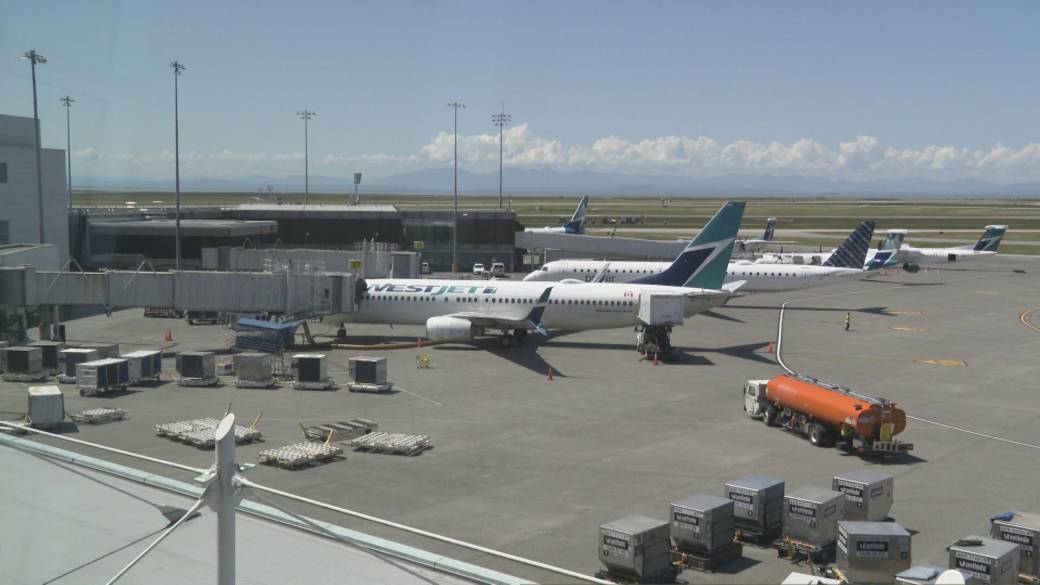
Airlines adding fuel surcharge to flight bookings
Previous Video
Next Video
Some farmers offset costs by filling their on-farm fuel reserve tanks at the onset of the war, Fossay said.

Get breaking National news
Get breaking Canada news delivered to your inbox as it happens so you won’t miss a trending story.
He is not alone in having to manage unexpected costs. Farmers from coast to coast to coast said they feel the pressure to produce.
More on Economy
More videos
“It’s going to be very expensive this year to irrigate if things don’t change,” said Christian Michaud, a New Brunswick farmer, discussing the issue of dry growing seasons in the Maritimes.
In addition to diesel, farmers are also facing challenges due to soaring fertilizer costs, but Pouliot said consumers should not expect grocery prices to go up yet.
“It’s not going to happen right away. Prices at retail don’t change all that quickly typically. Even if fuel prices rise, we’re not going to see it in food right away — it might be in a few weeks, a few months in some cases,” he explained.
Story continues below advertisement
Pouliot said he does not expect the cost of food to significantly rise if diesel prices reset at the end of the conflict, and an agreement is reached soon.
“You can only store so much (fuel), and you’ve got to refill your tanks throughout the year. So, you can save a little bit here, but if the prices stay up, at the end of the day, you’re still paying a lot of money,” Fossay said.
© 2026 Global News, a division of Corus Entertainment Inc.