

Listen to this article
Estimated 3 minutes
The audio version of this article is generated by AI-based technology. Mispronunciations can occur. We are working with our partners to continually review and improve the results.
The provincial government has announced support for firefighting efforts as New Brunswick’s wildfire season is officially underway.
The 2026 season came early due to record-low precipitation levels and continued dry conditions.
Natural Resources Minister John Herron said projections for the summer show drier conditions than last year.
“Environment and Climate Change Canada is projecting that the summer months in New Brunswick will be among the hottest years on record with above average temperature due to climate change,” said Herron.
Premier Susan Holt said dry conditions this winter caused the province to move up the start of fire season by a couple of weeks.
WATCH | ‘Being prepared is our top priority’: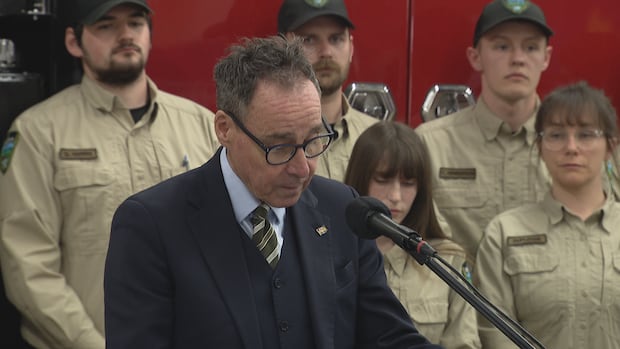
Dry conditions mean early start to N.B. fire season
New Brunswick says it will spend $6.7 million on equipment and staffing following last year’s busy wildfire season.
To start the season, Holt and Herron announced $6.7 million on Wednesday to improve firefighting infrastructure and jobs.
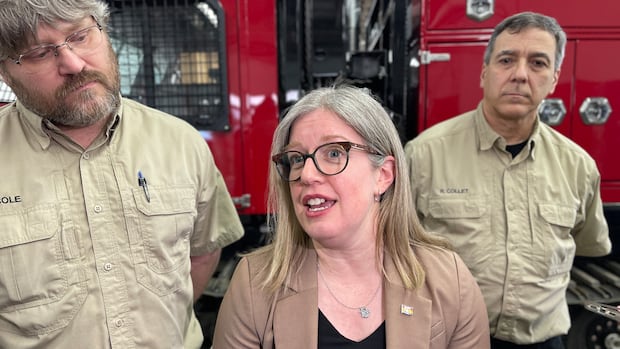
The province will spend $1.7 million annually to convert 74 seasonal forest ranger jobs into year-round positions. That adds to the 95 year-round positions currently in place.
“These are people who spend their winter months increasing their readiness, preparing warehouses and equipment, doing robust training,” said Holt.
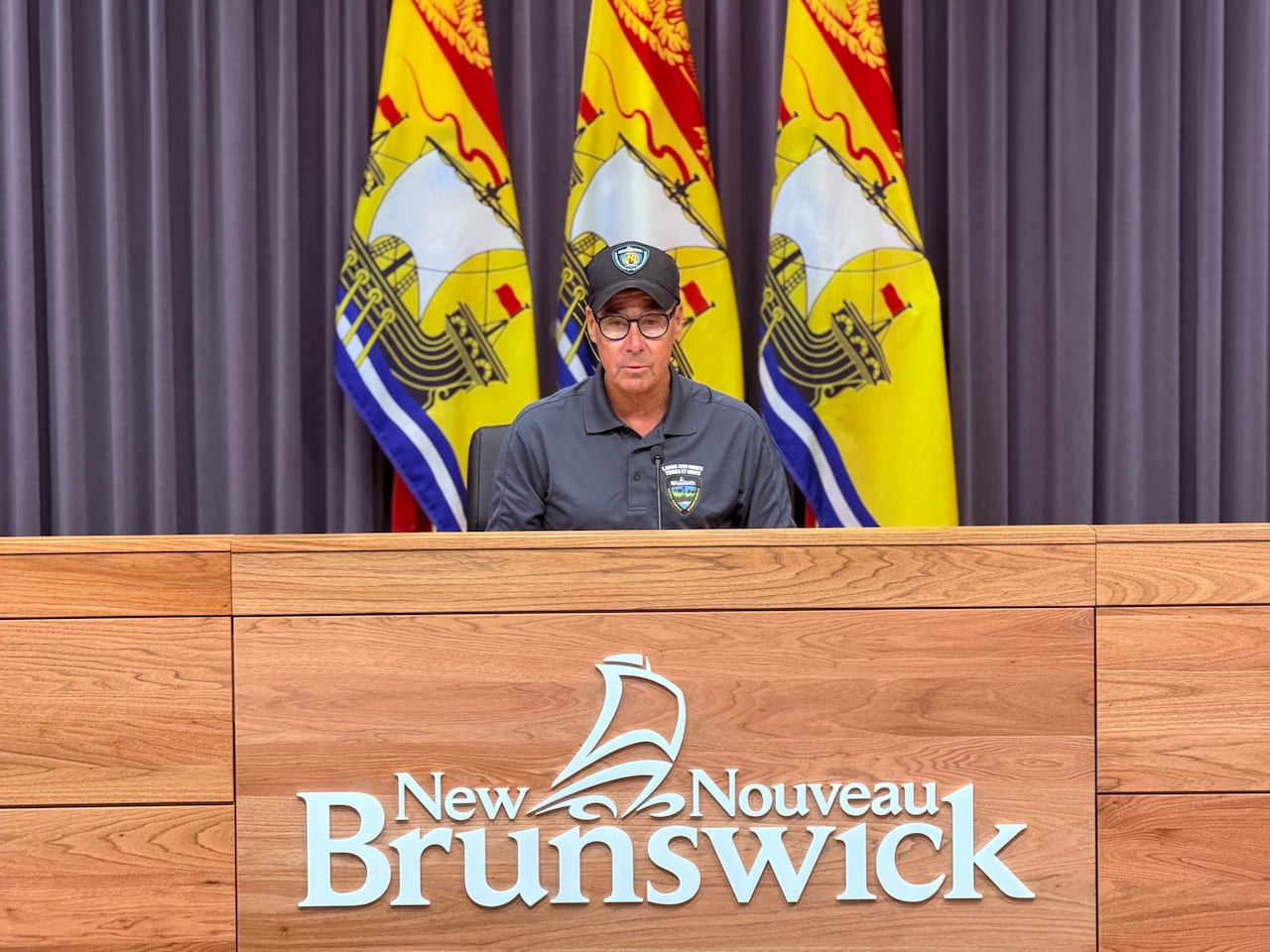 Natural Resources Minister John Herron updated the province several times last summer as fires burned thousands of hectares of land. On Wednesday, Herron thanked some of the firefighters that worked to extinguish those fires. (Chad Ingraham/CBC)
Roger Collet, a wildfire prevention officer with the province, said having training done in the winter months ensures staff are ready before fire season starts.
Holt said money will also improve the province’s fire equipment warehouse and fire hose facility.
There will also be funding to upgrade reload bases in Fredericton and Miramichi that help with aircraft fight fires.
Three Indigenous groups — the Wolastoqey Tribal Council, North Shore Mi’kmaq Tribal Council and MAWIW Council — will also receive funding to prepare for wildfires.
Holt said $3 million has been allocated to the contract the province has with Forest Protection Limited, ensuring four Fire Boss aircraft can be available.
“These planes can skim waters from lakes and rivers, and they aid in faster suppression of fires when they’re identified,” said Holt.
The aircraft are already here and training will begin next week.
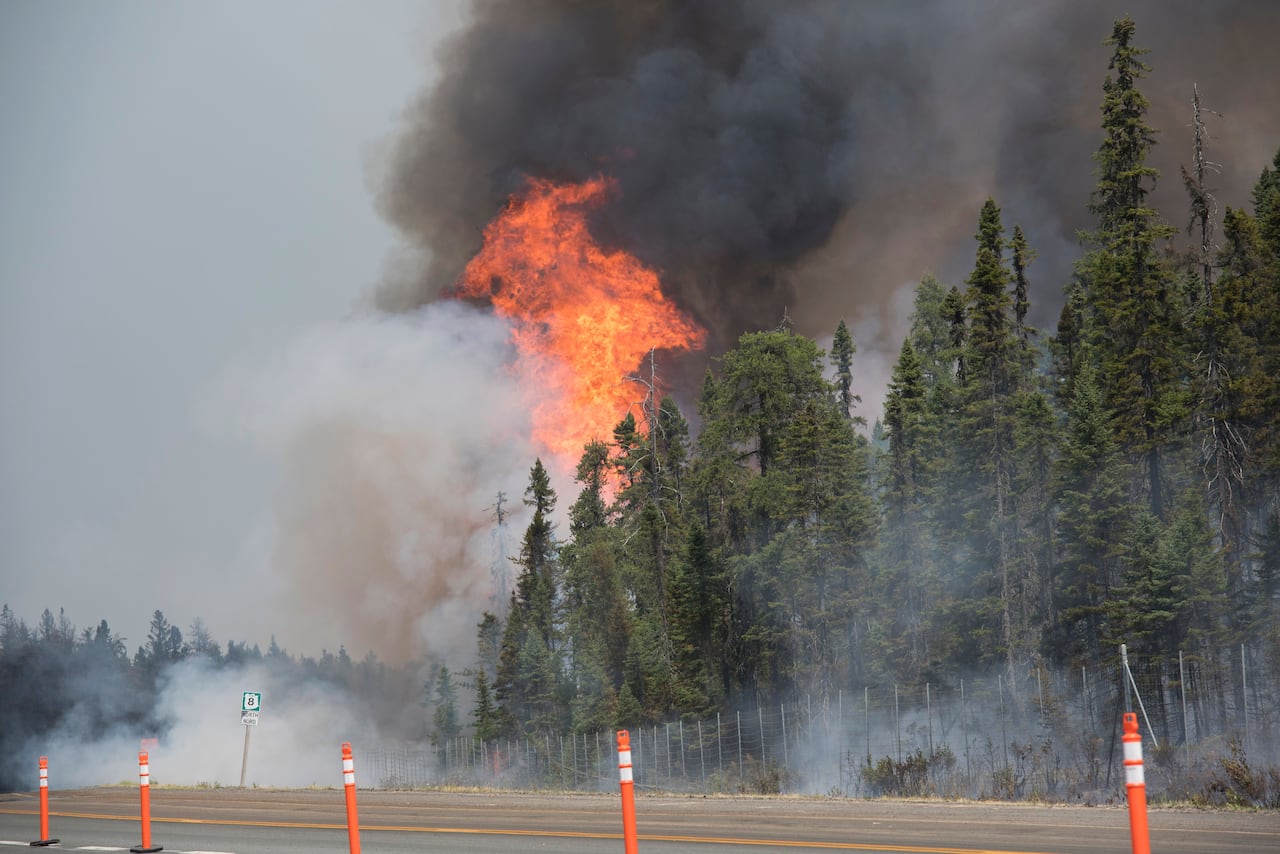 The Oldfield Road fire near Miramichi was caused by human activity, according to the Department of Natural Resources. The fire burned around 1,400 hectares of land. (Government of New Brunswick)
The funding comes after an unusually active fire season in 2025.
“We learned last season and we committed to doing more to protect New Brunswickers. … Being prepared is our top priority,” said Holt.
In 2025, there were 448 reported fires in the province, which burned almost 3,400 hectares.
Among the fires, 68.8 per cent were caused by human activity, though that doesn’t necessarily mean they were deliberately set.
The province determined lightning started 7.6 per cent, while the remaining 23.6 per cent had undetermined origins.
Some of the biggest fires, like the Oldfield Road fire in Miramichi and the Chipman fire were caused by human activity, while the Beaver Lake Stream fire was caused by lightning.
Herron said the province’s fire watch website is up and running. Burning conditions will be updated there each day at 2 p.m.