

Experts warn gardeners to identify and remove them before they take overThis article contains affiliate links, we will receive a commission on any sales we generate from it. Learn more
These invasive plants can quickly take over(Image: golero via Getty Images)
As temperatures rise and people venture outdoors, experts are urging gardeners to remain vigilant about an invasive species that is spreading rapidly throughout the UK. Countless gardeners likely already have this plant growing unnoticed, but if left unchecked, it can devastate native blooms.
The culprit is the Spanish bluebell – originally introduced as an ornamental garden plant. It now aggressively dominates and outcompetes the native English bluebell, making it one of the gravest threats to our indigenous flowers.
his is largely because Spanish bluebells grow more rapidly, produce greater quantities of seeds and readily hybridise with native plants, creating crossbreeds that overwhelm indigenous species.
Chris Bonnett, plant expert and founder of Gardening Express, warned: “Spanish bluebells can spread more easily than our native species, so gardeners need to be aware of how quickly they can multiply.
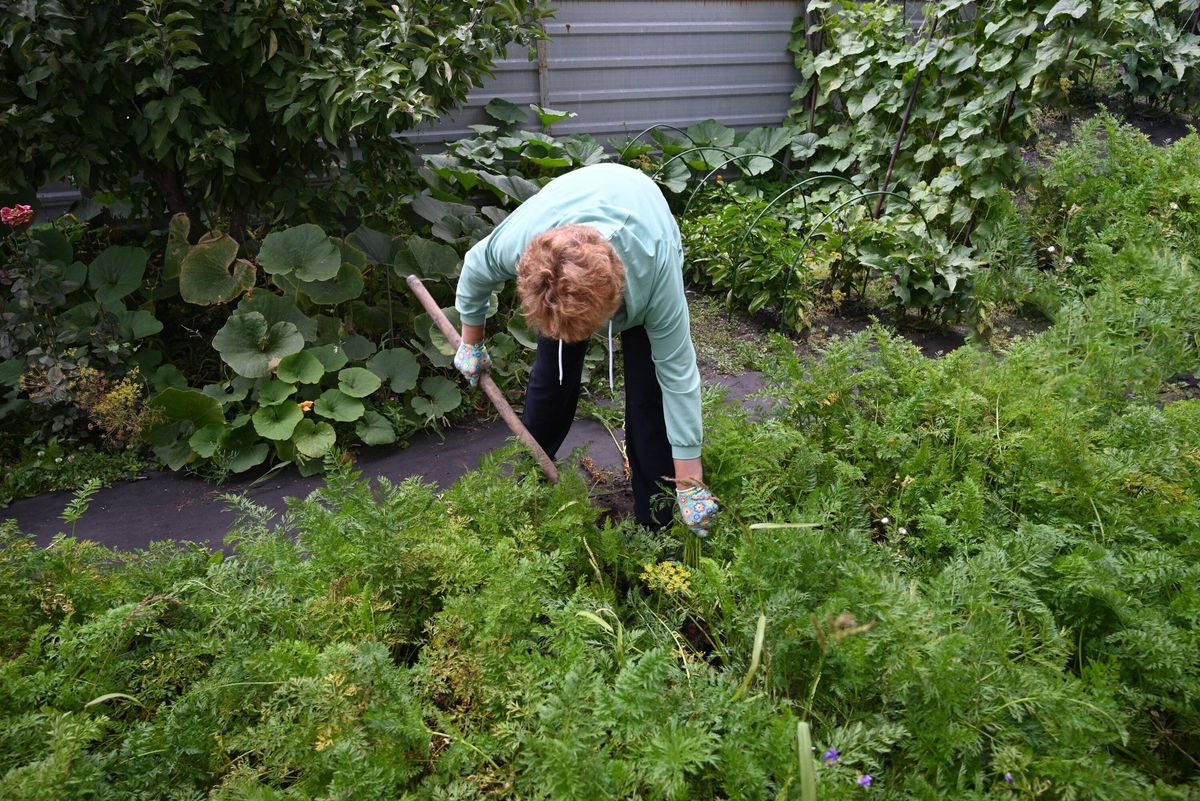
These plants need to be carefully removed(Image: Getty)
“The biggest risk comes from gardens, where they may be planted for their beauty but can spread beyond boundaries through seeds, bulbs and garden waste if left unchecked.”
Native bluebells are a protected species and a cornerstone of the UK’s natural heritage. Once Spanish bluebells escape garden boundaries, they can infiltrate surrounding countryside and woodland, making private gardens a critical frontline in safeguarding our indigenous species, reports the Express.
Worryingly, many gardeners are unable to distinguish between the two varieties, meaning they are unwittingly allowing the introduced species to thrive.
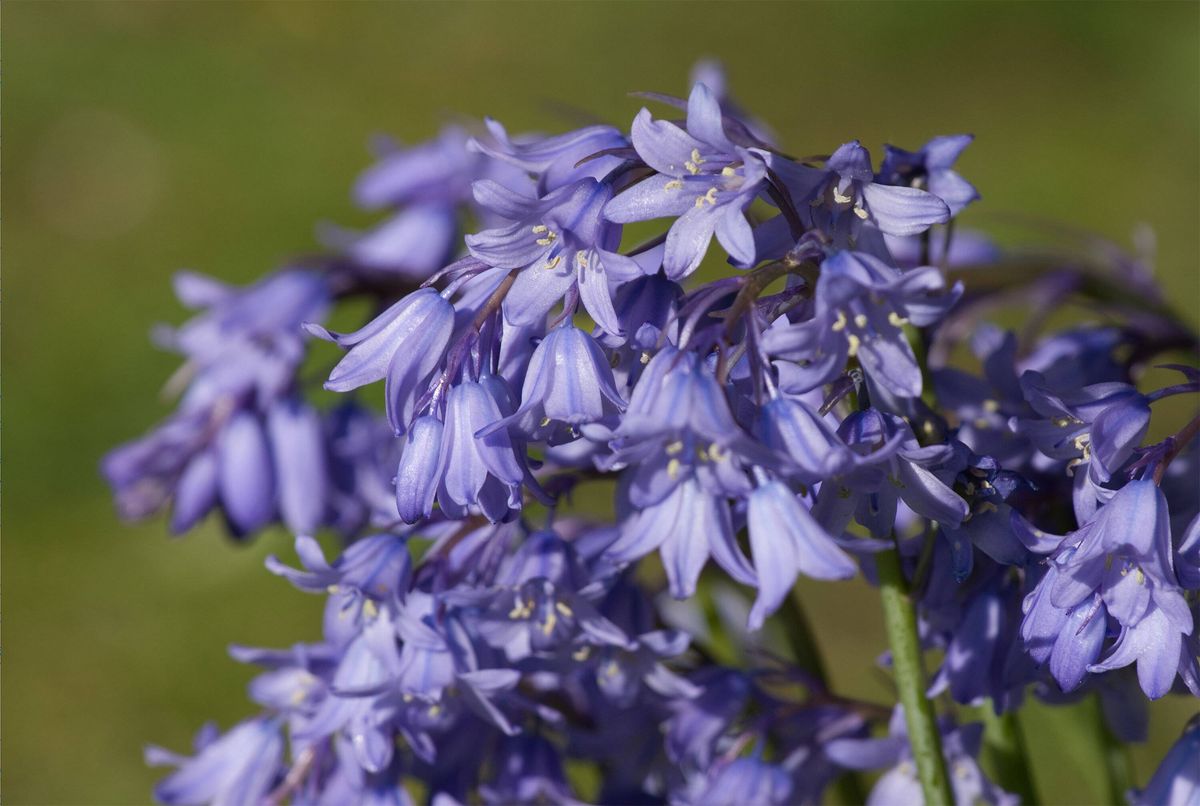
Spanish bluebells are slightly different to English ones(Image: Getty)
The two varieties can be distinguished by their shape. Spanish bluebells grow upright, with flowers spread across the entire stem, while native English bluebells arch gracefully in a curved, drooping manner.
Colour also sets them apart – Spanish varieties appear pale blue or lilac, occasionally turning pink or white, whereas English bluebells boast a rich, deep violet hue. Native bluebells also emit a powerful, sweet fragrance, while their Spanish counterparts are entirely scentless.
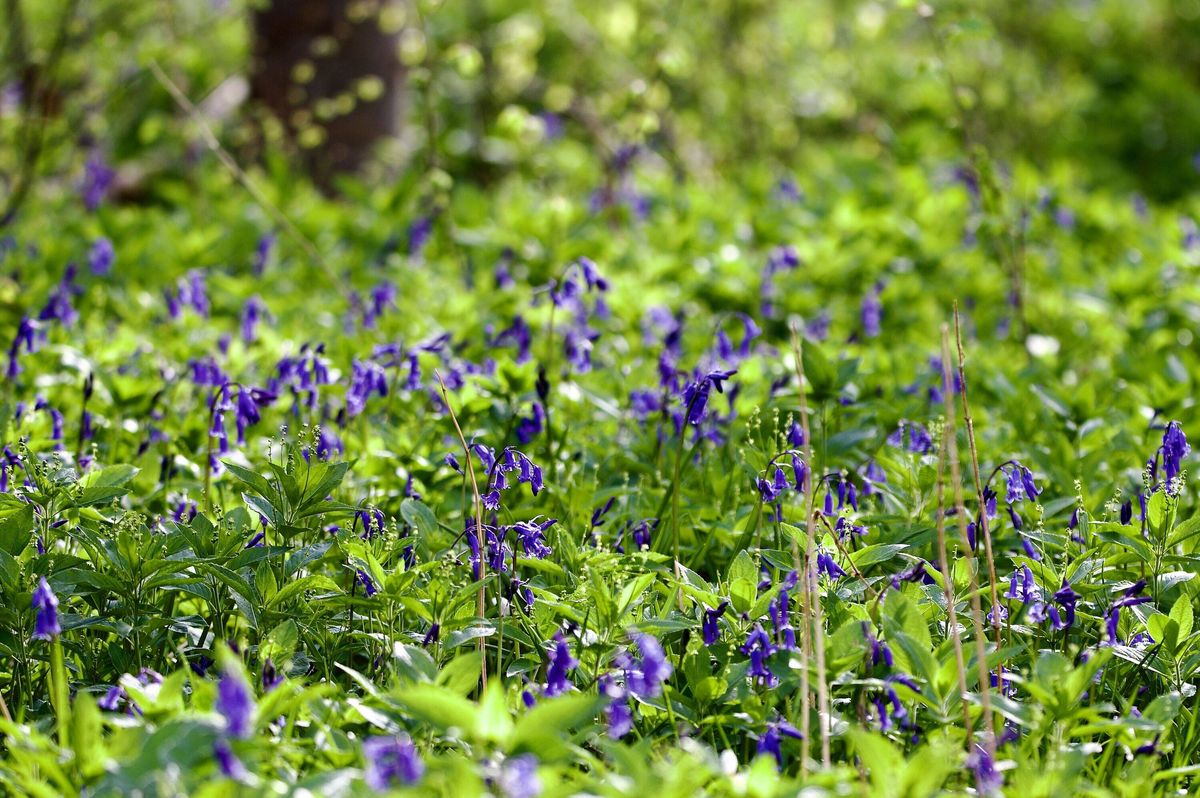
English bluebells have a more drooped appearance(Image: Getty)
While Spanish bluebells don’t feature on the Government’s list of invasive plants in England and Wales, they are deemed invasive in both Northern Ireland and the Republic of Ireland. In Scotland, planting any non-native species in the wild is a criminal offence.
Chris said: “Gardeners play a crucial role in protecting native bluebells. Even a single garden population can establish in surrounding areas within a few years, so early identification and careful management can make a big difference.”
Tackling the spread of these invasive plants requires careful removal. It’s essential to dig out the entire bulb and dispose of it responsibly – never add them to compost or garden waste. Instead, seal the plants in a bag and place them in your general household waste.