
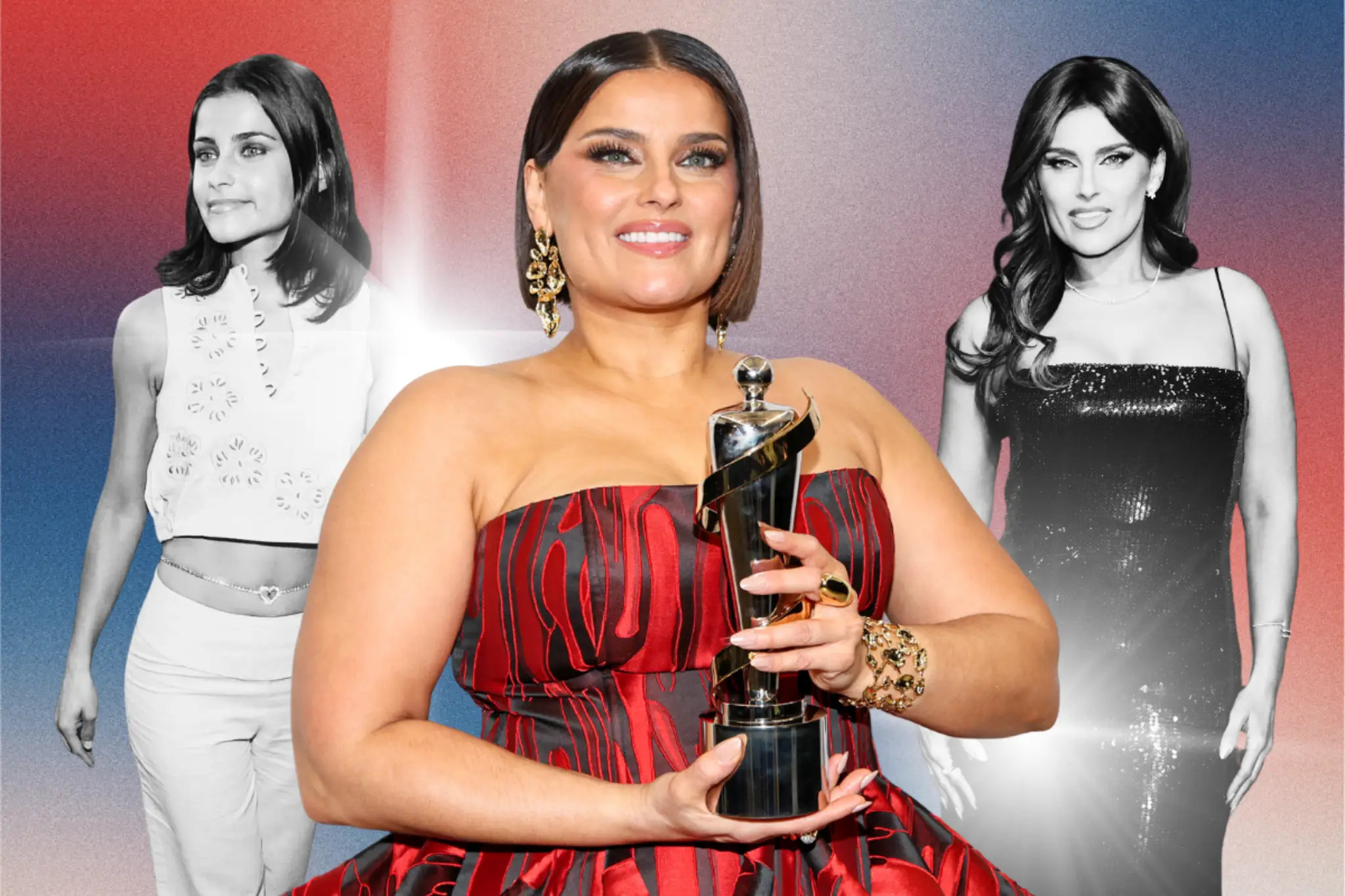
Nelly Furtado’s body has been a topic of conversation throughout her career. (Image via Getty Images/Yahoo Canada Illustration)
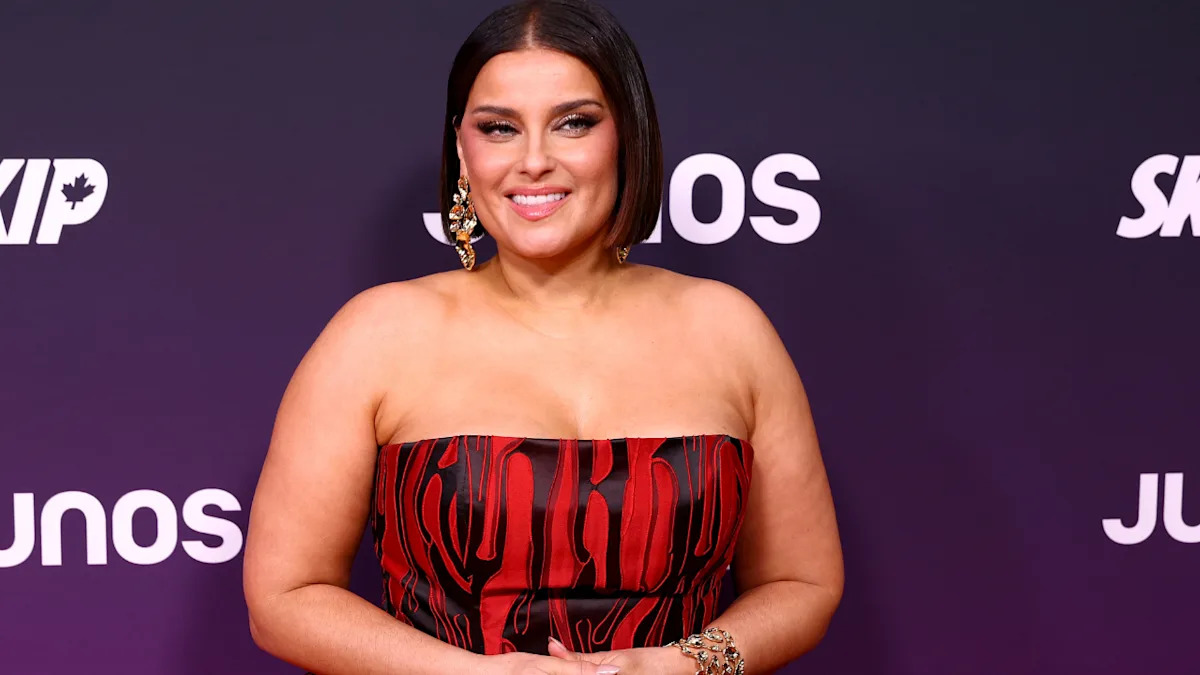
Nelly Furtado was recently inducted into the Canadian Music Hall of Fame during the 2026 Juno Awards. While the broadcast celebrated the 47-year-old’s decades-long career and her contributions to music, some online conversation ignored her 35 million albums sold and her impact on pop culture. Instead, it focused on her appearance.
Parallel to the praise of the “I’m Like a Bird” singer’s legacy as one of Canada’s most influential artists, the underbelly of the internet focused on Furtado’s body instead. Specifically, her size.
After comments flooded media outlets’ Instagram pages, body confidence influencer Alex Light had enough. She took to Instagram to call out some of the “disgusting” comments she saw.
Light pointed out that the public has seen Furtado multiple times since her return to entertainment, and it’s not news that she’s in a bigger body than she was two decades ago. “So what is it that they want? That she shrinks?”
It’s something Furtado has been dealing with for decades.
In a 2006 Georgia Straight article, she reflected on her body being at the centre of discussion.
“After I had a baby, my body changed a lot,” Furtado said about her midriff-baring outfits and the sensual aesthetic of her 2006 album, Loose. “I got more curvy and felt more like a woman, and I think I’m just more proud of my body now. I think I’m a late bloomer. You know, I was a tomboy for a while, and I kind of all of a sudden went, ‘Wow.’ I started celebrating my femininity a little bit more.”
Twenty years later, her body might have changed — but the scrutiny hasn’t.
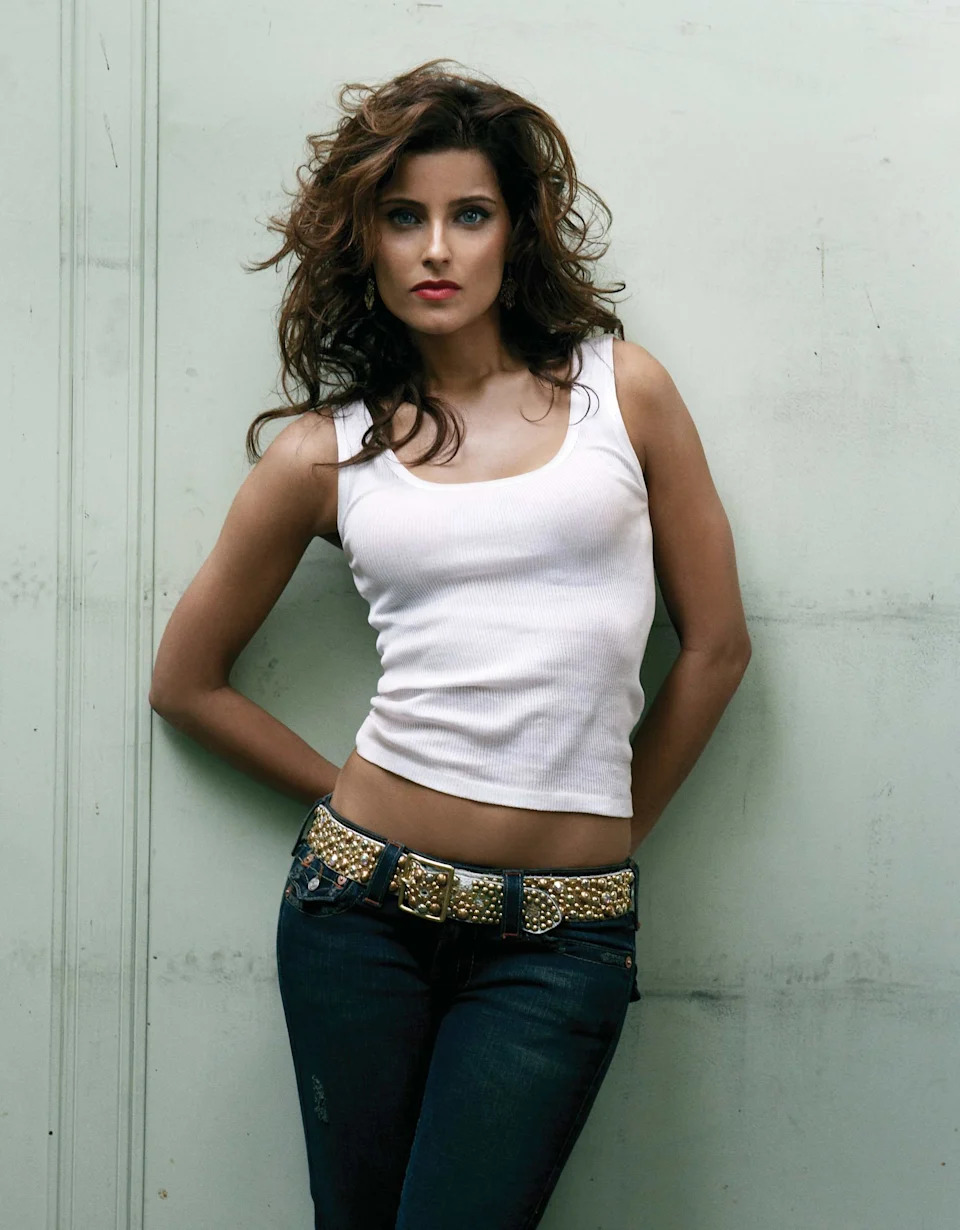
Furtado, pictured in 2007, faced criticism for her more sensual style while promoting her third studio album, Loose. (Handout Photo by MTV/Getty Images)
For Sarah Nicole Landry, known online as The Birds Papaya, it felt all too familiar.
“I think it’s just a bit of an exhausted feeling, if I’m honest,” she told Yahoo Canada.
That’s the one thing that just will perpetually frustrate me is that women’s bodies seem to take precedence over everything else.
Sarah Nicole Landry
“Women’s bodies just remain as headlines. They remain the thing that gets talked about more than the [achievement]… or how great she looked.”
The frustration, Landry said, isn’t just about negativity; it’s about what gets prioritized. Even in a moment meant to celebrate Furtado’s work, the conversation quickly shifted away.
“There are so many other really interesting, amazing things that I want to hear about,” she said. “I want to know what’s up — not what size she is.”
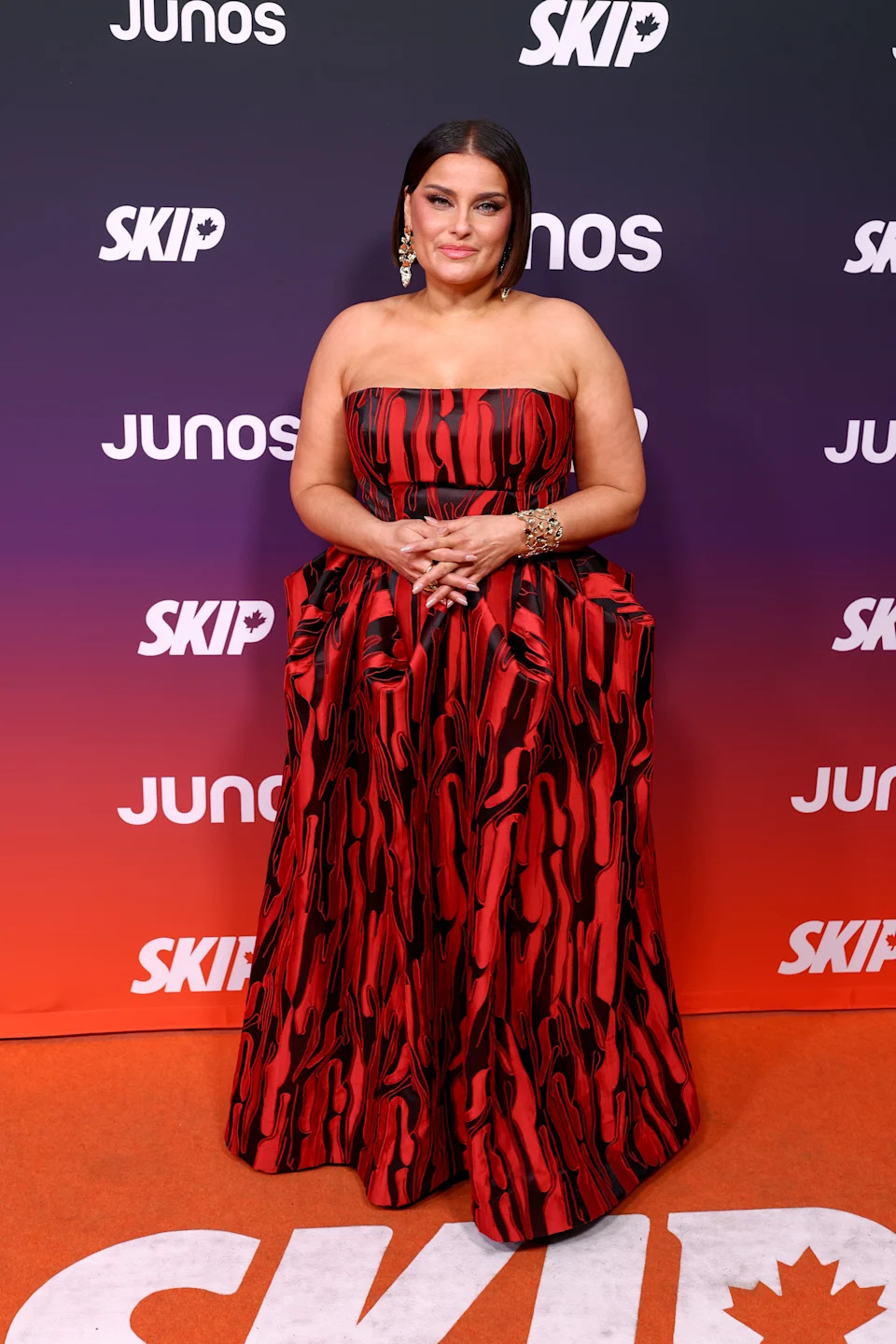 Furtado wore a stunning red and black gown by Leslie Hampton, an Anishinaabe designer at the 2026 Junos. (Photo by Cindy Ord/Getty Images)
Landry said the reaction isn’t just about how Furtado looks now, but rather the fact that her body has changed at all. “If Nelly Furtado walked that red carpet and we’d never seen her before… we would be in agreement that she looked absolutely stunning. Full stop.”
Instead, that change becomes the story and reinforces the idea that women’s bodies are something to be evaluated, tracked and discussed over time.
“In many ways, that’s what society reduces women to,” Landry claimed.
Kaitlynn Mendes, a professor and Canada Research Chair in Inequality and Gender whose work focuses on media, feminism and online culture, echoed Landry’s sentiments.
“It signals that women’s bodies are often where their value is seen,” Mendes explained. “There’s a lot of pressure around looking feminine, thin, young, and that becomes a focal point.”
Why change still makes people uncomfortable
At the centre of the reaction to Furtado’s body is a simple point: It’s changed.
Bodies change over time — through age, life experience, health, and countless other factors. But when it comes to women, that change is often treated as something to question or critique.
It seems to be the one thing that we’re not given permission to do: change.
Sarah Nicole Landry
Mendes connected that discomfort to both social and economic forces, from beauty standards rooted in patriarchy to industries built around maintaining a certain ideal. Together, they reinforce the idea that women’s bodies should remain consistent, and moving away from that ideal is somehow news.
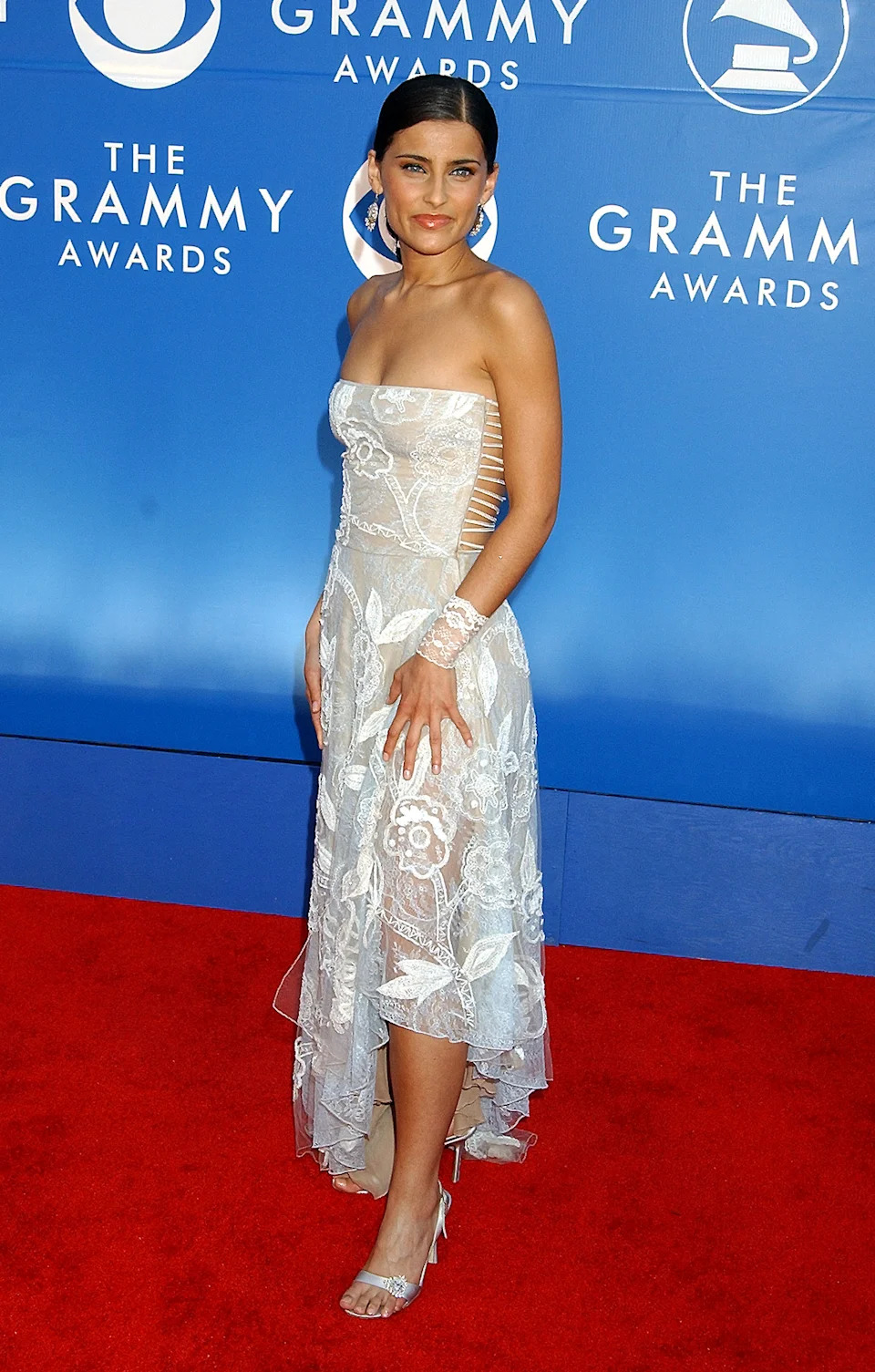
Nelly Furtado at the 44th GRAMMY Awards in 2002. (Photo by Gregg DeGuire/WireImage)
“We have these whole industries… to try to keep your body looking a very particular way,” she said
This stems back to the ’70s and ’80s, when women began gaining political freedom, Mendes explained. “The cosmetic surgery industry was in tandem with feminism.”
Does social media make it worse?
While scrutiny of women’s bodies has existed for decades, social media has changed the scale and the speed of it. The ease creates a kind of feedback loop, where commentary builds on itself, amplified by algorithms, engagement and visibility.
For Landry, fatphobia plays a central role in how these moments unfold. She points to both explicit comments — often from men — and to more subtle, internalized reactions that appear across audiences.
“If we participate in these things, we deepen the problem,” she said. That participation extends outward and shapes how other women see themselves.
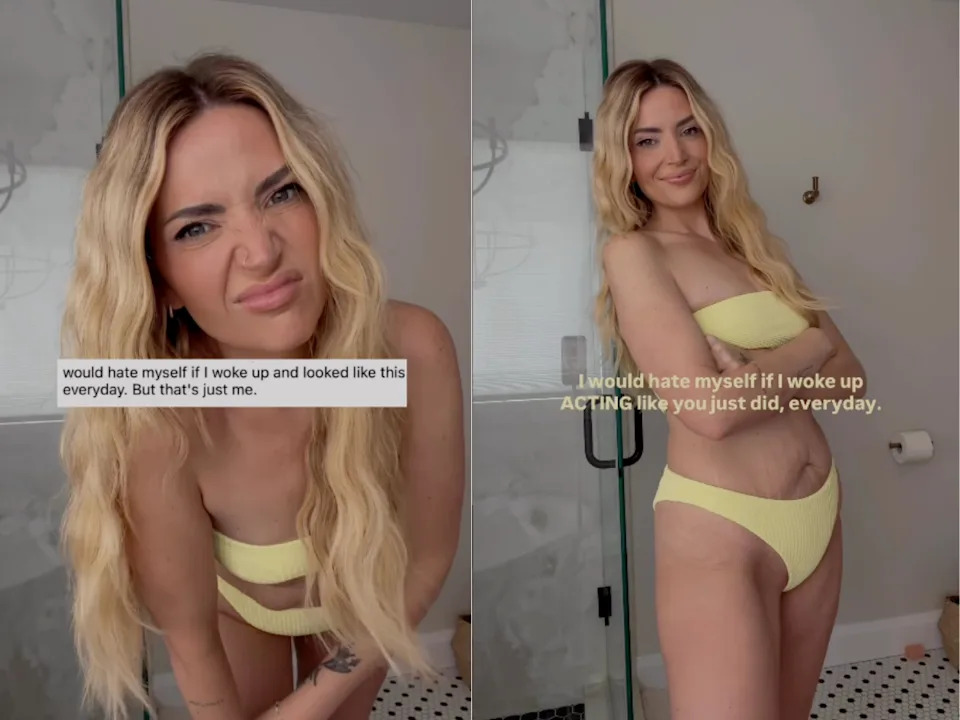
Sarah Nicole Landry (The Birds Papaya) is a long-time advocate for self-love and body confidence. (Images via IG/@thebirdspapaya).
“This isn’t just about Nelly Furtado,” Landry explained. Women reading those comments may internalize them, reinforcing the same standards imposed externally. Over time, that creates a cycle — one where women are both the subjects of scrutiny and participants in it.
Landry believes platforms — and the accounts that post these moments — have a role to play in shaping that environment.
“If I were running an account and people were talking about [Furtado’s] body in a negative way, I would remove it,” she said. “I would protect the person that we’re looking to highlight.”
Instead, the lack of intervention can make these conversations feel both common and acceptable.
Over time, these messages accumulate and shape how women see themselves and each other.
“It keeps women smaller,” Landry said. “And it keeps our brains very distracted around something that is such a normal and natural thing.”
Breaking the cycle
Landry’s approach to dismantling the system that promotes policing body size isn’t grand in scale, but it’s personal.
“If I can’t control what other people say, I can control how I show up,” she said.
That might mean choosing not to engage in body-focused commentary — or actively shifting the conversation toward something else.
It’s not a perfect solution — but it’s a shift.
And while Mendes acknowledges that these patterns are deeply ingrained, she says pushing back still matters. “I don’t know if it will completely change… But it’s important to question it — to ask why we’re still focusing on this.”
Because at its core, the issue isn’t just about one red carpet or one celebrity.
It’s about what we choose to focus on, and what we continue to treat as the most important thing about women in the public eye.
Let us know what you think by emailing us or threading us @yahoocanada. Follow us on TikTok, WhatsApp and Instagram.