
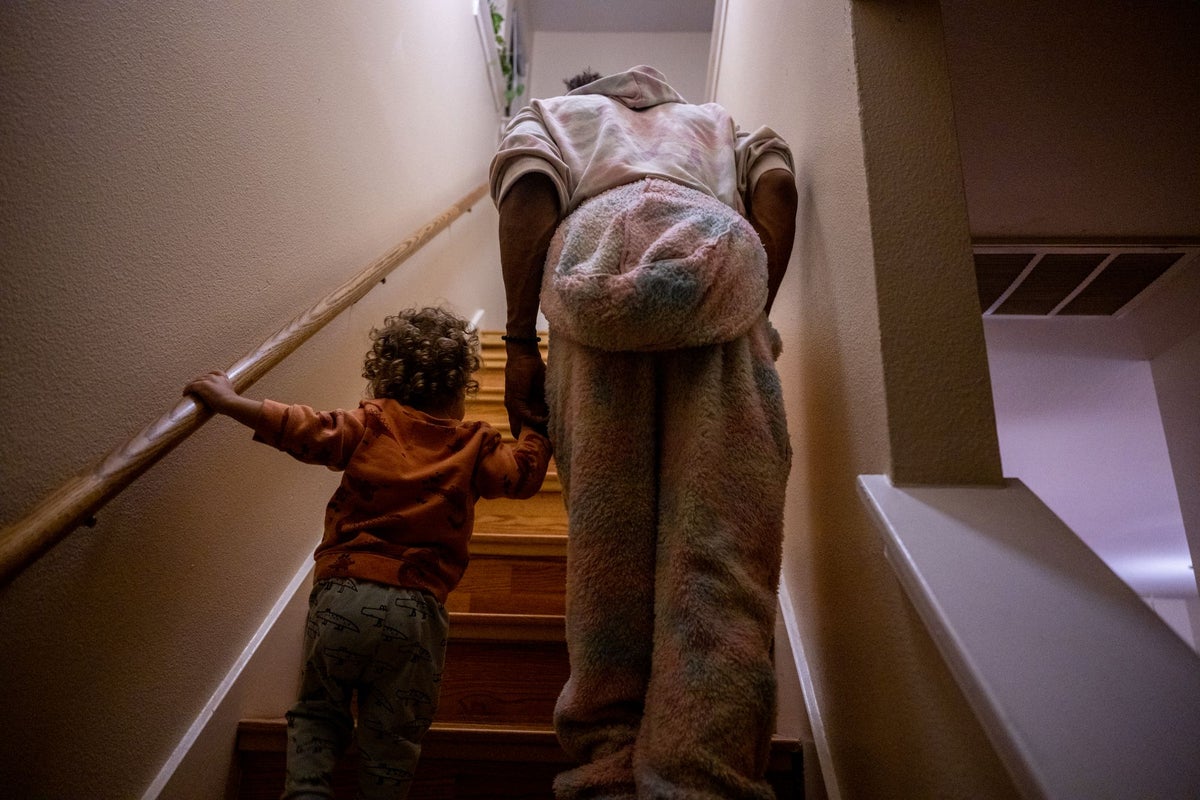
Half of young children under the age of six experience frequent and heart-pounding nightmares that can result in poor sleep quality, mental health issues and an increased risk of dementia.
Now, Oklahoma researchers say they know why a child’s nightmares recur – and how to break the cycle.
It’s a child’s fear of falling asleep after a nightmare that can lead to repetitive nightmares, they say, as well as stress, anxiety and trauma.
But that can cycle can be broken with therapy, helping kids build up the confidence to address their nightmares.
“It’s a child’s response to a nightmare that causes the chronic nightmares to happen, which means if we can learn to respond to nightmares differently, then we can interrupt that cycle,” Lisa Cromer, a professor of psychology at the University of Tulsa, said in a release. “It’s empowering to understand that we can take steps to master our dreams.”
Many young children experience nightmares. For some, they may be recurring. Now researchers say they’ve developed a personalized approach that can help break the cycle (Getty Images)
That’s why Cromer and researchers created a new model for clinical treatment, called the DARC-NESS model.
The DARC-NESS model encourages doctors to consider more than just what happened in the child’s nightmare.
It asks that they determine how a child interprets the dream, worries about going to sleep, experiences anxiety at bedtime and copes after waking up.
That information paints a clearer picture of what’s happening inside in the child’s mind, and can lead to a more personalized approach to treatment that can stop nightmares from coming.
That may mean kids work to reduce feelings of anxiety or improve their habits before going to sleep.
In some, it may be helpful to write or draw about the nightmare, in order to better understand their cause, which is often intense emotions – but may be an undiagnosed trauma or even a brain disorder.
“When children feel empowered to do something about the nightmares, they begin to see how things are interconnected – because they’re sleeping better, they have more energy, they go to school more consistently and their parents report improved behavior,” said Tara Buck, an Oklahoma University Health child and adolescent psychiatrist.

Nightmares may be caused by stress and trauma – but researchers say an overactive part of the brain can also be to blame (Getty Images/iStock)
However, nightmares don’t always stop when their root causes are addressed, the researchers note.
Frequent nightmares may be due to an overactive amygdala: the fear center of the brain, Deirdre Barrett, an assistant clinical professor of psychology at Boston’s Cambridge Health Alliance, told Harvard Medical School.
That’s something that impacts both traumatic nightmares and daytime flashbacks.
“Post-traumatic nightmares,” she says, “are probably not completely different from daytime flashbacks and general daytime anxiety that those experiencing the nightmares are having.”
But there are ways to soothe a hyperactive amygdala, according to the Cleveland Clinic.
People can practice breathing that lowers levels of the stress hormone cortisol. Eating a nutritious diet also makes a difference because deficiencies in vitamins and essential minerals can negatively impact the brain, the clinic says.