
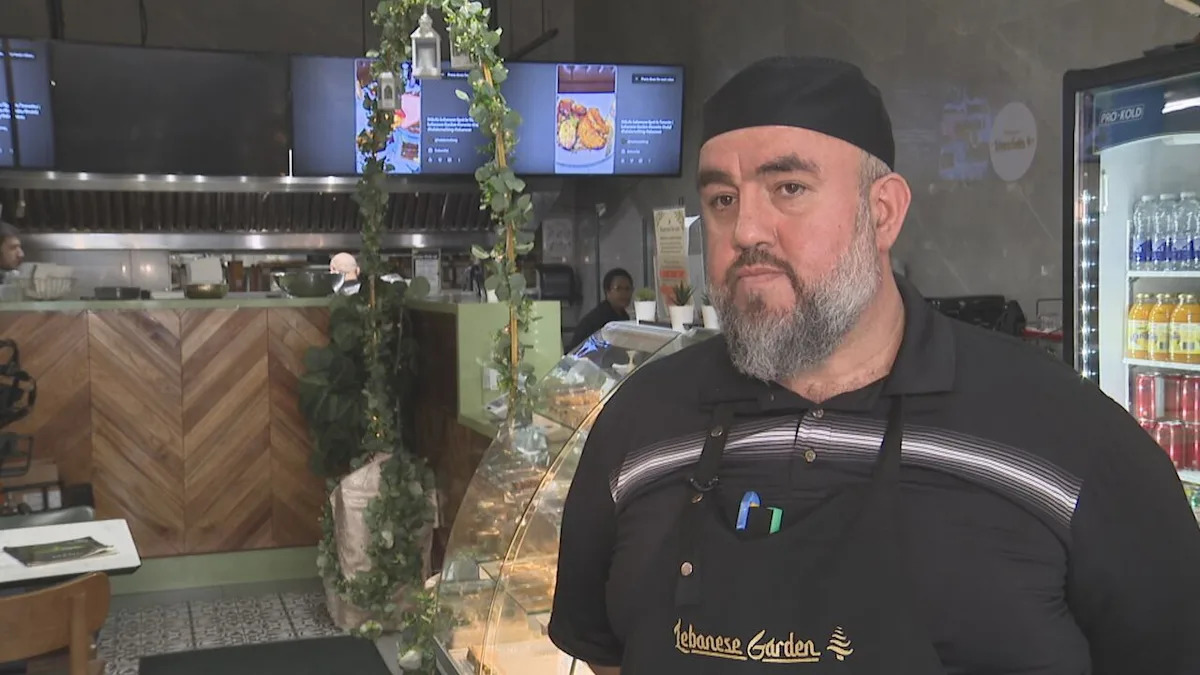
Israel’s latest bombing of Lebanon has Toronto residents with loved ones in the country feeling worried, anxious and helpless, says the owner of a Lebanese restaurant in the city.
Ali Okmen, who runs Lebanese Garden on College Street, said the bombing of Beirut means there is no real safe zone in the capital.
“We all are very worried about our family,” Okmen said Thursday. Okmen said his wife is Lebanese and he has family and friends in Lebanon.
Health officials say Israeli strikes since Wednesday alone in central Beirut, southern Lebanon and the Bekaa Valley in the east have killed more than 300 people and wounded more than 1,150 others, according to a report from The Associated Press.
Watching events has been painful, Okmen said.
“People are struggling as to where to go,” he said. “Everyone is just … scared.”
Okmen said it’s difficult to be far away, but residents here are trying to help people there in any way they can.
‘We’re hoping that everyone can live in peace over there’
Although he said he welcomed the news of a ceasefire between the U.S. and Iran, thinking his family and friends were safe, he said his relief was short-lived.
Hours after the ceasefire deal, Israeli airstrikes rained down on Lebanon, which Israel and the U.S. say is not covered by the truce.
“We called family and friends back home. They were really happy about the ceasefire. And a few hours later, we got confirmation that it apparently didn’t apply to Lebanon. That was ridiculous. It was supposed to be included. It’s frustrating.”
Now, he said still clings to hope that the situation will improve.
“We’re hoping that everybody can live in peace over there,” he said.
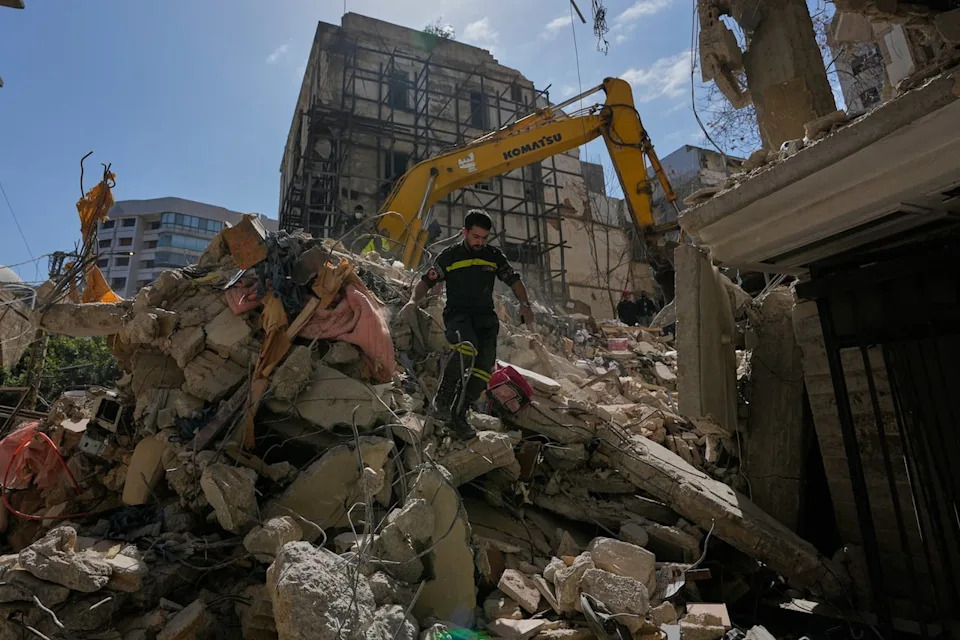
A Lebanese civil defense worker walks on the rubble of a building destroyed in an Israeli airstrike a day earlier in Beirut, Lebanon, Thursday, April 9, 2026. (Hussein Malla/The Associated Press)
‘It’s been absolute terror,’ Canadian in Beirut says
Shaden Ayoub, a Lebanese Canadian who lives in Beirut, told CBC News she spent the entire day Wednesday listening to airstrikes and drones.
Ayoub said people are in the streets, there is no shelter and not enough food. She said more than one million people have fled their homes in southern Lebanon.
“It’s been absolute terror,” Ayoub said.
Ayoub said she was hoping that Lebanon was part of the ceasefire but wasn’t surprised when the U.S. and Israel said it was not.
“There’s a very dark vibe outside. Unfortunately, in a twisted way, people are very used to this.”
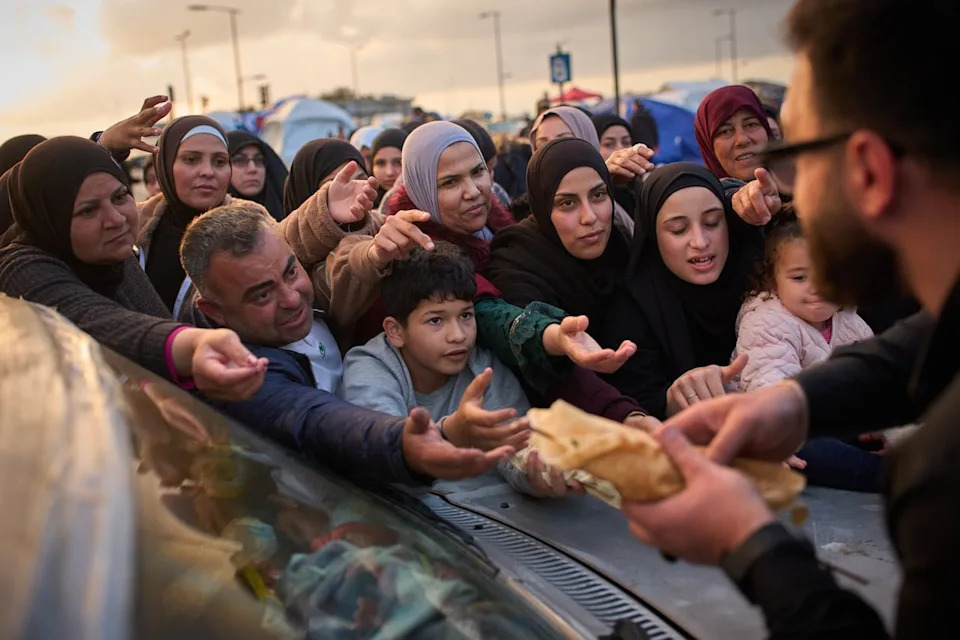
Displaced families extend their hands while waiting for donated food beside the tents they use as shelters after fleeing Israeli bombardment in southern Lebanon, in Beirut, Lebanon, Thursday, April 9, 2026. (Emilio Morenatti/The Associated Press)
Ayoub said she remains in the country because she wants to help the people there. She is also a caregiver for her grandmother.
“I’m doing a lot of humanitarian work here. I’m trying my best to help people. I do realize that I come from a place of privilege but there are a lot of people here who don’t have the option to leave Lebanon and go somewhere safe,” Ayoub said.
“So for me, I’m here to help people here and provide clothing and food wherever I can.”
On Thursday, Israeli Prime Minister Benjamin Netanyahu said he had authorized direct negotiations with Lebanon aimed at disarming Iranian-backed Hezbollah militants and establishing relations between the two countries.
There was no immediate response from Lebanese authorities. The tentative ceasefire in the Iran war has faltered under the weight of Israel’s bombardment of Beirut and Tehran’s continued grip on the Strait of Hormuz.
Netanyahu made the announcement amid disagreement over whether the ceasefire deal included a pause in fighting between Israel and Hezbollah.