
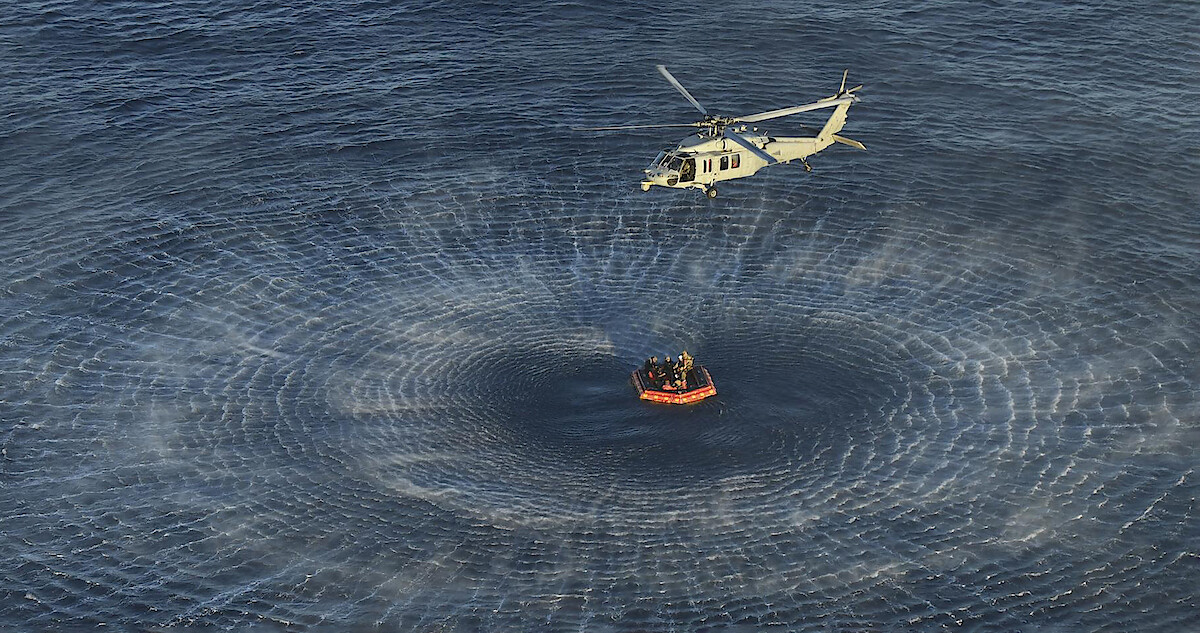
A perfect bullseye splashdown. After 10 days and 695,000 miles, NASA’s historic Artemis II mission returned to Earth, live on Netflix.
The Orion “Integrity” spacecraft’s four-person crew — the first astronauts to journey around the moon in more than 50 years — splashed down off the coast of San Diego on April 10 just past 8 p.m. EDT / 5 p.m. PDT to worldwide fanfare.
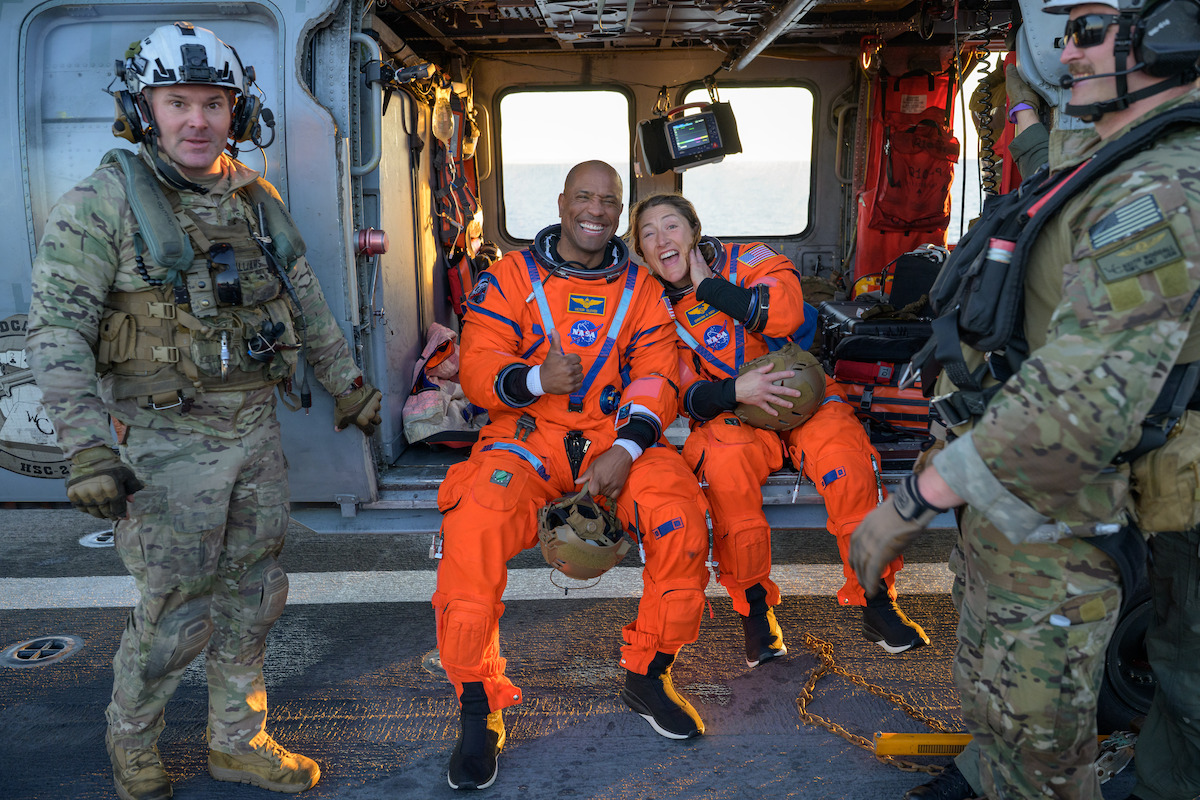
During the live broadcast on Netflix, viewers around the globe heard from the Artemis II recovery team, including the crew surgeon, the USS John P. Murtha captain, and a US Navy diver, among others. They were tasked with supporting the recovery ahead of the crew’s anticipated return.
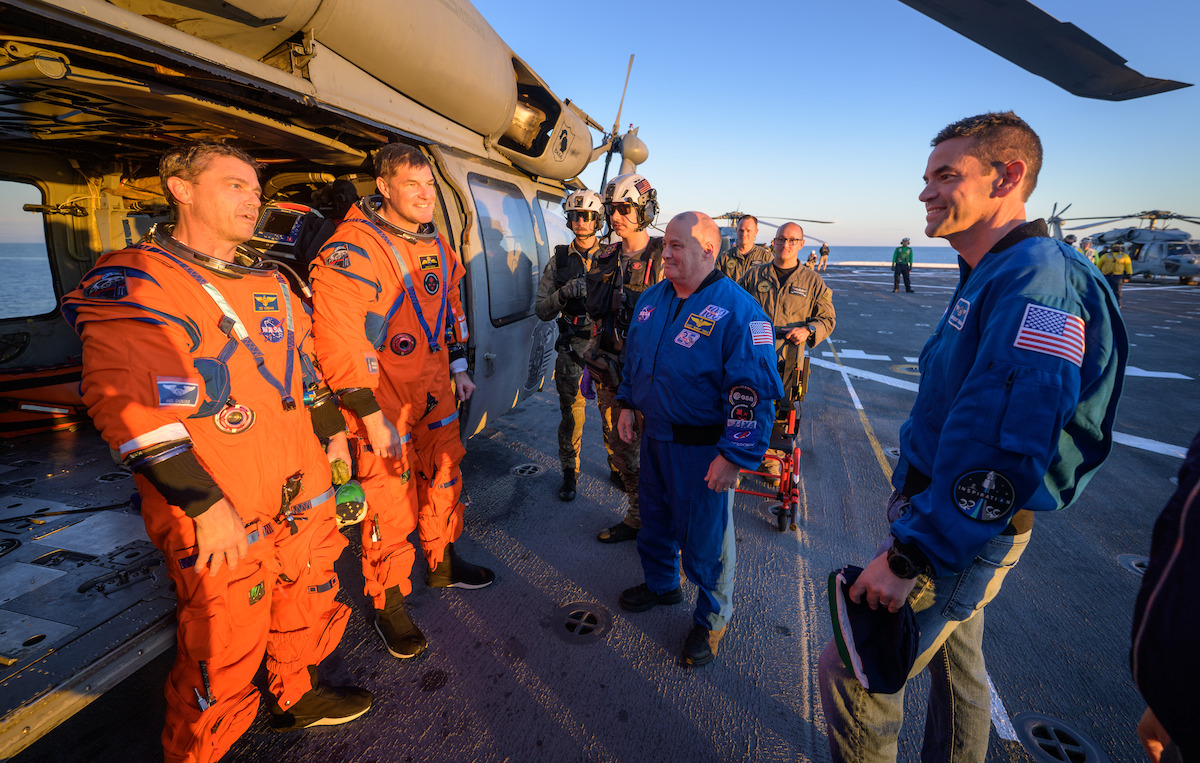
Commander Reid Wiseman, pilot Victor Glover, mission specialist Christina Koch, and Canadian Space Agency (CSA) mission specialist Jeremy Hansen lifted off from the Kennedy Space Center in Florida on April 1 and traveled farther from the planet than any Earthling before them.
In a mission marked by a historic lunar flyby on April 6 — that you can watch now on Netflix — the Artemis II crew observed the moon’s surface and tested instruments, systems, procedures, and performance in deep space that will lead to an eventual lunar landing.
What happened after the splashdown ?
After splashing down off the coast of San Diego, the Artemis II crew were retrieved by US Navy divers and delivered via helicopter to the USS John P. Murtha.
Once aboard the ship, the astronauts underwent post-mission medical evaluations before traveling back to NASA’s Johnson Space Center in Houston.
How do I stream NASA+ live programming on Netflix?
The Artemis II splashdown broadcast was part of Netflix’s NASA+ live programming of the latest space missions through NASA’s live feed.
You’ll find live NASA+ feeds in the Netflix interface alongside your favorite series, with programming that includes rocket launches, mission coverage, real-time ISS views, and key moments from Artemis II — including the lunar flyby.No extra subscription required beyond your existing membership.
For more about NASA’s missions, visit NASA.gov.