
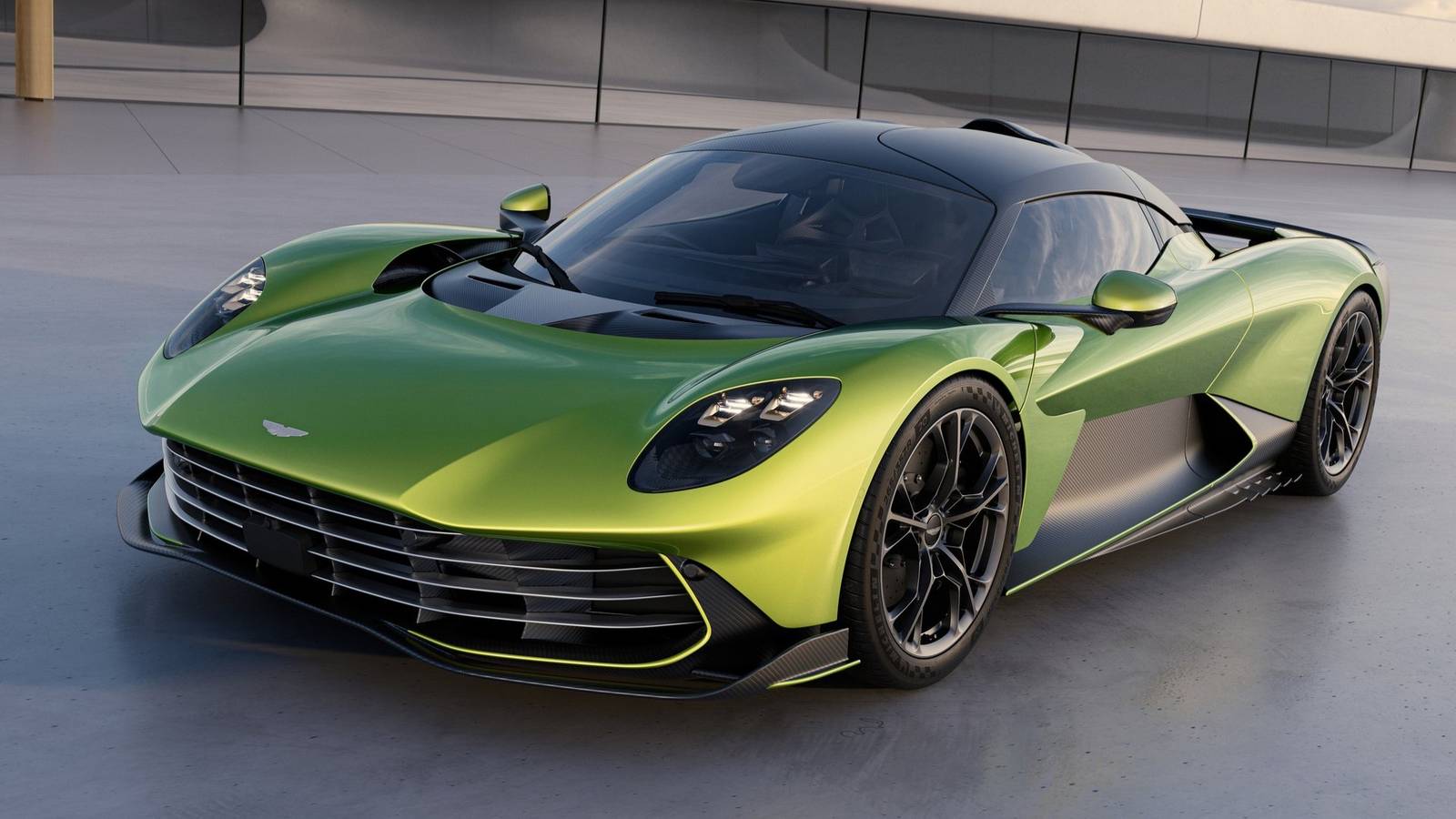
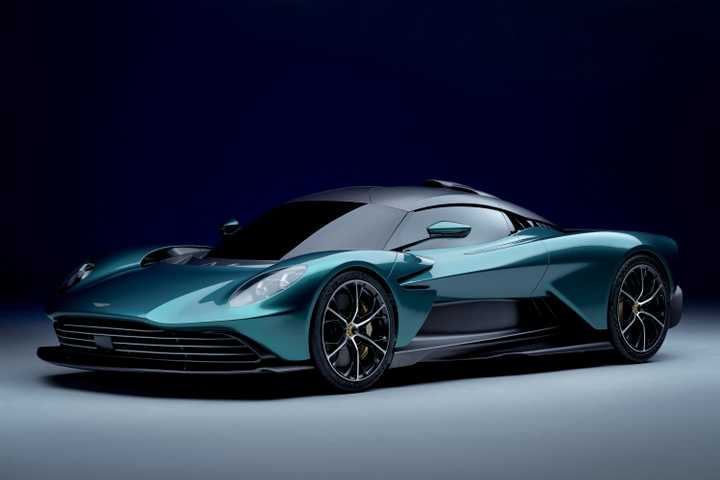
The Aston Martin Valhalla supercar has been a long time coming, and finally arrived as a technological tour de force between the F1 and the road car department. Aston pitches the Valhalla as somewhere between traditional supercars and extreme hypercars, and the Valhalla’s active aerodynamics reflects that.
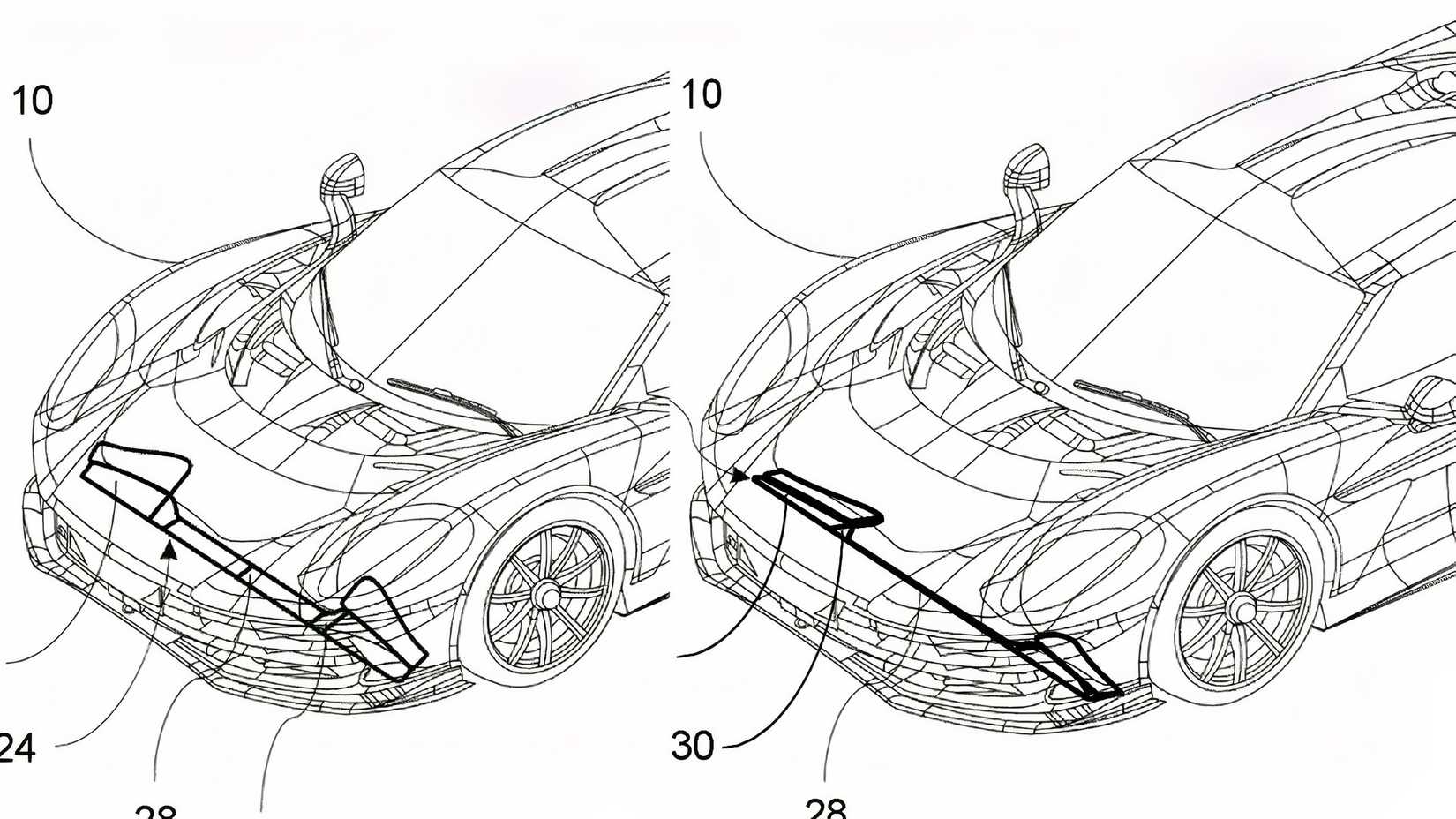
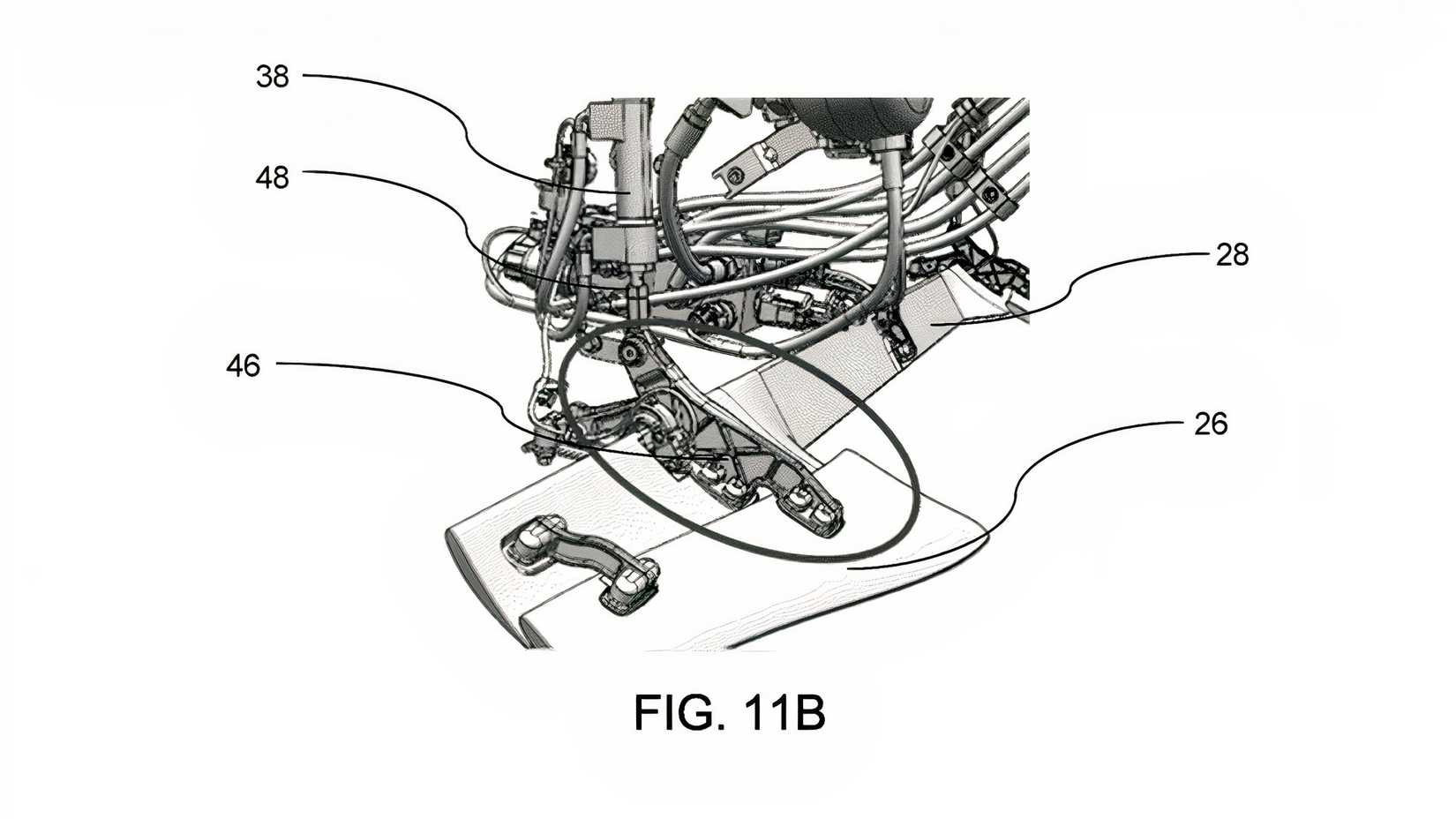
Particularly, the hidden full-width front underbody wing that redirects airflow depending on how much downforce is needed is quite fascinating. CarBuzz found a patent that explains Aston Martin’s thinking on that clever piece of engineering.
Base Trim Engine
4.0-liter twin-turbo V8 PHEV
Base Trim Transmission
8-Speed Dual-clutch
Base Trim Drivetrain
All-Wheel Drive
Base Trim Horsepower
1,064 hp
Base Trim Torque
811 lb-ft
Fuel Economy
TBC
0-60 MPH
<2.5 seconds
Sculpting Air At High Speed
Aston Martin Valhalla PatentAston Martin
Essentially, the front wing on the Aston Martin Valhalla isn’t there to directly increase downforce. Instead, when going into race mode, the wing retracts from its flush position, activating the underfloor vanes and changing the air flow to feed the rear diffuser with air from the front of the car. Or, as Aston puts it in the patent, “Actuation of the deployable member to the stowed configuration results in airflow to the one or more downforce-inducing features being unimpeded.”
Related
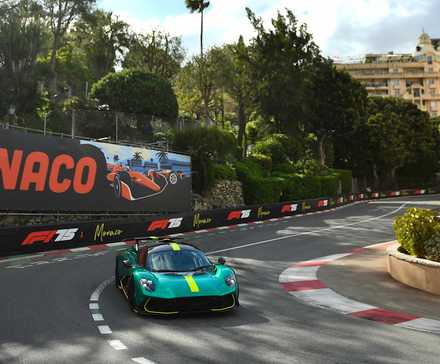
Aston Martin Valhalla Makes Public Debut In The Perfect Place
The Valhalla hits the Casino as Fernando takes the supercar for a spin.
In EV, Sport, and Sport Plus modes, the front wing sits flush with the floor to minimize drag. But in race mode, that retracted wing guides the air to the rear diffuser, while the active rear wing rises and starts moving around: adding downforce, acting as an air brake, or working with the downforce reduction system (DRS) when outright straight line speed is required.
F1 Technology Without F1 Rules
Aston Martin Valhalla PatentAston Martin
If you’ve even casually followed Formula 1 racing, you’ve likely heard the term DRS. In Formula 1, its use is heavily regulated, often used conditionally. An example condition is that the pursuing car must be within one second of its target for overtaking. However, the Aston Martin Valhalla isn’t an F1 car and not limited by rules. That means Aston can explore the possibilities of active aero fully, including the front and rear active aero systems working together.
Related
Porsche’s Hybrid Twin-Turbos Have Benefits No One Saw Coming
Porsche’s electric turbochargers have a hidden benefit no one saw coming.
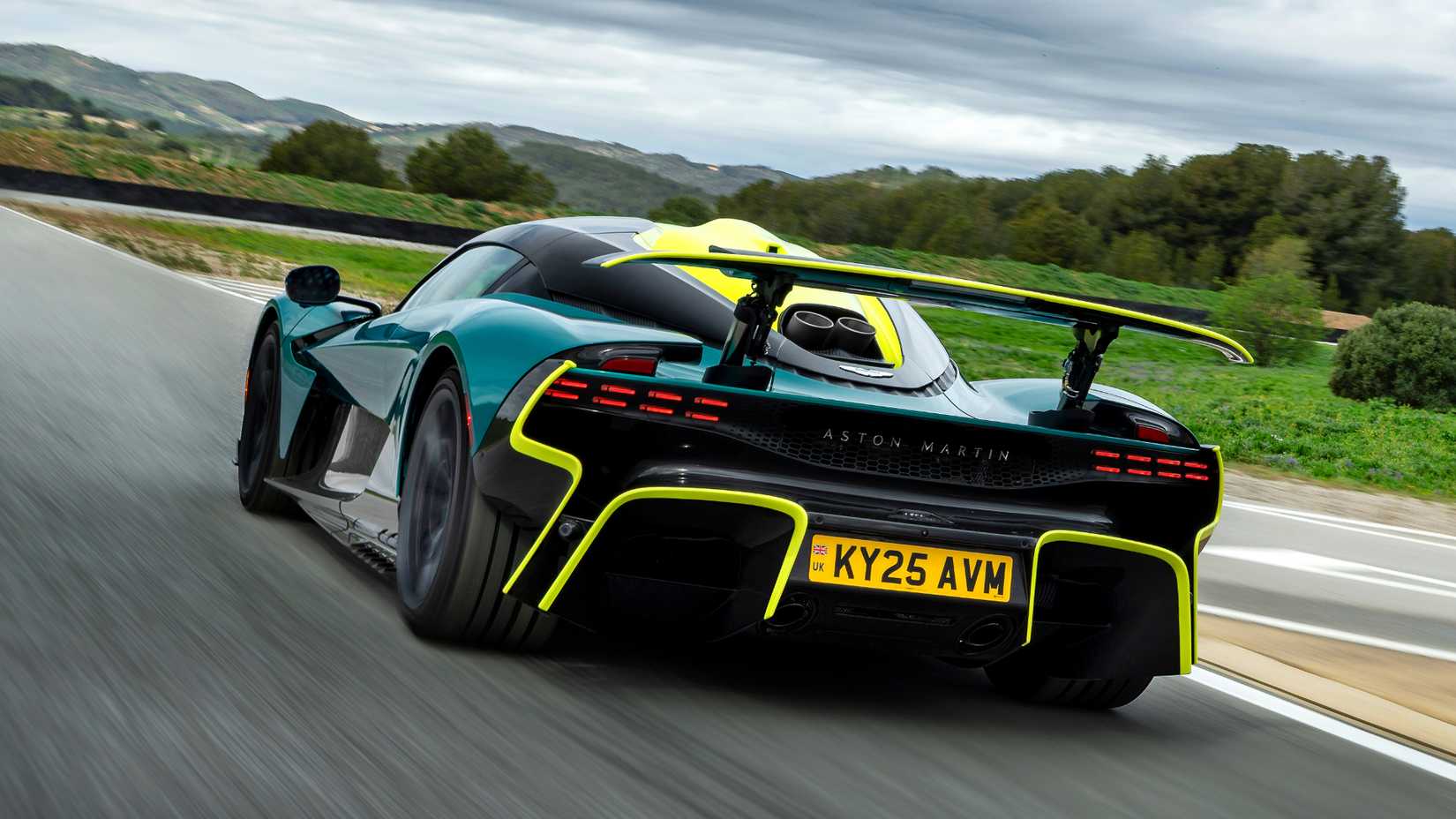
At 149 mph, the Valhalla can create over 1,323 pounds of downforce. But on a long straight, that downforce is slowing the car down. To hit the supercar’s 217 mph top speed, the downforce is trimmed down. Then, in dynamic areas of track with heavy acceleration, braking, and turning, theactive elements continually adjust to optimize downforce, reduce drag, or minimize braking distances. According to Aston, when heavy braking demands the rear wing to act as an air brake, the angle of attack of the rear wing can change in under 0.5 seconds to increase drag.
Aston Martin Valhalla production versionAston Martin
Even the doors of the Valhalla are part of the aerodynamics system. Although the “door turning vanes” direct airflow exiting the front wheel arches down the side of the car and into cooling ducts. According to Aston, the door’s aero trick improves performance of the engine and transmission oil coolers by 50%, aiding the roof scoops. And the coolers need to work hard, as the engine is a twin-turbocharged, flat plane crank, dry sump, 4.0-liter V8 unit that works with three electric motors to create a combined 1,064 horsepower.
It’s nice to know the science behind all the wings. But seeing Valhalla in action just takes it all to a new level of amazing.
Patent filings do not guarantee the use of such technology in future vehicles and are often used exclusively as a means of protecting intellectual property. Such a filing cannot be construed as confirmation of production intent.
Source: WIPO