I’m going to let you in on a little secret: I’ve never really enjoyed a Hideo Kojima video game before.
I’ve got fond memories of a few: Snatcher and Policenauts in particular, and Boktai was cool as well. But ever since the release of Metal Gear Solid in 1998, which with its blend of 3D action and narrative nonsense is the beginning of Kojima’s ascent into true stardom, I’ve bounced off pretty much every major game he’s ever put his name to, something that has long put me at odds not only with most of my peers writing about games, but with the millions of people who play them as well.
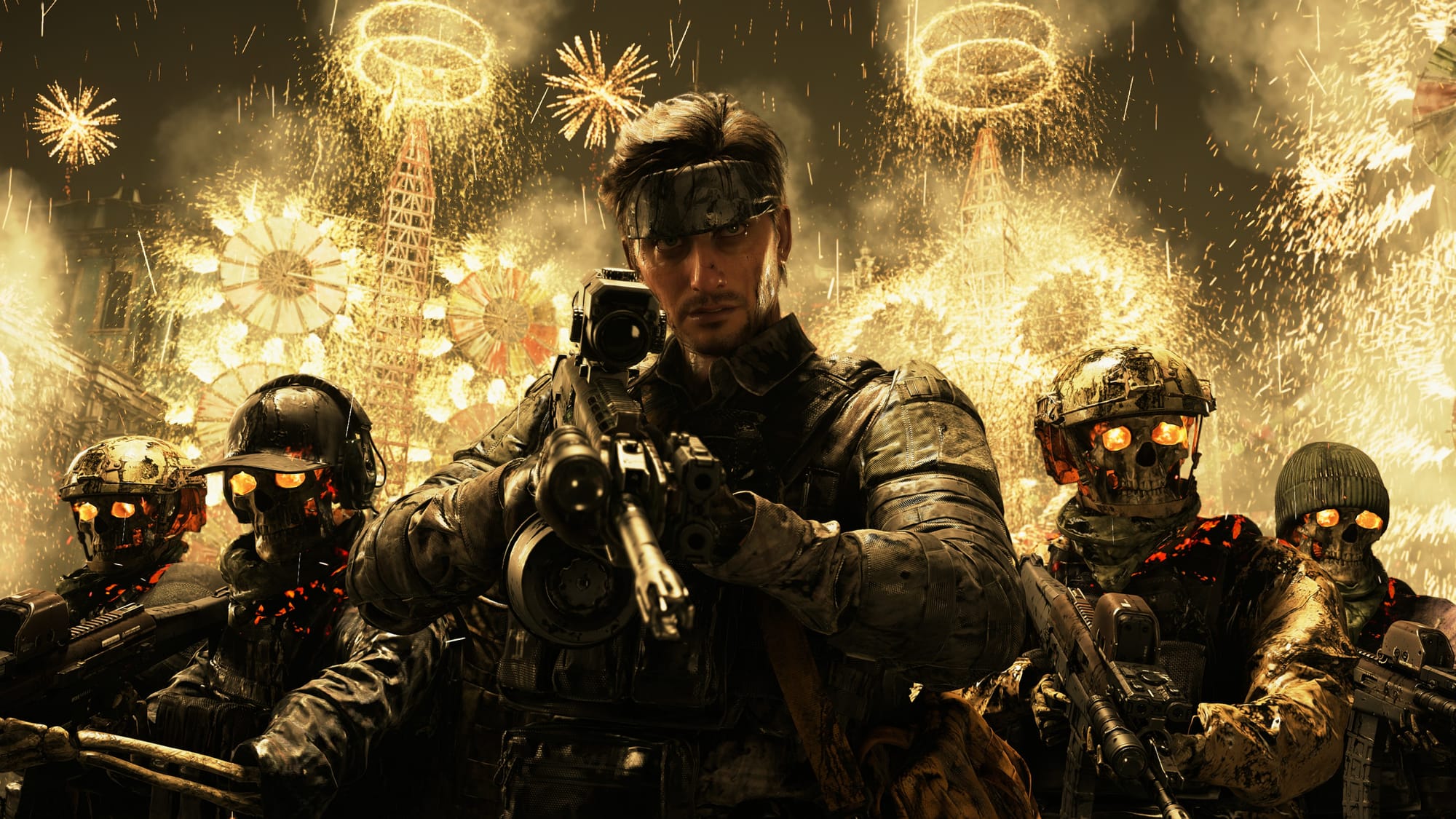
Let me be clear, I have played most of those games. Metal Gear Solid was fine, Metal Gear Solid 2 lost me pretty early on, I did not enjoy Metal Gear Solid 3 at all, and as a result of all that I barely bothered with 4, to the point where I think I was the first ever Westerner to play it at TGS in 2007, and my now-lost impressions were me being as vague as possible because I simply didn’t care about what I’d seen, but didn’t want upset the fans clamouring to read them.
I tried very hard to get into Metal Gear Solid 5 and its sandbox stealth, and probably got further into that than I had with any other MGS game since the first, but the weirder and further it got into its storyline–one I was totally lost on, having not followed its predecessors–the closer I edged towards the exit. And because I am nothing if not persistent, I also tried playing the first Death Stranding, but gave up on it when the BT stuff hits early on and, I dunno, I just didn’t really gel with the game’s foreboding vibes.
For all the years and consoles between them, these games all had the same shape, they all fit the same mould. They were, for better (everyone else) or worse (me) very much recognisable as the Hideo Kojima Experience. Despite not personally enjoying these games, though, I am not a hater; I can see what’s going on here and what folks are into, and can respect that. Kojima is a video game designer who also fancies himself a Hollywood director, someone who reaches for the stars with his games in ways that few others in the medium (at least at this scale) have ever bothered. The games coming out as a result of that have definitely found a market and a passionate fanbase.
Every time I would try to play a Kojima game, though, I’d look at what I was playing, look at the praise being lavished on it and wonder just what I wasn’t seeing. For the longest time my stance on the modern works of Hideo Kojima has been that these games are fine, but the reaction to them seems a bit much, as though Gamers, desperate to have an auteur representing their beloved medium, have elevated his works as much out of a need to have someone to elevate as the merits of the games themselves.
Plus it always felt a bit off to see so much praise laid at the feet of one man, in a way that’s very close to the classic Warren Spector joke. Every Kojima game (I’m doing the Warren Spector thing now!) from MGS1 onwards has been a lavish AAA production, and a lot of the stuff people love about them, from designs to writing, is in part at least thanks to the work of loads of other people as well!
ANYWAY! I am a relentless man, and so despite my decades of reservations and doubts, when Death Stranding 2 came out on PC a few weeks ago I decided once again to try to play a Hideo Kojima Game, if only so I could say “well I DID play it” when talking about it online. I stuck with it for over 40 hours, finished it on the weekend and, uh…I am here to put something very important on record. To say I loved every second of Death Stranding 2 is selling the experience short. It moved me like few AAA games in recent memory have, and now, days after rolling credits on it, I still can’t stop thinking about it.
Even having never got far into the first game–so I only knew enough of the backstory that a brief recap on the main menu provides–I was enthralled here, on the edge of my seat in so many bombastically cinematic cutscenes, transported to and immersed deeply in its apocalyptic world, invested fully in the fates of its small band of heroes.
I loved how desolate and empty Death Stranding 2’s world was. So many games waste time and effort trying to fill their sandboxes with people and writing and quests, but here the minimalism only serves to complement the game’s mood. I actually played most of the story in Steam’s offline mode and found the deserted landscape, populated only by my tyre treads and the occasional bit of music, just the most perfect expression of everything the setting and story was about. Around 70% of the way in I did go online, just once, and after finding my world suddenly full of other people’s ramps and roadsigns I turned it off and went back offline almost immediately. A slow trawl over a deserted map would kill almost any other open world video game. In Death Stranding 2 that loneliness is one of the game’s crowning achievements.
And that world, as empty as it is, is gorgeous. This is the first game I’ve played on my new PC that really pushed it, running at 4K with all the bells and whistles on, and from the cutscene visuals to the lighting while driving over snow-capped mountains, this might be the best-looking video game I’ve ever played. At some points, like watching Baby Lou dribble down their little chin, or seeing an orange sunset bathing some outback rocks in dying light, I was left speechless.
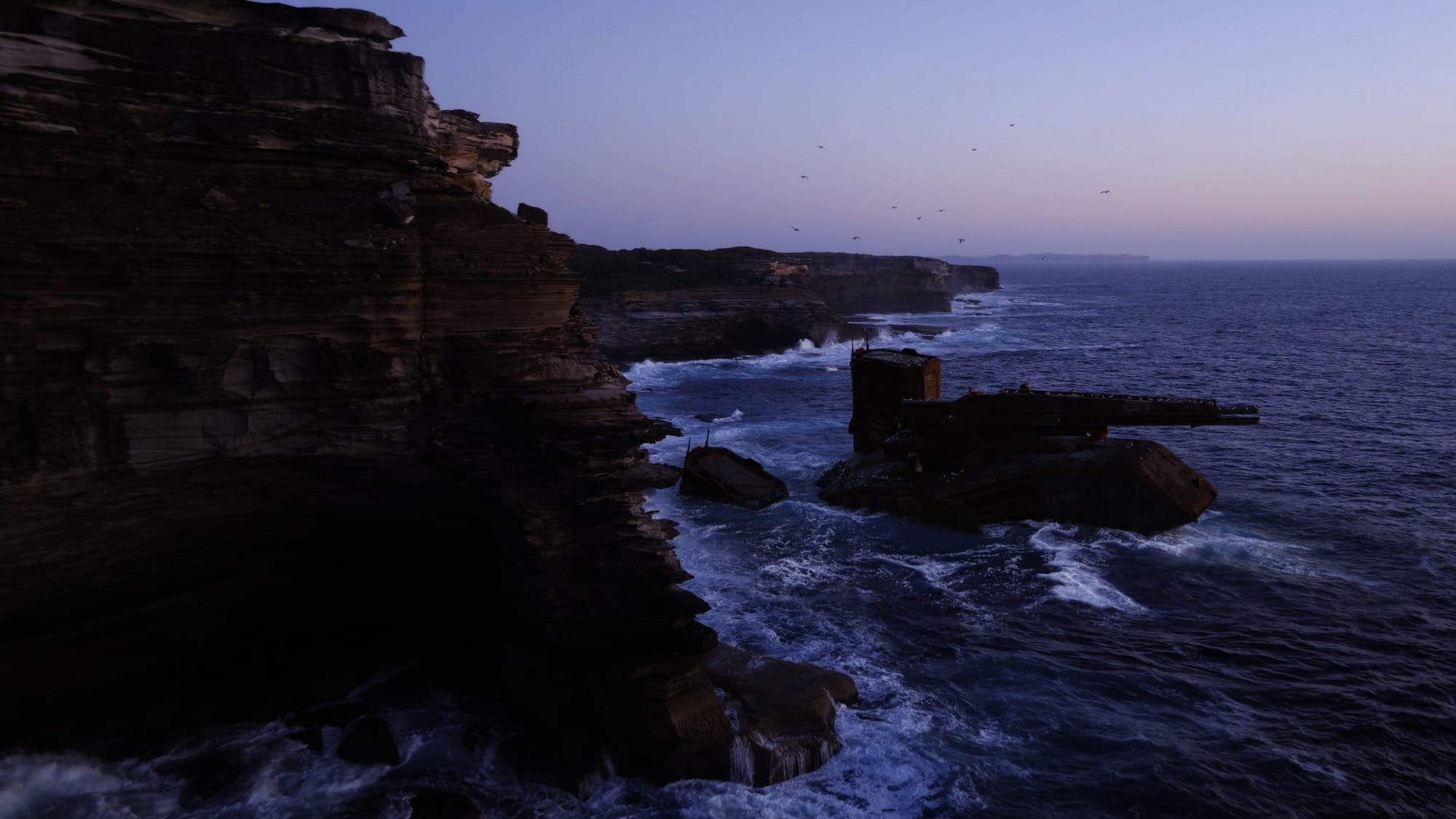
I dug playing in Australia, a place video games don’t let you visit very often. While not exactly a faithful rendition–it’s more of a snowglobe diorama, a tribute to the postcard idea of the place rather than an accurate recreation–it was still cool getting to hear the accent and see kangaroos in ways that simply felt like they were part of this game’s world and story, and not some Simpsons-like pastiche.
Another thing I really liked, despite the selections themselves not being the stuff I tend to listen to, is that Death Stranding 2 takes maybe the best part of either Red Dead Redemption game–playing a slow, moody song as you approach a destination, emerging from the lonely wilderness–and just says fuck it, let’s do it again and again and again, and there’s not a single time it’s not a wonderful feeling, a musical expression of the sense of relief washing over you as you reach safety after a long and dangerous journey.
I even, and this was the biggest surprise, embraced the weirdness! I’ve always really disliked the tone of Kojima’s other games, but where his taste for the absurd normally puts me off, once I’d settled into Death Stranding 2, switching between tear-stained dramatic scenes and electric guitar battles felt effortless. Like sure man, why not, I’m 38 hours into this story and invested up to my eyeballs in it, if you want to have a dance routine in the underworld of souls, let’s do this.
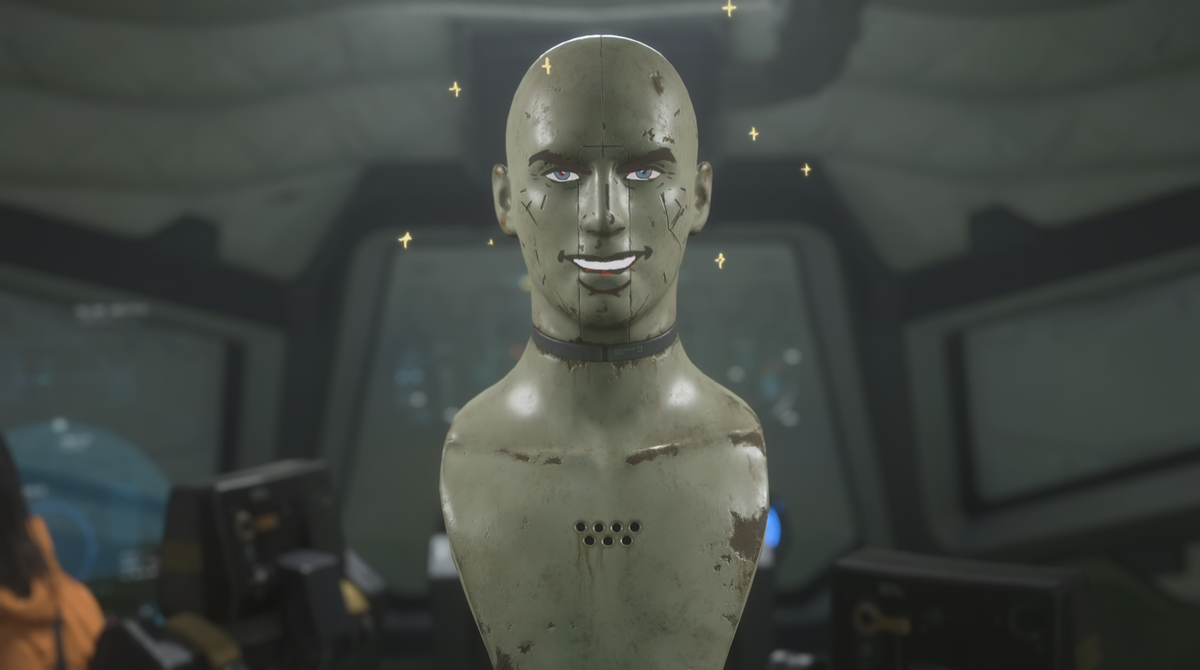
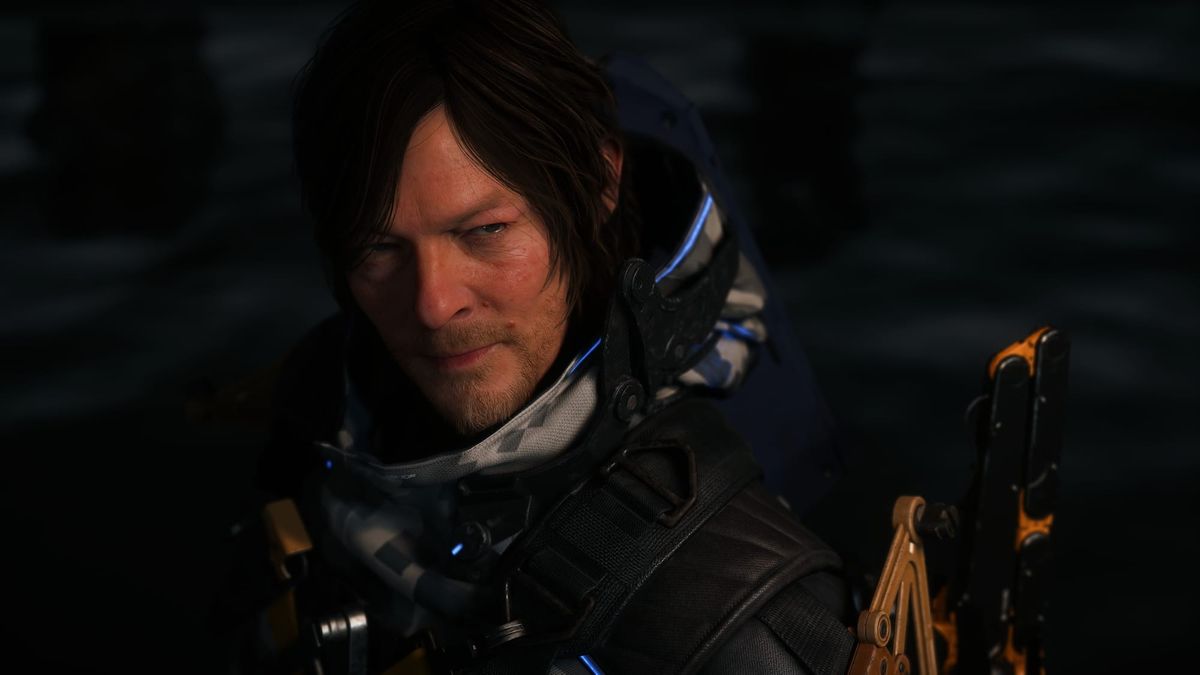
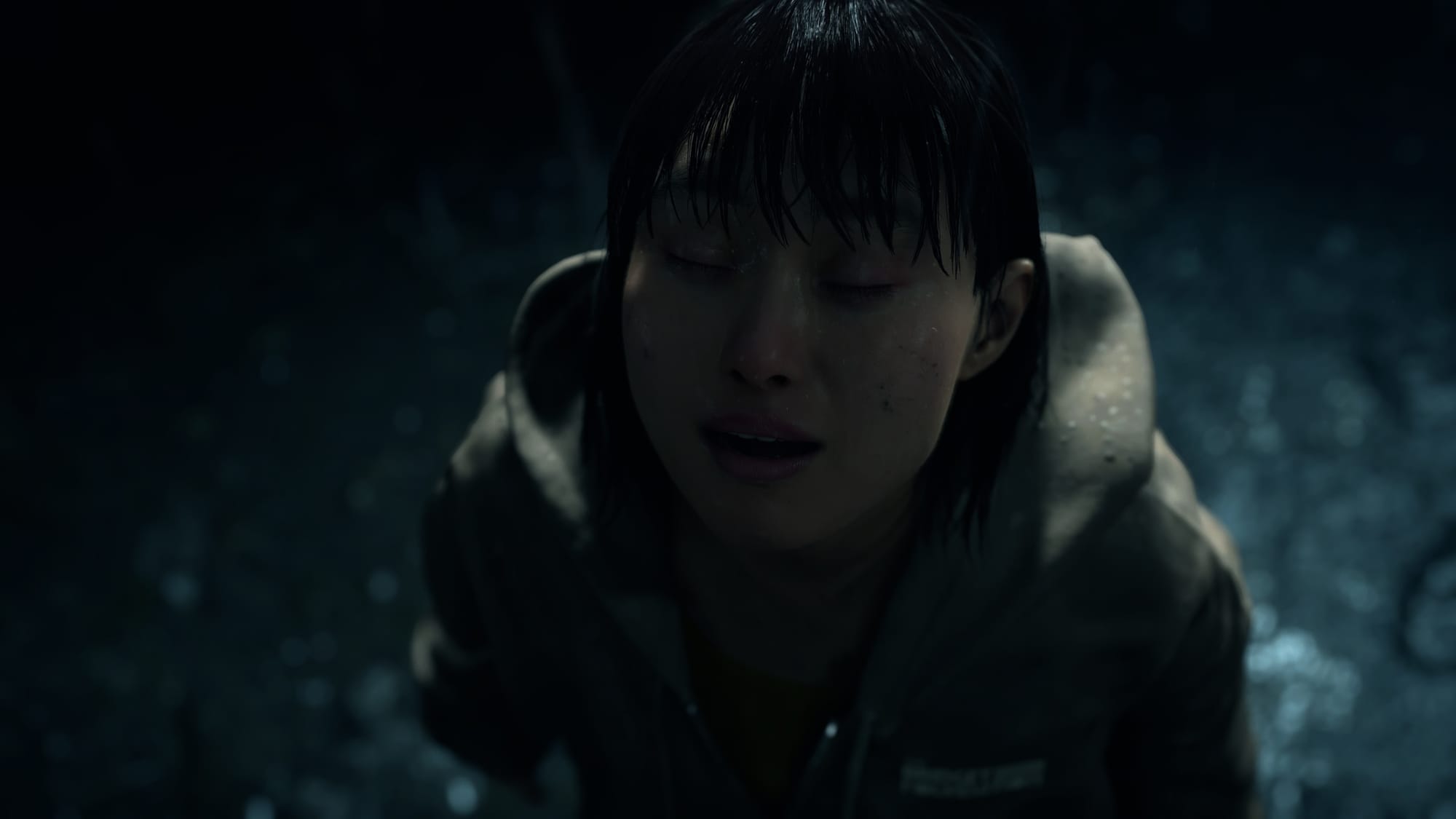
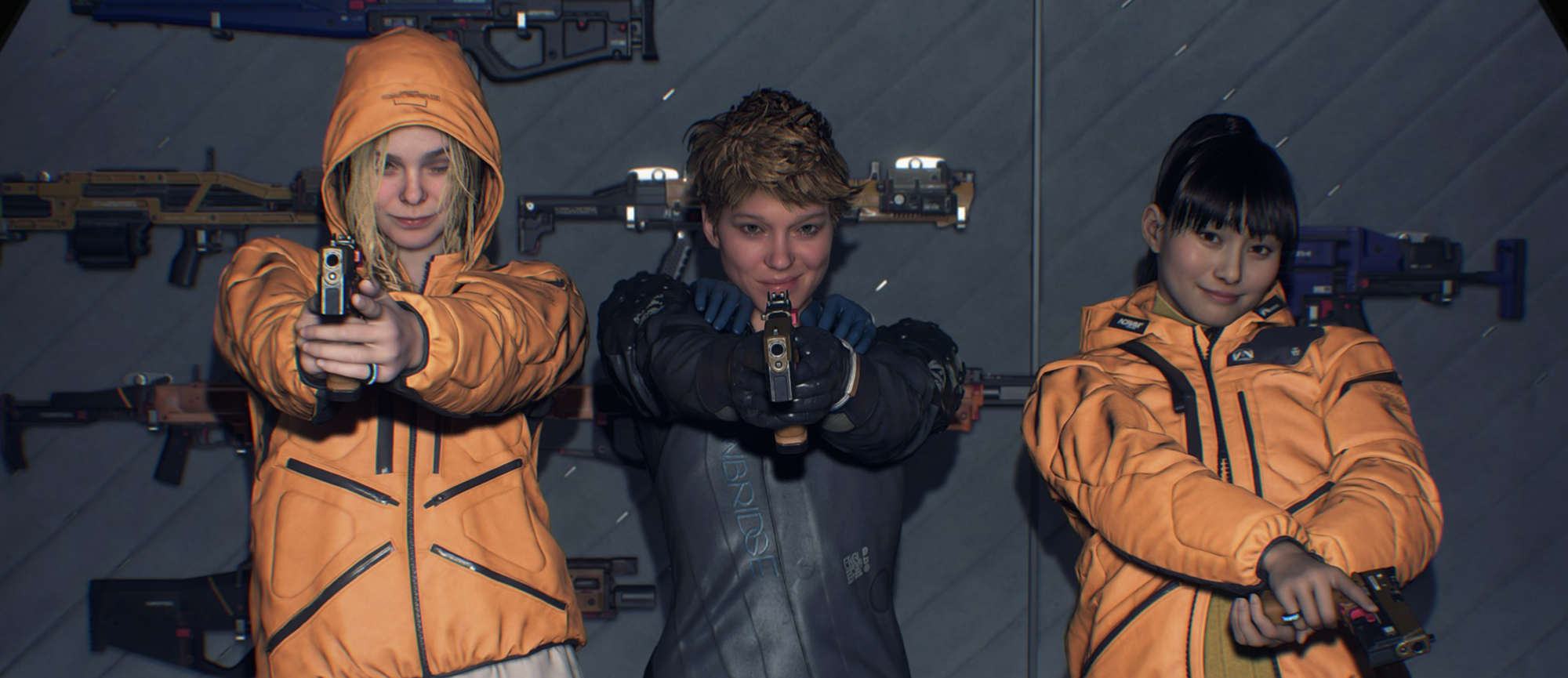
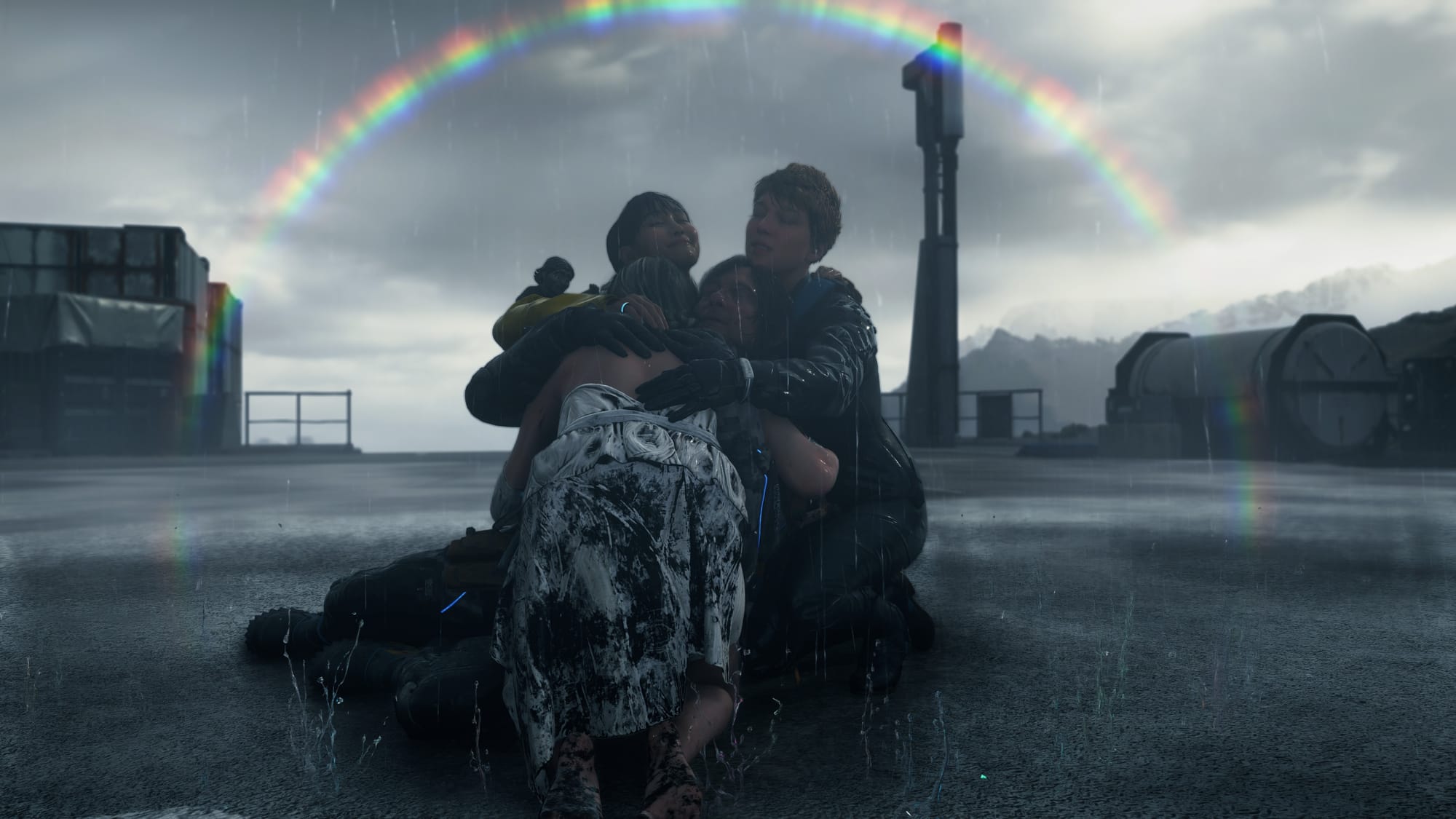
What I loved most about Death Stranding 2, though, was how this game just completely subverted my expectations about who was its star and what it was about. Coming in oblivious to the series I thought this was going to be a game about Norman Reedus walking around a lot being lonely and sad about stuff. And while that’s definitely the case, and is the lens through which you as the player progress the story, this is also very much a game about Death Stranding’s women. The cast, your ship, even your flashbacks are full of women who are developing complex, beautiful relationships, ones which are constantly revealing new depths and nuance, and to which Sam–who occasionally walks into a room while this is happening, grunts and leaves again–is largely oblivious to, or simply not even invited to be a part of. Not everything has to be about the main character all the time!
By now you’re probably wondering the same thing I’ve been wondering for the last few weeks: just what, exactly, was it about Death Stranding 2 that got to me when no other modern Kojima game had? I think its visual design played a big part in getting my foot in the door; despite my feelings about Death Stranding 1, I have very strong feelings for both Yoji Shinkawa’s designs and those of Acronym, the fashion label whose jackets are featured very prominently throughout the game. Even if I didn’t think I was going to enjoy the game, I at least wanted to poke my head in and check out some cool uniforms and anti-grav ships.
What really got me, though, was the same vibe shift that Chris spoke about when he first played the game on PlayStation 5. Death Stranding 2 has an almost “Death Stranding on vacation” energy to it that was instantly disarming, and set it apart from the drab horror of Death Stranding 1’s setting (which had put me off) and the military industrial obsession of the Metal Gear Solid series. I know I’m doing the same postman delivery stuff as the first game, but now it’s in sunny Mexico, and I’ve got a cute kid, and then I’m off to even sunnier Australia, and George Miller is going to fly the ship! It all felt breezy and fun and lured me in, and of course it doesn’t stay breezy, but by the time I was witnessing the end of the human race on a grayscale beach somewhere between purgatory and hell I was in too deep to back out.
Don’t get me wrong, it’s not like enjoying this single video game has got me reconsidering a lifetime of Kojima indifference. I played all those Metal Gear games, sometimes for a surprisingly long-ass time, gave them all a very good chance. This isn’t a confessional, a Mea Culpa Kojima. I’m not a huge fan of stealth in 3D action games, Kojima’s political commentary has never really interested me and just because I liked this one game doesn’t mean I was wrong, in my heart, about any other I’ve played in the last 28 years.
What I think has happened here is that I’ve experienced the video game criticism version of an eclipse, where two celestial bodies–Kojima’s overblown theatrics and my love of cool design–perfectly aligned for 40 brief, shining hours, a moment in time that hasn’t just given me two weeks of playing a very special video game, but a glimpse into a world where people have got to feel this much joy about every Kojima game.
Death Stranding 2 Is A Joyful, Absurd Response To COVID – Aftermath
Goofy, lighthearted and constantly mugging. Death Stranding 2 is a exercise in spectacle and one of the most human games Kojima has ever made.