
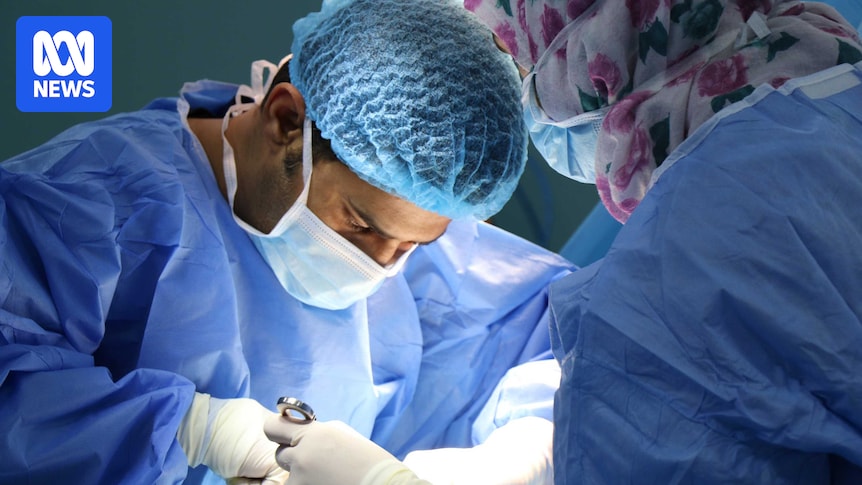
A GP found to have engaged in professional misconduct while helping a patient access almost $20,000 of her superannuation for cosmetic liposuction is one of two health practitioners referred to tribunals by regulators amid dozens of related complaints.
Since 2019, the Australian Health Practitioner Regulation Agency (AHPRA) received 95 complaints about health practitioners involved in patients accessing their superannuation early.
The WA State Administrative Tribunal recently found a Perth doctor had engaged in professional misconduct by inappropriately helping a patient access $18,500 of her superannuation to fund liposuction.
The Medical Board of Australia accused the doctor of providing “false and misleading information” by claiming the patient was accessing superannuation early for life-threatening obesity, despite not documenting her weight or body mass index.
Tribunal documents state the doctor had completed the early release of superannuation declaration form in 2018, after the patient told him she wanted to have a tummy tuck or liposuction, to deal with “fatty tissue around the midriff.”
His notes did not document any clinical assessment of the patient, according to the tribunal documents, including any measurements, weight, or her body mass index, or make any reference to the patient being obese or having a life-threatening condition.
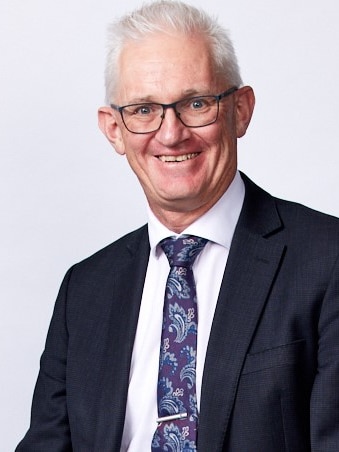
ATO Deputy Commissioner Ben Kelly said accessing super early had long-term financial risks. (Supplied: Australian Tax Office)
The State Administrative Tribunal ruled the doctor’s registration be suspended for three months, and that he pay $5,000 as a fixed amount of the Medical Board of Australia’s costs.
New figures released by the Australian Tax Office (ATO) show that between January 2019 and December 2025, AHPRA received 95 complaints related to compassionate release of superannuation, with most notifications related to treatment outcomes or payment disputes.
After investigations by AHPRA, two doctors were referred to tribunals for alleged professional misconduct, one dentist had conditions imposed on their registration and one doctor received a formal caution.
ATO Deputy Commissioner Ben Kelly said some practitioners were using “predatory practices” to inappropriately access super early.
“It is unacceptable for anyone to pressure Australians into accessing their superannuation savings early to pay for overpriced or unnecessary treatments,” he said.
“Superannuation is a long-term investment designed to be used during retirement. Accessing your super early carries long-term financial risks and can cut into your retirement savings.”
Super is not designed to be a bandaid for the health system: advocates
Australians were allowed to withdraw more than $1.4 billion from their superannuation on compassionate grounds last financial year, with almost all of it spent on medical costs including dental work.
Compared to 2018-2019, there was a 10-fold increase in the number of people making successful applications to use their super on dental work.
Under the ATO’s access on compassionate grounds scheme, Australians can apply to take money out of their retirement nest eggs for certain expenses, like medical or disability care.
For the early withdrawal of super to be approved on medical grounds, two medical practitioners need to verify it is necessary to alleviate pain, to treat a life-threatening illness or injury, or alleviate mental illness.
Health practitioner watchdog ‘stunned’ amid ongoing super trend
Super Members Council CEO Misha Schubert said the ability to withdraw super on compassionate grounds was becoming an increasing problem, facilitated by some practitioners inappropriately helping patients access their nest eggs.
“We’re deeply concerned by what we can see as a growing avalanche of advertising, seeking to encourage people to take their super out early for non-essential medical and dental procedures,” she said.
“A person who takes $20,000 out of their super earlier in their life, that can leave them $100,000 poorer by retirement, so it’s really important that there be strong safeguards on people’s super to keep it safe for that one job it’s got to provide income for a dignified retirement.
“Super is not designed to be a bandage for the health system.”
The ATO has urged Australians to be cautious and understand the short and long-term impacts of accessing super early, including the additional tax that is withheld, and any changes to their eligibility for government support payments.
Patients are advised to consider seeking an additional medical opinion about treatment costs and review documentation from their practitioner to ensure information is accurate.
Mr Kelly said Australians should be alert to red flags, such as a practitioner using social media to advertise early access to super, or asking for personal details to apply for compassionate release on your behalf.
The ATO says other warning signs to look out for include:
A practitioner using telehealth appointments rather than in-person examinationsWhen using your superannuation is encouraged but payment plans are notA practitioner requiring you to use a specific provider to submit your applicationWhen there are fees associated with submitting your application
Anyone with concerns about a practitioner is urged to notify AHPRA or the ATO.
AHPRA is also now trialling the use of artificial intelligence to identify problematic advertising that suggests a practitioner is willing to put financial incentives ahead of patient needs, with several practitioners already under investigation.
Loading…