
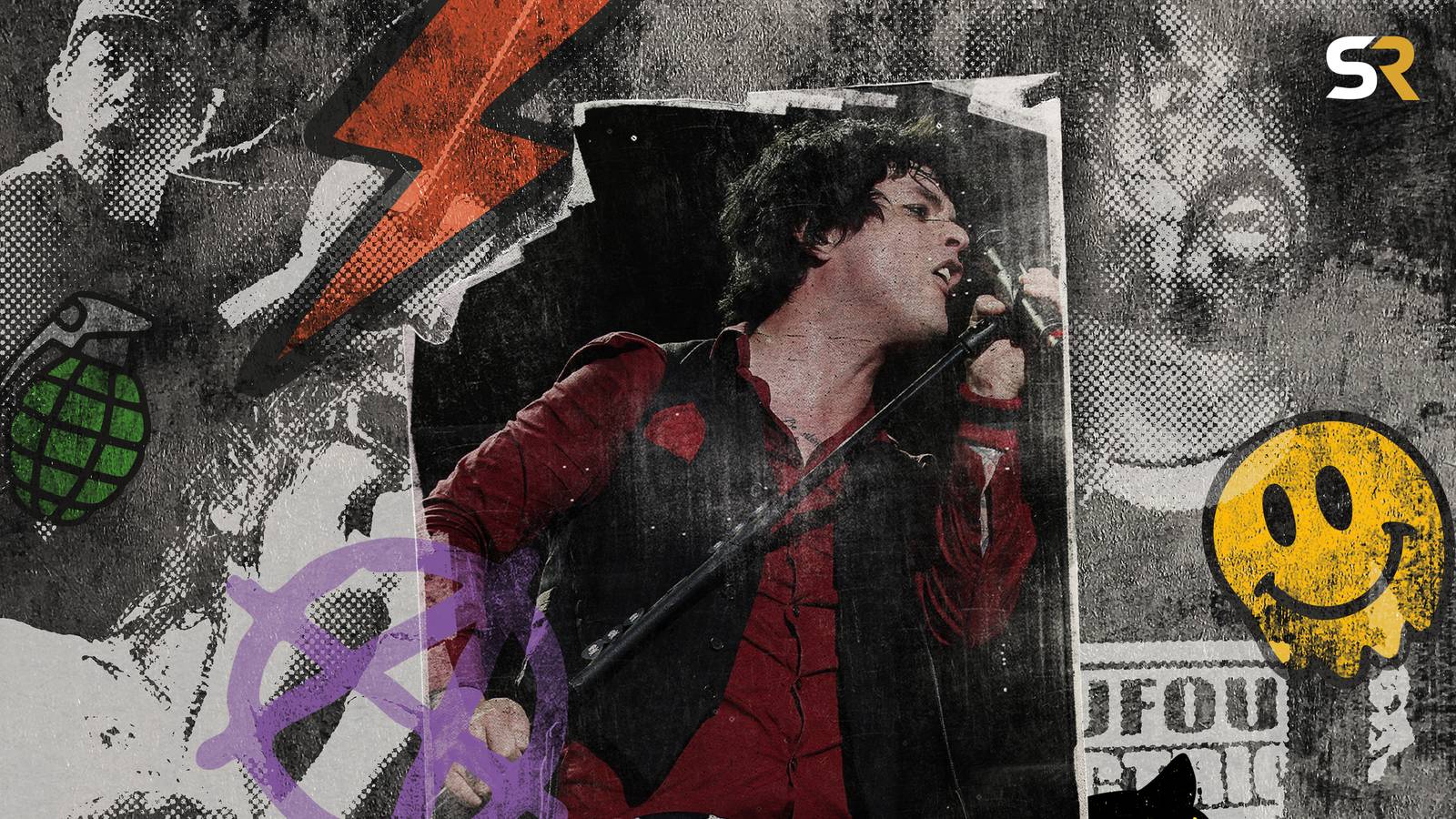
I’ve said it before about hip-hop. I’ve said it about classic rock. And I’ll say it again today—I’ll be riding the ’90s till the wheels fall off. Britpop, grunge’s last gasps, the whole beautiful, overproduced mess of it. But the 2000s? That’s where rock music stopped playing nice and started swinging blind. The genre was backed into a corner—digital piracy was torching the old business model, nu-metal was burning itself out in real time, and then out of nowhere, a bunch of kids in leather jackets and thrift-store denim kicked the garage door open and reminded everyone what a guitar was actually for.
The 2000s was rock’s identity crisis and its reinvention. It was the decade where the polished got stripped back, the underground went mainstream overnight, and the line between indie and arena got obliterated by bands who couldn’t care less about the distinction. Some of these records sounded like they were recorded in a basement because they literally were. Others were so massive they practically came with their own weather system. From the jagged, sweat-soaked revival of raw rock to the emotional gut-punches that defined a generation of kids in eyeliner, these 15 albums are 2000s rock. The ’90s built the launchpad. This decade lit the fuse.
15
‘All That You Can’t Leave Behind’ – U2 (2000)
By the turn of the millennium, U2 had spent a decade hiding behind the irony of Achtung Baby and the neon-lit excess of Pop. All That You Can’t Leave Behind was the moment they finally decided to come home, offering a visceral, heart-on-sleeve earnestness that felt like a warm embrace. It was cinematic in its optimism, proving that guitar-driven hope could still dominate a world that was becoming increasingly fractured. It remains the definitive return to form of the decade.
While “Beautiful Day” was the inescapable radio juggernaut, the record’s true strength lies in its soulful restraint and spiritual weight. “Walk On” remains a gut-punch of resilience, but it’s the deep cut “Kite” where the album truly breathes, showcasing some of Bono’s most vulnerable vocal work alongside The Edge’s signature shimmering delay. This collection reminded everyone that U2’s classic sound was timeless, providing a much-needed emotional anchor for rock fans entering a brand new, uncertain era.
14
‘Echoes, Silence, Patience & Grace’ – Foo Fighters (2007)
Dave Grohl is the ultimate example of ignoring the haters. Transitioning from the drum throne to the frontman mic is a massive gamble for any artist, but doing it in the wake of Kurt Cobain’s death and the monolithic legacy of Nirvana is nearly impossible. By the time this 2007 record arrived, Grohl hadn’t just stepped out of that shadow, he had built his own sun. It felt like the band finally perfected the bridge between stadium-sized hooks and acoustic intimacy.
The album’s brilliance is found in its dynamic shifts rather than just its volume. “The Pretender” provided the melodic punch, but the deep cut “Let It Die” is the record’s true masterpiece, escalating from a delicate acoustic whisper to a screaming, heavy-rock explosion. This record remains a pillar of 2000s rock because it proved the Foo Fighters were the last true masters of the classic rock format, proving that resilience is the most powerful tool in a rock star’s arsenal.
Despite being the biggest rock star on the planet in 2007, Dave Grohl recorded the initial demos for this album alone in his garage. He wanted to ensure the songs could stand on their own as acoustic tracks before bringing in the full band to “Foo-ify” them with stadium-sized production.
13
‘Toxicity’ – System of a Down (2001)
Released just days before the world changed in September 2001, Toxicity arrived as an unhinged, chaotic reflection of the political anxiety already bubbling under the surface. It was bullet-to-the-heart-direct in its delivery, blending Armenian folk melodies with a thrash-metal intensity that felt raw and confrontational. It was a record that shouldn’t have worked on mainstream radio, yet its sheer eccentricity made it a chart-topping sensation that defined the heavier side of the decade.
“Chop Suey!” remains the definitive anthem of the era, but the album’s longevity is rooted in its sonic weirdness. “Aerials” provided a haunting, melodic contrast to the surrounding chaos, while the deep cut “Deer Dance” showcased the band’s sharp, politically charged lyricism. Toxicity redefined the heavy part of the rock spectrum, proving you could be avant-garde and still sell millions of records without ever compromising on your own strange, aggressive vision.
12
‘Yankee Hotel Foxtrot’ – Wilco (2001)
Yankee Hotel Foxtrot emerged from a legendary battle with its own record label to become a raw, beautiful transmission from a world that was slowly coming apart. Jeff Tweedy’s weary vocals against a backdrop of experimental static and folk-rock melodies were intentional—it was the sound of “American Dad Rock” gaining a soul and a sense of adventure. It felt cinematic in its scope, capturing a specific kind of American loneliness that felt incredibly timely upon its release.
By fighting for their vision, Wilco became the poster children for the 2000s indie-rock movement
“Jesus, Etc.” is the undeniable masterpiece here—a song so perfectly written it feels like it has always existed. But the album’s experimental heart beats in the deep cut “Poor Places,” where the band leans into the avant-garde static that almost cost them their career. By fighting for their vision, Wilco became the poster children for the 2000s indie-rock movement, proving that alt-country could be just as complex and experimental as any highbrow European act.
11
‘Songs for the Deaf’ – Queens of the Stone Age (2002)
This record felt less like a studio album and more like a cinematic high-speed chase through the Mojave Desert. With Dave Grohl behind the kit, the percussion was punishing, providing a raw foundation for Josh Homme’s robotic, desert-rock riffs. It was an album that sounded like it was recorded in a grease-stained garage but belonged in a stadium, capturing a grit that felt completely unhinged from the glossy pop-punk trends of the time.
“No One Knows” is the hit everyone knows, but the album’s brilliance is its radio station concept. “Go With The Flow” is a masterclass in driving, relentless energy, while the deep cut “Song for the Dead” features one of the greatest drum performances in the history of the genre. This record remains the gold standard for stoner-rock, proving that a band could be both incredibly catchy and undeniably heavy without losing their cool.
Dave Grohl is the only artist to appear twice on this list. He takes the #14 spot as the frontman of the Foo Fighters, but he also holds the #11 spot for his legendary session work behind the kit on Songs for the Deaf. It’s a testament to his status as the ultimate rock MVP—even when he isn’t the one at the mic, he’s often the engine driving the decade’s most essential records.
10
‘Only by the Night’ – Kings of Leon (2008)
By the time the late 2000s rolled around, rock was looking for its next big stadium anthem, and Kings of Leon delivered something massive. Caleb Followill’s gritty, bourbon-soaked howl provided a raw jolt of Southern-infused adrenaline to the charts. It felt cinematic in its scale, as if the band had finally found the big room sound they had been chasing since their early days as shaggy-haired garage-rock revivalists.
It was the last great stadium rock moment of the decade, bridging the gap between indie-sleaze clubs and the massive, global festival stages.
“Sex on Fire” and “Use Somebody” were the cultural juggernauts that turned the band into household names, but the album’s true depth is found in its atmosphere. The deep cut “Closer” provides a dark, echoing mood that showed the band was capable of much more than just radio-ready hooks. It was the last great stadium rock moment of the decade, bridging the gap between indie-sleaze clubs and the massive, global festival stages.
9
‘Whatever People Say I Am, That’s What I’m Not’ – Arctic Monkeys (2006)
In 2006, four kids from Sheffield took the internet’s buzz and turned it into a frantic, booze-fueled sprint through the British night. This debut was unhinged and breathless, capturing a specific kind of youth culture that felt entirely raw and unvarnished. The rapid-fire lyrics and jagged guitars were visceral, signaling the arrival of a band that didn’t need a major label’s permission to be the biggest thing on the planet.
“I Bet You Look Good on the Dancefloor” was the indie-sleaze anthem that changed the game, but the record stays essential because of Alex Turner’s gritty storytelling. “When the Sun Goes Down” perfectly captures the band’s gift for social observation, while the deep cut “A Certain Romance” serves as a sweeping closer that proved the Monkeys were elite songwriters. It earns its spot by remaining the fastest-selling debut in UK history and an absolute 2000s classic.
8
‘American Idiot’ – Green Day (2004)
Few expected the guys who sang about boredom and masturbation in the ’90s to drop a cinematic punk-rock opera, but American Idiot was a defining moment for a generation. It was mechanic in its political fury and unhinged in its scope—a conceptual gamble that should have been a disaster but instead became a cultural phenomenon. It felt like a band reclaiming their throne by leaning into their most ambitious and theatrical instincts.
The title track and “Boulevard of Broken Dreams” dominated the airwaves for a year, but the nine-minute “Jesus of Suburbia” is the album’s crowning achievement. Even better is the deep cut “Whatsername,” a melancholic, crushing closer that proved Billie Joe Armstrong could write with a level of emotional maturity the genre hadn’t seen before. This album saved Green Day and gave 2000s rock a definitive, protesting voice.
The record’s legacy eventually transcended the music industry entirely, proving its narrative depth when it was adapted into a Tony Award-winning Broadway musical. By taking the “Jesus of Suburbia” from the mosh pit to the Great White Way, Green Day did the unthinkable: they made punk rock theatrical on a high-art scale. It remains one of the few instances where a rock concept album successfully translated its grit and fury into a live-stage production that resonated with both critics and theater-goers alike.
7
‘Take Off Your Pants and Jacket’ – blink-182 (2001)
If Enema of the State started the pop-punk fire, Take Off Your Pants and Jacket was the unwitting explosion that confirmed it as the decade’s primary language. It felt raw and immediate, capturing that specific suburban boredom and angst with a stadium-ready polish that felt unhinged from the genre’s DIY roots. It was the sound of summer in a cul-de-sac, amplified to an arena-sized scale.
“The Rock Show,” “First Date,” and “All The Small Things” were inescapable hits, but the album’s heart is found in its darker corners. “Stay Together for the Kids” remains a gut-wrenching anthem for a generation of divorce-era youth, while the deep cut “Everytime I Look For You” features some of the band’s most infectious melodic work. It’s a modern classic that took joke-punk and gave it a genuine, beating heart and world-class drum work.
6
‘Funeral’ – Arcade Fire (2004)
Funeral arrived as a cinematic wake where everyone decided to dance instead of mourn. It was emotionally raw, utilizing orchestral swells and gang vocals that made the indie-rock scene feel like a spiritual movement rather than just a sub-genre. In an era of garage rock cool, this record felt unhinged in its earnestness and beauty, creating a communal experience that resonated far beyond the indie clubs.
“Wake Up” became a literal anthem for everyone from U2 to David Bowie (the latter involved legal threats, but no bother!), but the album’s texture is found in its layered arrangements. “Rebellion (Lies)” remains one of the decade’s most driving tracks, while the deep cut “Neighborhood #1 (Tunnels)” sets a magical, snowy tone that defined the indie aesthetic for years to come. Funeral changed the DNA of rock by bringing chamber-pop and baroque sensibilities into the mainstream.