
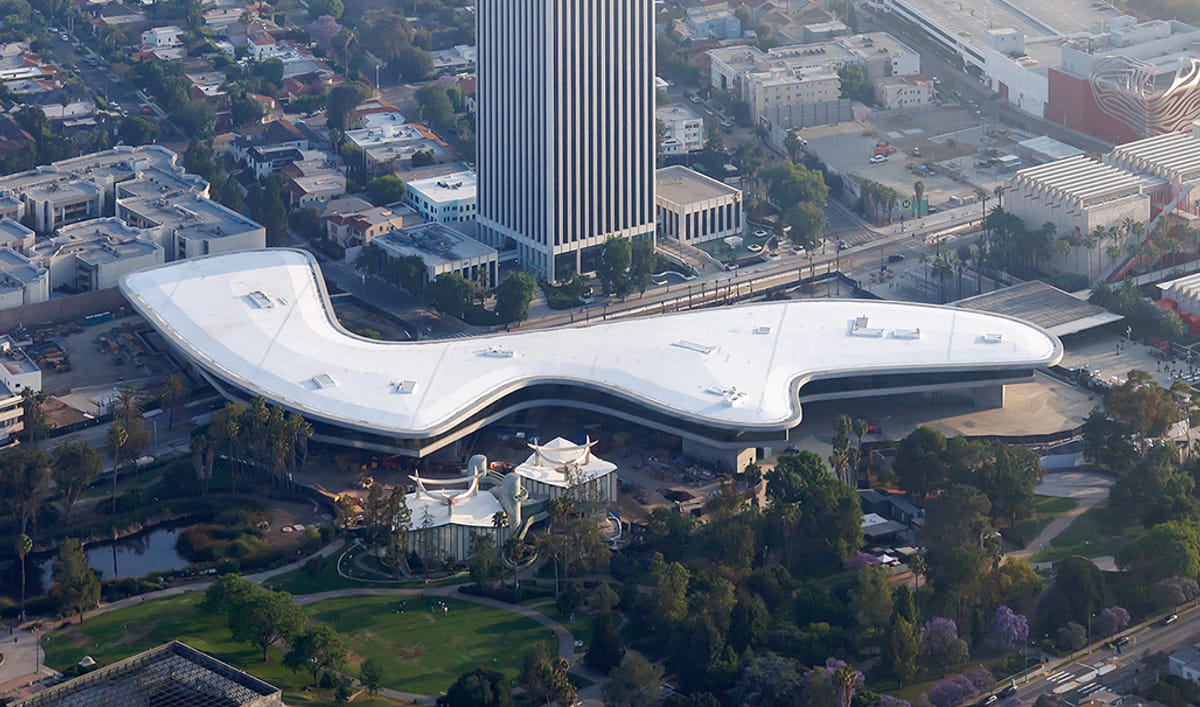
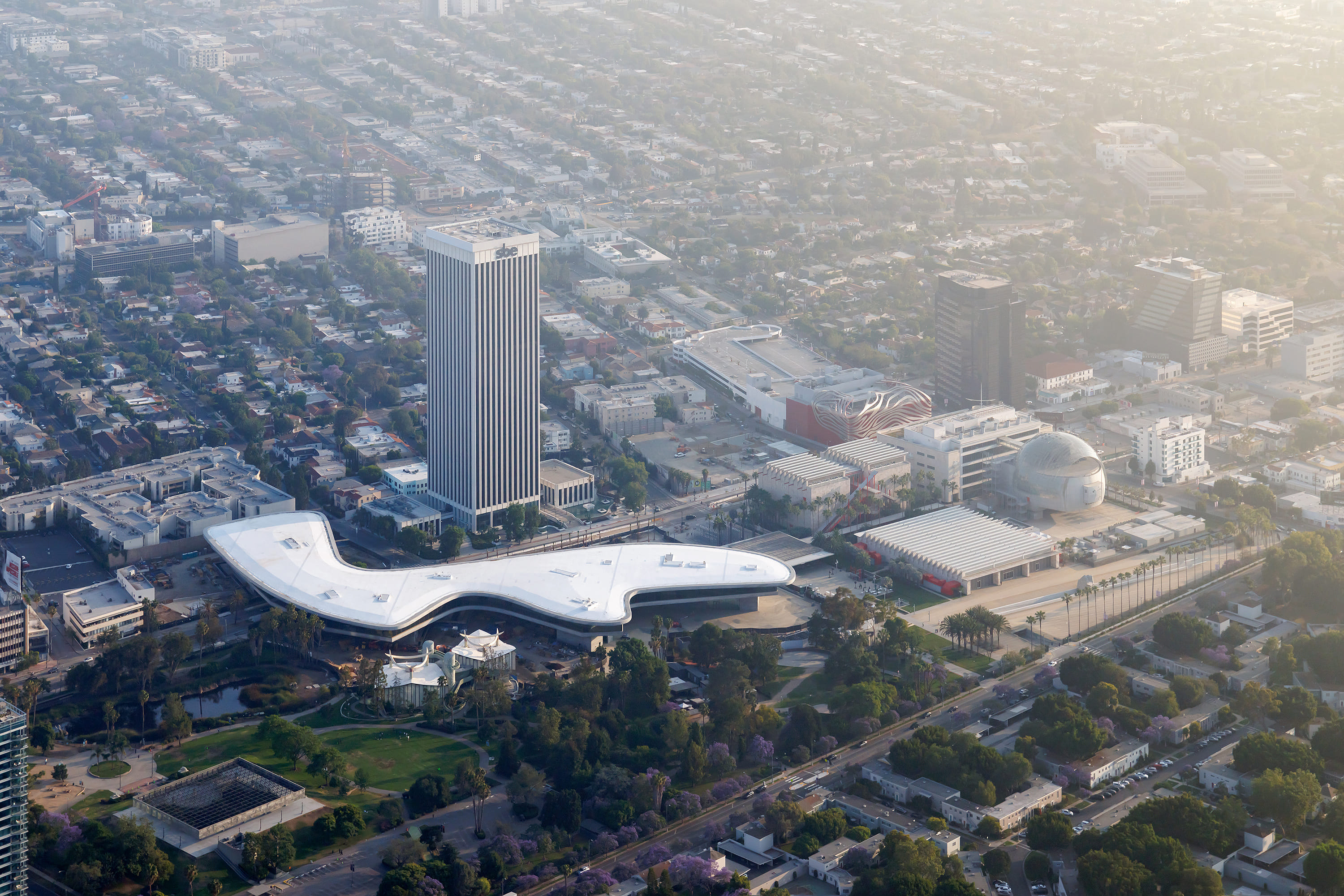
LACMA’s new David Geffen Galleries under construction in June 2025. Image credit: Iwan Baan
Later this week, on April 19th, the Los Angeles County Museum of Art will open the new and much-anticipated David Geffen Galleries.
The moment will mark the seminal milestone in LACMA’s long, turbulent journey to expand its campus, which has played out for the entire 21st century.
Here is a reminder.
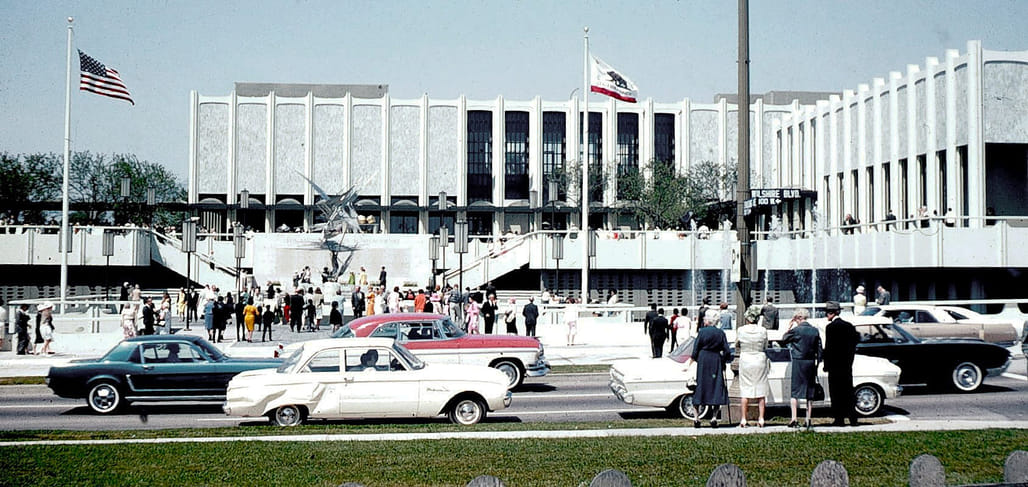
The previous LACMA campus by William Pereira in 1965. Image courtesy of George Garrigues/Wikimedia Commons (CC BY-SA 3.0)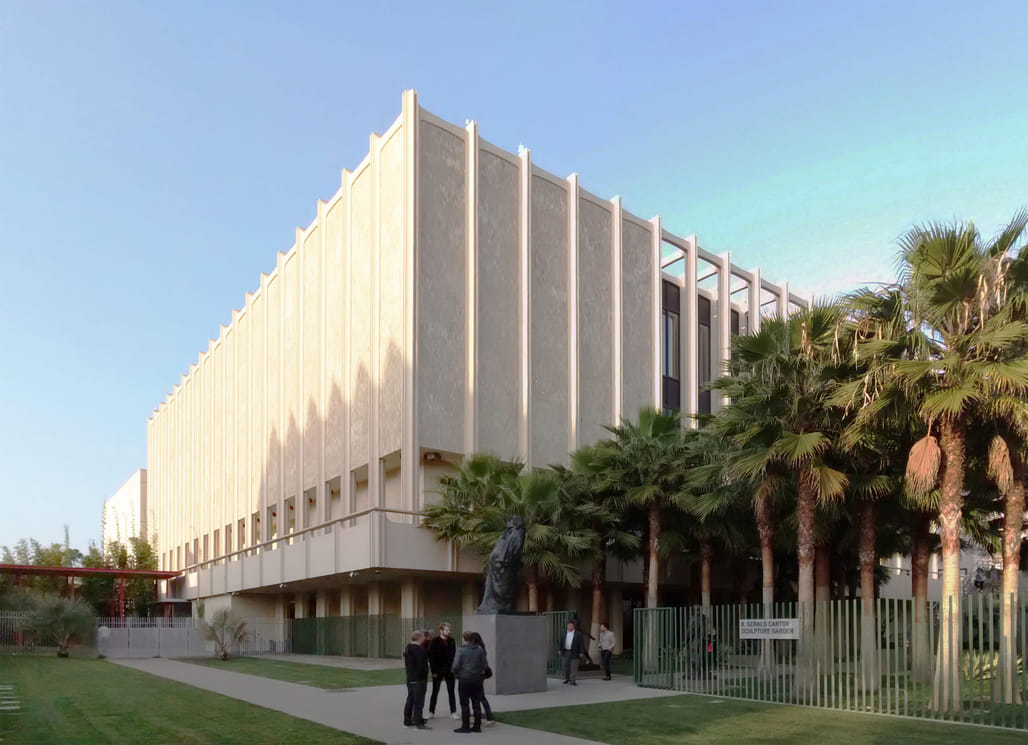 The previous LACMA campus by William Pereira. Image courtesy of Wikimedia user Gunnar Klack.
The 2000s: False starts
While the current scheme was designed by Peter Zumthor with SOM as a collaborating architect, this was not always the case. OMA and Rem Koolhaas won the competition for the makeover’s design in 2001, proposing that the main campus buildings be replaced by a collection of low-profile gallery buildings under a translucent, tent-like roof. Two years later, however, fundraising issues would lead to the proposal’s abandonment.
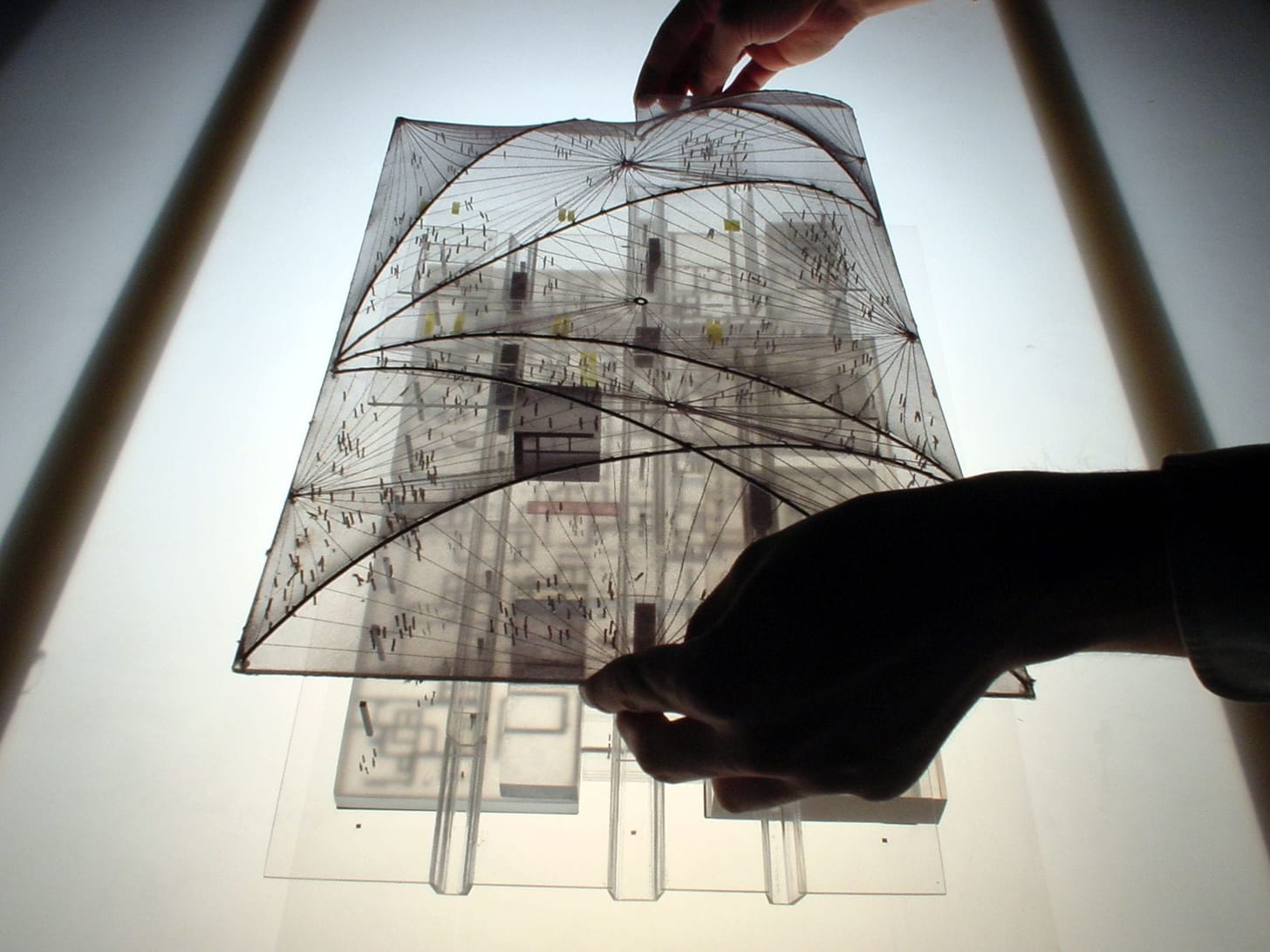
OMA’s controversial 2001 LACMA expansion proposal. Image courtesy of OMA.
In the years since OMA’s scheme was abandoned after LACMA failed to raise the roughly $350 million to $400 million needed to realize it, the campus instead expanded incrementally, including through Renzo Piano’s Broad Contemporary Art Museum and Resnick Pavilion. In 2013, however, the institution revealed that Peter Zumthor had been recruited to deliver what was then a $650 million plan for a landmark new building.
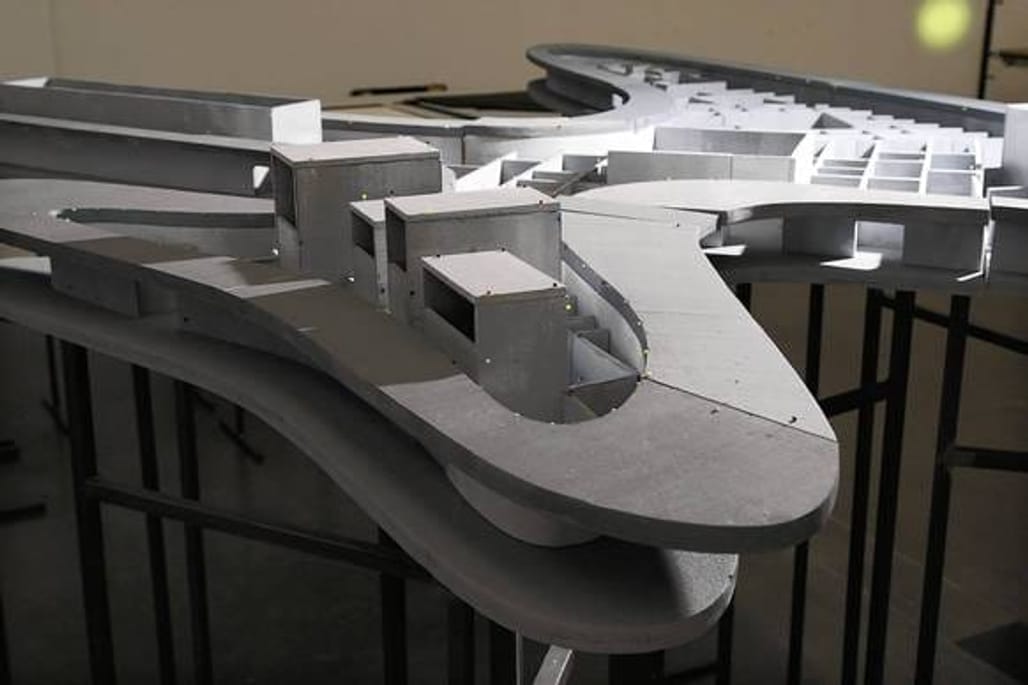
June 2013: A first look at Zumthor’s design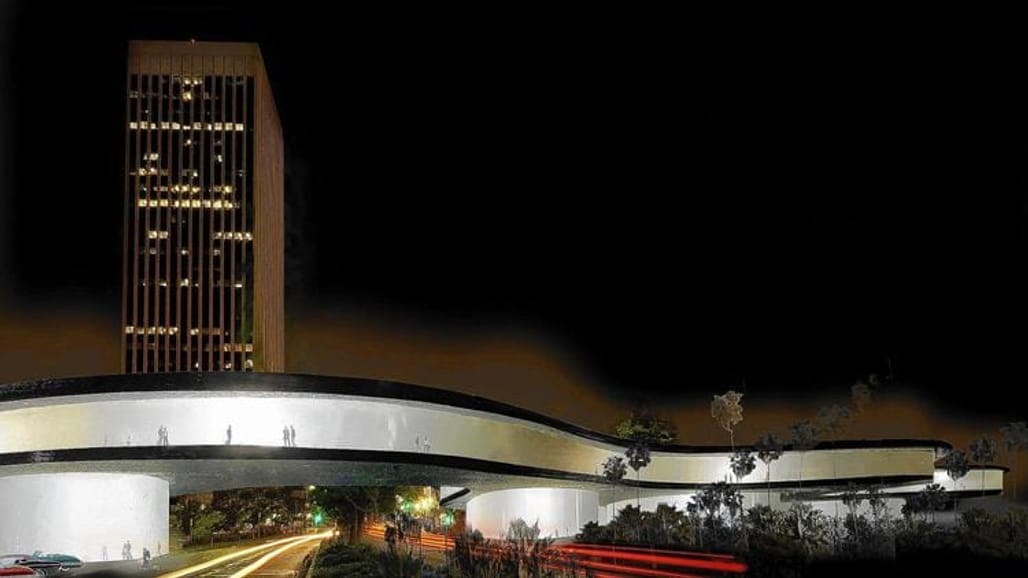 June 2014: Revised design addressing the La Brea Tar Pits. 2013–2017: Zumthor’s arrival
In June of 2013, we published initial details of Zumthor’s proposal, comprising a ‘Black Flower’ concept which we said at the time “obliterates the original campus.” In 2014, however, the first course correction would take place after Zumthor dramatically revised the design, addressing concerns that the original scheme would cast a shadow over the nearby La Brea Tar Pits. Initial funding for the project was approved later that year.
Throughout the rest of the 2010s, Zumthor’s plan would continue to evolve and morph. In 2015, a design update revealed a more angular, muscular scheme in contrast to the free-flowing nature of the original scheme, including an array of concrete boxes on the roof. “No one will call it a blob anymore,” LACMA Director Michael Govan said at the time. “Peter hasn’t given up the curve. But he’s really, really reined it in.”
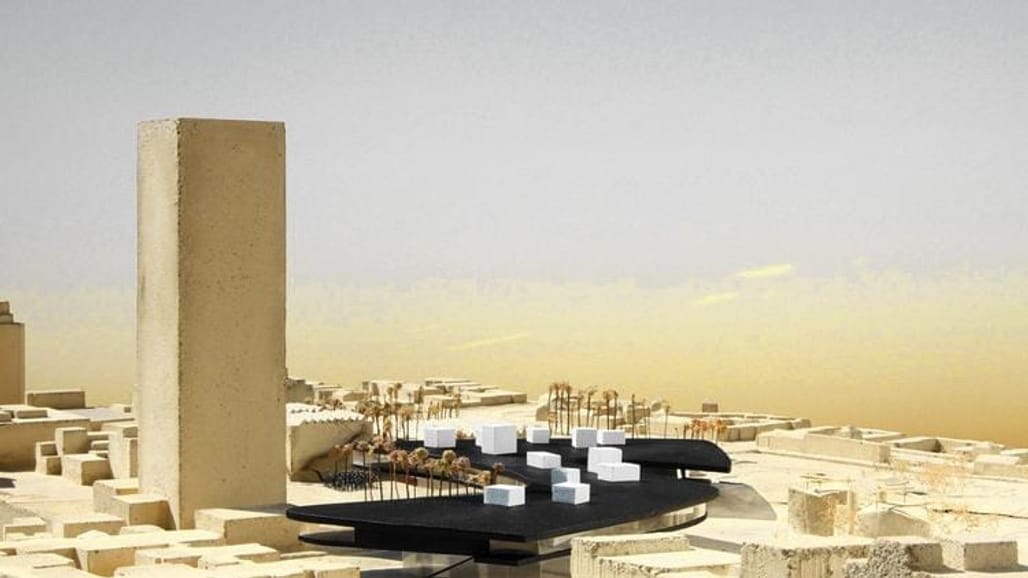
March 2015: ‘Angular’ redesign. Image credit: Atelier Peter Zumthor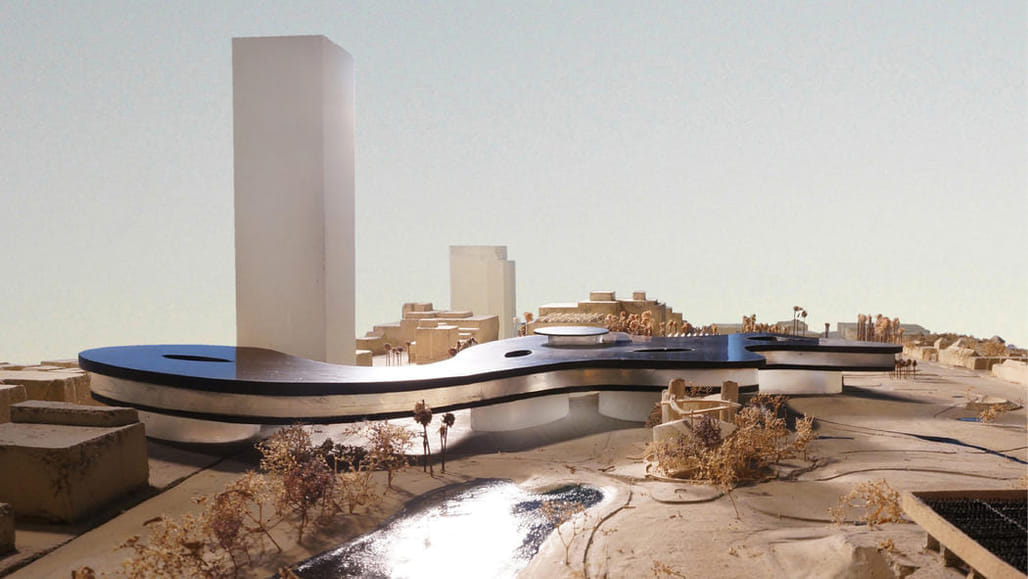 April 2016: The redesign moves forward. Image credit: Atelier Peter Zumthor2017–2019: Design evolutions and critiques
By 2017, Zumthor had overhauled not only the visual presentation of the project but the tone of the material. No longer a ‘black flower,’ the galleries would now adopt a lighter mineral tone. Two years later, meanwhile, the overall size of the scheme was reduced from approximately 390,000 to less than 350,000 square feet. The height of the building, dictated once by that array of concrete light boxes, was also reduced as galleries were removed.
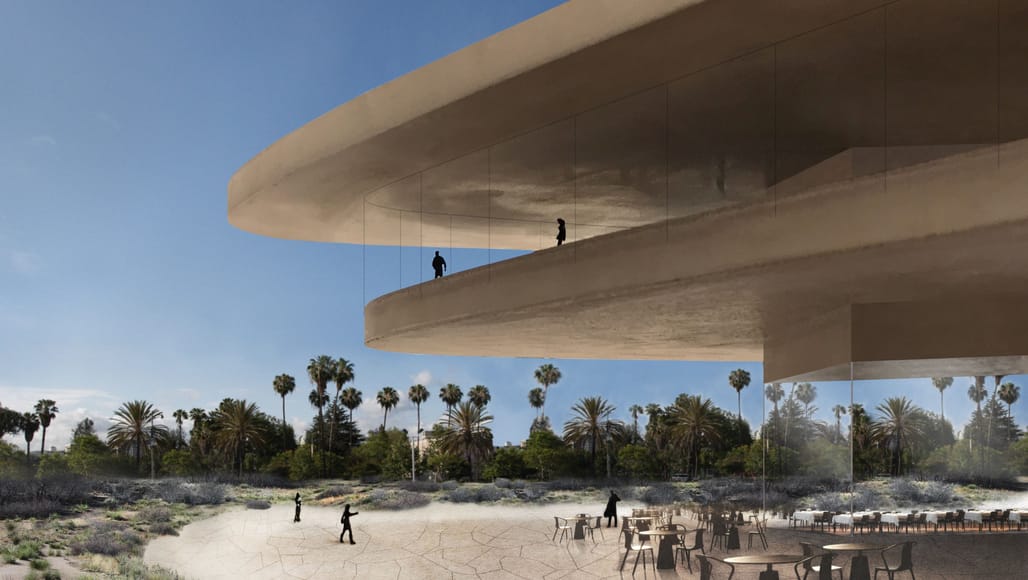
April 2017: Rendering overhaul. Image courtesy of LACMA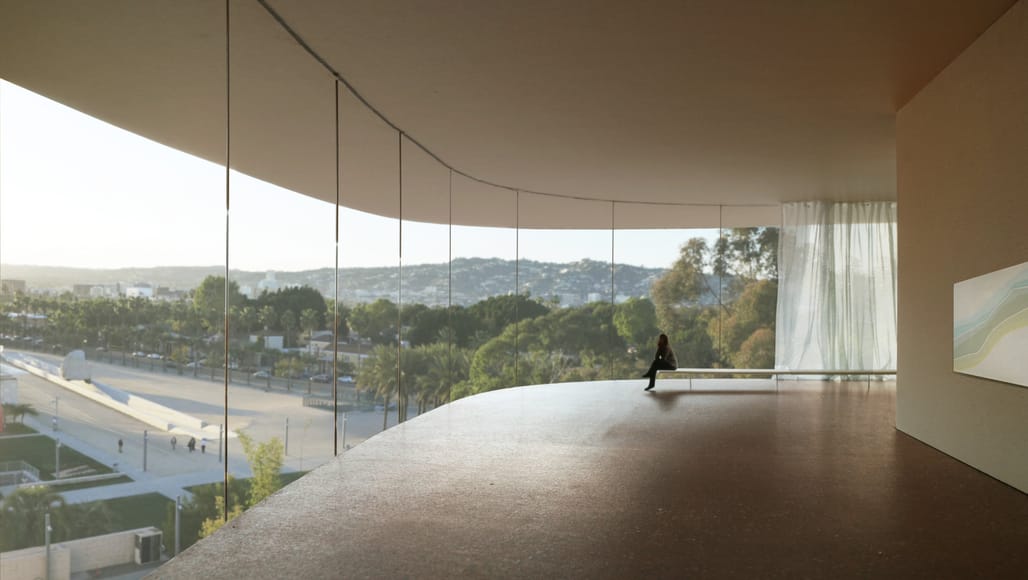 April 2017: Rendering overhaul. Image courtesy of LACMA
The reduction in floor space drew the critique of LA Times writer Christopher Knight, who wrote: “I couldn’t name another art museum anywhere that has ever raised hundreds of millions of dollars to spend on reducing its collection space.” Nonetheless, in April 2019, the project was approved by the LA Board of County Supervisors.
As the scheme finally appeared to be moving to a construction phase, 2019 saw Archinect publish an op-ed by John Southern reflecting on what the David Geffen Galleries said about Los Angeles. Reflecting on a recent conversation between LACMA director Michael Govan and USC School of Architecture dean Milton Curry, John pondered whether LA had stopped being the city that dares to dream and take architecture to the limits of rationality.
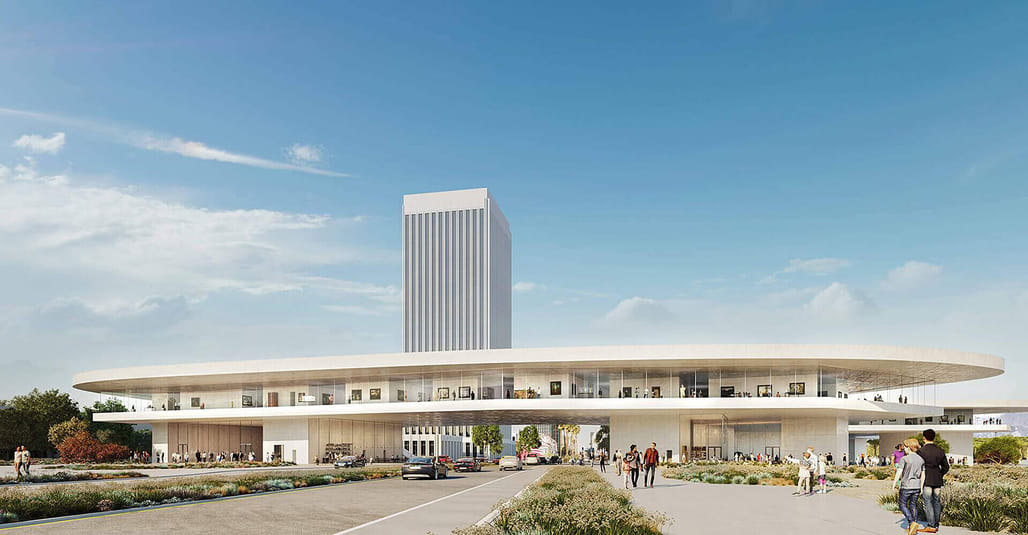
April 2019: Updated renderings. Image credit: Atelier Peter Zumthor & Partner/The Boundary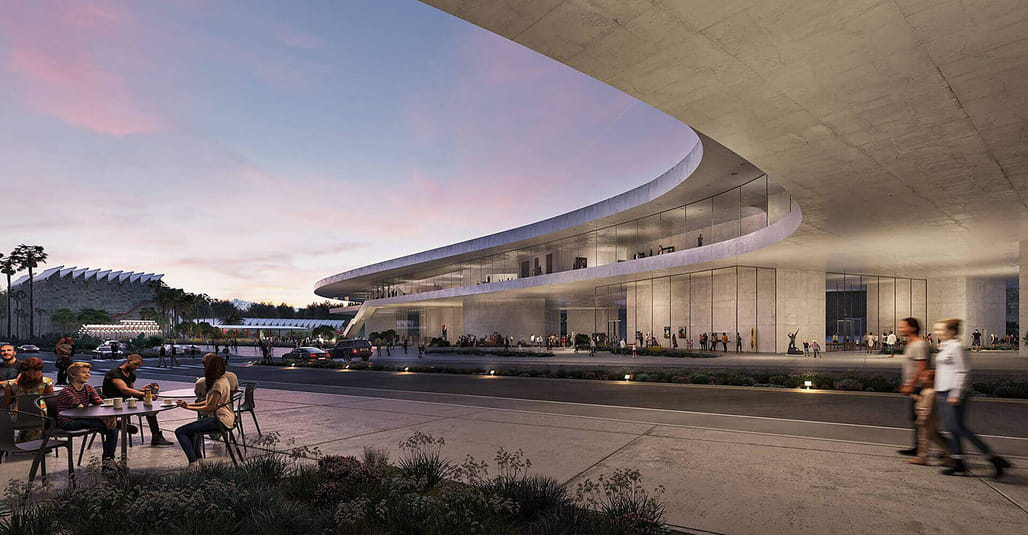 April 2019: Updated renderings. Image credit: Atelier Peter Zumthor & Partner/The Boundary2019–2021: Demolition amid opposition
Midway through 2019, a lawsuit was filed by a local community group in LA claiming the LACMA expansion would adversely impact the neighborhood’s parking capacity. The lawsuit would serve as a prelude to several years of controversy and opposition as the development moved into the construction phase and fundraising efforts for the makeover also encountered problems.
By late 2019, a non-profit entity named Save LACMA was formed to formalize opposition to the project. In an early move, the entity announced it was placing a ballot measure on the 2020 ballot that sought to challenge the standing of the project and increase public accountability.
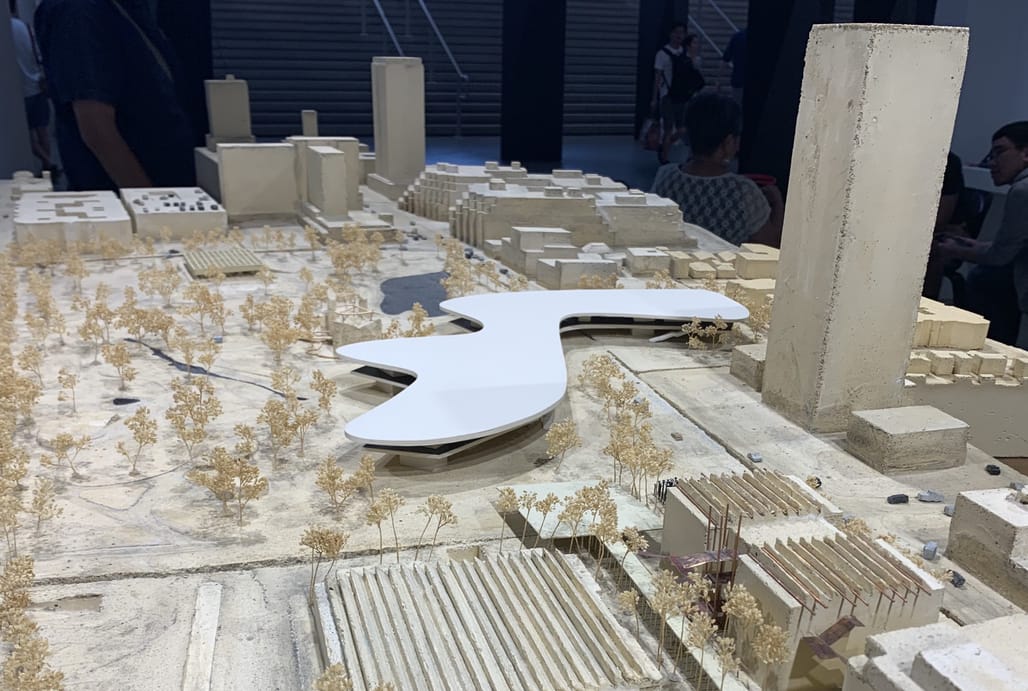
June 2019: Model of the proposed scheme. Image credit: Shane Reiner-Roth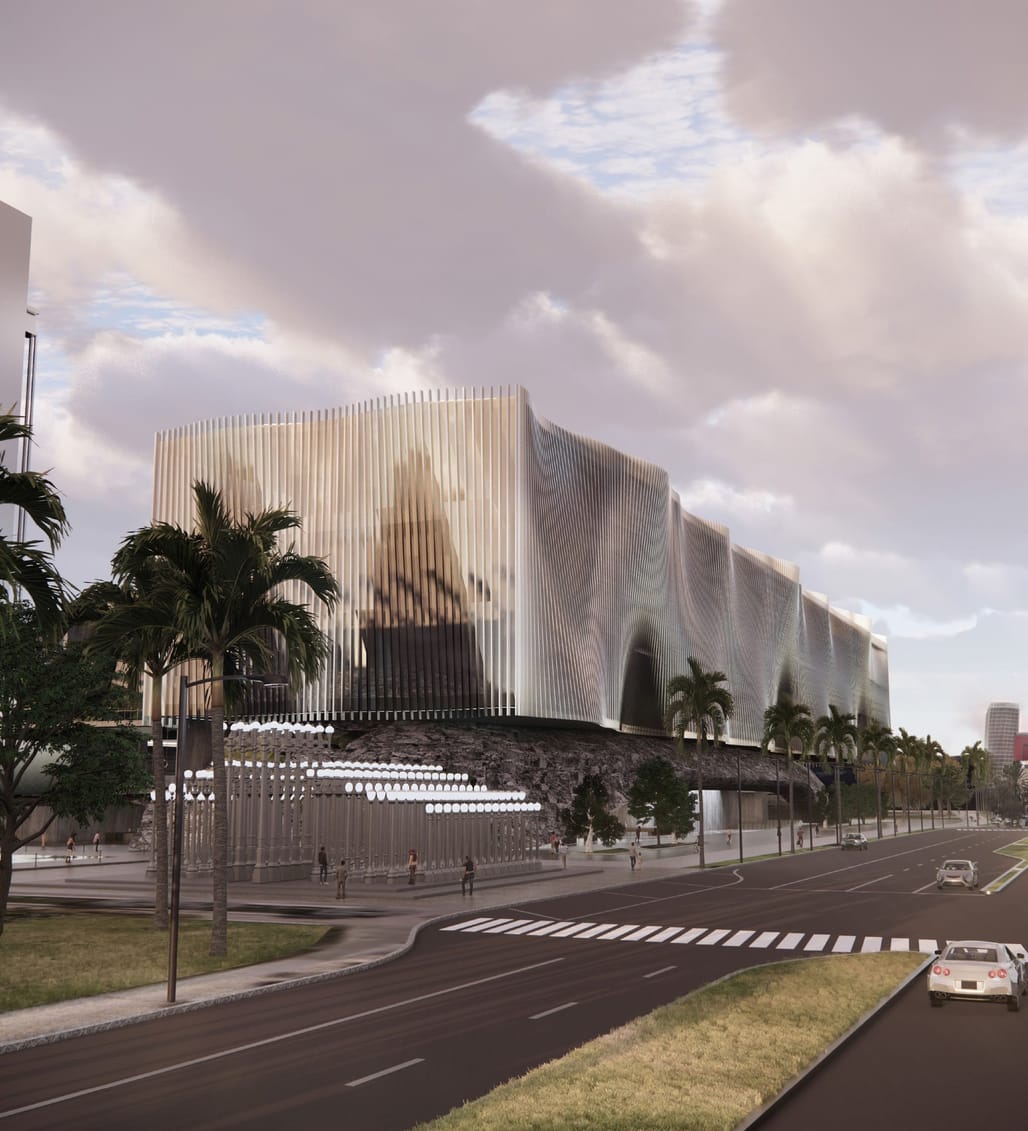 April 2020: Alternative proposals published after rival competition. Image credit: Citizens Brigade to Save LACMA (proposal by TheeAe)
In 2020, meanwhile, a separate group named Citizens Brigade for Saving LACMA published alternative proposals for the site elicited through an ideas competition. In addition to bringing more public input to what they claimed was a closed process, the competition also promoted ideas that worked with the existing architectural fabric of the museum rather than demolishing it as per Zumthor’s proposal.
Despite the controversy and the upheaval of the COVID-19 pandemic, demolition of LACMA’s existing William Pereira-designed galleries got underway in 2020 to make way for Zumthor’s structure. By the end of the year, demolition had all but been completed. In consolatory news for those opposed to demolition, it was announced in 2021 that demolished pieces of the museum would be reassembled and installed in a new pocket park adjacent to the Pacific Design Center in West Hollywood by LA artist Cayetano Ferrer.
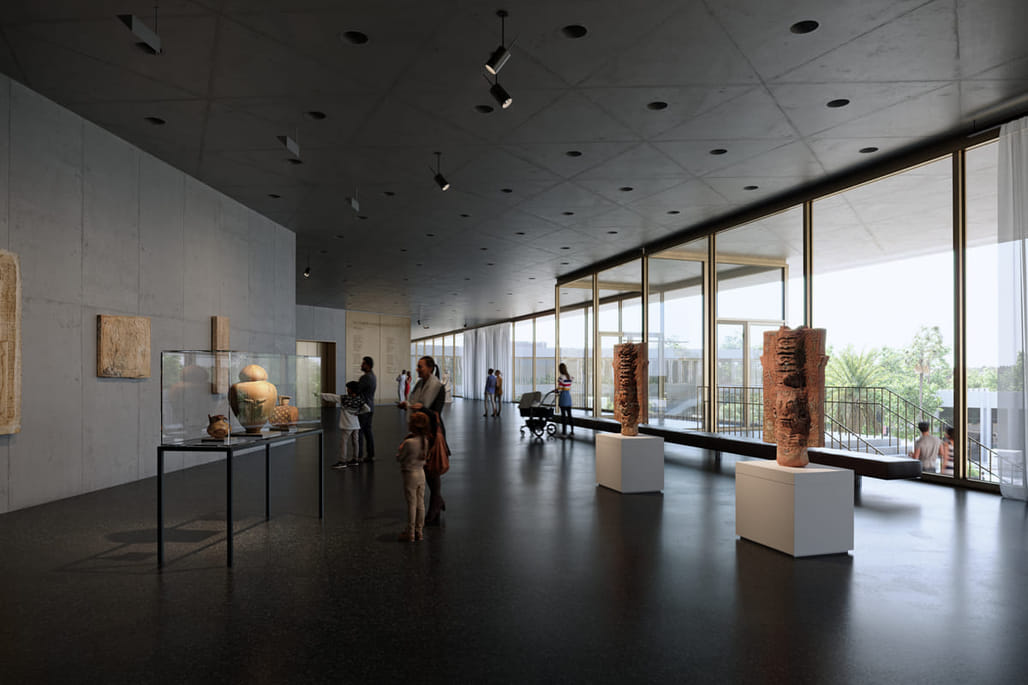
September 2020: Updated interior design emerges. Image credit: Atelier Peter Zumthor & Partner/The Boundary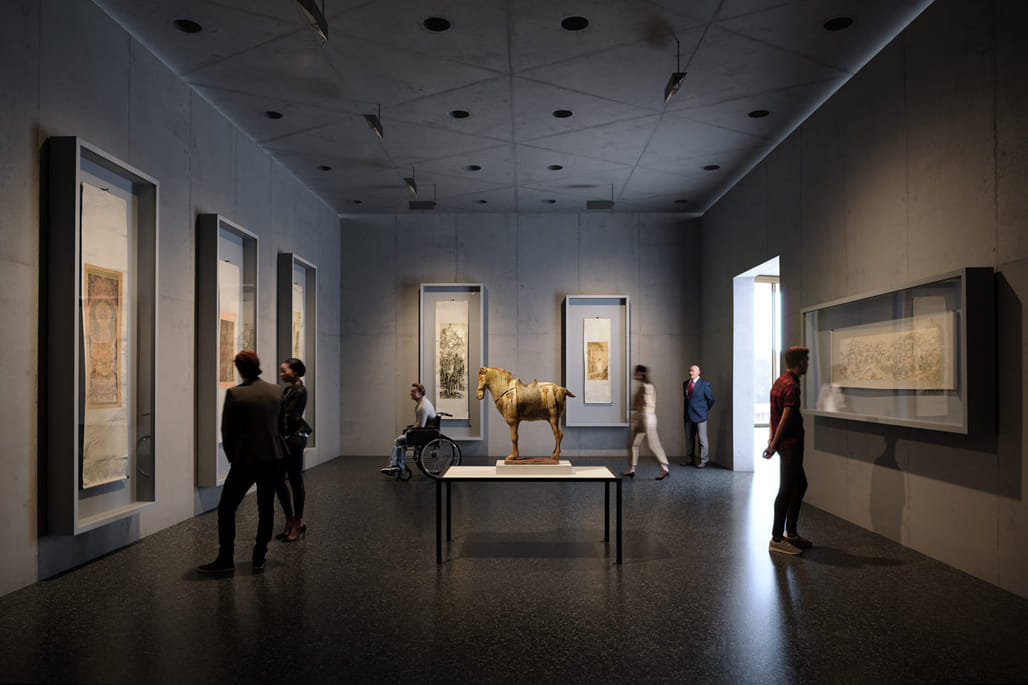 September 2020: Updated interior design emerges. Image credit: Atelier Peter Zumthor & Partner/The Boundary2021–2024: The David Geffen Galleries emerge
In October 2021, we reported that cranes had finally risen at the site of the David Geffen Galleries, as construction commenced on what was now a $750 million project. By the summer of 2023, the structure had topped out and had bridged over Wilshire Boulevard, with an anticipated completion date of late 2024. As 2024 progressed, however, the opening had already been pushed to 2026.
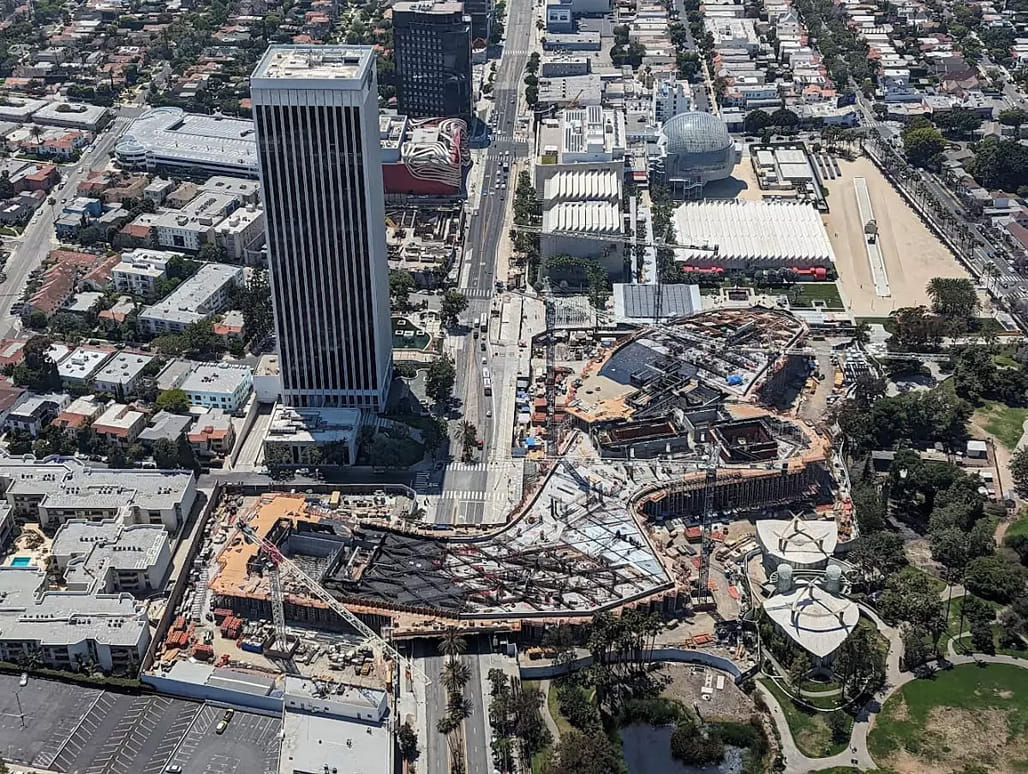
October 2023: Construction progress. Image courtesy of Museum Associates/LACMA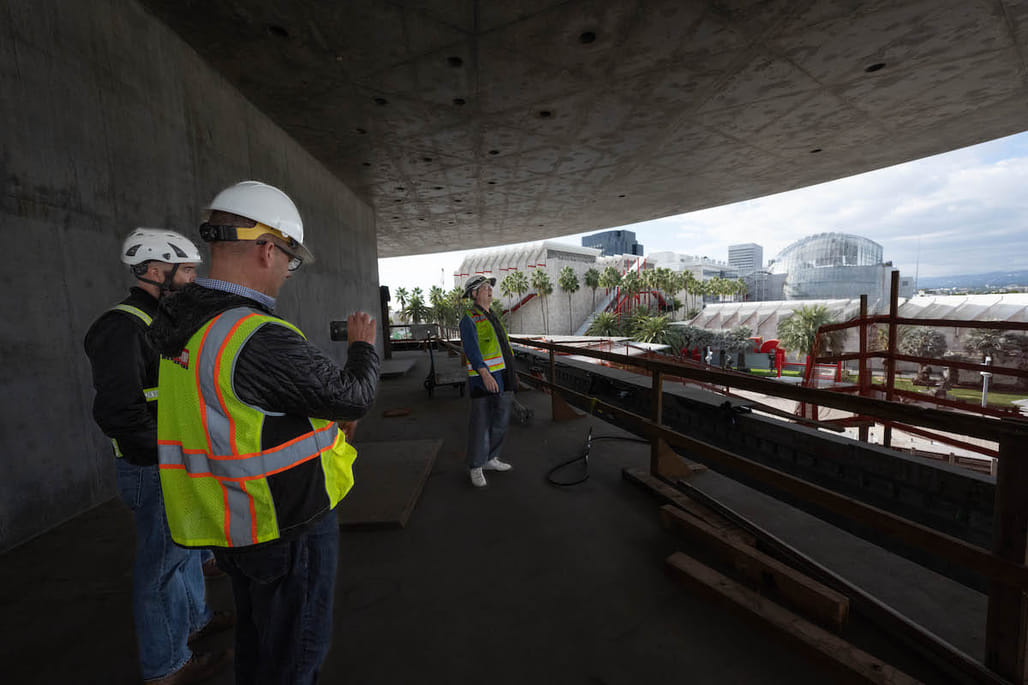 February 2024: Construction progress. Image credit: Museum Associates/LACMA
As construction continued, Zumthor offered notable insights into his thinking behind the structure, telling The New York Times that it would be bereft of the most recognizable traces of his Pritzker-winning design signature — a claim the museum’s director Michael Govan then refuted. The man who once said, “the real core of all architectural work lies in the act of construction,” pointed to a faulty concrete pour at the outset and difficulties with the site’s foundation as factors that forced his design to be streamlined.
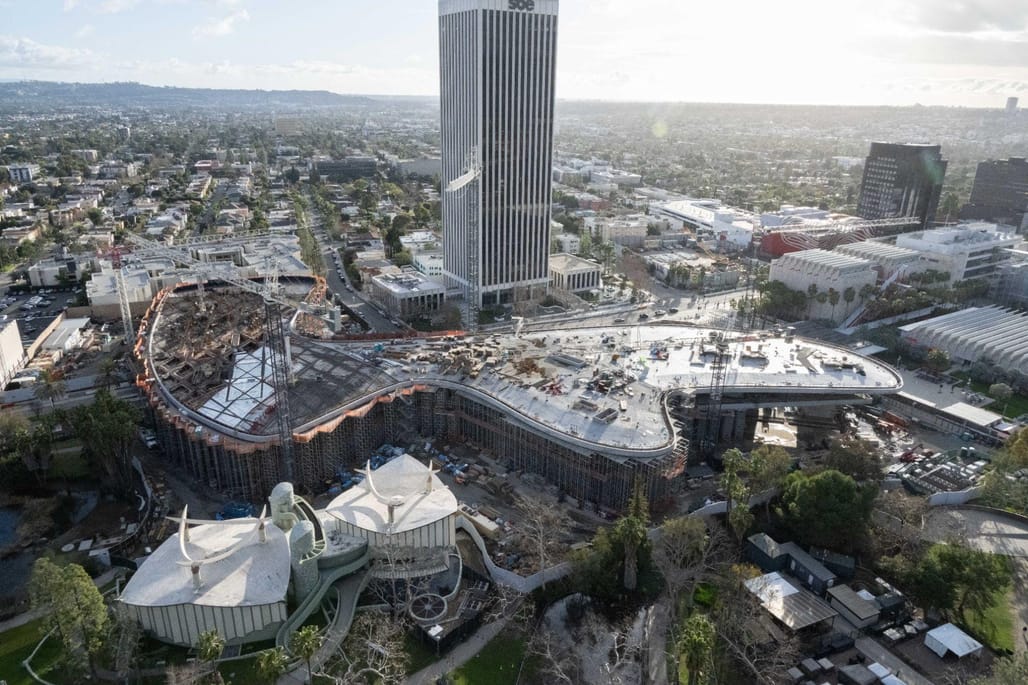
April 2024: Construction progress. Image credit: Gary Leonard, courtesy Museum Associates/LACMA
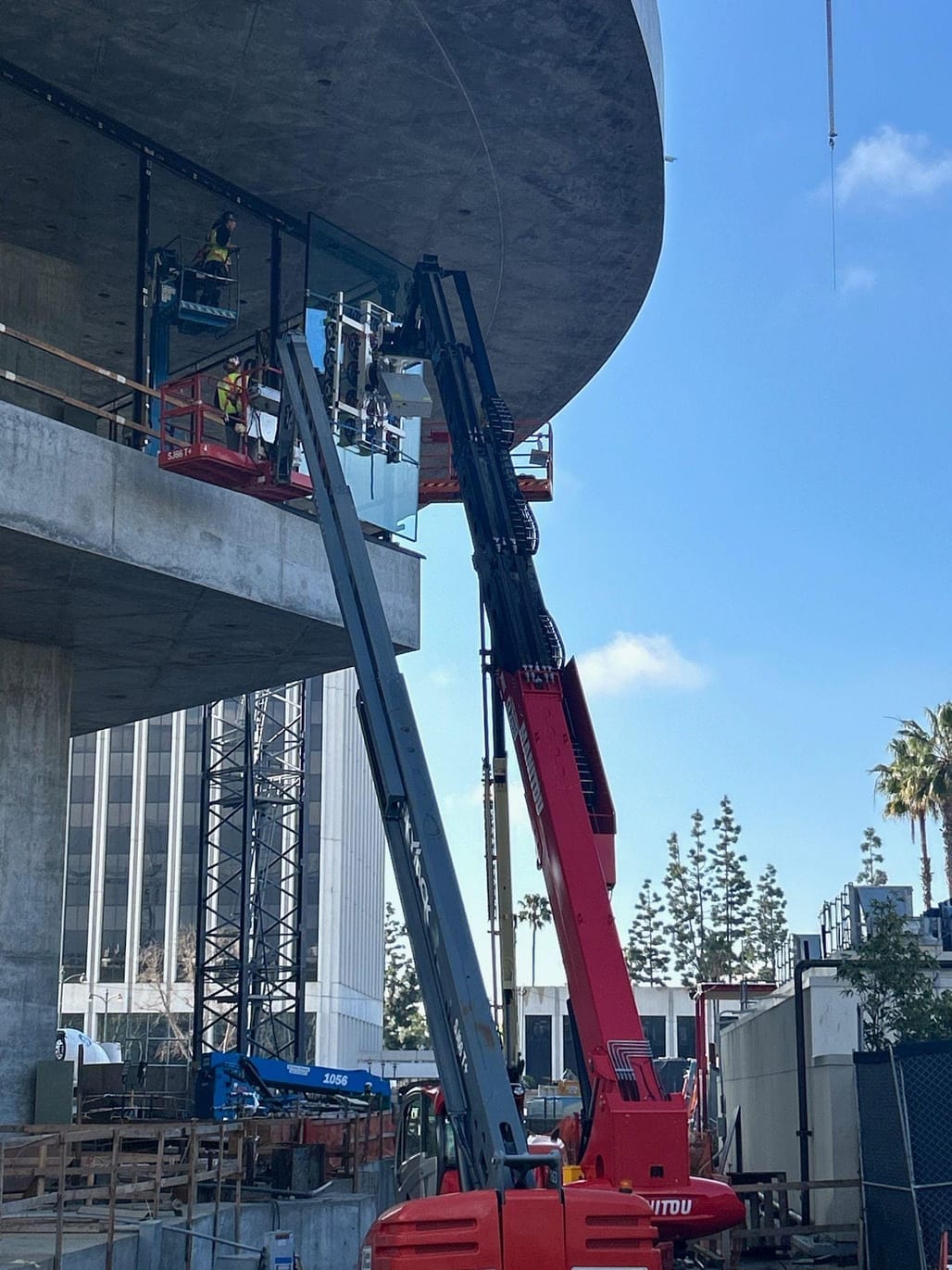
April 2024: Construction progress. Image credit: LACMA
By the end of 2024, Zumthor offered further remarks, noting that the project could install a new sense of courage in Los Angeles, comparing it to the Pan Am Building in New York. “In about a year, one end will open,” Zumthor said. ”Some curators were critical of the spatial concept of the layout of the museum. But now since they can go and see the space for the first time, they start to like it. And they see the beauty of the handmade concrete body of the building — so I am told.”
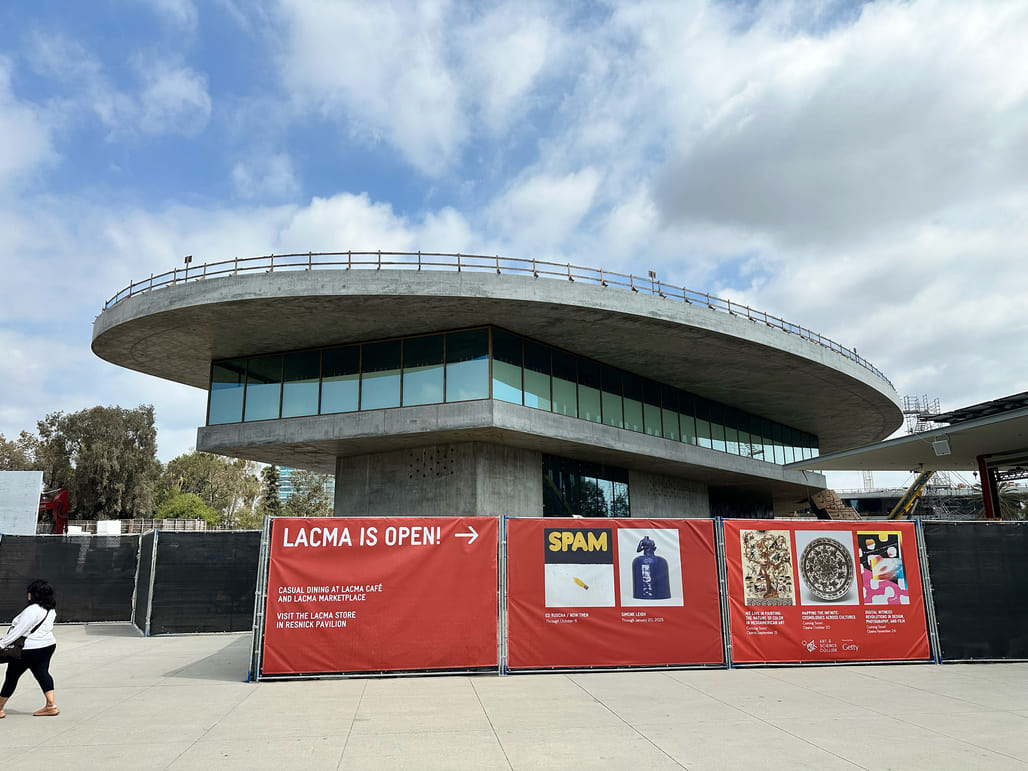
September 2024: Construction progress. Image credit: Paul Petrunia © Archinect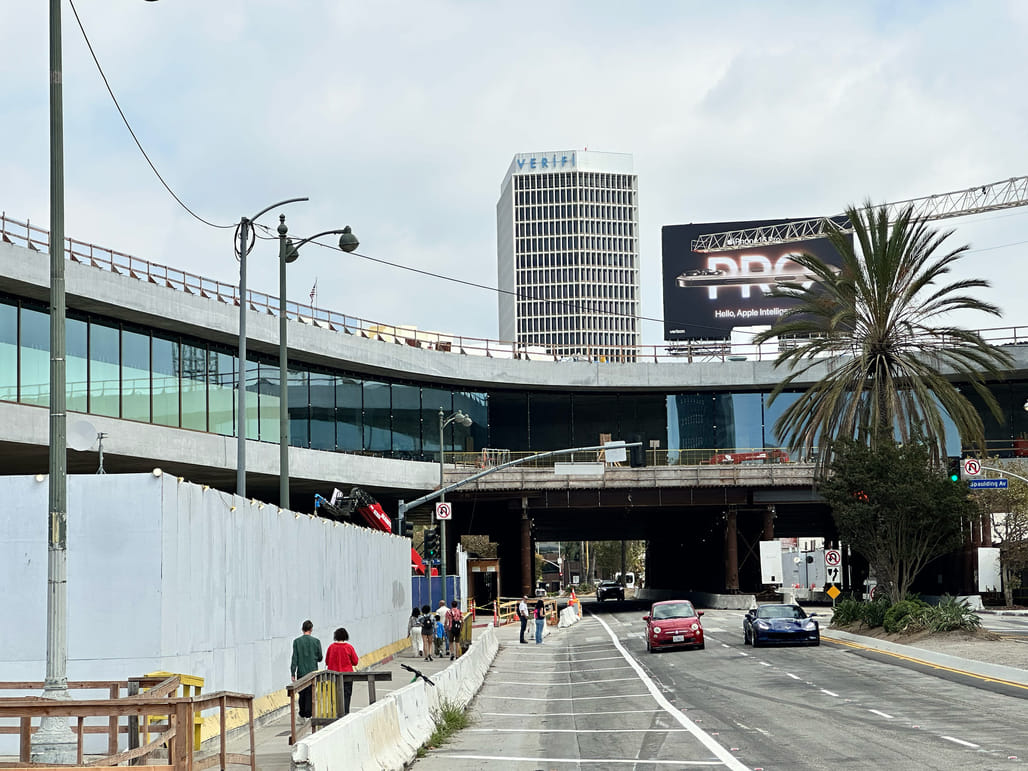 September 2024: Construction progress. Image credit: Paul Petrunia © Archinect2024–2026: Coda
As construction reached its final stages through 2025 and 2026, Los Angeles gained an ever clearer picture of how the new building would sit within the city. In addition to the elevated main floor, defined by a long, horizontal, glass and concrete structure that curves and stretches along Hancock Park and across Wilshire Boulevard, seven semi-transparent pavilions sat at the street level.
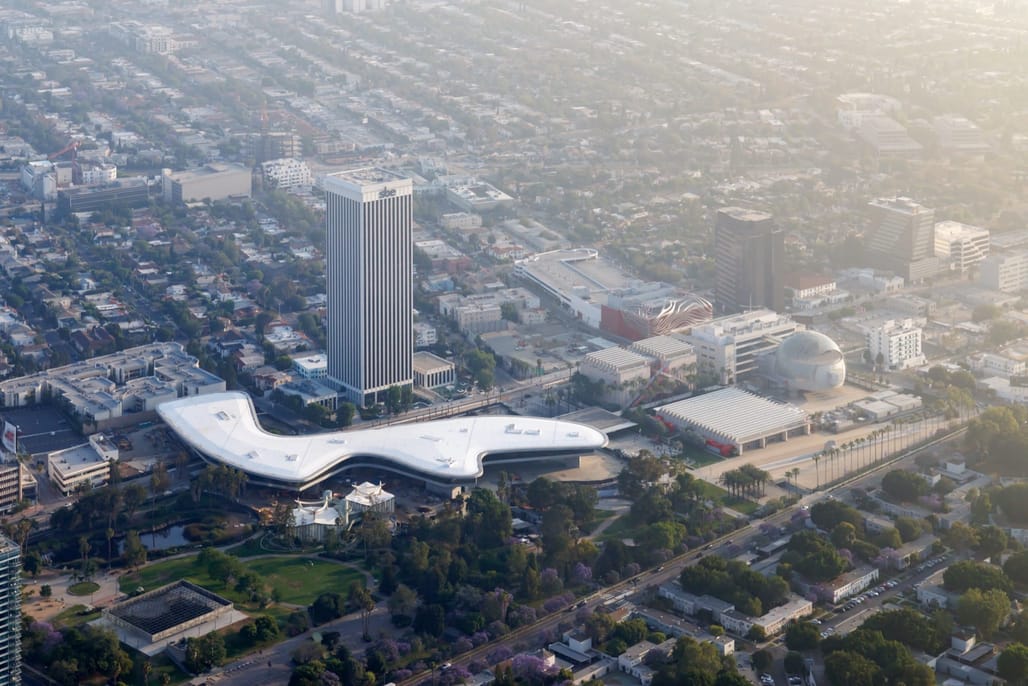
June 2025: Completion approaches. Image credit: Iwan Baan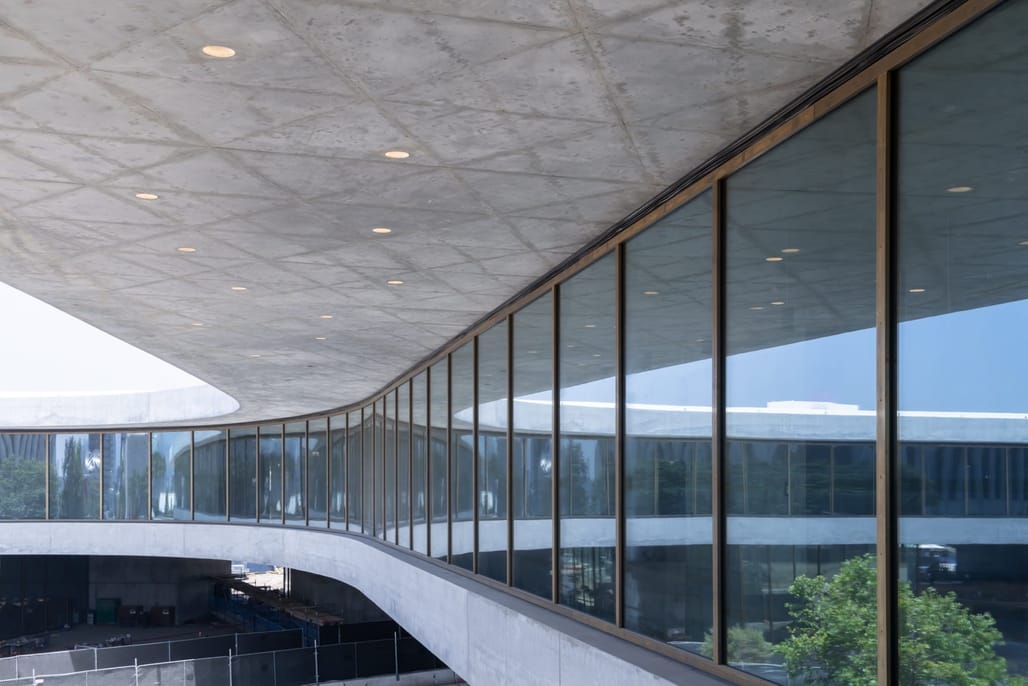 June 2025: Completion approaches. Image credit: Iwan Baan
As LACMA curated a calendar of artistic events and preview openings, architecture critic Christopher Hawthorne returned to the site, characterizing the project as a hamstrung Gesamtkunstwerk (German for ‘total work of art’). While praising the building’s urban presence, openness to the city, and improved conditions for viewing art, Hawthorne also noted a loss of Zumthor’s signature detailing due to value engineering and budget cuts.
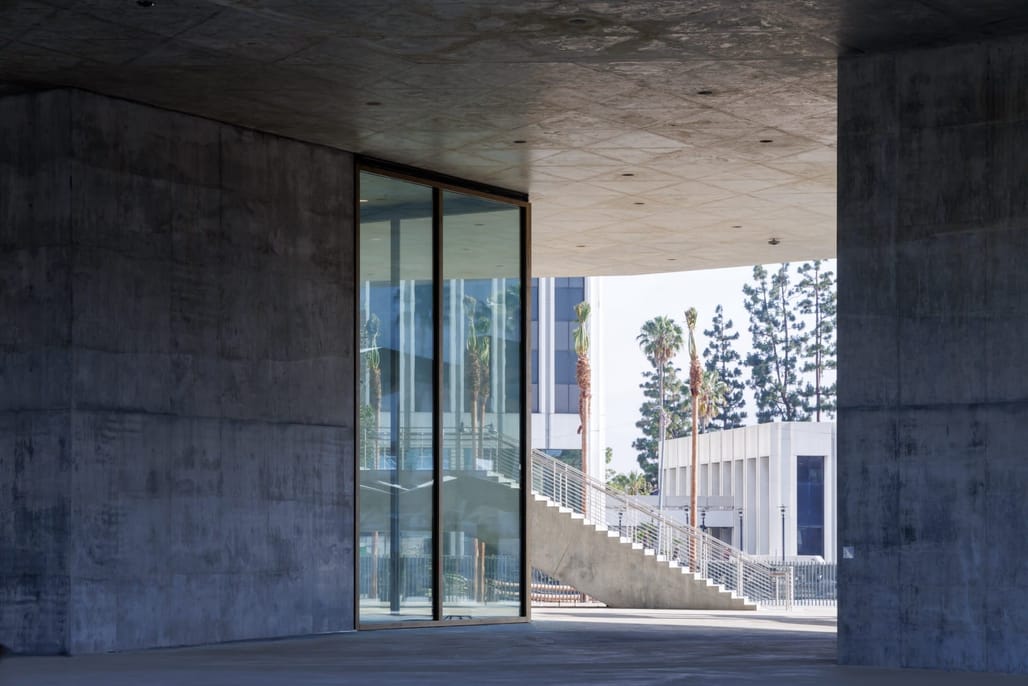
June 2025: Completion approaches. Image credit: Iwan Baan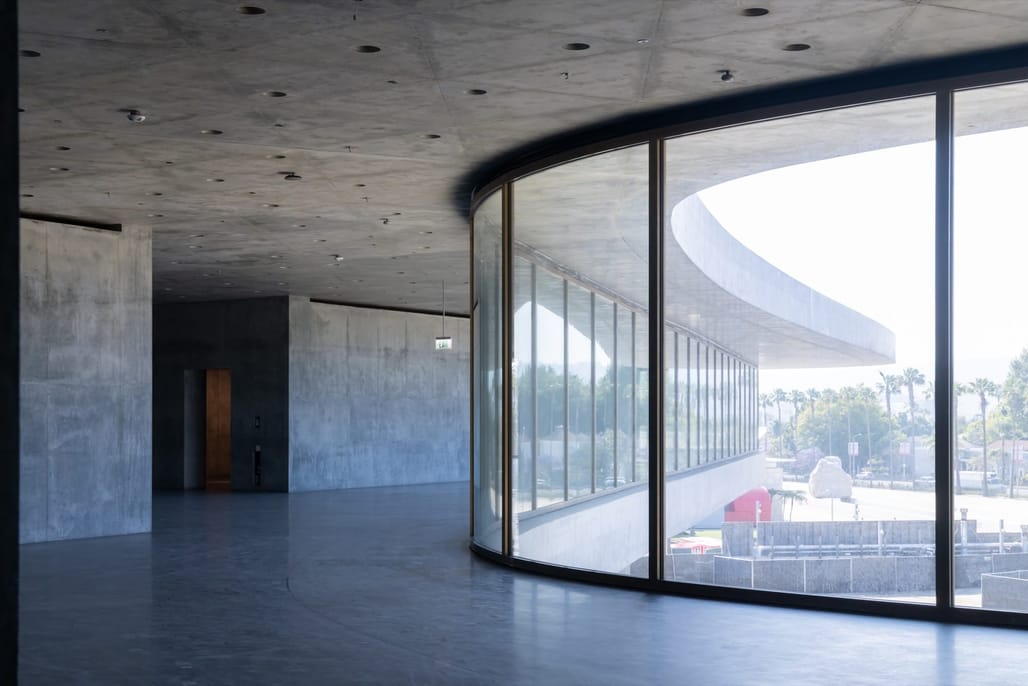 June 2025: Completion approaches. Image credit: Iwan Baan
“All in all — after all this time, money, and Sturm und Drang — Los Angeles is easily the better for having it,” Hawthorne concluded. “It has been a punishing road for [LACMA director] Govan and Zumthor to get here. But the completed building, for all its faults, is an encouraging sign that Los Angeles is still capable of architectural risk-taking at key sites and on the biggest scale.”
The David Geffen Galleries will open to the public this Sunday, April 19th.
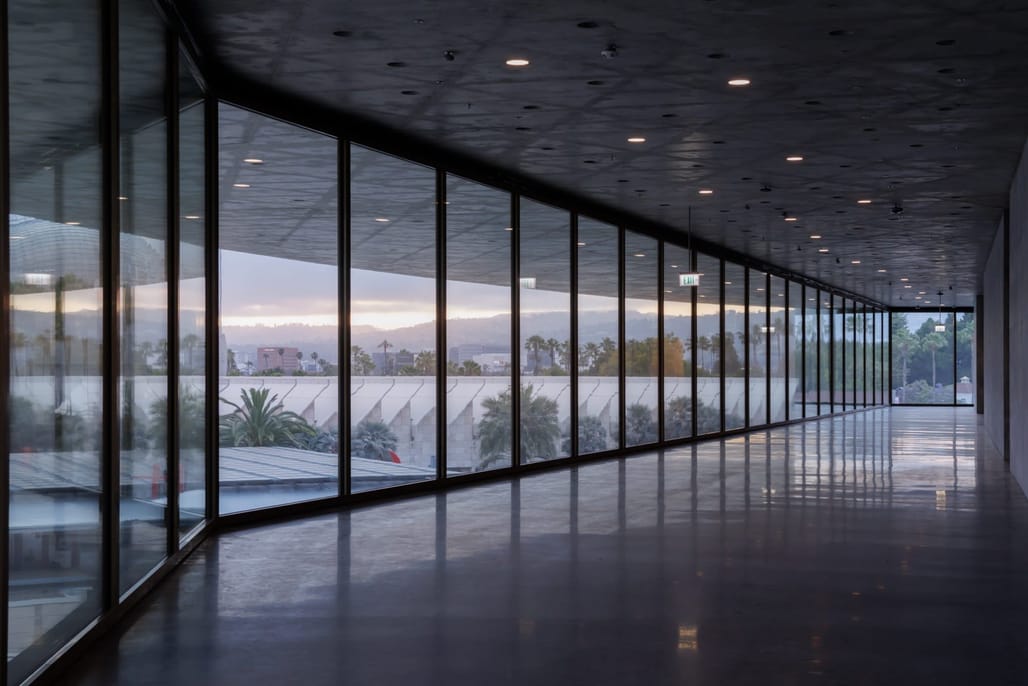
June 2025: Completion approaches. Image credit: Iwan Baan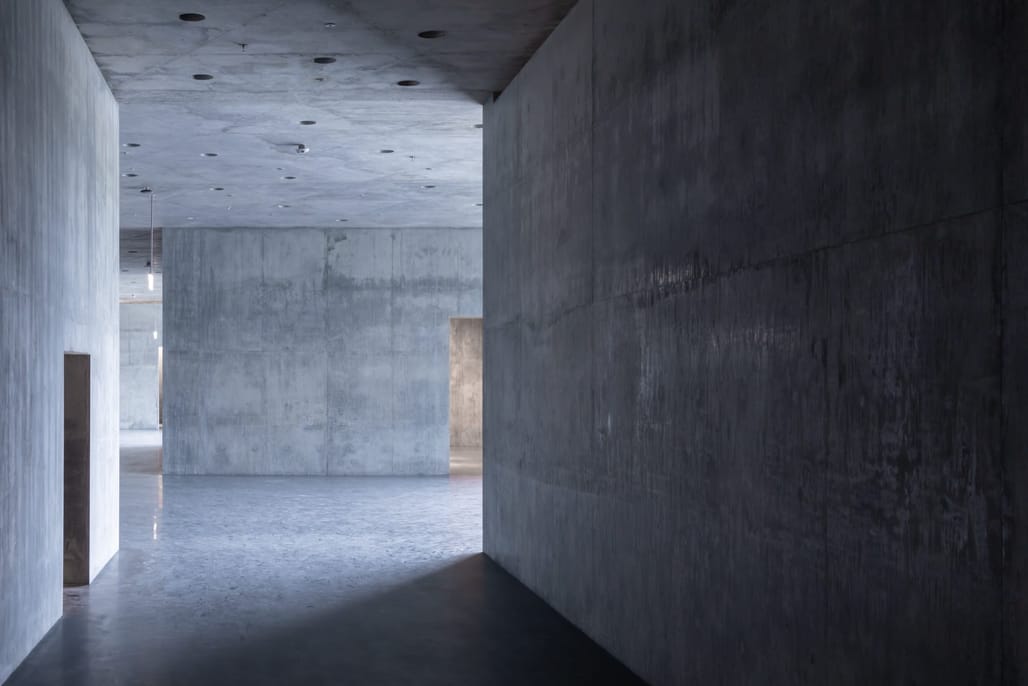 June 2025: Completion approaches. Image credit: Iwan Baan