


Listen to this article
Estimated 5 minutes
The audio version of this article is generated by AI-based technology. Mispronunciations can occur. We are working with our partners to continually review and improve the results.
In a bid to reduce waste that ends up in landfills, some Montreal-area municipalities are using technology to track residents’ curbside garbage habits.
Chips have been installed since 2024 on the surface of trash bins in Vaudreuil-Dorion, Que., to scan how often a resident takes out their bin. The fewer times the bin is brought out, the more of a rebate they will get on their municipal taxes.
“We want the help of citizens,” said Mayor Paul Dumoulin, “to help us reduce the garbage that is put in the earth.”
Garbage pickup is every two weeks, or 26 times a year, in Vaudreuil-Dorion.
However, residents who take out their garbage fewer than 26 times a year will see a rebate on their municipal tax bill come 2028.
“The less they’re going to pick up the garbage, the more that we’re going to save and [the] more the citizens will save on their taxes,” said Dumoulin.
He says all residents will continue to pay the same amount for their waste collection service and are not going to be penalized for taking their garbage out every week.
But the goal is to get people to sort through their garbage more efficiently and use their recycling and compost bins more.
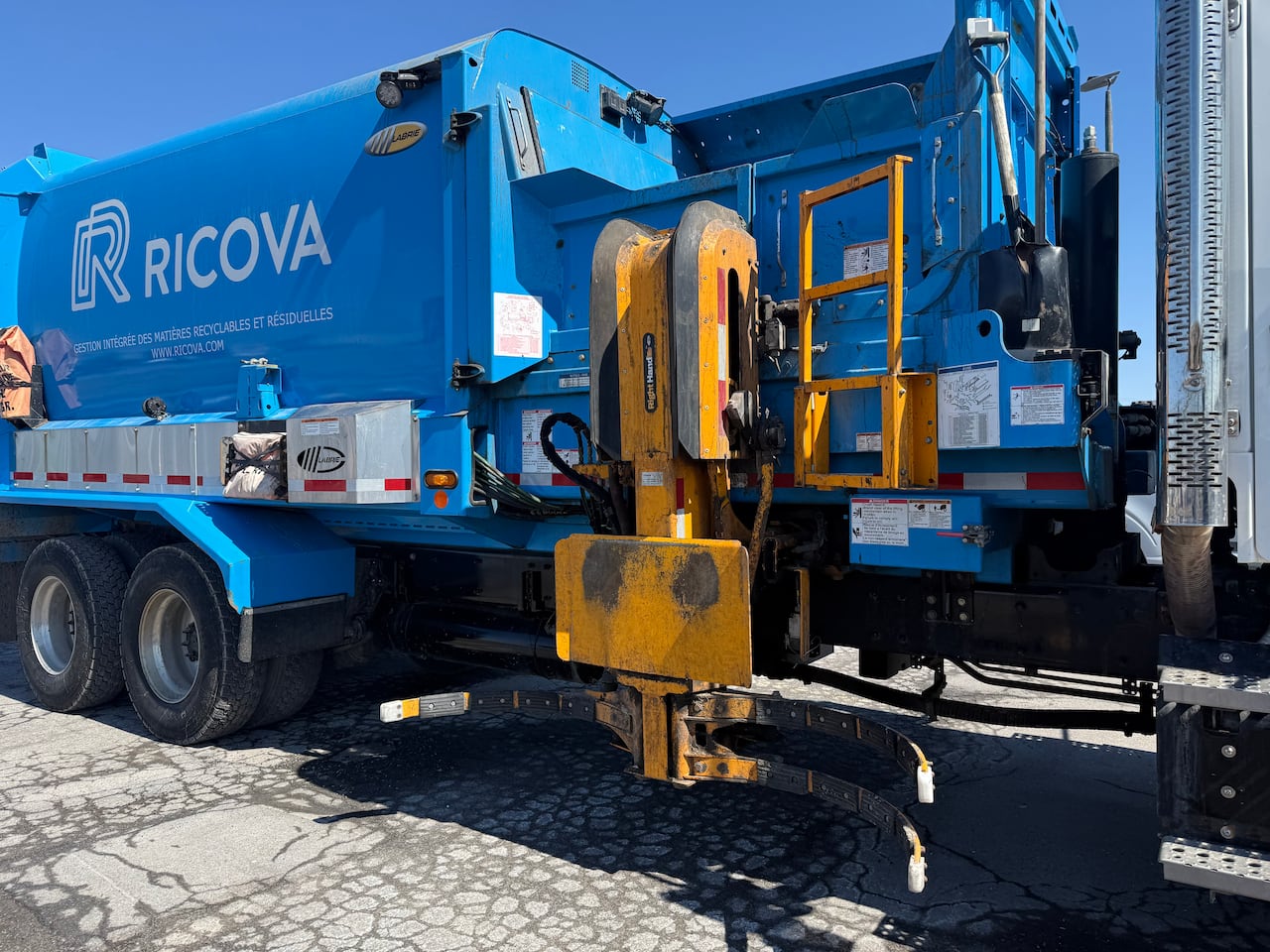 The garbage trucks have two sensors installed to scan the bin being picked up and how frequently it was taken out in Vaudreuil-Dorion. (Chloë Ranaldi/CBC News)How it works
The garbage trucks involved in the new system have two sensors as well as cameras installed on their exterior.
One sensor scans the bin and collects a person’s address and the second tracks how many times that garbage was taken out.
“We installed a capture sensor in the truck and that system counts the bins for each collection,” said Jean Ronald Julmeus, a supervisor at recycling company Ricova.
He gave CBC a tour of one of the trucks as well as a ride around Vaudreuil-Dorion to demonstrate how the system works.
WATCH | Cutting down on waste with the help of technology: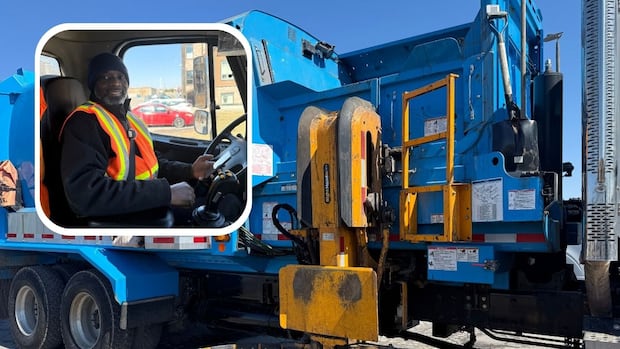
This Montreal suburb is just one spot using tech to help cut down on trash
There’s a new garbage system in Vaudreuil-Dorion, Que., that uses special chips to track how often residents take out their trash. The aim isn’t just to reduce waste, it’s to get people to put more in the recycling bin.
While picking up the bins with the automated systems, Julmeus pointed to his screens inside the truck and said many of the bins had recycling material in them — or were half full.
“We can find 60 per cent of stuff in the bin that we can separate [from] the trash,” he said.
Julmeus added that some households could easily take their bin out to the curb less frequently, since they already aren’t producing that much waste, from what he sees.
Ricova notes that other greater Montreal-area municipalities have also approached them for pilot projects in order to reduce the amount of waste produced by their municipalities.
A decade of pay-as-you-throw system in Beaconsfield
Meanwhile, other cities like Beaconsfield in Montreal’s West Island have operated with a pay-as-you-throw system for the past decade.
Garbage pickup is every week for the city, with 12 annual pickups included in residents’ municipal waste management fee, plus an additional fee per extra pickup.
Beaconsfield installed chips into the bins, with scanners on the trucks monitoring the size of the bin scanned, and how frequently it was taken out.
Andrew Duffield, the director of sustainable development for Beaconsfield, says the city went from being one of the worst generators of trash heading to landfills on the island of Montreal to reducing the amount of garbage it produces significantly since 2016.
“Three-quarters of our residents paid less in 2016 than they had in 2015 simply because they put out their garbage bin less frequently.”
He says the average bin collection frequency is 53 per cent across all households, or the equivalent of once every two weeks, with Beaconsfield wanting to give residents the ability to choose when they need to put out the bin.
Duffield says the cost to implement the system was small, and it lessened the cost of garbage collection by 42 per cent as it reduced the number of trucks on the road and employees needed for the service.
 Vaudreuil-Dorion Mayor Paul Dumoulin says the hope is for residents and the city to save money, and also do more for the environment. (Chloë Ranaldi/CBC News)
Vaudreuil-Dorion says its system cost the city about $144,000 to set up. The city currently spends about $1.5 million annually on garbage collection, but the city’s savings will depend on how drastically people change their habits.
Dumoulin says people living in Vaudreuil-Dorion will only start to see their rebates in 2028, after data is collected and analyzed this year.
He says the hope is that people will see the financial benefits of not taking their trash out as much and be more conscious about what they are throwing away.
“It’s always a question of money and question of the environment,” said Dumoulin.
“We have everybody still telling us, ‘Our environment [is] important. It is important.’ Now we’re asking the citizens to help us for the environment.”