
Got story updates? Submit your updates here. ›
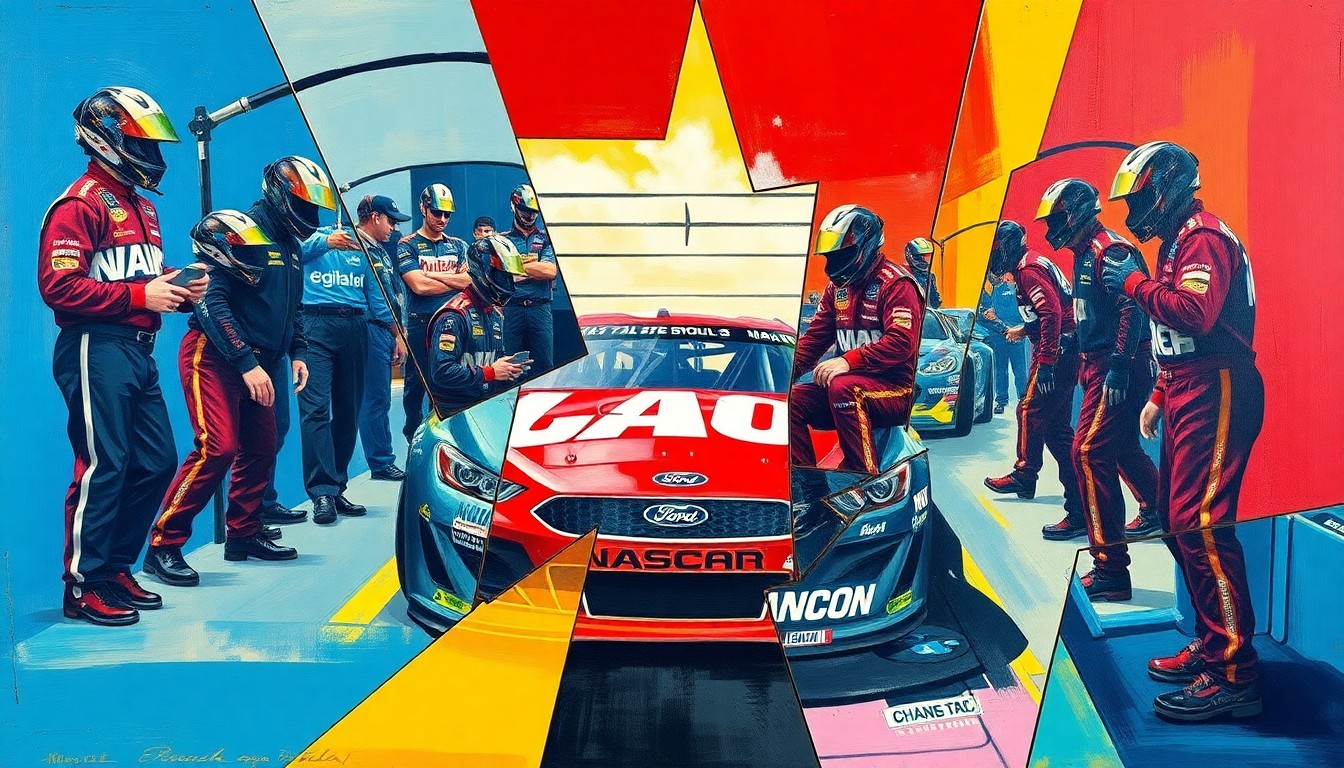 The high-stakes legal battle between NASCAR teams reveals the intense competition and politics underlying the sport’s technical innovations.Bristol Today
The ongoing feud between NASCAR powerhouse Joe Gibbs Racing (JGR) and former competition director Chris Gabehart has taken another dramatic turn, with JGR accusing Gabehart of violating a temporary restraining order (TRO) during a recent race weekend at Bristol Motor Speedway. Gabehart, who now holds a senior executive role at rival Spire Motorsports, has denied the allegations, calling them an ‘improper attempt to influence the court’ and ‘stalking’ by JGR.
Why it matters
This high-stakes legal battle between two prominent NASCAR organizations highlights the intense competition and politics within the sport, as teams fight to protect their intellectual property and data in an era of advanced simulation and analytics. The outcome of this case could set precedents for how non-compete clauses are enforced in NASCAR, impacting the ability of key personnel to move between teams.
The details
The conflict began when Gabehart left JGR at the end of 2025 to join Spire Motorsports as their Chief Motorsports Officer. JGR quickly filed a federal lawsuit alleging Gabehart had embarked on a ‘brazen scheme’ to steal proprietary data and trade secrets, seeking over $8 million in damages. A limited TRO was issued in early 2026, allowing Gabehart to work at Spire in a senior executive capacity but barring him from any competition director-like duties involving the Cup Series. However, JGR has continued to monitor Gabehart’s activities at race weekends, submitting photos they claim show him violating the order by engaging in ‘competition director level activities.’ Gabehart’s legal team has fired back, calling the allegations overblown and accusing JGR of ‘stalking’ their client.
In early 2026, Gabehart left JGR to join Spire Motorsports as their Chief Motorsports Officer.In early March 2026, a limited TRO was issued, allowing Gabehart to work at Spire in a senior executive capacity but barring him from any competition director-like duties involving the Cup Series.On April 14, 2026, JGR submitted declarations and photos to the court, accusing Gabehart of violating the TRO during the Bristol race weekend.On April 15, 2026, Gabehart’s legal team responded, urging the court to ‘disregard’ JGR’s submission and accusing the team of ‘stalking’ their client.
The players
Joe Gibbs Racing (JGR)
A prominent NASCAR team that has filed a federal lawsuit against former competition director Chris Gabehart, alleging he stole proprietary data and trade secrets when he left the organization to join rival Spire Motorsports.
Chris Gabehart
A former competition director at JGR who now holds the role of Chief Motorsports Officer at Spire Motorsports. He is at the center of the legal battle with his former employer.
Spire Motorsports
The NASCAR team that hired Chris Gabehart as their Chief Motorsports Officer, and has backed him throughout the legal dispute with JGR.
Ty Gibbs
A driver for JGR whose social media manager, David Biro, provided a declaration and photos to the court as part of JGR’s case against Gabehart.
Wally Brown
The current competition director at JGR, who submitted a declaration and photos to the court accusing Gabehart of violating the TRO.
Got photos? Submit your photos here. ›
What they’re saying
“We must not let individuals continue to violate court orders and risk the integrity of our proprietary systems.”
— Wally Brown, JGR Competition Director
“The monitoring and allegations are nothing more than harassment. We’ve made it clear that Matt McCall is Spire’s competition director, and senior executives routinely appear in similar settings without violating any orders.”
— Chris Gabehart
What’s next
The temporary restraining order remains in effect until at least April 16, 2026, with potential extensions. The full trial in this case is currently scheduled for November 2026.
The takeaway
This escalating legal battle between two prominent NASCAR organizations highlights the intense competition and high stakes involved in protecting intellectual property and trade secrets within the sport. The outcome of this case could set important precedents for how non-compete clauses are enforced, impacting the ability of key personnel to move between teams.