
The strength of every great TV show is rooted in its pilot episodes. These first looks at the story and characters end up becoming the guidebook for the rest of the series, introducing not only the world and narrative threads that will be explored but a larger structure that almost every episode afterward will follow. This has been the function of television shows for decades now, which makes surprise deviations from the formula of any given show all the more interesting. Even more exhilarating than a change to the show’s style is when they shift focus entirely, putting the main characters to the side and letting a fan-favorite take the spotlight.
Not every show is built for this to happen, with ensembles and procedurals having little room for a shift in the main POV to account for, meaning supporting characters have to stay that way. Others, however, not only make time for letting the side roles take center stage, but in the end deliver an episode that stands out as one of the very best of the show entirely. These are not only some of the best examples of TV episodes where side characters took over, but they’re some of the best of their respective shows period.
10) “Teddy Perkins” – Atlanta
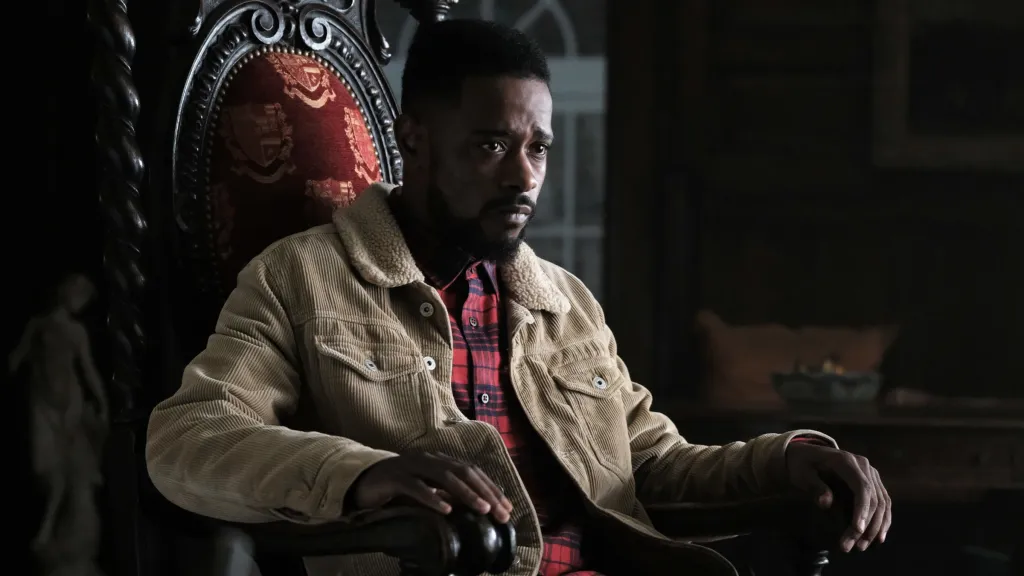
Throughout its many wild episodes, LaKeith Stanfield’s Darius has always been along for the ride or often gone on his own bizarre adventure as the B or C plot. With Season 2’s Emmy-winning “Teddy Perkins,” though, Darius was put front and center in what may be Atlanta‘s most unusual episode of all time, which is no small feat. The episode not only deviates from the norm by putting Darius as the main character, but it also makes him the only major character in the series to have relevant screentime at all (Brian Tyree Henry’s Paper Boi briefly appears after Darius calls him, and Donald Glover stars only as the titular and murderous “Teddy”). Furthermore, “Teddy Perkins” has a distinct tone from other Atlanta episodes as it’s never predictable and descends into horror territory throughout.
9) “The Man Who Killed Batman” – Batman: The Animated Series
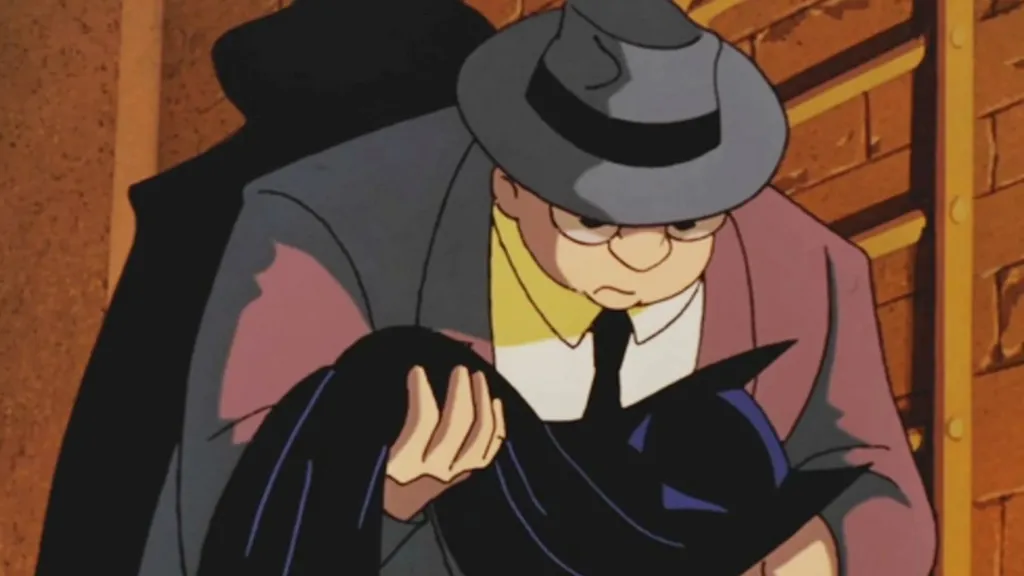
Batman: The Animated Series routinely moves the spotlight around in favor of just following the Caped Crusader solving a crime, but this usually takes the form of a villain being the center of attention. What “The Man Who Killed Batman” does differently is introduce a brand new character to be the focal point, telling the tale of Sid the squid, a wannabe gangster whose nebbish qualities immediately make him a target for the actual hardened criminals of Gotham.
Despite being mocked at every turn, Sid finds himself in a surprising turn of events, when it’s believed that not only has Batman been killed but he was the man responsible. The episode delivers a twist on the idea with some big surprises, like how the “death” of Batman ruins the fun of crime for the Joker. In the end, Sid may be in jail, but he also finally gets his wish, the respect of his criminal peers.
8) “Honeydew” – The Bear
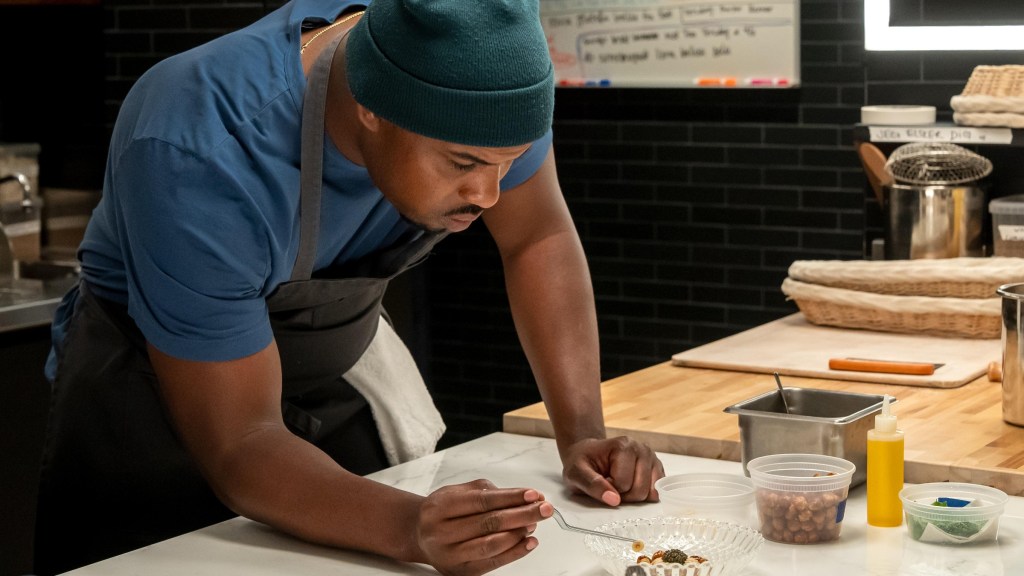
Season 2 of The Bear is almost entirely made up of episodes that could appear on this list, and while “Forks” may be one of the most iconic of the series, “Honeydew” actually takes a side character and puts them at the forefront. Marcus (Lionel Boyce) has been tasked with formulating the dessert menu for The Bear, the restaurant, and is sent to Copenhagen by Carmy to figure it out under the tutelage of another chef, Will Poulter’s Luca.
A defining trait of The Bear as a series is the chaos and turmoil at the heart of the entire thing, exacerbated by the fact that the lead character is relatively unstable at times. That being the bedrock for the series is what makes this episode itself so distinct and welcome; it’s a breath of fresh air in a hurricane. Not only do we get the chance to really know Marcus as a character and watch Lionel Boyce deliver a subtle and perfect performance, but we also see how he can thrive under a different kind of pressure. Learning under Luca proves to be a challenge for Marcus, where the result of failure isn’t the screaming match he’d find at The Bear, but one where opportunity is found. It’s one of the most distinct episodes of the show on the whole, on top of one of the best about a side character.
7) “Hermanos” – Breaking Bad
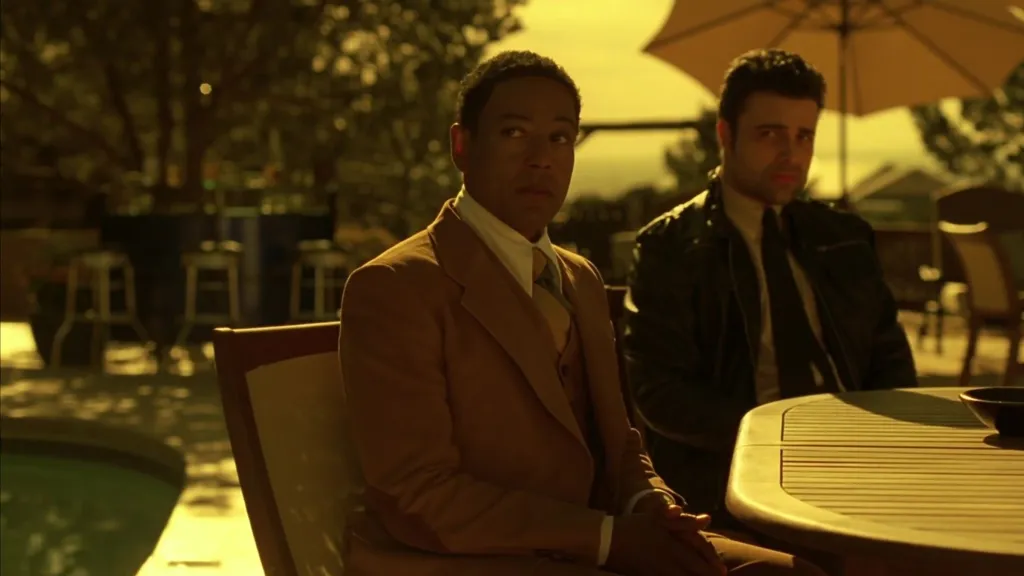
Though there are a handful of brief moments in “Hermanos” that feature Bryan Cranston’s Walter White, the episode is largely about Giancarlo Esposito’s Gus Fring, the mysterious antagonist of the series who haunted Heisenberg’s dreams. Not only does the episode catch up with Gus in the present day, showing how he successfully navigates interrogation from the DEA using his wits and iconic unshakeable persona, but it also explores his larger backstory.
Not only does this extended flashback, one of the few times in the series this is deployed, reveal how Fring got involved with the Mexican cartels and used that as a springboard for his own drug empire, but it also acts as an origin story for his restaurant chain, Los Pollos Hermanos. It’s a heartwrenching moment, but one that sets up the confrontation with Don Eladio just two episodes later.
6) “Long, Long Time” – The Last of Us
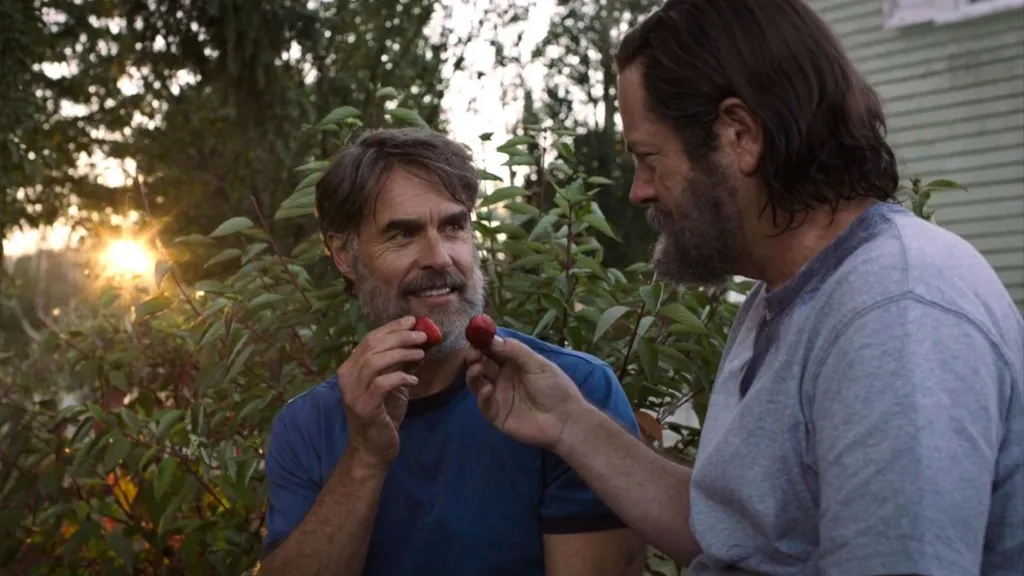
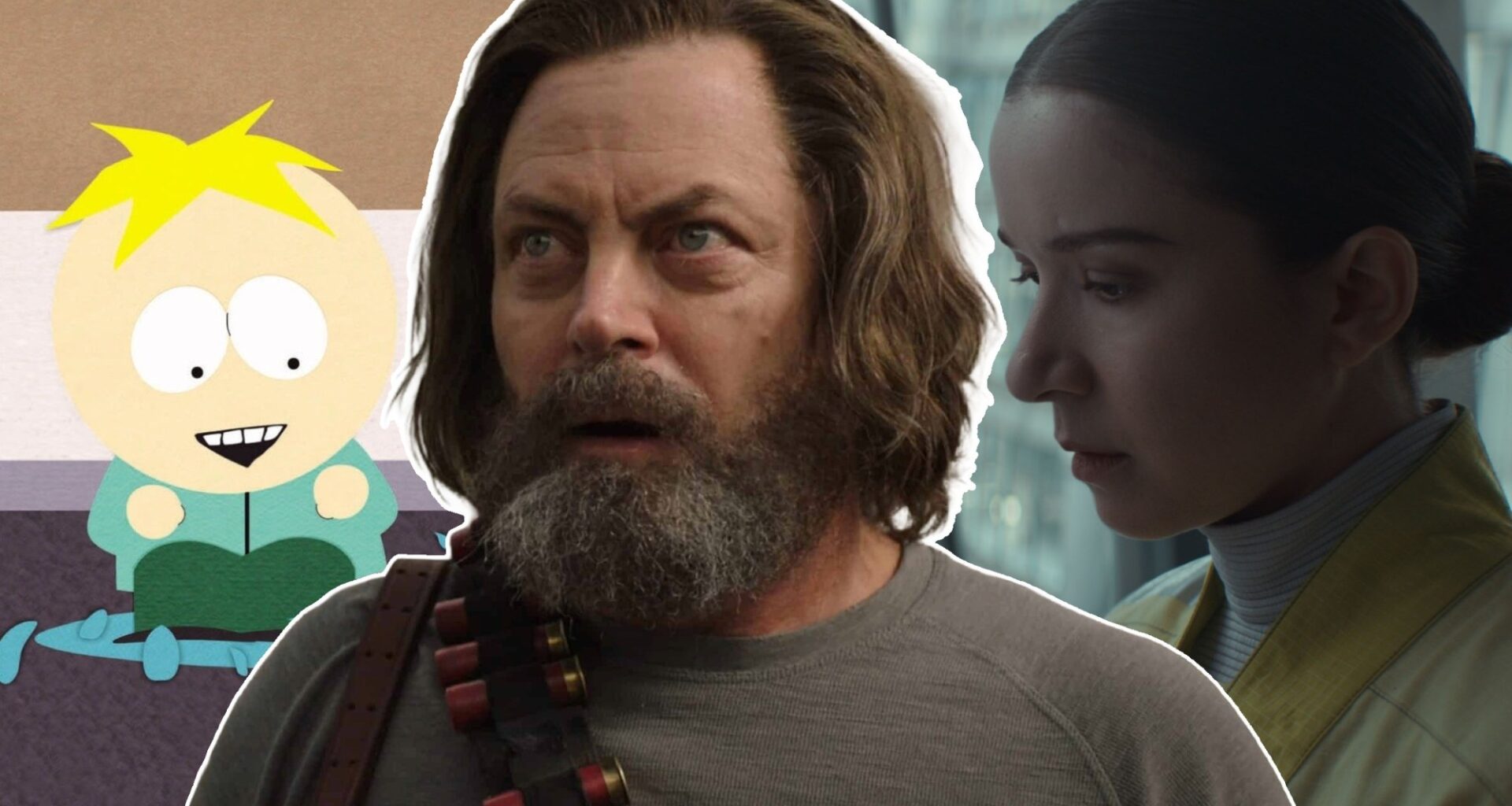
The Last of Us TV series has a slavish devotion to the video game that it’s based on, which makes sense given its largely cinematic language. Adapting the game into this medium meant there was precious little time for wiggle room or deviations, but the one that Season 1 was allowed that detour, it delivered its best episode ever. Though it does feature Pedrp Pascal as Joel and Bella Ramsey as Ellie, the episode is largely about the relationship of Nick Offerman’s Bill and Murray Bartlett’s Frank, revealing a story that was only implied in the games and one with a distinctly different outcome.
“Long, Long Time” is important to the larger The Last of Us not only for telling the story that it does, which stands out from an already spectacular first season, but because it’s an important piece on the journey of its lead characters. During their trek across the United States, Joel and Ellie routinely encounter pairs of people who all suffer different fates as a result of the world they live in, giving the two characters an example of how their stories could end. What separates “Long, Long Time” from all the others is that it shows how there is still beauty to be found in love and the simplicity of life.
5) “Flaming Moe’s” – The Simpsons
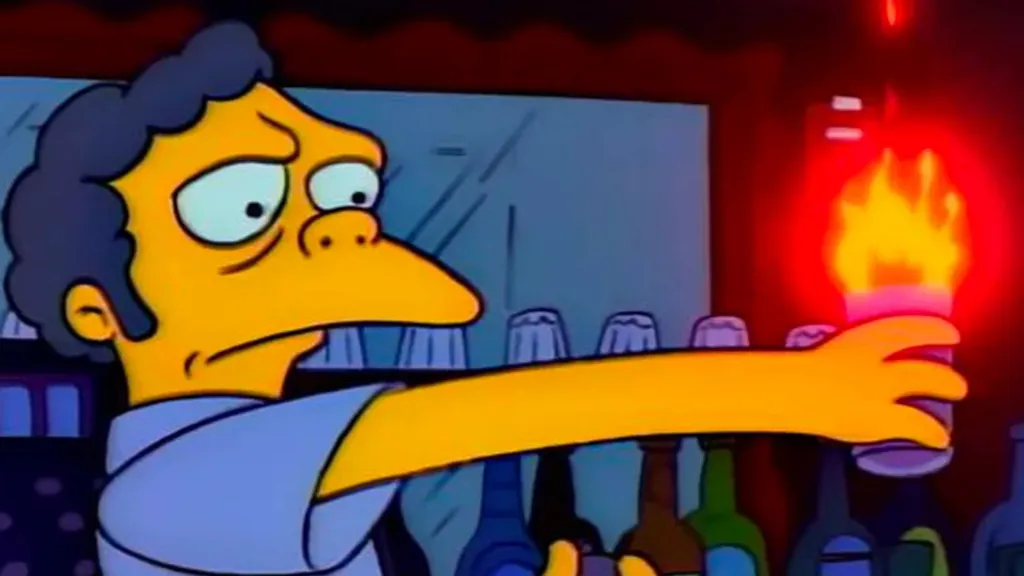
Given the extent of the roster of characters in The Simpsons, there are countless episodes that follow side characters. Arguably one of the best is “Flaming Moe’s,” all about everyone’s favorite suicidal bartender and the time he steals Homer’s recipe for a new mixed drink. Featuring a hilarious riff on Cheers that’s all about Moe’s, an appearance by Aerosmith, and a twist on Bart’s iconic crank calls, “Flaming Moe’s” is a classic Simpsons episode that never slows down and always pivots just when you think you’ve figured out where it’s headed.
4) “Mr. Ruggerio’s Neighborhood” – The Sopranos
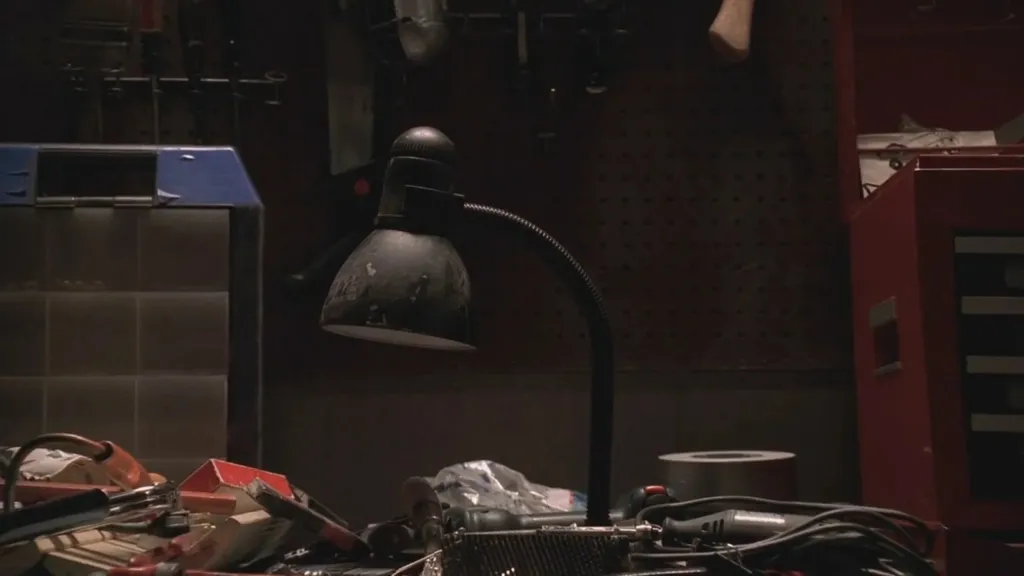
For a series that fully redefined dramatic television for the era, it’s especially telling that the Season 3 premiere of The Sopranos would reinvent the format of the show itself. Though James Gandolfini’s Tony Soprano is seen throughout the episode, he is largely relegated to the side. Instead, the FBI agents who have been slowly building a case against Tony take the spotlight, with the episode showing how they’re trying to navigate their case, including how they monitor the family’s home and even plant bugs inside to try and learn new info.
In classic The Sopranos fashion, though, the episode has plenty of surprises up its sleeve. Not only does it reveal characters with distinct feelings about Tony from within the family, but reveals that the FBI’s careful planning is largely for naught thanks to elements fully out of their control. “Mr. Ruggerio’s Neighborhood” also features the iconic remix of “Every Breath You Take” and the “Theme From Peter Gunn,” an amazing piece of music from the series that will earworm its way into your mind.
3) “Butters’ Very Own Episode” – South Park
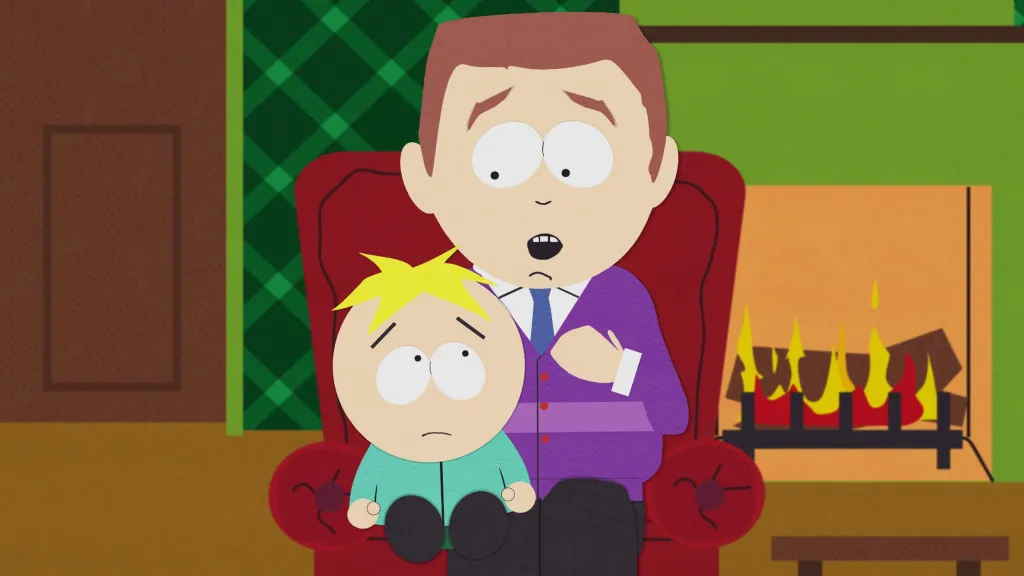
A background character across the series in its early seasons, Butters would finally become a bigger piece of the South Park cast in Season 5, leading to an episode that’s all about him and his family. In the episode, the optimistic and often gullible character is, of course, thrust into a dark and very adult storyline. After learning that his father is a closeted bisexual and revealing the news to his father, though Butters believes it all to be innocent fun, his mother goes on to try to kill him by drowning, and later tries to take her own life. On the whole, the episode is a hilarious mix of very dark comedy, which works because it’s juxtaposed with the innocence at the heart of Butters as a character.
2) “Make It Stop” – Star Wars: Andor
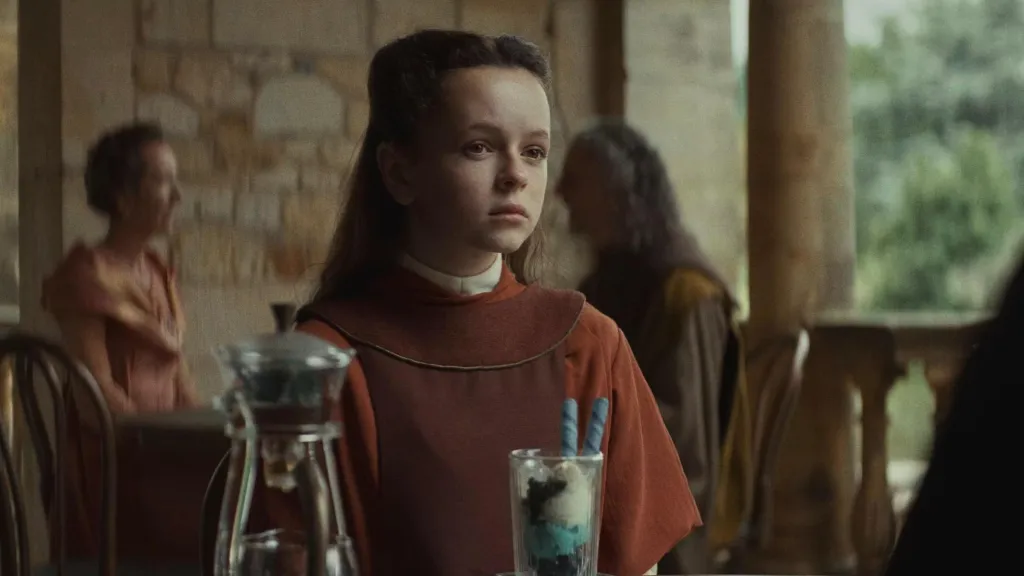
Andor distinguishes itself from other Star Wars shows by putting the spotlight on characters and stories that are somehow not big enough for the grandiose space opera, but which nonetheless must be told in order for the idea of a rebellion to make sense in the slightest. One of the final episodes of Season 2 not only puts the series in motion toward its conclusion, which aligns it with the plot of Rogue One, but does so by taking one of its biggest characters off the board entirely.
Stellan Skarsgård’s Luthen may appear throughout the episode, but he spends most of it in a coma before dying, with the majority of dramatic heavy lifting falling on Elizabeth Dulau’s Kleya Marki, who is forced to enact the backup plan that she never wanted to face. The episode also details the origin of these two characters, not only how they met, but how they were able to create the network of spies that became the bedrock for the rebellion itself. It has a touching final moment, one that brings the whole series together in a bow, even without its title character.
1) “Musings of a Cigarette Smoking Man” – The X-Files
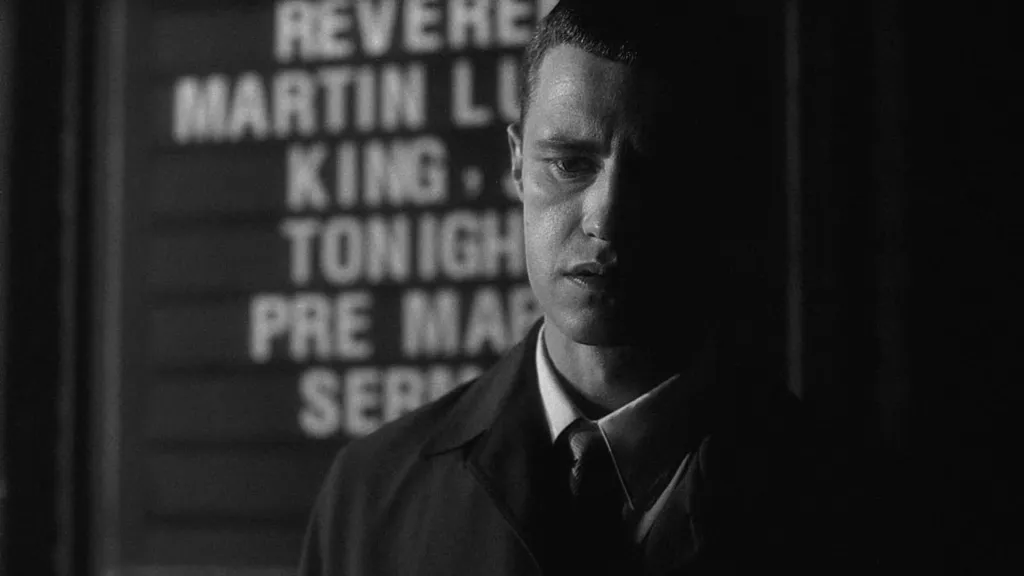
One of the biggest lingering threats across The X-Files is the mysterious Cigarette Smoking Man, played by William B. Davis. Present from the very beginning of the series, CSM and his clear influence to keep the truth from getting out into the world is well documented but it’s not until the fourth season that we actually learn more about him. In Season 4’s “Musings of a Cigarette Smoking Man,” the origin story of the character is revealed, detailing not only his involvement in the JFK assassination, the death of Martin Luther King Jr, but the Bay of Pigs, and even an early friendship with none other than Bill Mulder, Fox’s father
Though Davis does play the character at the start and end of the episode, guest star Chris Owens appears as the younger version of the character, with a powerful performance that clearly lays all the breadcrumbs to the Davis version of the iconic character. Even more distinct about the nature of this episode about a side character is that by the end, it’s not clear how much of it is even true. Given the nature of The Cigarette Smoking Man’s ability to manipulate and distort reality, it may all be fake, something to throw off Melvin Frohike, the Lone Gunmen, and even Mulder himself.