
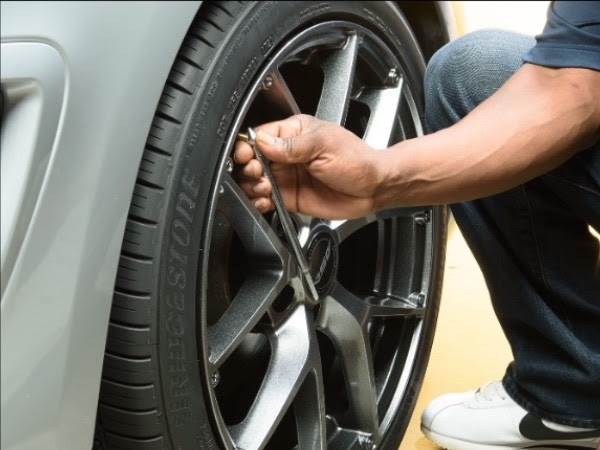
The heat, the bugs, the sun visor that’s somehow always just shy of blocking the blinding UV. Oh yeah, we’re so back.
The season of road trips is upon us, and we’re all eager to get back on the open road with our family, friends and favorite furballs in tow. The last thing you’d want is a bad set of tires ruining the fun, so our sponsor Tire Rack reached out with a few tips on how you can prep for the miles ahead.
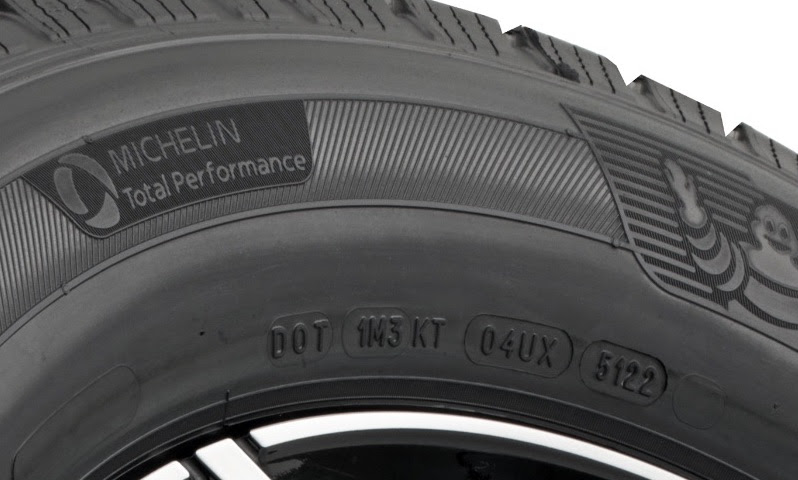
The first thing you can do is take a look; we call this the visual inspection, but what good’s taking a look if you don’t know what to look for? The first thing is actually printed on the sidewall, as tire manufacturers have been marking the production week and year on new tires since 2000. It’s easy to read: Look for the long DOT code printed on the side, then go to the last group. You should see four numbers. The first two digits tell you the week it was produced, and the last two indicate the year; so, a tire with the code “5122” was produced in the 51st week of 2022.
How long a tire lasts can depend on a number of factors. Properly stored, never worn tires don’t really age, but should be installed within 3-4 years of the manufacturing date. Again, that’s if they’re properly stored– big emphasis on “properly.” We recommend getting the newest tires you can. Tire Rack’s policy is in-line with other supervisory bodies, citing 6 years of use and 10 years from the manufacturing date.
But this is just part of the equation. A tire that’s only 2 years old but sees constant use and/or high-stress driving will wear faster. Check for signs of decay and damage, like cracking and fraying along with sidewall and treads. If it’s particularly worn down at the edge of the tread, you could be suffering from an alignment issue. If you see any bulging on the sidewall, that’s a major issue worth addressing, and we recommend replacing it as soon as possible. In fact, any of the damage listed here is worth having the tire inspected and likely replaced.
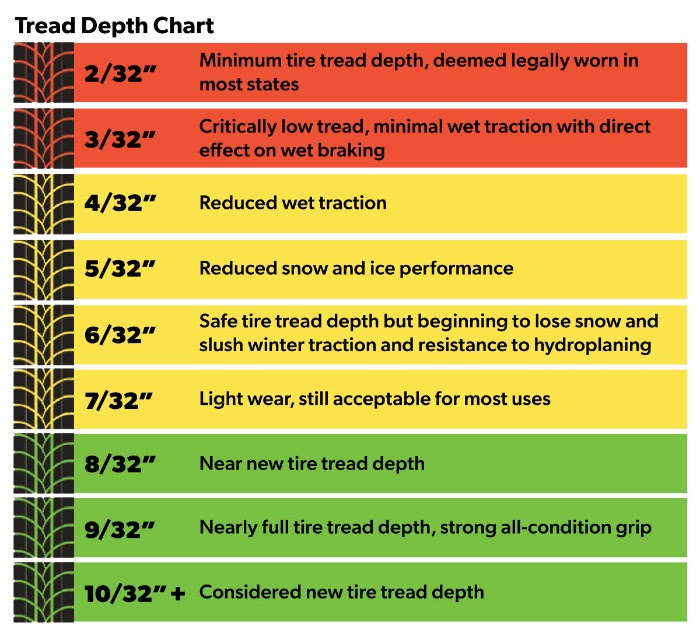
Of course, tread depth is the metric everyone knows. Make sure your tire is still within safe parameters; while 2/32 of an inch is the minimum legal tread depth in most states, we don’t recommend riding on anything that low, as traction, especially in slippery conditions, is greatly reduced. Study the image above and compare it to your results. A tire tread depth gauge is a relatively inexpensive thing you can buy at auto parts stores and big retailers with an auto aisle. We suggest using one of those, as it’s the more scientific method; but if you’re in a pinch (pun intended), grab a penny and stick it into the tread, Honest Abe head-first. If the top of his head is obscured by the pattern, you are theoretically within legal bounds. New tires start around 10/32 of an inch, for reference.
images: Array
(
[0] => Array
(
[image] => 27513
)
[1] => Array
(
[image] => 27512
)
)
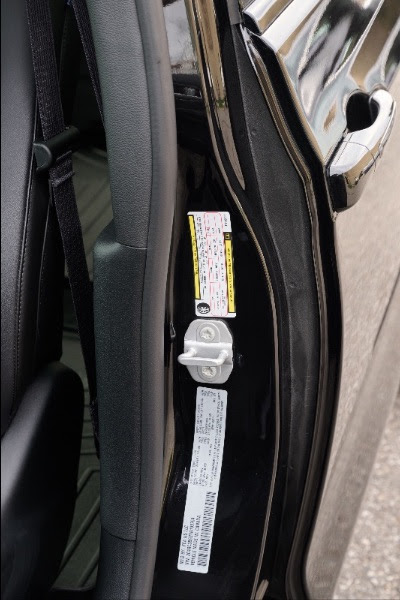
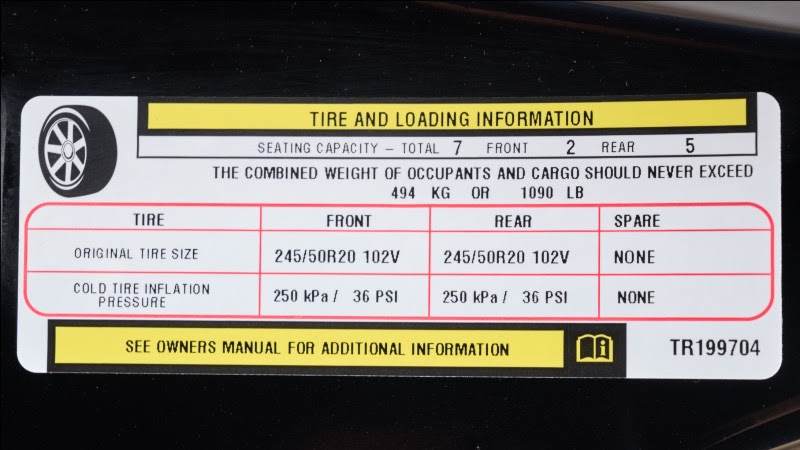
While you’re down there, check your tire pressure. Even if your TPMS light isn’t on, assuming your car has one, you may find yourself running a little under. Low pressure can lead to increased wear, decreased performance; and so can overinflated tires, so take the time to get your tires to their optimal pressures. Reference the sticker located in your door jamb or your owner’s manual to find the correct pressure rating, then fill (or purge) accordingly. If you’re grabbing that depth gauge, get a pressure gauge while you’re at it. It’s also cheap and takes the guess work out of this process. Properly inflated tires are safer and can lead to better fuel economy, so it’s a win-win.
These are all solid tips regarding tires, but there’s plenty more you can do to prepare. Audra Fordin gave us a “Your Drive” rundown on Road Trippin’ Tips earlier this season, timeless advice for road trippers and daily commuters alike.