
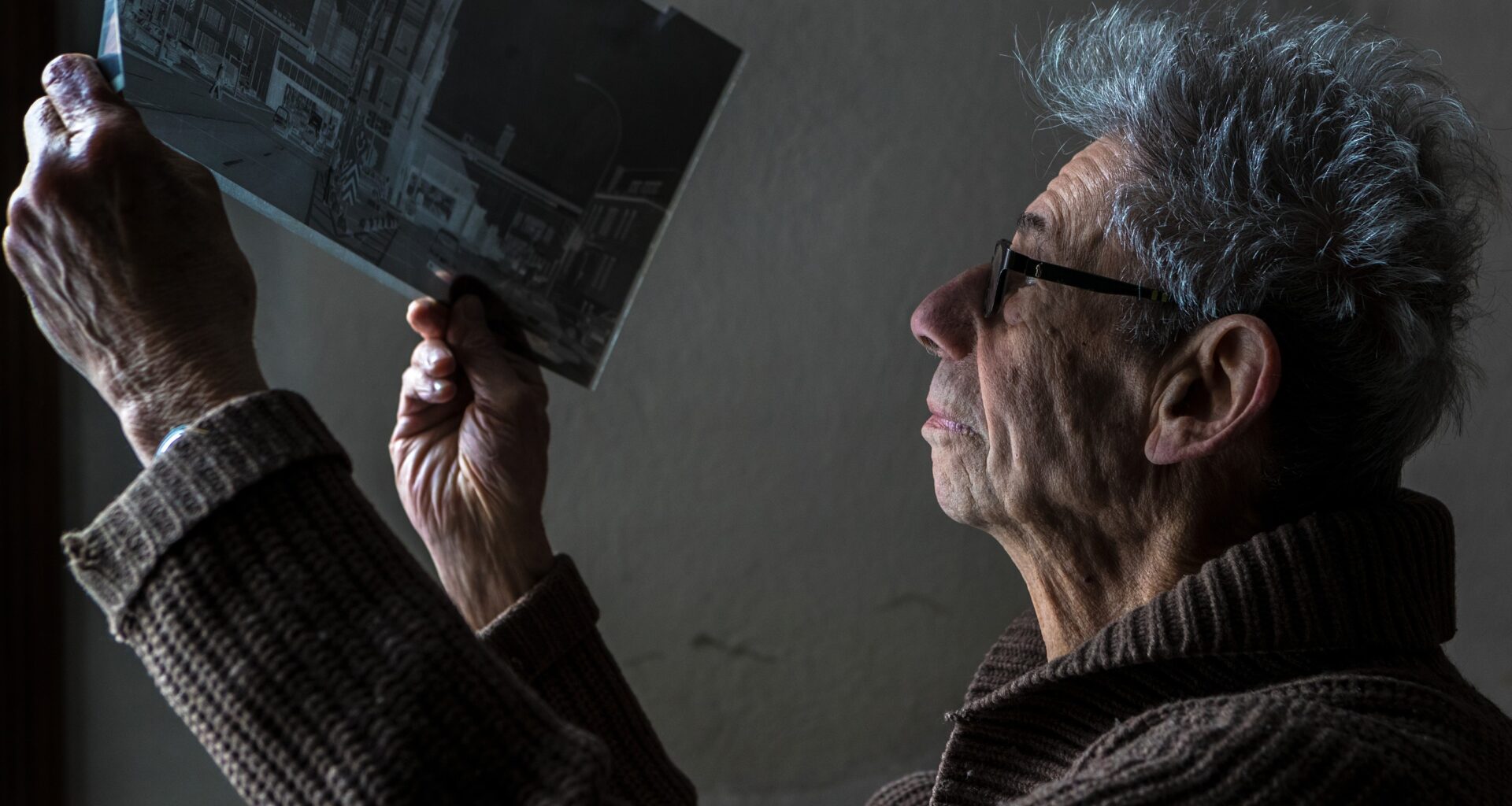
When Gabor Szilasi came to Quebec as a refugee in 1957, after fleeing the Soviet crackdown of the Hungarian Uprising, he was arriving in what he would later describe as “a mythical place for a Central European.” When he died at 98 on April 10, the immediate outpouring of tributes testified not only to his unquestioned standing as a giant of Canadian photography, but to how deeply he and his work had become a part of that “mythical place.” Szilasi embraced Quebec, and Quebec embraced him.
“A photographer who was born here might take a lot for granted, might not see the banal, or might look past it,” Szilasi said in a 2018 interview with The Gazette at the home he shared with his wife on Grosvenor Ave. in Westmount. “But because for me it was all new and interesting, it made the images fresh.”
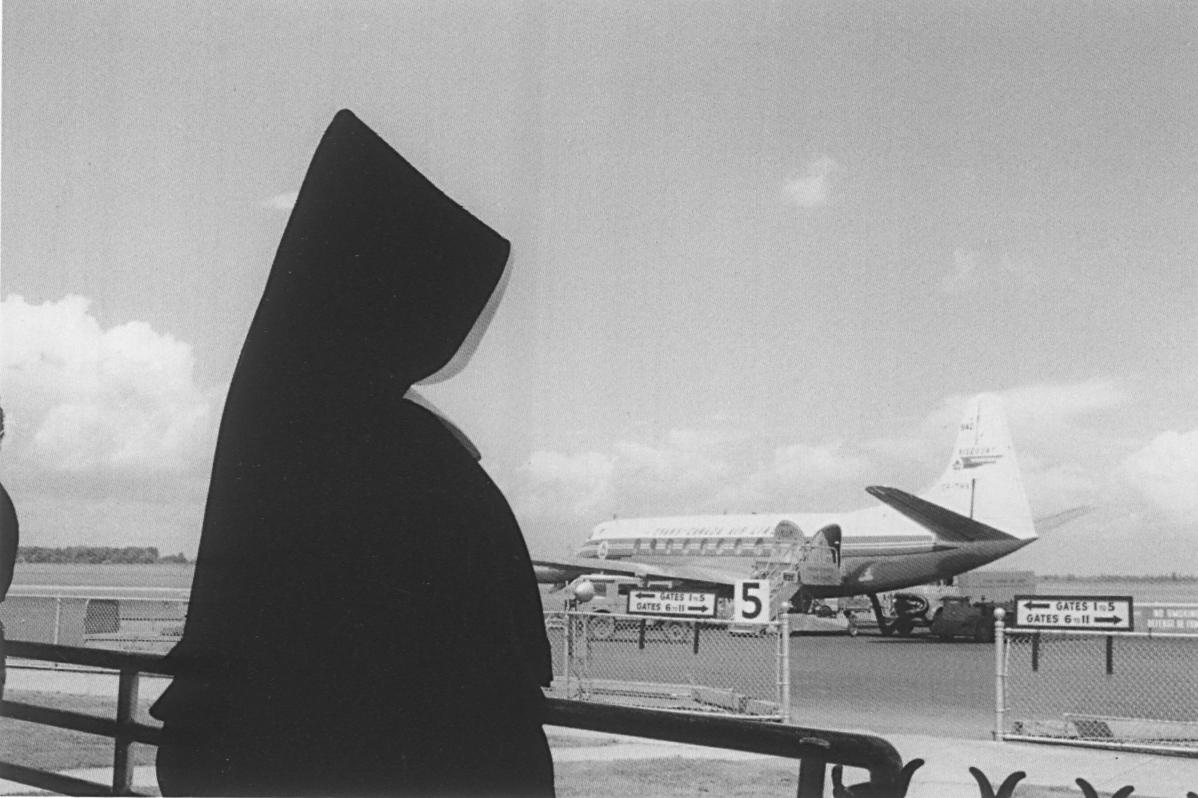 At Dorval Airport, 1959. Photo by Gabor Szilasi
He was speaking not only of Montreal — the city where he settled in 1959 after a stint with the provincial forestry department, and the place that was to remain his base for the rest of his life — but of the province as a whole.
Drawing on his formative experiences as an untrained street photographer in his native Budapest, Szilasi was able to hit the ground running with his vocation in Montreal — fortuitously just as the Quiet Revolution was making itself felt.
While holding down various teaching jobs, he maintained a parallel life with his camera, walking the city streets and byways endlessly, recording the overlooked and the liminal (the “banal,” some might say) at a crucial transitional period in local history.
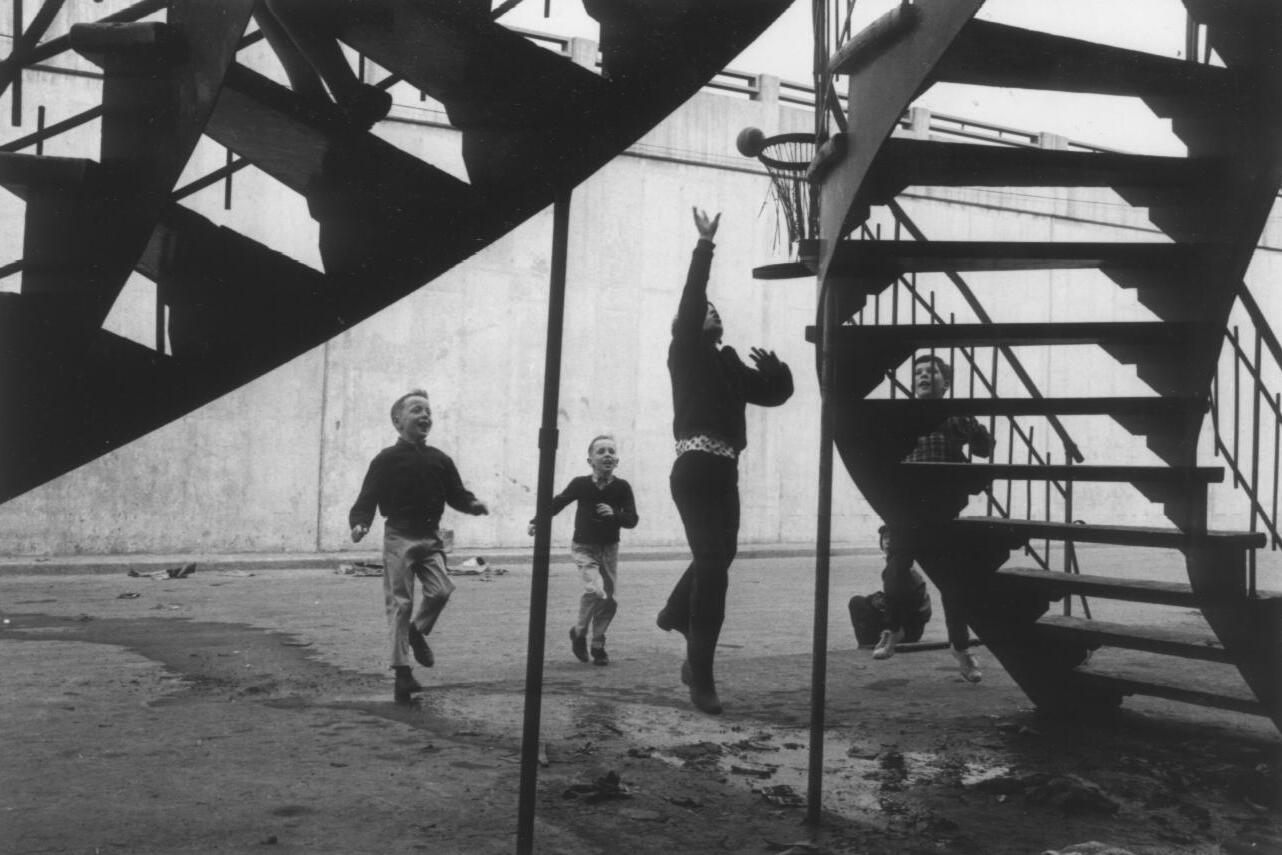 Pointe-St-Charles, 1968. Photo by Gabor Szilasi
Working people, the elderly, a young man waving a fleur-de-lys flag in a fountain on St-Jean-Baptiste Day, the vernacular architecture, the mid-century neon signage that was already starting to disappear: Szilasi shot it all, and the results amassed over time into an extraordinary visual record. (Much of it is now gathered at Library and Archives Canada in Gatineau, a project to which Szilasi devoted a great deal of time in his later years.)
When it comes to a photographer capturing the soul of a city, Montreal is Szilasi’s as surely as New York belongs to Alfred Stieglitz or Paris to Eugène Atget.
Szilasi was by no means solely an urban chronicler: His subjects ranged far beyond Montreal and Quebec City. A key event happened in 1970, when a Canada Council grant enabled him to travel extensively in the Charlevoix region; he would later bring his camera to the Beauce, Abitibi-Témiscamingue and other areas, taking photos all the while, and making connections that would be maintained throughout his life. Places that had been isolated, from each other and from the broader world, were made visible in ways they had never been before.
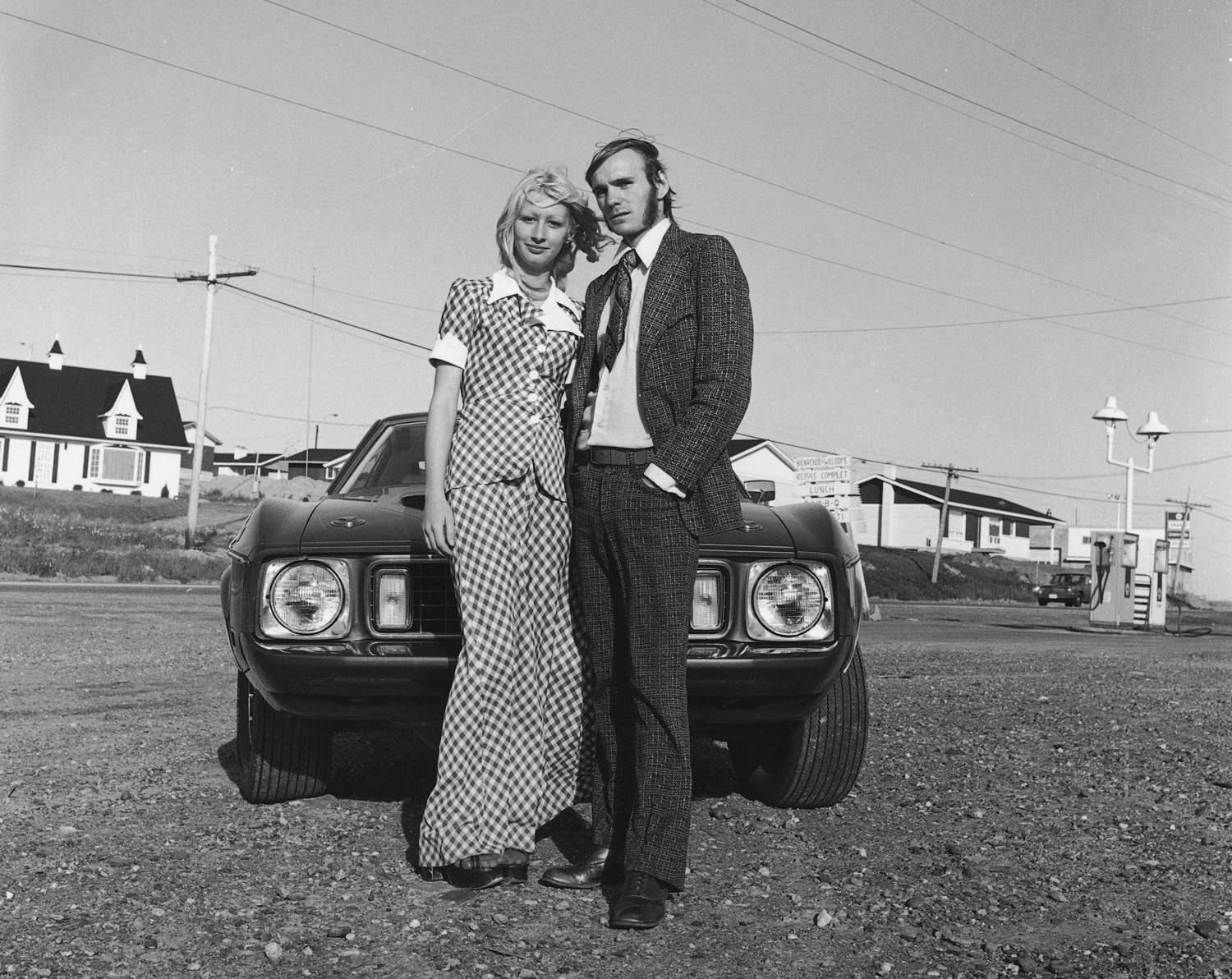 Réjeanne and Gaétan Garon in front of the Bellevue Restaurant, St-Joseph-de-Beauce, June 1973. Photo by Gabor Szilasi
The images exude a warmth that can only come from a place of empathy: a young couple standing proudly in front of what we assume is their first car; a woman sitting on an ornamental yard bench with a huge Esso sign looming behind her; a young boy riding a tricycle on a dirt road past rows of identical trailer homes in Lebel-sur-Quévillon.
Time and again, Szilasi manages a rare balance between the planned and the spontaneous. He also stays largely faithful to his belief in the power of black and white, the exceptions being subjects like neon signs, where colour was the defining element.
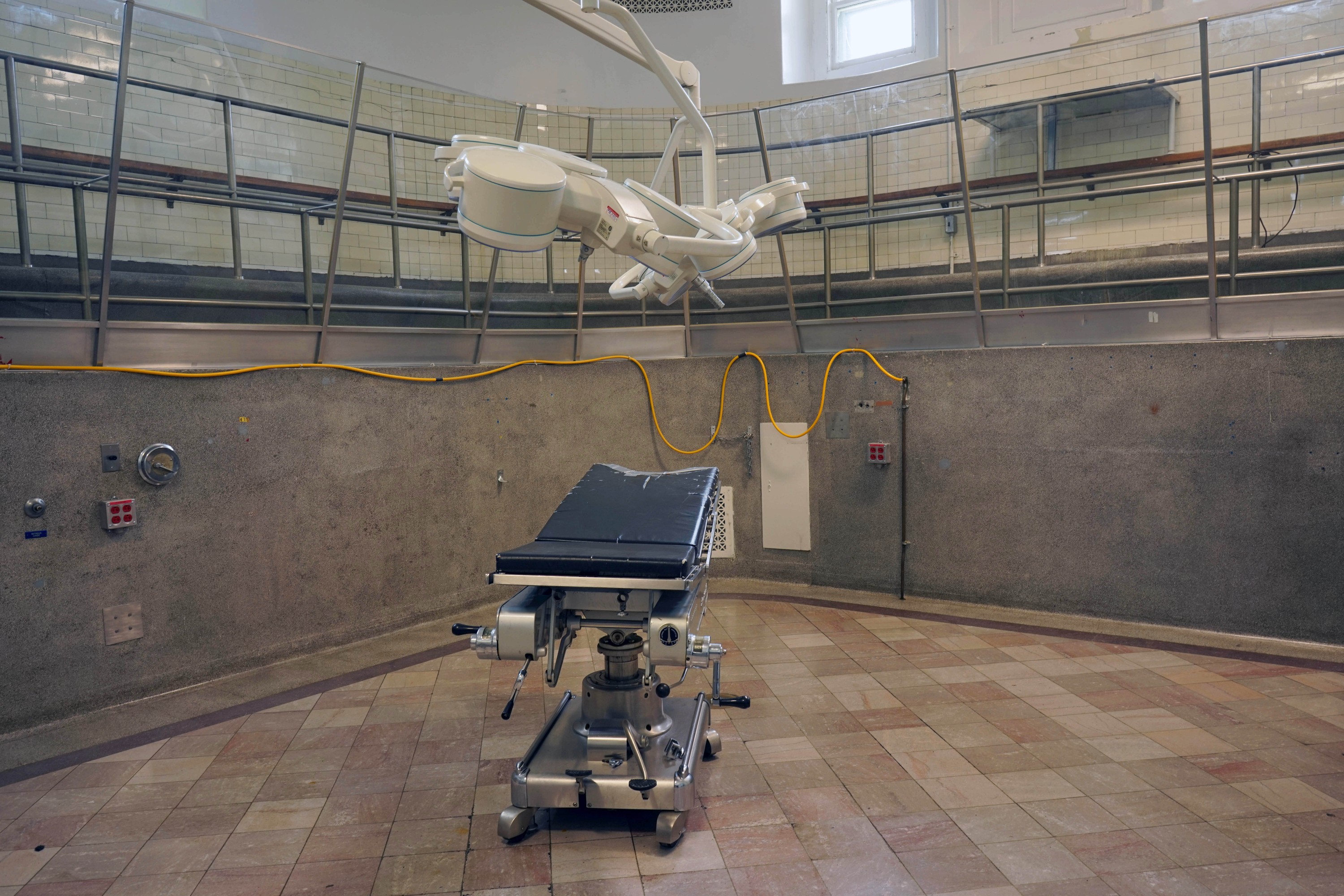 Operating Theatre, Women’s Pavillion, Royal Victoria Hospital, 2017. Photo by Gabor Szilasi
There was always a painterly aspect to Szilasi’s work. His unerring sense of composition and his deft use of natural light can’t help but bring to mind the work of Dutch masters like Johannes Vermeer and Frans Hals. This affinity, whether conscious or not, can conjure an uncanny sense of timelessness. A straightforward 1970 Szilasi portrait of a baker in Isle-aux-Coudres, sitting happily in front of a wall of loaves of bread, has the same quiet power as Gerrit Dou’s 17th-century Scholar Sharpening His Quill; 300 years are bridged effortlessly by the simple expedient of showing people at their work, a theme that would be picked up at regular intervals by Szilasi in the ensuing decades.
Between the books devoted to Szilasi’s photography (L’éloquence du quotidien, the catalogue of a retrospective exhibition first mounted by the Musée d’art de Joliette in 2009, and Photographs 1954-1996, with text by David Harris, a book that proves Szilasi’s gifts were evident even before he emigrated, are especially recommended) and the many images accessible online, anyone who is curious can make rewarding excursions into the nooks and crannies of a life’s work.
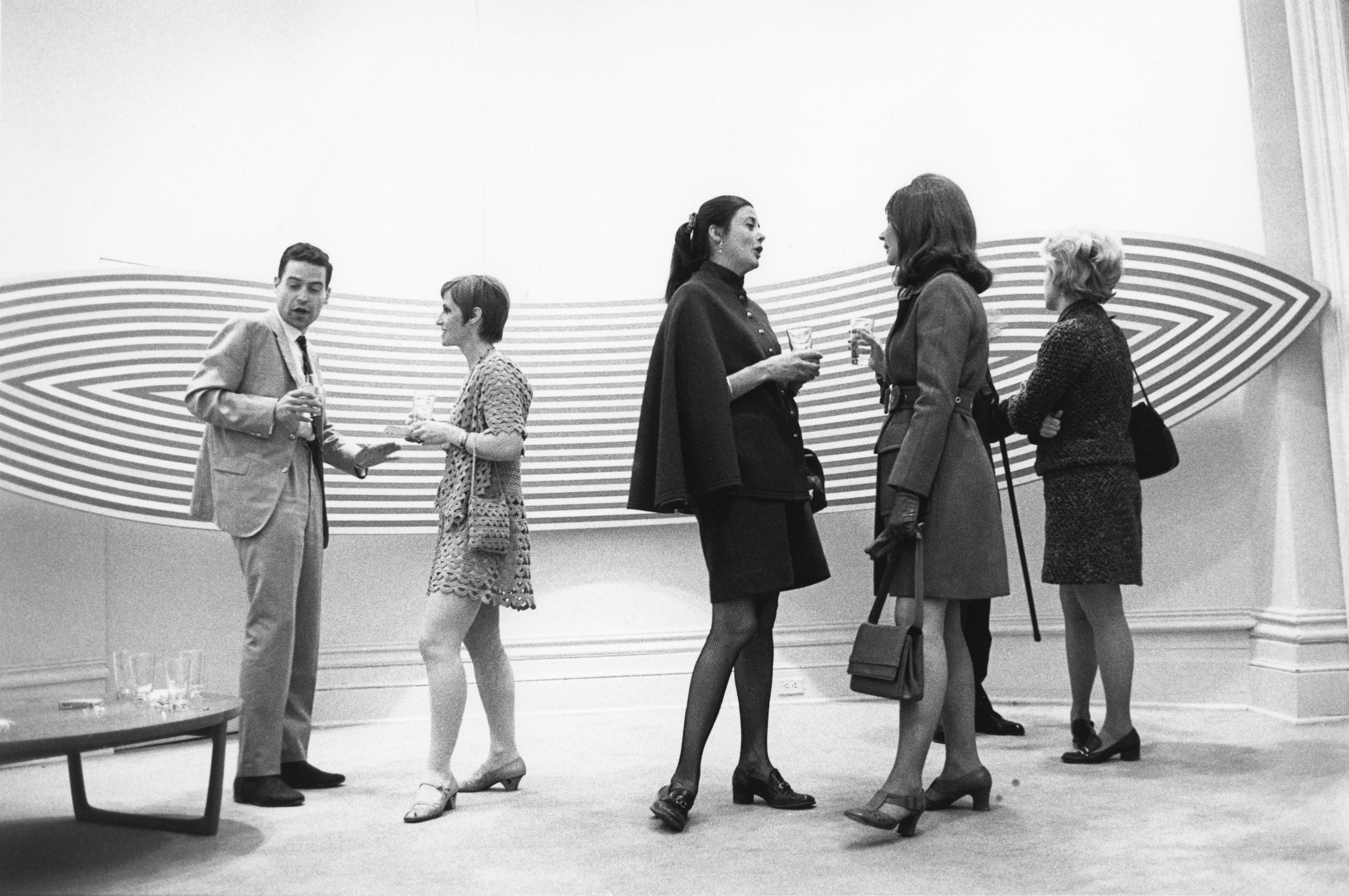 May 1969: Opening of the Claude Tousignant exhibition at Galerie Sherbrooke, Montreal. Photo by Gabor Szilasi. Courtesy McCord Stewart Museum
One rich source is the McCord Museum’s 2018 one-man show Gabor Szilasi: The Art World in Montreal, 1960-1980. The show was an opportunity for the inveterate attendee of openings and vernissages (“People got used to me because I went to almost every exhibition,” he cheerfully admitted) to leave a record of something that had been central to his life and work: his delight in being part of a community of fellow artists and art lovers.
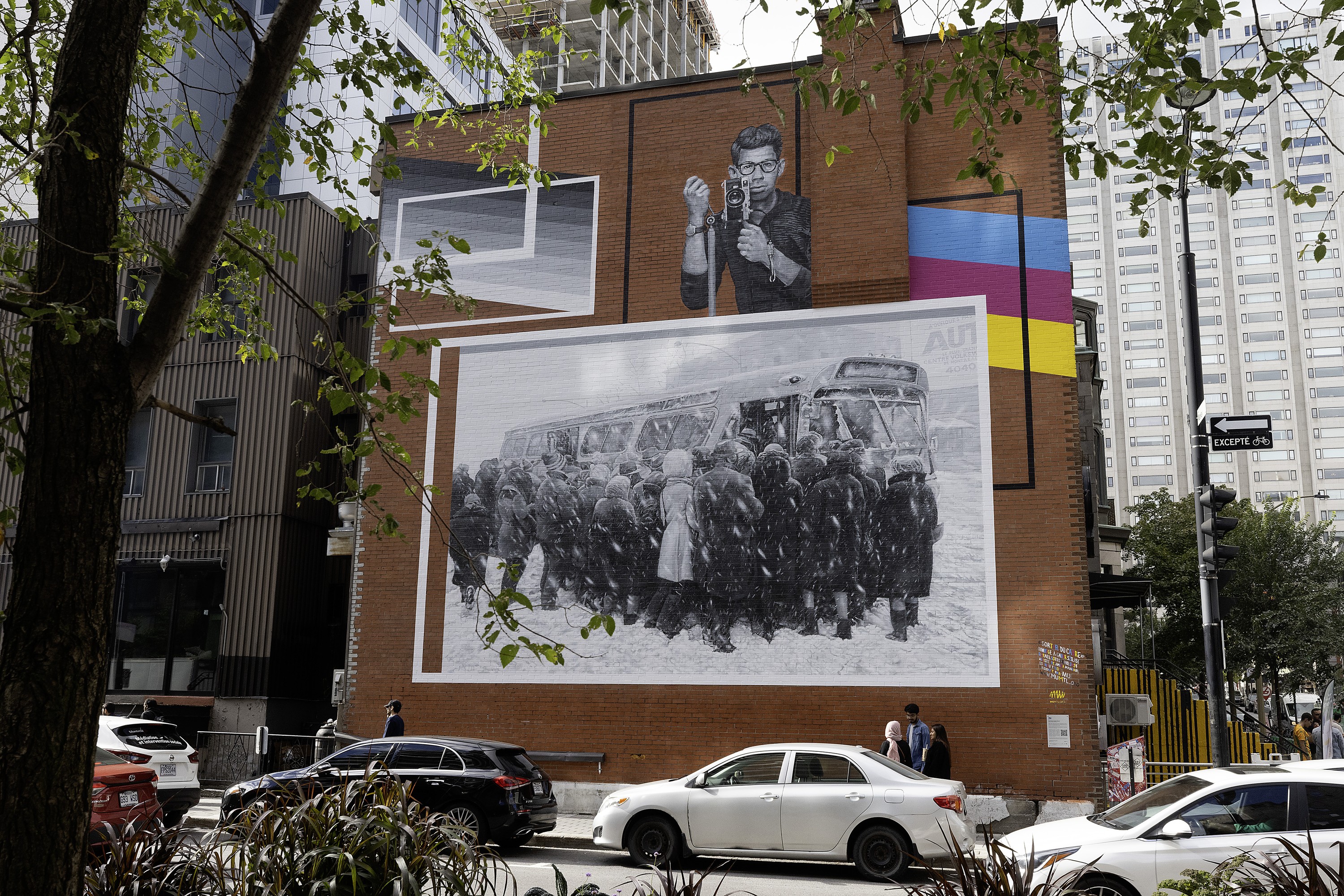 Mural honouring Gabor Szilasi at the corner of de Maisonneuve Blvd. and Mackay St. in downtown Montreal. Pierre Obendrauf / Montreal Gazette
Complete newcomers looking for a single photograph as an entry point to the Szilasi oeuvre could do a lot worse than “Leonard Cohen at the opening of the Morton Rosengarten exhibition at the Loyola Bonsecours Centre, Montreal, December 1966.” There is a lot of subtext behind this seemingly simple image. Cohen — not singing here, but rather playing a harmonica, and dressed more like a beatnik than an immaculately besuited poet — is on the cusp of international fame, even if he doesn’t yet know it; Szilasi is still building his reputation. The realization hits you: Here is a meeting of equals. One future icon is taking another future icon’s picture.
“I meet people very easily, and I’m also very curious about peoples’ lives,” Szilasi said the day of a 1998 Gazette interview, offering a clue to what made his work so unique. That same day, asked if he could give an elevator-pitch summary of why he chose to do what he did, he didn’t hesitate.
“I did it because I love to do it,” he said.
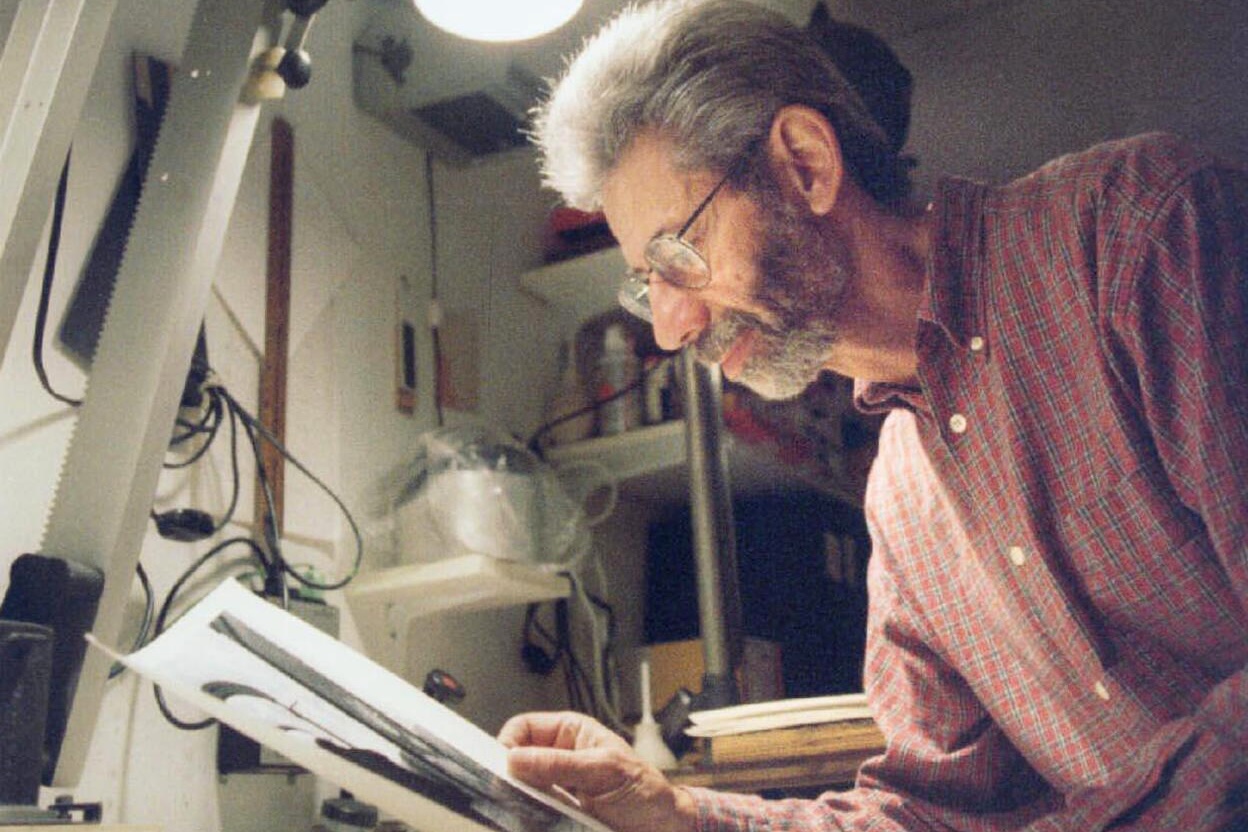 Photographer Gabor Szilasi checks out a print in his darkroom in 1996. Richard Arless Jr. / Montreal Gazette files
AT A GLANCE:
Hinge Points: Gabor Szilasi’s Photographic Angle, an exhibition of Szilasi’s work, is underway at McGill University’s McClellan Library until June 20. It is open to the public. McLennan Library Building, 4th floor lobby, 3459 McTavish St.
Editor’s Picks