
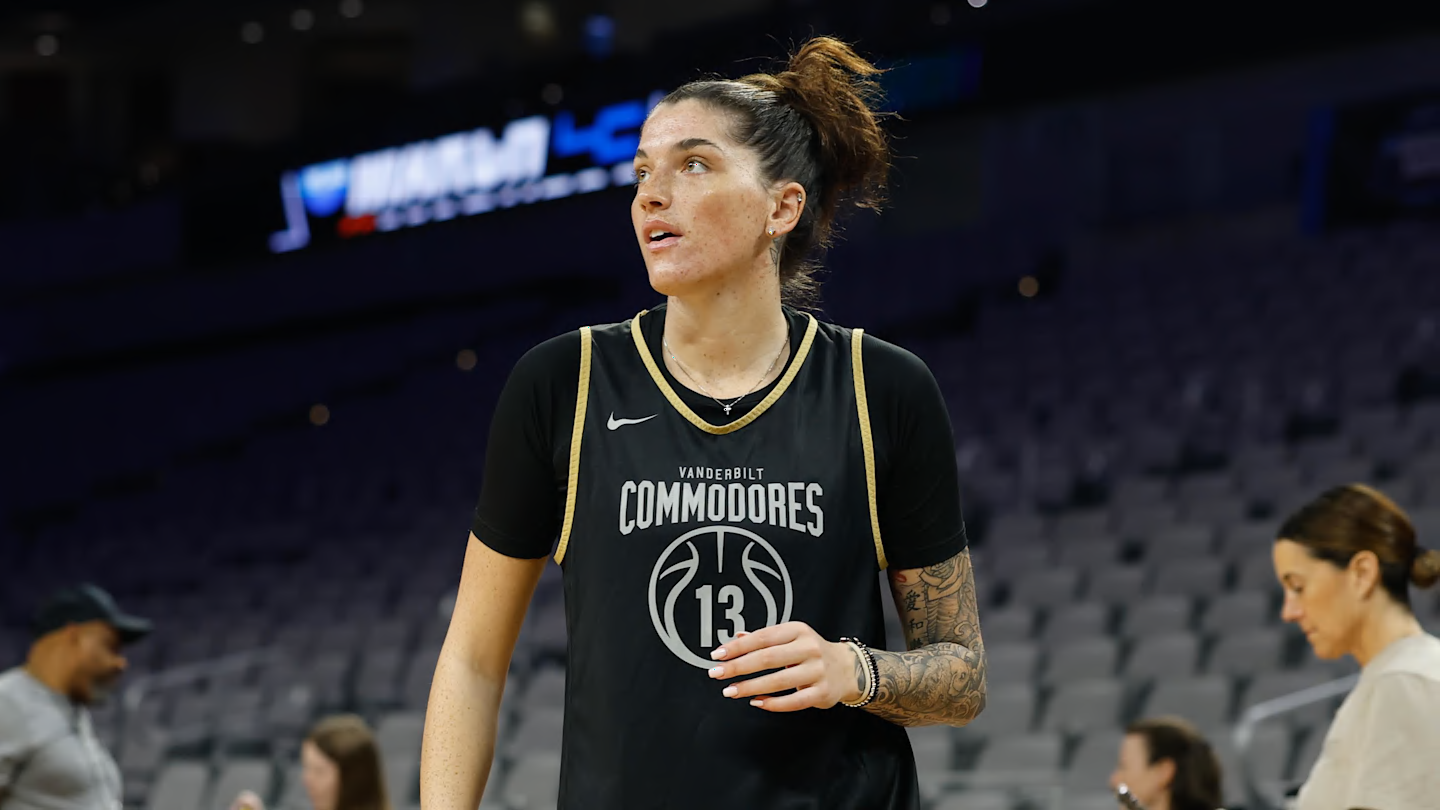
The new Collective Bargaining Agreeement (CBA) made a lot of changes in the WNBA — including the addition of up to two roster spots for developmental players. The actual scope of what it might mean to be designated a developmental player in the WNBA hasn’t been fully understood yet, but that will change now that teams are beginning to assign the role to athletes they’ve recently drafted.
The Portland Fire announced that rookie Frieda Buhner will fill a developmental spot this week, and the Indiana Fever also assigned their own rookie Justine Pissott the same role. The two players fill different needs for their respective teams, and it’s probable that the term “developmental player” will mean different things, too.
For example, the prevailing logic is Buhner may not come over to the United States immediately, something that would allow her to continue to play in Europe until the end of the season. Pissott, on the other hand, is already in Indianapolis, and being designated a developmental player seems to imply that she has a spot with the team, and won’t have to worry about being cut during or right after training camp.
Developmental player roles serve another need
One of the more team-friendly aspects of the developmental role is that the designation doesn’t take away from a team’s overall salary cap. The players still get paid, and are eligible to play up in 12 games per season.
Developmental players were part of the overall proposal the members of the WNBPA presented to the WNBA’s leadership as part of CBA negotiations. In addition to giving teams immediate options if a player is injured, the role will also give more college players a shot at being drafted into the league and getting playing time on the court.
That’s a really big deal for a league that has built playing overseas during the offseason into the fabric of how it operates ever since its inception. There are still plenty of WNBA players who will go overseas to play, and also lots of athletes who deserve a spot in the league but weren’t draft and who will do the same. But adding these new roster spots is a strong step toward making it more possible for as many athletes as possible to have a spot in the W.
Expansion will also continue to play a key role in opening up as many WNBA spots as possible. The league will add three new teams by 2030.
 Add us as a preferred source on GoogleFollow