

Listen to this article
Estimated 4 minutes
The audio version of this article is generated by AI-based technology. Mispronunciations can occur. We are working with our partners to continually review and improve the results.
Quirks and Quarks54:00Why this biologist loves unpopular animals, and more…
On this week’s episode of Quirks & Quarks with Bob McDonald:
A case of mistaken identity: The truth about the world’s ‘oldest’ octopus fossil
Quirks and Quarks9:31A case of mistaken identity: The truth about the world’s ‘oldest’ octopus fossil
For 26 years, scientists have believed that a 300-million-year-old rock contained the oldest octopus fossil in the world. However a new study reveals it is actually not an octopus at all — but instead a partially decayed nautilus. Paleontologist Thomas Clements set out to solve this mystery, a mission that would take him across three countries over the course of eight years. His findings have sent ripples through the scientific community and challenges what scientists thought they knew about octopus evolution. The research was published in the journal The Royal Society Publishing.
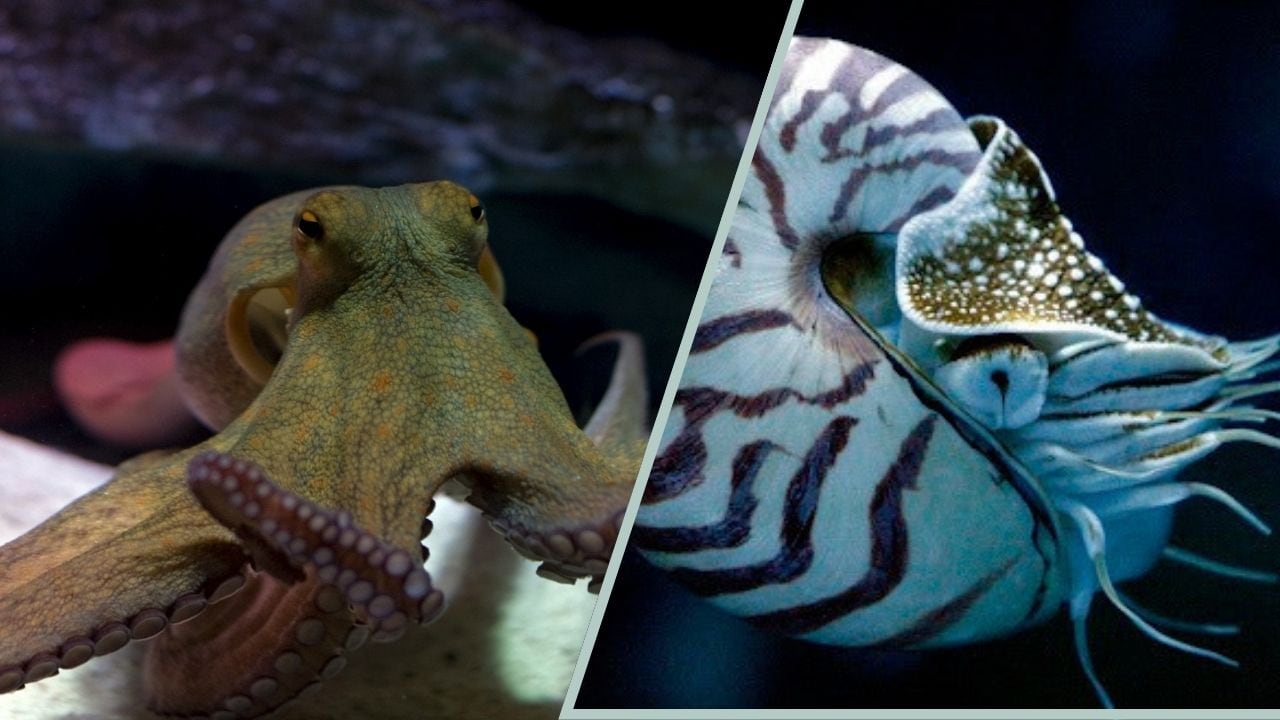 For 26 years, scientists have believed that a 300-million-year-old palm-sized fossil was the oldest octopus fossil in the world, even garnering attention from the Guinness Book of World Records. However a new study reveals it is not an octopus — it’s a nautilus that was rotten and decaying when it was entombed in mud millions of years ago. (Jorge Guerrero/AFP/Getty Images, Wong Maye-E/AP Photo)From the archives: Carl Sagan on the worlds beyond our solar system
Quirks and Quarks6:47From the archives: Carl Sagan on the worlds beyond our solar system
It’s our 50th season, so we’re sifting through the archives for some of our most favourite interviews from over the years. One of our regular contributors was legendary astronomer Carl Sagan, who made his final appearance on our show 31 years ago this week, where he spoke with Bob about the search for worlds beyond our solar system and what that may mean for the possibility of alien life.
 Carl Sagan speaks during a lecture in 1981 (The Associated Press)The evolutionary cost of our relationship with fire
Quirks and Quarks8:07The evolutionary cost of our relationship with fire
Our long history with using fire as a tool may have played an evolutionary role in why our bodies can cope with smaller burns but become overwhelmed by major burns. In a new study, scientists found that burn-related genes — such as those involved in wound closing and inflammation — are different in humans compared to non-human primates. Joshua Cuddihy, an intensive care doctor and honorary lecturer at Imperial College London, said this suggests that evolution would have favoured traits that allowed humans to quickly heal from smaller burns, at the expense of healing from major burns. The study is in the journal BioEssays.
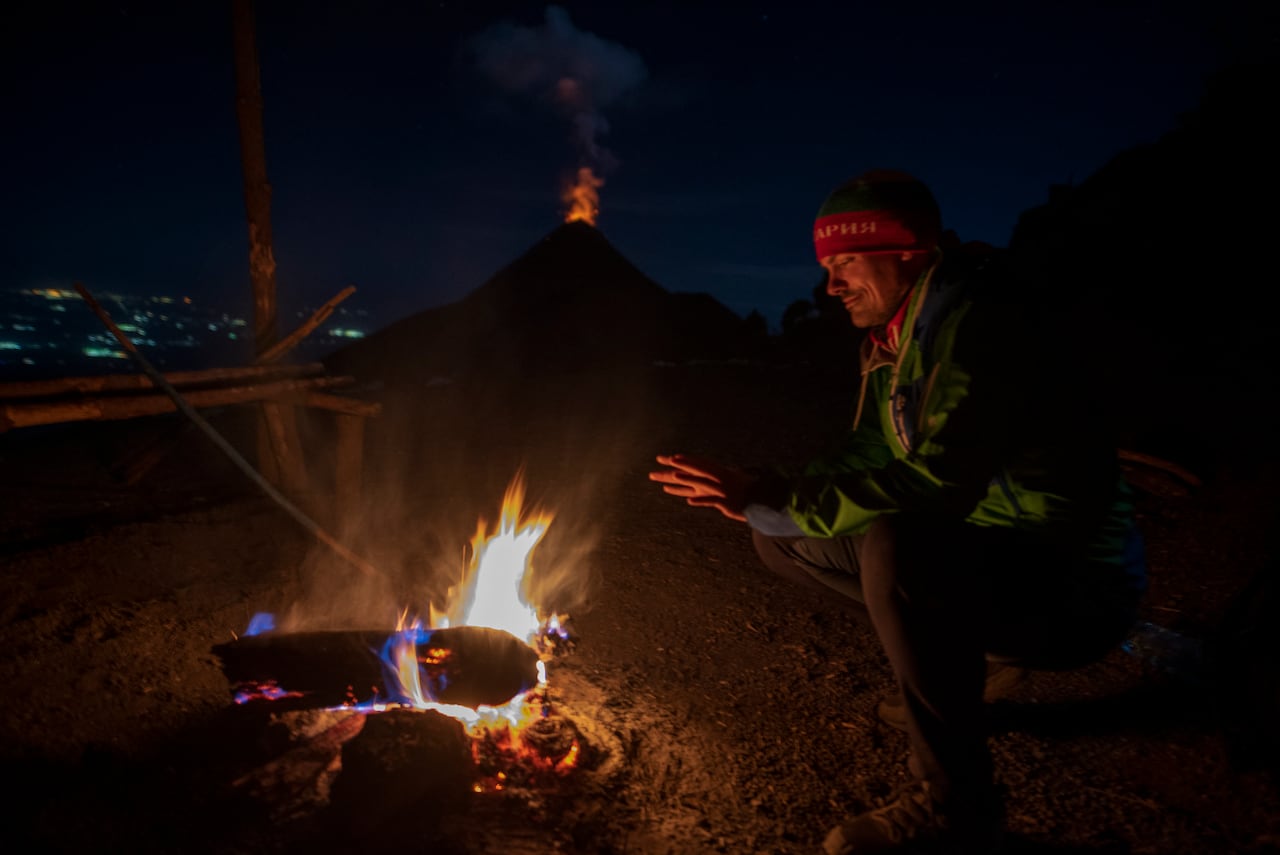 A tourist warms his hands with a campfire set on Acatenango Volcano, as the Fuego Volcano erupts on the background. (CARLOS ALONZO/AFP/Getty Images)We’re not speaking as much as we used to — and scientists are concerned
Quirks and Quarks10:34We’re not speaking as much as we used to — and scientists are concerned
People aren’t talking to each other as much as they used to, and our gift of gab and our cognition may suffer as a result. Scientists compared the number of words people spoke per day over nearly a decade and a half. Valeria Pfeifer, from the University of Missouri in Kansas City, said they found that in 2019, people spoke an average of about 12,700 words per day compared to 15,900 back in 2005. The decline was significantly worse in younger individuals than older, leading the scientists to suggest the rise in smartphone use and social media may be playing a role. The study is in the journal Perspectives on Psychological Science.
 Researchers found that every year from 2005 to 2019, people lost an average of 338 words spoken on a daily basis. (Evaristo Sa/AFP/Getty Images)Outsider Animals: why rats, racoons and cockroaches are more than just pests
Quirks and Quarks16:28Outsider Animals: why rats, racoons and cockroaches are more than just pests
Humans have always shared our environment with animals, whether we wanted to or not. In a new book, evolutionary biologist Marlene Zuk highlights the creatures we may not always enjoy having nearby, like snakes, rats, coyotes and even cockroaches. She calls these less desirable creatures “outsider animals” and says that if we just give them a chance, we can learn a lot from them, and perhaps even begin to appreciate their role as important neighbours. Zuk is a professor of Ecology, Evolution and Behaviour at the University of Minnesota, and a member of the National Academy of Sciences. Her most recent book is Outsider Animals: How the creatures at the margins of our lives have the most to teach us.
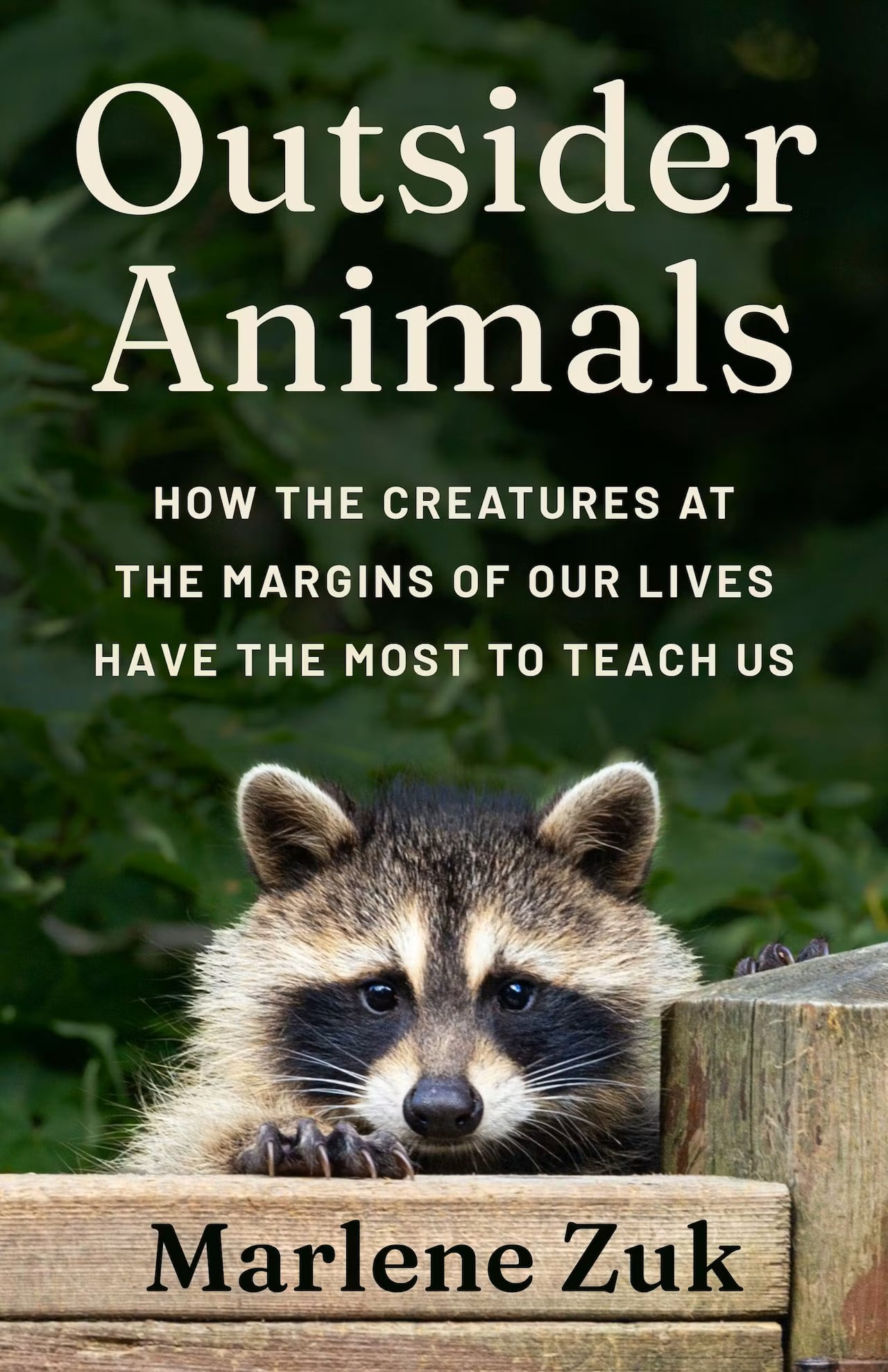 In a new book, biologist Marlene Zuk highlights the creatures we may not always enjoy having nearby, like snakes, rats, and even cockroaches and how we can begin to appreciate their role as important neighbours (Princeton University Press)