
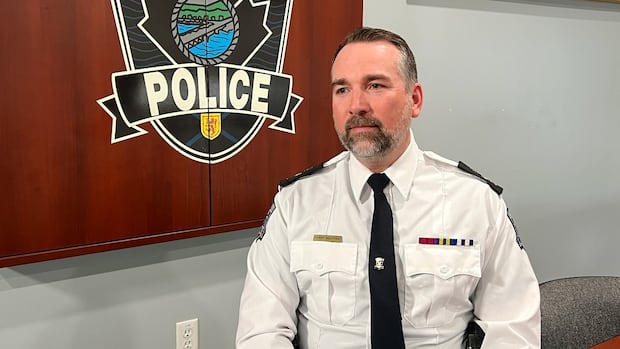
Police in Bridgewater, N.S, say they have learned valuable communication lessons after their recent social media post created “unnecessary” fear and confusion.
About two weeks ago on Easter Monday, the Bridgewater Police Service made a post on Facebook that said they were actively searching for a man wanted on a national warrant, with the title “dangerous male.”
The post, made around 3:40 p.m., included the man’s mugshot, physical description, and said the local South Shore Regional Hospital was on lockdown after he left the facility on foot.
It said police were searching a specific neighbourhood near the hospital with a police dog unit, and anyone who spotted the man should call police.
“The individual is dangerous, do not approach, do not pick up any hitchhikers,” the post said.
Resident Katherine Ernst said the post’s wording “freaked me out” because she knew people working at the hospital, and was also getting messages from friends about the situation.
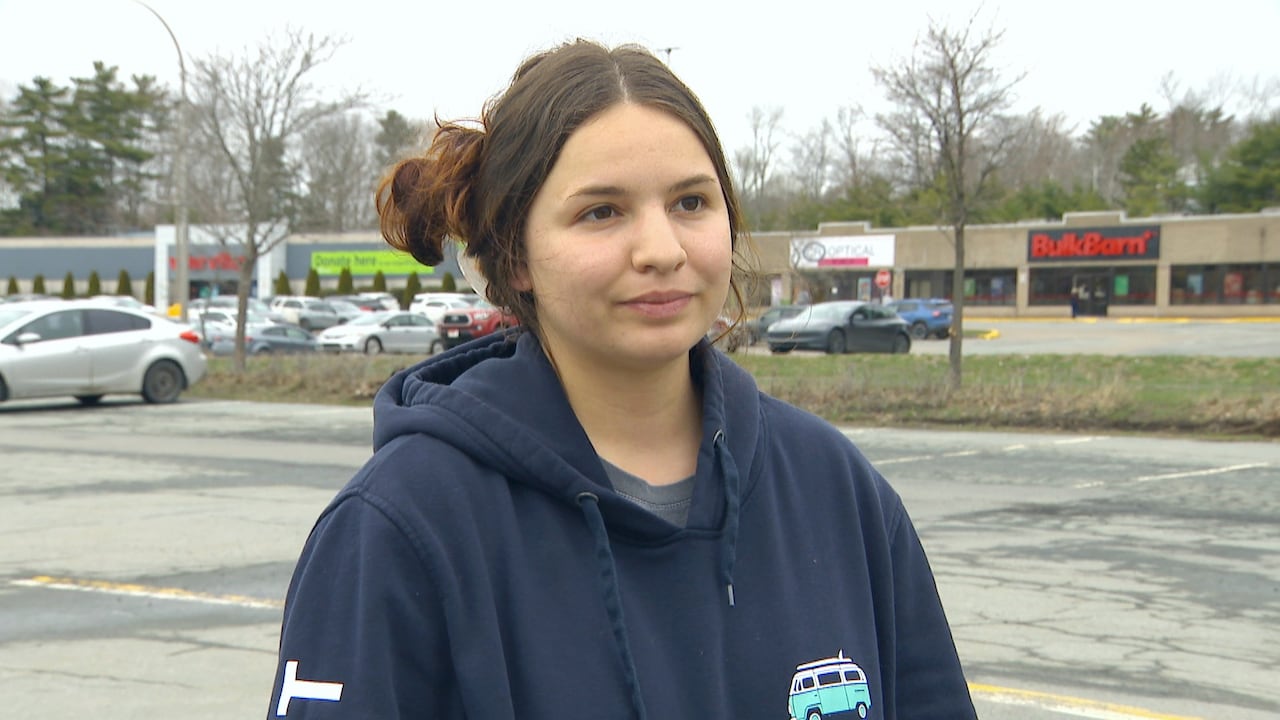 Katherine Ernst says she works in Bridgewater and was alarmed to see the police department’s recent post about a search for a ‘dangerous’ man. (CBC)
Ernst said she works with children, and her workplace locked their doors and kept the blinds closed because they thought the police direction meant people should stay inside.
“That’s scary for anyone,” Ernst said near the South Shore Centre mall on Lahave Street, where police made traffic stops during their search.
About three hours after the original post, Bridgewater police shared an update on Facebook saying the man had left the area, had not committed any crimes locally, and “at no time was the public’s safety at risk.”
Bridgewater Police Deputy Chief Danny MacPhee said the man was at the hospital for medical care, and staff called police after noticing he seemed suspicious. The investigation determined his identity, and how he was wanted on a Canada-wide warrant for violating his parole.
When officers arrived, MacPhee said the man ran away. Police on duty at the time felt it was important to let residents know they should not approach him, but MacPhee said the officer crafting the post would not have had much media or communications training.
MacPhee said police understand the term “dangerous” is used for someone with a history of violent crime, but who may not necessarily be an active threat. Police believe the man was unarmed, MacPhee said.
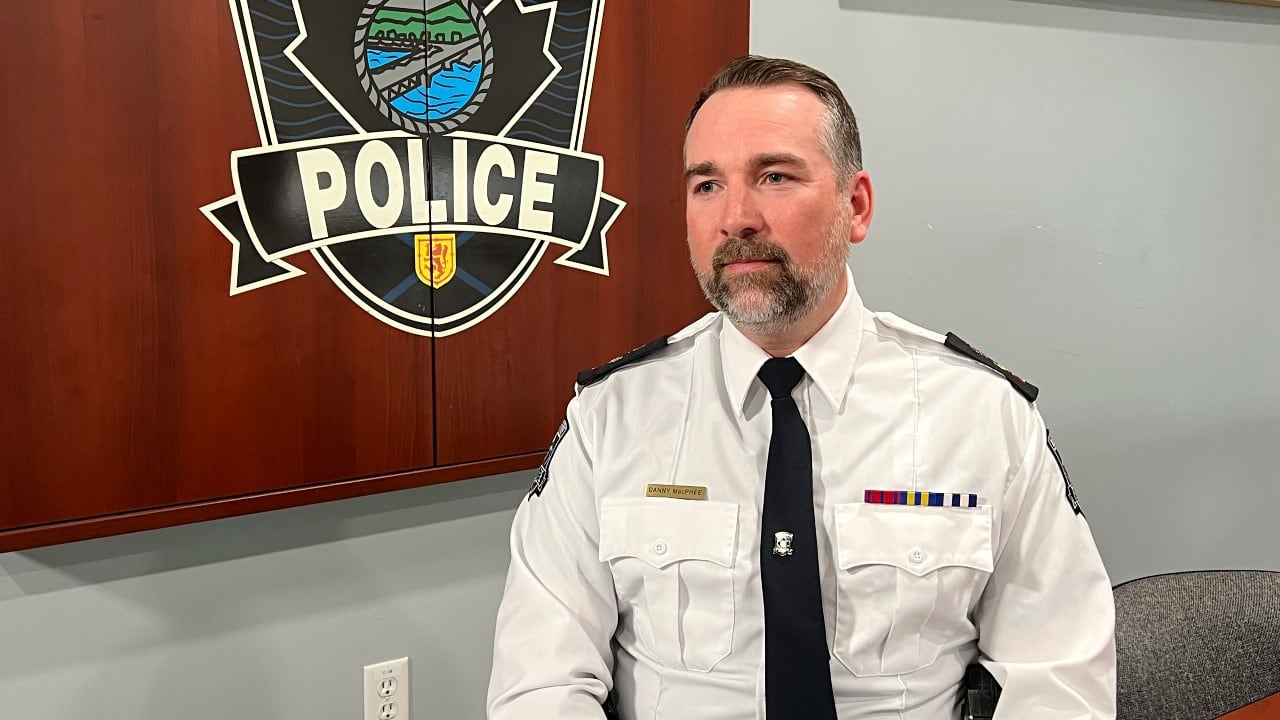 Bridgewater Police Deputy Chief Danny MacPhee says the incident has shown the force the importance of not using police jargon like ‘dangerous,’ if there is no immediate threat. (Paul Poirier/CBC)
“We can’t use that [word], dangerous, just as itself. We’ve learned, obviously, that that’s caused a lot of public worry that was unnecessary. So that’s where we have to be a little bit clearer when we get that out,” MacPhee said in a recent interview.
The original post gathered hundreds of comments and more than 2,000 shares, with many people questioning why an emergency alert was not being sent.
MacPhee said the incident did not meet the threshold for using the national Alert Ready system, which would send intrusive alerts to most cellphones, radios and TVs in the area. Police must believe someone has the intent and ability to carry out “imminent danger,” MacPhee said.
Mary Ann Campbell, director of the Centre for Policing and Criminal Justice Research at University of New Brunswick Saint John, said the best police communications clearly lay out what police need from the public, without triggering a fear response that has people tuning out of important details.
She said the language should match whatever the threat level is — more balanced if there is no threat, or sounding very serious if there is immediate danger — but there is no “magical” formula.
Campbell said every community is different, and the public response is understandable in light of the province’s 2020 mass shooting.
“Nova Scotia obviously will have a lot more sensitivity around those kinds of messages for a long time into the future … those memories are very sharp. They’re very real,” Campbell said.
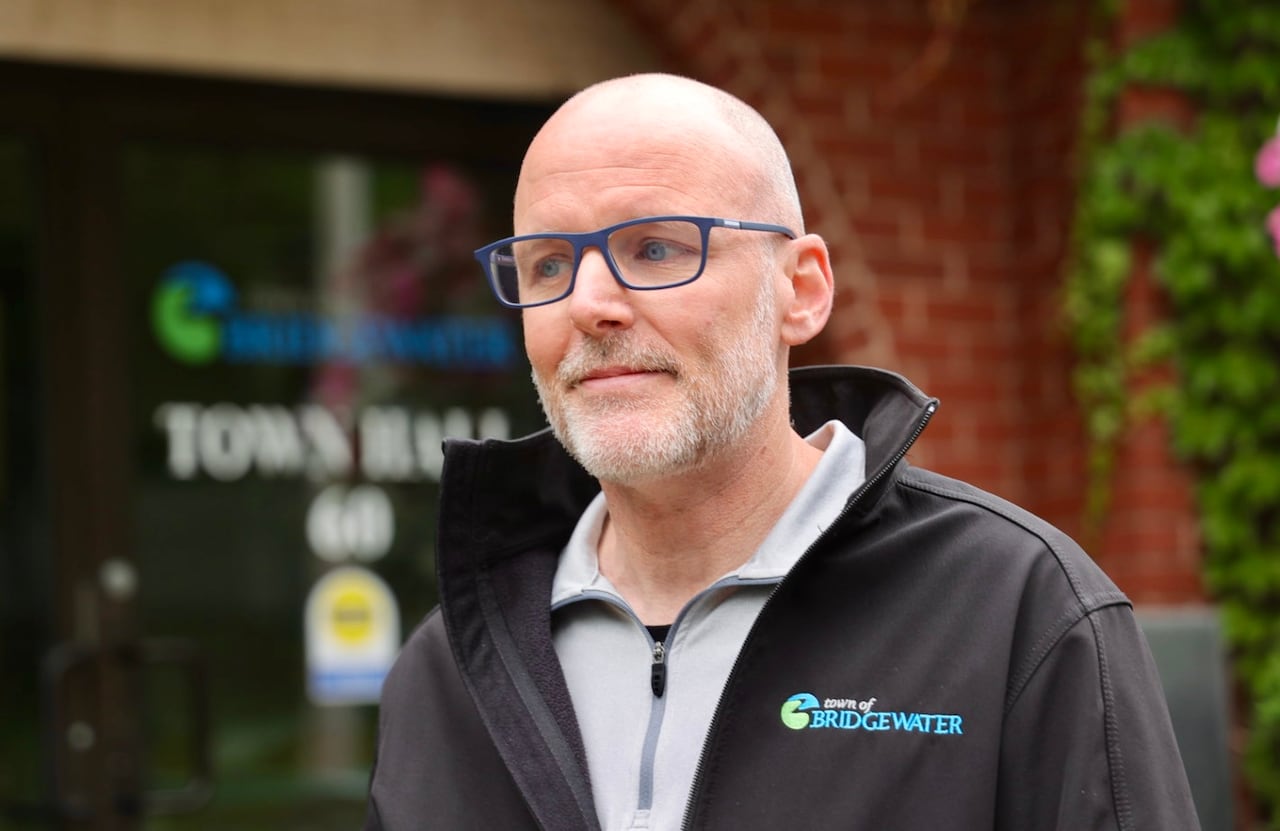 Bridgewater Mayor David Mitchell says the town’s police force will learn from the incident, but he believes it was better to have had the information out there than never shared. (Jeorge Sadi/CBC)
Bridgewater Mayor David Mitchell said the situation is a “learning experience,” but said he would rather have a proactive municipal service sharing information rather than staying silent.
“That to me is the right decision rather than being reactive later and saying, ‘By the way, this happened,’” Mitchell said.
MacPhee said the lessons learned from the incident are timely, because the police department was already planning to hire a new civilian position to help improve communications, especially on holidays or when senior officers are unavailable.
The communications role was recently approved in the town’s budget.
“That’s the right way to police, is we check and say, ‘Could we have done anything a little better?'” MacPhee said. “So we are obviously going to review.”
Police posted the two updates to Facebook, and did not send official media releases directly to local media or post them as standalone items to the town or police department websites, which has been done with other incidents.
MacPhee said for more than six years local media have kept an eye on the department’s Facebook page and call if they need more information.
MacPhee said he expects Bridgewater’s next board of police commissioners meeting will go over the incident, and that media communication strategy may change if needed.
MORE TOP STORIES