
EDITORIAL: Byelections change structure of Canada’s government
Published 6:00 pm Tuesday, April 21, 2026
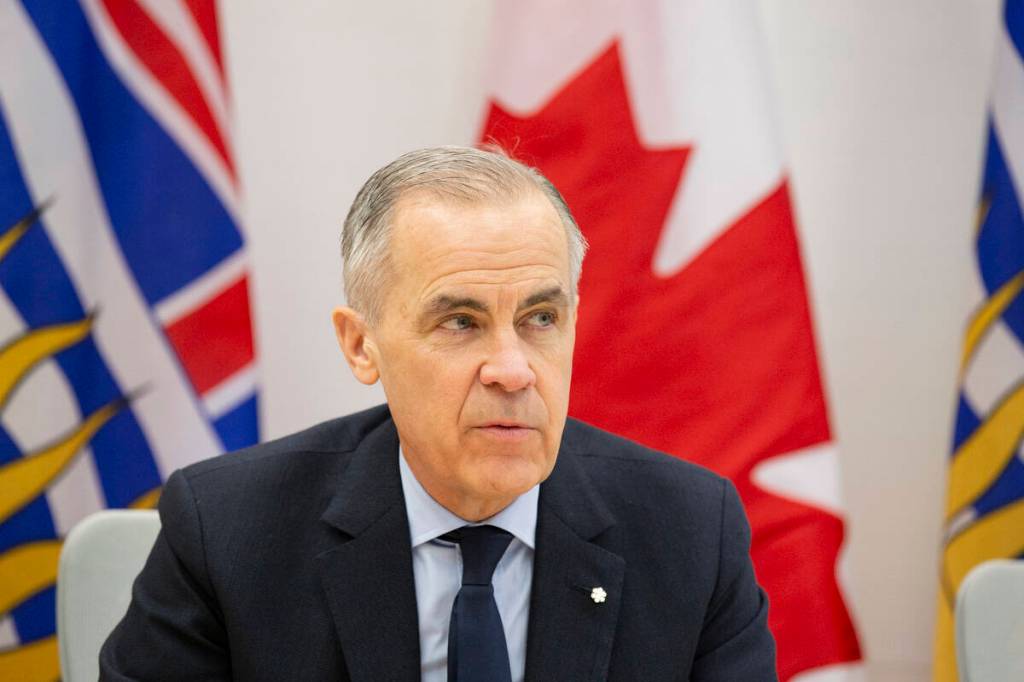
The federal Liberals under Prime Minister Mark Carney now have a majority in the House of Commons.
The change came after three byelection wins on April 13, followed by several other changes in the House of Commons.
From November 2025 to April 2026, five MPs — four Conservatives and one New Democrat — crossed the floor to become Liberals.
In addition, two Liberal MPs resigned from Parliament in early 2026 to take on other duties, and the results of one Quebec riding were annulled by the Supreme Court in early 2026. These resignations and the Supreme Court decision resulted in the three byelections.
The change in status from a minority to a majority government is significant. The Liberals can now pass legislation without requiring support from other parties in the House of Commons.
This also means the government will not need to call an election until 2029.
Some have criticized the way the Liberals have achieved their majority mandate, especially since multiple MPs switched their party affiliations to join the Liberals in late 2025 and early 2026.
However, floor-crossing is allowed within Canadian politics. An MP may, for any reason, decide to leave a party and sit as an independent or join a different party. Nothing prevents this.
At the same time, the Conservatives and New Democrats need to consider why party members — especially longstanding MPs — would leave for a different party. Matt Jeneroux and Marilyn Gladu had been Conservative MPs since 2015, while Chris d’Entremont had served as a Conservative MP since 2019. Lori Idlout had been a New Democrat MP since 2021.
Now that the Liberals have a majority, some changes will need to take place within the House of Commons.
Canada is facing some unique threats and challenges, including a declining relationship with the United States, traditionally Canada’s largest trading partner. Within Canada, an Alberta sovereignty movement is challenging that province’s relationship with the rest of Canada.
These are in addition to wars, international conflict, and changing economic dynamics, which are also affecting Canada.
Facing such challenges will require a government focused on working together.
This means the governing party needs to be open to listening to voices beyond its own. And the opposition parties need to focus on presenting reasonable alternatives rather than partisan criticisms.
A majority government is now in place.
Now it is up to all MPs to make this government work for the benefit of all Canadians.
— Black Press