
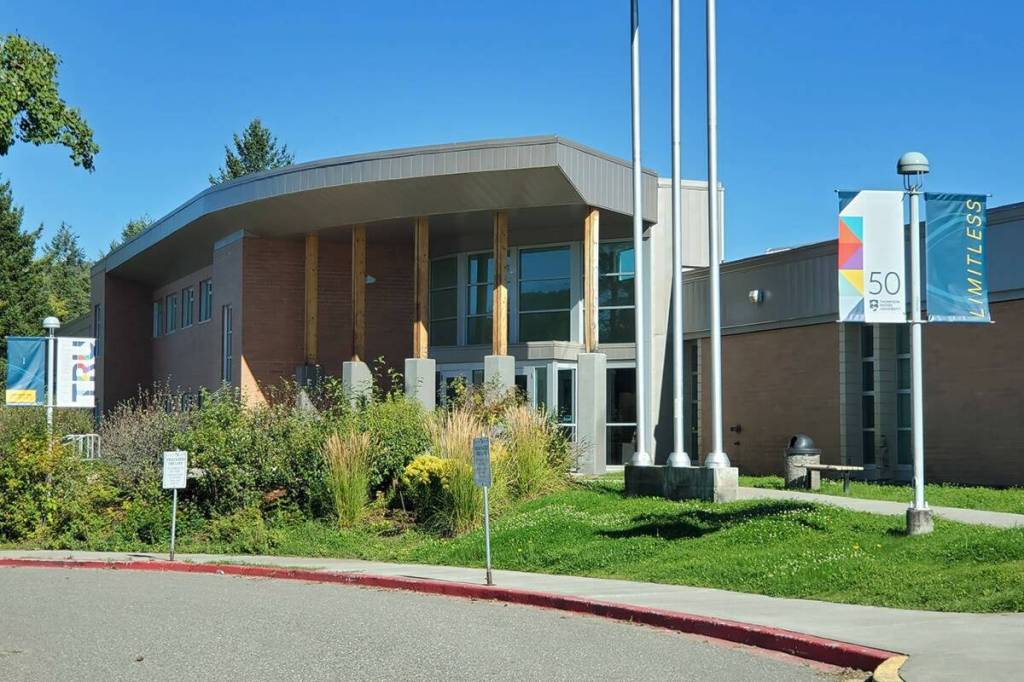
Williams Lake council opposes potential TRU campus closure
Published 1:30 pm Tuesday, April 21, 2026
Williams Lake mayor and council are strongly opposed to any closure of Williams Lake’s Thompson Rivers University (TRU) Campus, no matter its financial condition.
Council ratified a poll of council conducted late last month at a Tuesday, April 14 regular meeting that identified council is fully against the closure of the Williams Lake TRU campus, the most important trade school in B.C., due to budget shortfalls.In addition council demands public consultation and that other programs be implemented as soon as possible on behalf of the provincial government and the Board of TRU.
The TRU Board of Governors approved on March 27 two of three recommendations, including directing administration to launch planning from 2026 to 2028 to reimagine post-secondary education in the region, with a first report to the board in June 2026 on project scope, governance, communications, engagement plan and initial scenarios. The board also approved administration to support consultation with TRU’s senate on the closure and disposal of the grounds and facilities at the Williams Lake campus, with an initial engagement report by June 2026. This came after TRU’s president and vice-chancellor claimed the campus was facing declining enrollment and losing thousands of dollars every day.
Chancellor DeDe DeRose’s motion to postpone making a decision on approving the full closure and disposal of the grounds and facilities by spring 2028, until the board has received both reports, was approved.
“From my office’s point of view, along with the senior staff, we had a very good discussion going on,” said Mayor Surinderpal Rathor on April 14.
Coun. Scott Nelson, who attended the Cariboo Regional District board meeting on April 10 as alternate director, said there was great discussion with the chair of TRU earlier, where they made clear several key points.
“Our commitment was is that we would create and move towards a bit of dialogue that would help merge a long-term opportunity,” Nelson said. “Our long-term opportunity was quite clear – you’re not shutting down the university.”
Nelson noted Rathor has made it clear they want to work closely with TRU and that the proposal to close the campus caught the community by surprise.
”We’ll be embarking on a very aggressive campaign and networking strategy with this council, the community and the region as a whole to ensure that the long-term viability of this university stays intact,” he added.
Coun. Sheila Boehm said while she understands the financial dilemma TRU is in and the cap on international students, which is impacting many post-secondary institutions, she believes there needs to be discussion and a plan on bridging programs such as nursing, and that they should consider approaching other facilities such as Northern Lights College, University of Northern B.C. and College of New Caledonia.
Coun. Angie Delainey agreed with Boehm.
“We need to have education. We need to have post-secondary education in our community in that space,” Delainey said. “So if TRU wants to pull out, I don’t really care, but I want somebody else in there and we have multiple other people to solicit.”
Other northern communities, according to Delainey, have seen success, particularly with the Northern Lights College and its trades and bridging program.
Rathor said city staff assisted in drafting a letter to B.C.’s Premier and Minister of Post-Secondary Education and Future Skills, which he later shared at the annual Council of Forest Industries (COFI) conference in Vancouver from April 8 to 10.
“He received the letter and he heard me loud and clear,” Rathor said of sharing the letter and speaking with Premier David Eby.
“For the community’s purpose, we’re making the waves. We’ve been heard very loud and clear not only by TRU but by the Premier’s office and the Minister. This council has a lot of energy working together and pushing for the betterment of the community,” Rathor said, encouraging community members to reach out to council or staff with any suggestions.
While Nelson said he does not have much faith in the province, he maintained it is the province’s responsibility to assist communities like Williams Lake and the region to ensure there are accessible educational opportunities within the community.
“We are doing everything we can,” Rathor said, noting he has had lots of people calling him from across the province, including Prince George and the Okanagan, willing to come to Williams Lake.
TRU’s Board of Governors is anticipated to make a decision on the potential full closure and disposal of the grounds and facilities in Williams Lake by spring 2028 at their next board meeting scheduled for Friday, June 19.