
/
Newsroom
/
Interrupting the signals of Parkinson’s disease: Barbara’s Story
April 21, 2026
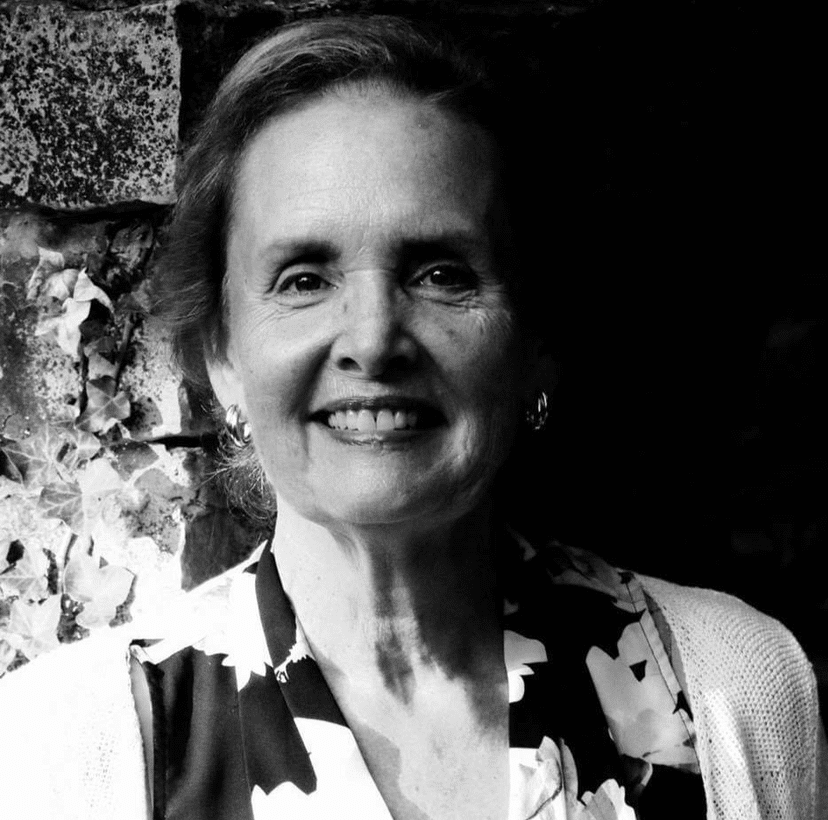
Over 12 years ago, Barbara D. began experiencing tremors in her left hand and pain in her left shoulder. Thinking it just might have been a sign of aging, she was surprised one year later when she was diagnosed with Parkinson’s disease.
Parkinson’s disease is a progressive, neurodegenerative condition that occurs when the brain isn’t able produce enough dopamine. Parkinson’s can cause symptoms like tremors, slowness of movement, imbalance, muscle stiffness and trouble with speech that worsens over time. Although there is currently no cure, there are several treatments available to help manage the symptoms of the disease.
“It didn’t really have much of an impact on me at first,” explains Barbara. “In the early stages, I took medication regularly and just carried on with my life.”
As the disease progressed her symptoms and side effects became more noticeable. She developed dyskinesia, involuntary movements, a side effect of the medications, resulting in constant head movement and fidgeting. Her symptoms had not just physical implications but great emotional impact on her life and relationships.
“I had a really supportive group of close family and friends, but I was apprehensive to meet new people,” she says. “I was self conscious about my condition.” She also lost her interest in travelling, because she was worried about managing her medication and symptoms while abroad.
After having her own experience with tremors, Barbara recalled a documentary she had watched 30 years prior, about a man who underwent deep-brain stimulation (DBS) to treat tremors.
“I remember seeing the documentary and thinking it was really amazing but forgot about it since it didn’t relate to me at the time,” adds Barbara. “Once I was diagnosed with Parkinson’s, I began researching the treatment more to see if it was something that could help me.”
DBS is an invasive neuromodulation technique that involves implanting electrodes in specific areas of the brain to send mild electric impulses that block signals that cause motor symptoms like tremors, slow and weak movement, and stiffness.
Dr. Amanda Persaud, Barbara’s Neurologist and Director of the Movement Disorders and DBS Programming Clinic at the Mississauga Institute of Neurological Disorders and Stroke (MINDS), referred Barbara to Sunnybrook, where she met with Dr. Ben Davidson, Neurosurgeon in the Hurvitz Brain Sciences Program and Investigator at the Harquail Centre for Neuromodulation.
“It took me awhile to come on board because the operation was more complex than I thought,” explains Barbara. “But I was reassured that I was a good candidate by both Dr. Persaud and Dr. Davidson.”
“DBS is a targeted and precise treatment, resulting in more manageable symptoms for longer and dramatically improving the quality of life of patients living with advanced Parkinson’s disease,” says Dr. Ben Davidson, Neurosurgeon in the Hurvitz Brain Sciences Program and Investigator at the Harquail Centre for Neuromodulation. “Advanced image guided technology like the 7-Tesla MRI further enhance procedures like DBS by enabling us to visualize the intricate structures of the brain in unprecedented detail.”
Although she was nervous to receive the invasive procedure, with encouragement from her family and friends, Barbara underwent DBS with Dr. Davidson at Sunnybrook this past year.
After undergoing the procedure, Barbara is no longer experiencing tremors, head movement and minimal dyskinesia. She is also back to playing tennis regularly with hopes of making travel plans soon.
“After the procedure, the difference was dramatic. I’ve even had my friends comment on how I look so much more relaxed and comfortable,” explains Barbara. “The team at Sunnybrook is excellent, I don’t think I can say that enough.”
Barbara continues to receive comprehensive outpatient neurological care by Dr. Persaud, who is collaborating with Dr. Davidson to help connect more patients across the GTA with precision DBS care.