
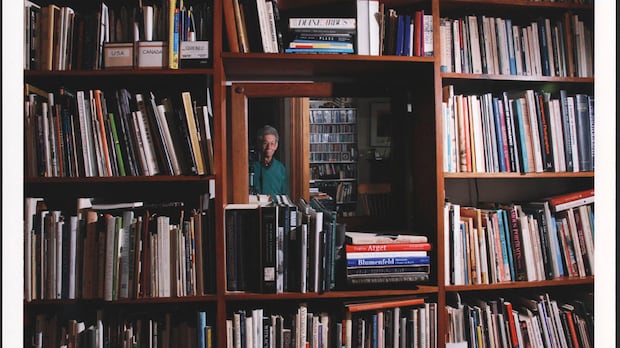
Whether he was walking the streets of Montreal or touring the rural villages of Quebec, Gabor Szilasi was never without his Leica camera.
“He always had it around his neck,” said his daughter, Andrea Szilasi. “Always.”
It was through that lens that the Hungarian-born refugee became a premier chronicler of his adopted province.
Szilasi, a master of social documentary photography whose career spanned more than 60 years, died at his Westmount home on April 11. He was 98.
For Szilasi, the camera was more than a tool — it was a way to make connections.
“I just love people, and for me it was very important to talk to people, to meet them,” Szilasi told CBC in a 2022 interview.
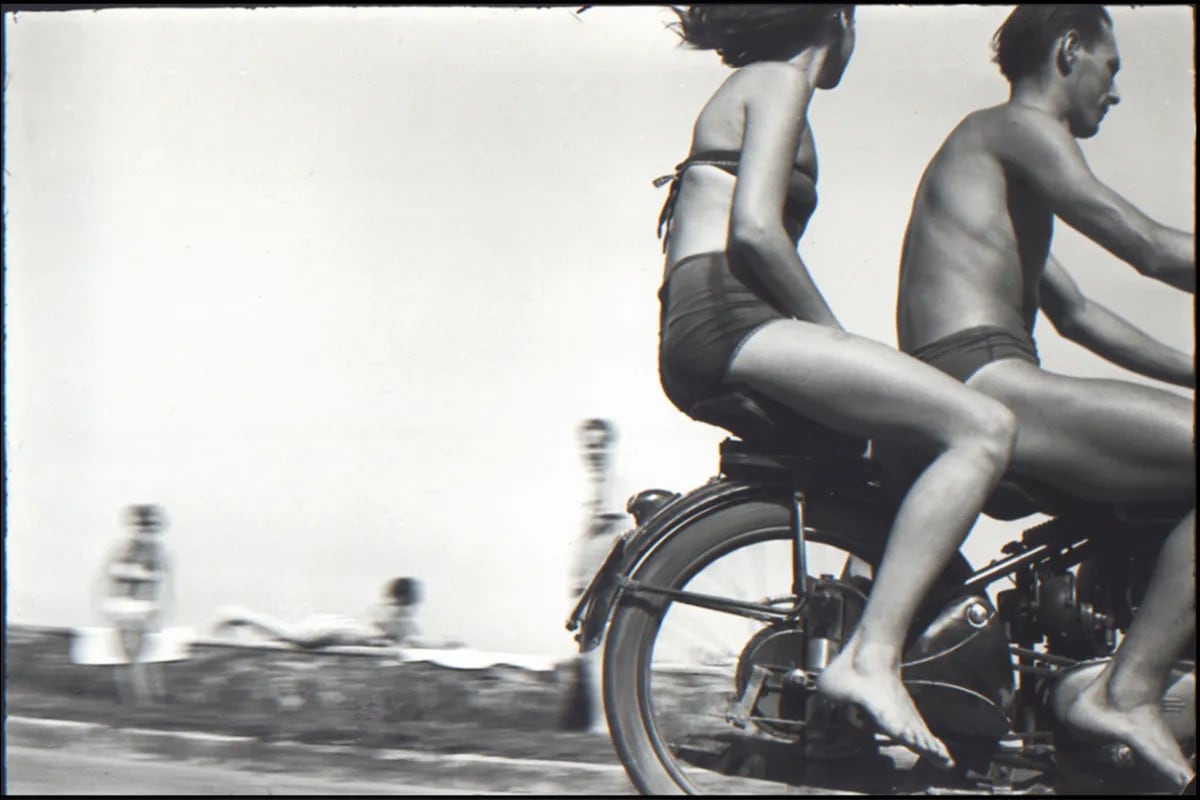 Motorcyclists at Lake Balaton, Hungary, 1954 (Gabor Szilasi/Montreal Museum of Fine Arts)
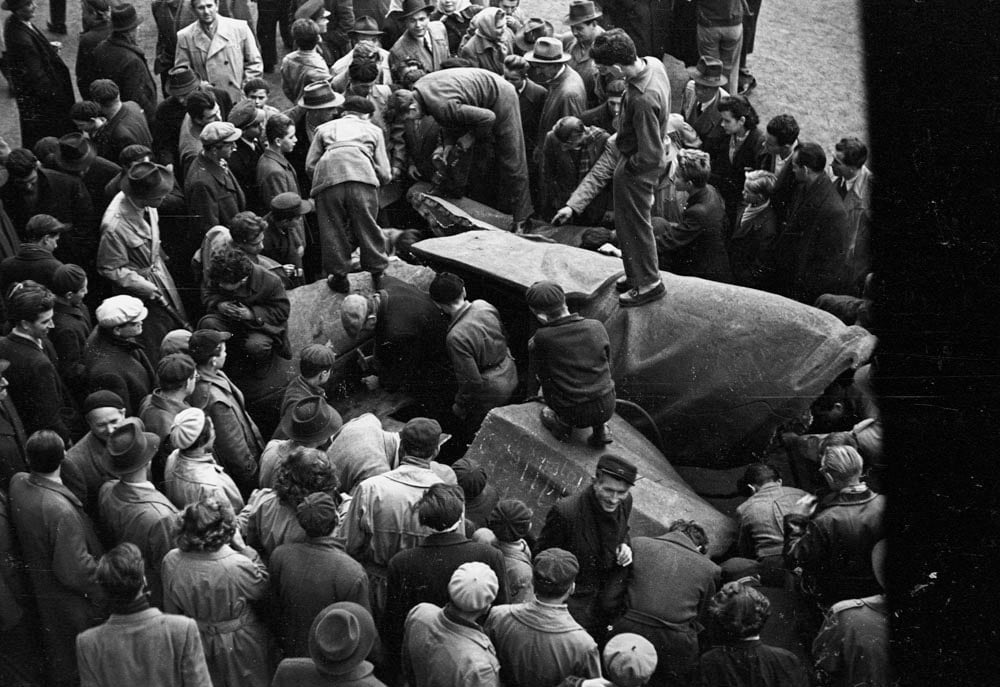 Crowd on top of Stalin monument during the Hungarian Revolution. Budapest, Hungary. Oct. 28, 1956. (Gabor Szilasi/Library and Archives Canada)
Szilasi’s early life was marked by the Second World War and the Holocaust.
Born in Budapest in 1928, Szilasi’s family was Jewish but had converted to Lutheranism, a branch of Protestantism, to avoid being the target of anti-Semitism. Despite this, his mother died in a concentration camp, and his two siblings died of illness. Gabor and his father, Sandor, survived.
In 1948, while a medical student, he tried to flee Hungary’s communist regime but was caught and imprisoned for five months. Blacklisted from university upon his release, he turned to photography, buying his first camera in 1952.
He spent the years that followed photographing Budapest, eventually capturing the arrival of Soviet tanks during the 1956 Hungarian Revolution. Szilasi fled the country days later, arriving in Canada in 1959.
Szilasi’s father managed to smuggle his negatives out of Hungary, hidden in the diaper of a friend’s baby who was also leaving the country.
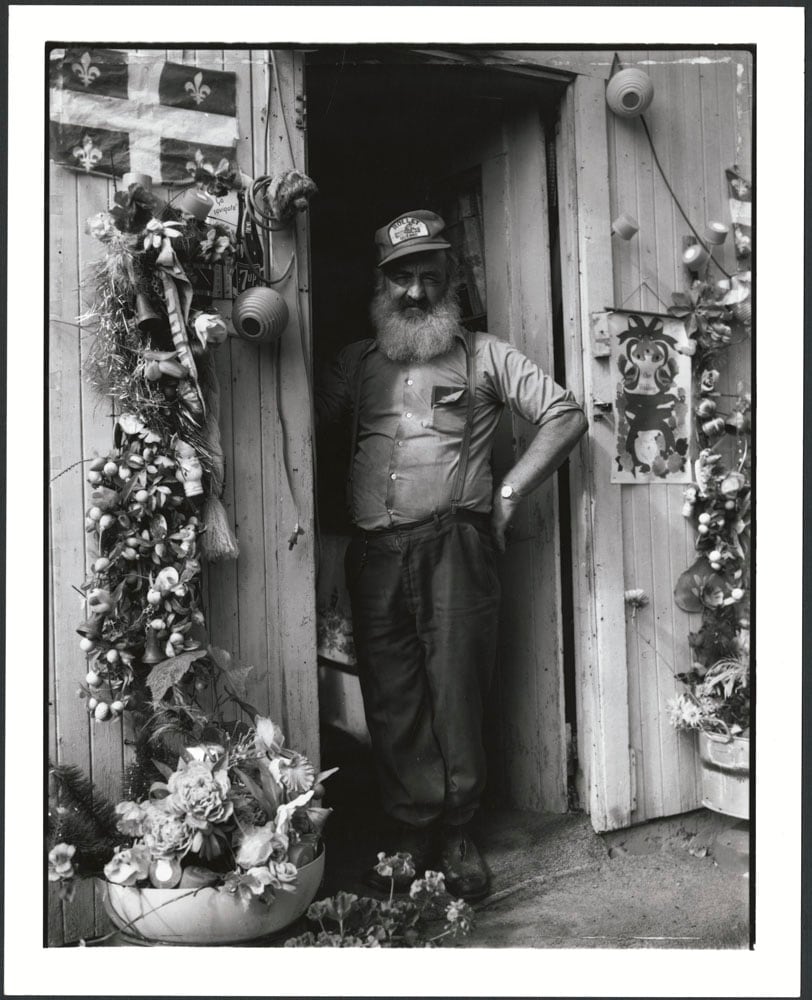 Louis-Philippe Yergeau. Rollet, Que., 1977. (Gabor Szilasi/Library and Archives Canada)
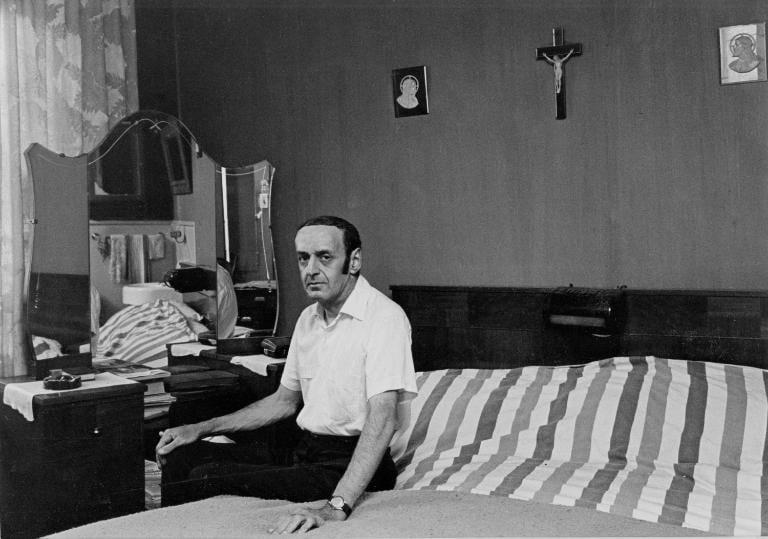 Mr. Morin. Saint-Joseph-de-Beauce, Que., 1973. (Gabor Szilasi/McCord Museum)
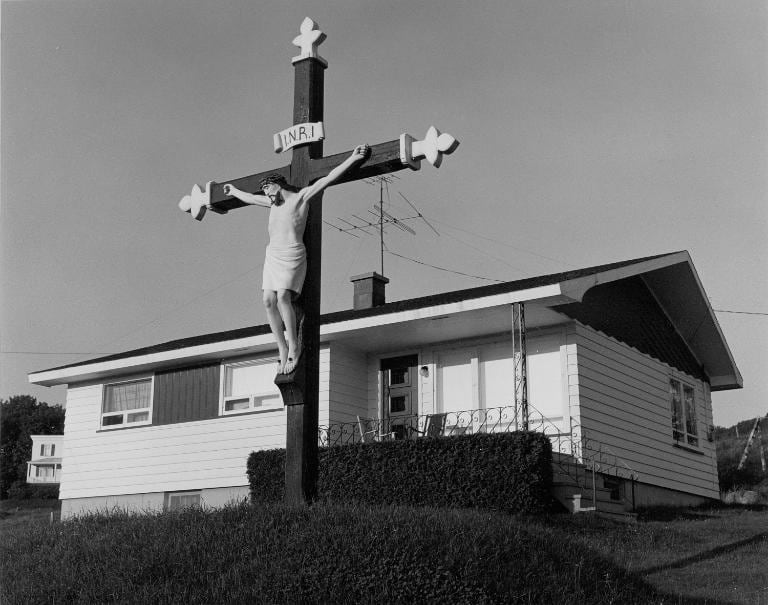 Saint-Joseph-de-Beauce, Que., 1973. (Gabor Szilasi/McCord Museum)
Settling in Montreal, Szilasi found work as a photographer for the Office du film du Québec from 1959 to 1971.
His work often took him beyond the city limits to regions like Charlevoix, Abitibi-Témiscamingue, Beauce, and Saguenay–Lac St-Jean, capturing the province in the midst of the social transformation of the Quiet Revolution.
Line Sander Egede, producer of the documentary Gabor, travelled with Szilasi across Quebec during the making of the movie. She recalled that he was constantly meeting new people, and taking their photos.
“He would make them aware that he’s taking a photo and have a connection with the people in front of the camera,” she told CBC Radio’s Let’s Go.
“It’s very simple, but it’s also really genuine the way he does it.”
In the early 1970s, Szilasi began teaching in the city, first at the Cégep du Vieux Montréal and later at Concordia University.
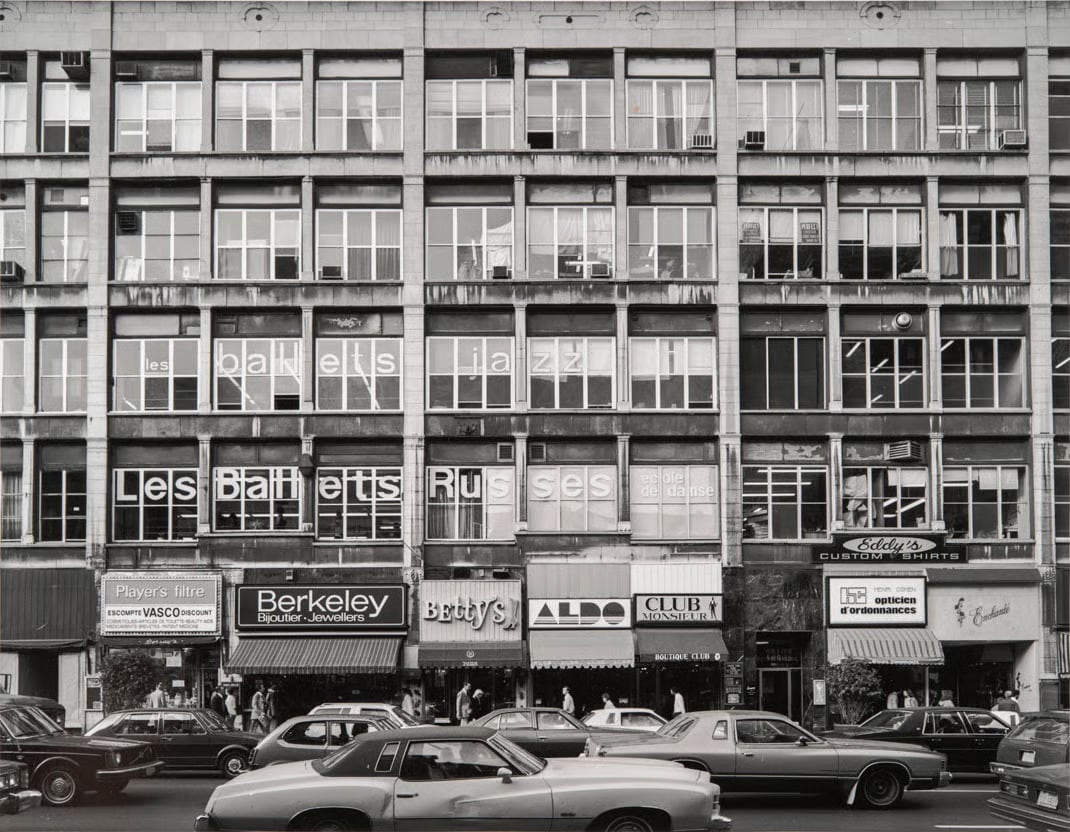 King’s Hall Building, 1231 Sainte-Catherine Street West, Montreal, 1979. (Gabor Szilasi/Montreal Museum of Fine Arts)
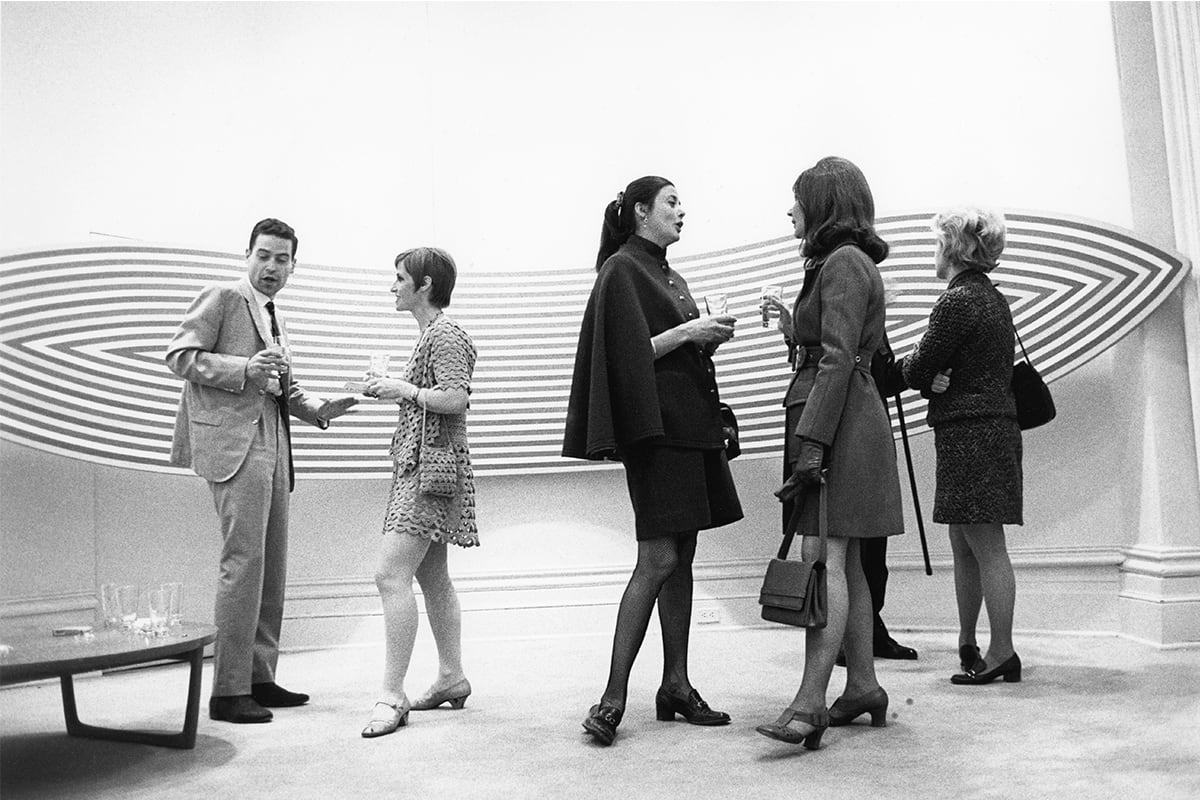 Opening of the Claude Tousignant exhibition at the Galerie Sherbrooke, Montreal, May 1969. (Gabor Szilasi/Museum McCord)
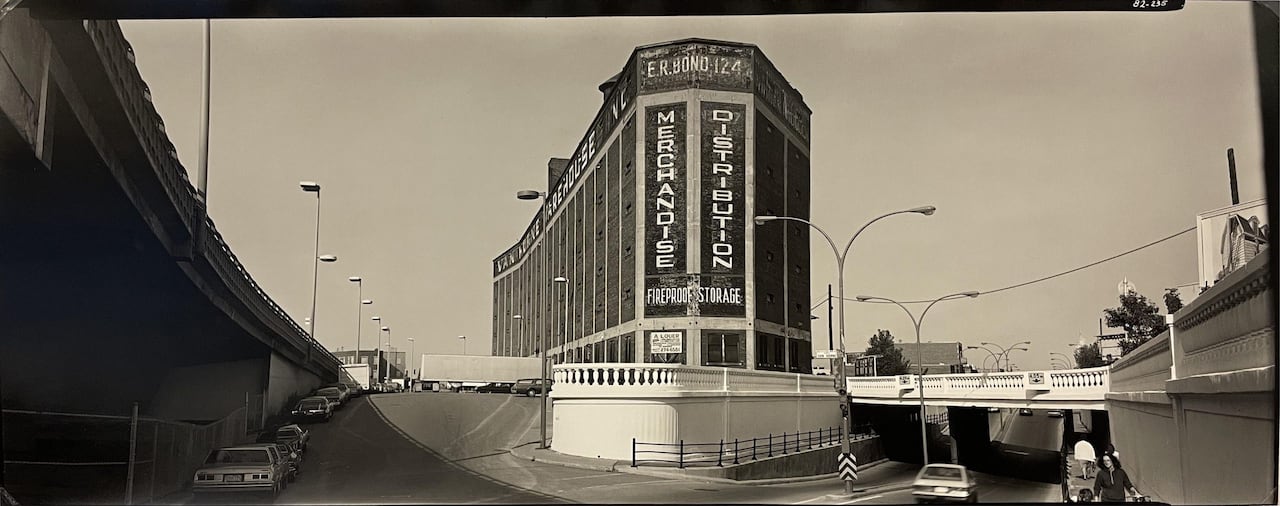 Saint-Laurent – Van Horne, Montreal, 1982. (Gabor Szilasi/McGill Rare Books and Special Collections)
While he taught, he continued to document Montreal’s changing urban landscapes and its burgeoning arts scene.
Today, a mural near Concordia’s downtown campus depicts one of his most memorable photos titled, Tempête de neige (1971), showing a group of people huddled around a city bus during a snowstorm.
Szilasi’s extensive body of work is now preserved at galleries and museums, including the McCord Stewart Museum and McGill University. Library and Archives Canada has 80,000 of Szilasi’s negatives.
Michelle Macleod, a photography historian and curator at McGill University, says Szilasi redefined documentary photography in Canada. Some of his photographs are now on exhibit at the university’s McLennan Library.
“He took landscape and architectural photographs, but I think he really excelled at portraiture,” Macleod said. “When taking a portrait, he would always include their environment. I think that speaks to his personality—to gain that kind of access, there is a real trust involved.”
WATCH | Gabor Szilasi’s family reflects on his passing: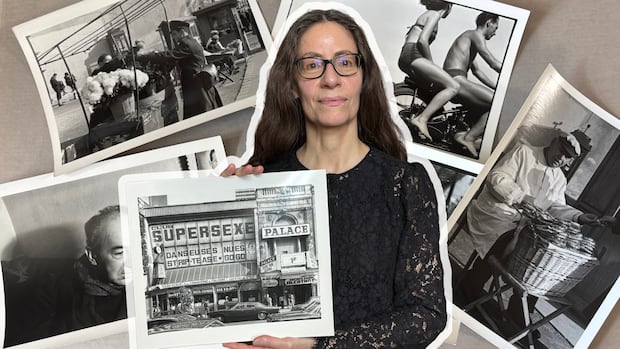
The life of late Montreal photographer Gabor Szilasi through his family’s lens
Gabor Szilasi, a Hungarian immigrant who arrived in Quebec in the 1950s and went on to forge a brilliant career as a photographer, died this month at the age of 98. His daughter and wife share the story of the man they knew beyond the camera.
Szilasi is survived by his wife of more than six decades, the artist and photographer Doreen Lindsay, as well as their daughter Andrea, who is an artist and a celebrated photographer herself, as well as her partner, Michael Merrill, and their son, Lucas Szilasi Merrill.
“What I carry from him is he didn’t have a predetermined agenda with his photos,” she said in an interview.
“His photos give you the opportunity to look at the relationship between a person and their environment, instead of being told a quick message. I think just looking at things slowly, without prejudice, is extremely valuable in every aspect of life.”
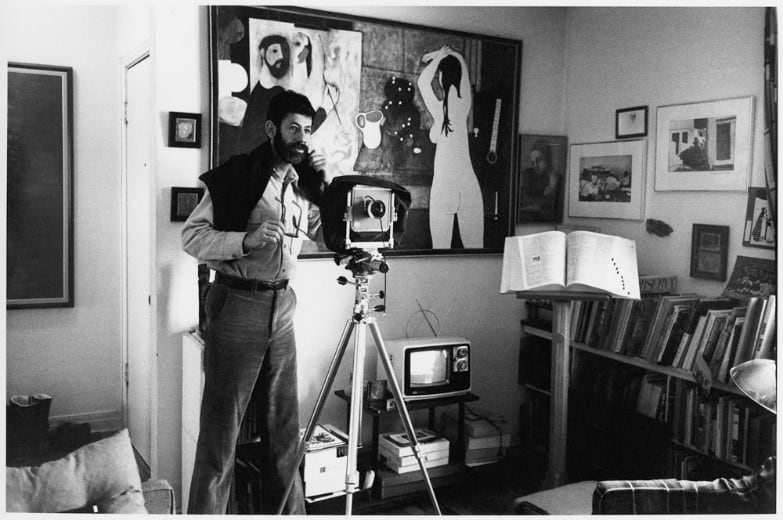 Photographer Gabor Szilasi photographing in Sam Tata’s apartment. Ville Saint-Laurent, 1979. (Sam Tata/Library and Archives Canada)