
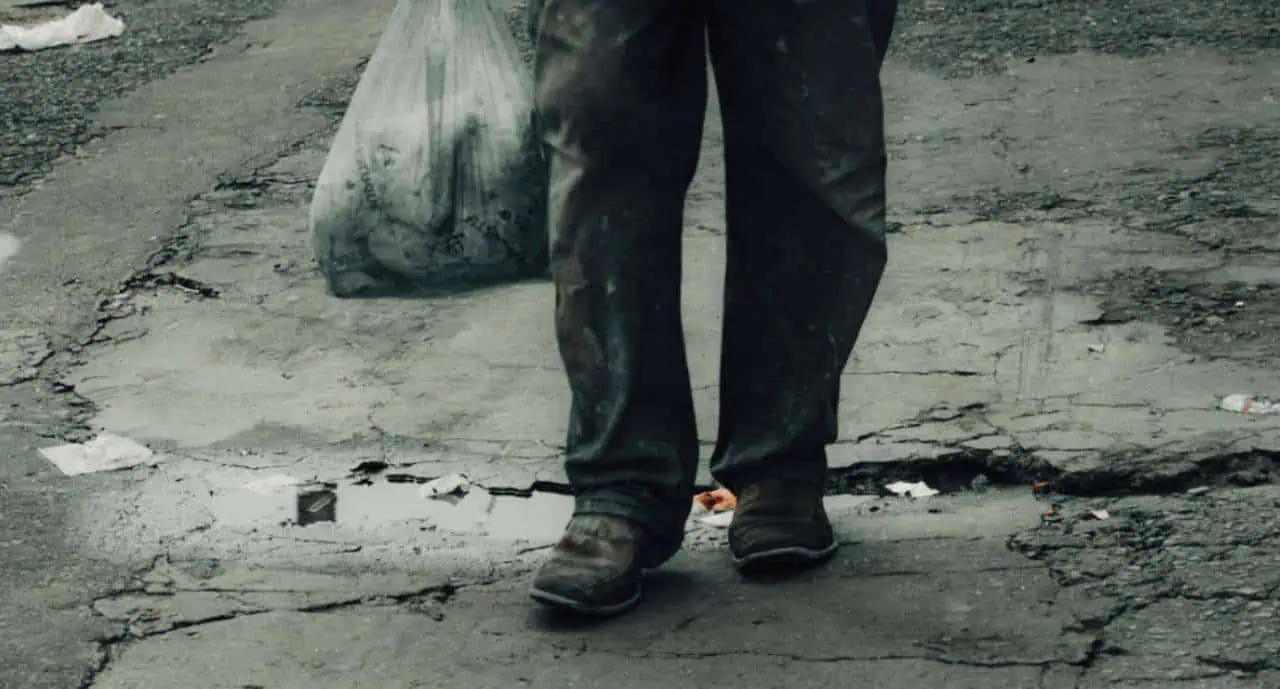
Filling in potholes is a priority as Brampton gets ready to embark on a city-wide spring clean-up.
The city’s Roads Maintenance and Operations Department indicates it is monitoring road conditions and is starting to repair the potholes that appear each spring following the winter weather.
This work may result in temporary lane restrictions and short-duration repairs as crews move through neighbourhoods.
Frosty weather creates potholes through a “freeze-thaw” cycle where melting snow or rain seeps into road cracks, then freezes and expands at night, weakening the pavement. As traffic passes over these weakened spots, the asphalt breaks apart and creates gaps, which grow rapidly into potholes.
But potholes are just one aspect of the spring-time work.
Here are the other projects:
Road resurfacing program
Keeping roads, curbs and sidewalks in a state of good repair is also a priority for the city. By grinding and repaving road surfaces, the program restores roads to their original condition, upholds road standards and extends the life of important infrastructure.
Each year, streets are selected based on road condition, environmental considerations and coordination with other construction projects. Road resurfacing work includes:
Repairing concrete curbs, sidewalks and catch basins.
Raising and adjusting manholes.
Restoring damage to sod, driveways and private curbs resulting from construction.
Providing a new road surface.
Construction activity may result in temporary traffic disruptions, noise and limited driveway access during active work periods. Residents are asked to follow posted signage, observe temporary parking restrictions and use caution around work zones. Learn more about Brampton’s Road Resurfacing Program online.
Street sweeping
Street sweeping operations remove sand, debris and litter accumulated over the winter months. This work is meant to improve road safety, enhance neighbourhood cleanliness and support stormwater system performance by preventing debris from entering catch basins.
Each year, the City’s street sweeping program removes approximately 2,900 tonnes of debris, sand and salt, the equivalent of filling about 3,200 large pickup truck beds.
The Street Sweeping Program includes all city-owned:
Roads with a topcoat of asphalt, including bridges, catch basins and gutters.
Hard-surfaced boulevards and medians.
Sidewalks and walkways plowed by the city during the winter.
Parking lots at City of Brampton recreation centres and other municipal facilities.
In addition, rural roads without curbs are flushed or swept as needed.
This work is underway and will continue until November, weather permitting, in the following sequence:
The spring street sweeping operation includes all roadways in Brampton.
The first round of summer street sweeping focuses on arterial roads and industrial roads.
The second round of summer street sweeping involves arterial, industrial, collector and residential roads. It also includes sweeping and flushing islands and medians.
The final street sweep covers arterial, industrial roads and collector roadways to prepare them for the winter weather.
Temporary parking restrictions will be in effect in some areas as crews carry out street sweeping operations. Residents are asked to move parked vehicles during scheduled sweeping times to allow crews to complete a thorough and efficient clean. For updates, visit brampton.ca/streetsweeping.
Grass cutting and weed control
To maintain safe, accessible and attractive environments for residents, regular grass cutting and weed control across parks, boulevards and public spaces is anticipated to begin the week of April 27, weather permitting.
Grass will be maintained at an average height of three inches, with frequency determined by area type:
High-maintenance areas, such as sports fields, will be cut weekly to ensure they are safe and accessible.
Medium-maintenance areas, such as parklands and boulevards, will be cut every two weeks.
Low-maintenance areas, such as stormwater ponds and valley lands, will be cut six times this season.
All boulevards, including hard surfaces, will also be maintained.
To support local biodiversity and create a thriving environment, city crews are also managing weed growth across parks, roadsides and sports fields, including targeted control of invasive species such as hogweed and poison ivy. Enhanced weed maintenance will also be completed in local parks.
Under the Don’t Mow, Let it Grow initiative, some naturalized areas within stormwater ponds, valleys and floodplains will not be mowed. These spaces protect pollinators, improve water quality, reduce erosion and support biodiversity. Longer grasses and naturally occurring plants play an important role in supporting wildlife and pollinators such as bees, butterflies and hummingbirds, which are essential to the production of many of the plants that feed people and sustain ecosystems.
Residents can track progress using the city’s Grass Maintenance Tracker Tool at brampton.ca/parks, and report overgrown grass or gardens through the 311 mobile app or at 311brampton.ca.
Keeping Brampton’s parks clean
With more than 850 parks across Brampton, these shared spaces are at the heart of the community. City staff support this effort year-round through proactive maintenance, including regular waste bin servicing and inspections to ensure bins are in good condition and emptied frequently. Additional signage across parks encourages visitors to dispose of waste properly and helps reduce litter.
To further protect public spaces, bylaw enforcement officers conduct proactive patrols across the city to uphold local bylaws and address issues such as illegal dumping. Learn more at brampton.ca/litterreduction.
Brampton’s Parks Cleanup Program
From April 1 to November 1, residents, community groups, schools and businesses are invited to take action through Brampton’s Parks Cleanup Program. Participants can organize a self-led cleanup or join one of the city’s organized community events. For more information, visit brampton.ca/cleanup.
Stormwater pond maintenance
Over the next few months, the City of Brampton will be conducting stormwater pond maintenance at various locations across the city. Stormwater ponds are a critical part of Brampton’s infrastructure. The city maintains more than 180 stormwater ponds that help manage rainwater and snowmelt, reduce flooding and erosion, and improve water quality before it enters local waterways.
Residents can expect to see crews and equipment working near stormwater ponds, along with temporary access restrictions in active work areas. Residents are reminded to follow posted signage and stay clear of work zones. For more information and for a full list and map of the 2026 projects, visit this website.
Stay up to date on construction and maintenance in Brampton
Residents can stay informed on active construction and maintenance work happening across the city by visiting the city’s online Construction Projects map. This tool provides up-to-date information on road work, resurfacing projects and other infrastructure improvements, helping residents plan ahead and stay aware of activity in their neighbourhoods.
As seasonal maintenance work gets underway, residents are also encouraged to check the City’s road closure map when planning trips and routes to avoid delays and navigate safely around work zones.
INsauga’s Editorial Standards and Policies
Last 30 Days: 35,778 Votes
All Time: 1,302,413 Votes
537 VOTES
Do we need to keep home delivery from Canada Post?
WIN A $100 GIFT CARD
Subscribe to INsauga’s daily email newsletter for a chance to win a $100 Amazon gift card.